Blog

  • Executor Estate Software | Simplify Probate & Estate Management

    Executor Estate Software: Simplify Estate Management with Smart Digital Tools

    Managing an estate as an executor can be overwhelming. From handling legal paperwork and tracking assets to communicating with beneficiaries and ensuring compliance, the responsibilities are extensive. Executor estate software is designed to simplify this complex process by providing a centralized, secure, and efficient digital solution for estate administration.

    In this guide, we’ll explore what executor estate software is, its key features, benefits, use cases, and how to choose the best solution for your needs.


    What Is Executor Estate Software?

    Executor estate software is a digital platform that helps estate executors manage, organize, and document all aspects of estate administration. It streamlines tasks such as asset inventory, debt tracking, document storage, beneficiary communication, tax reporting, and compliance monitoring.

    Unlike spreadsheets or paper-based systems, executor estate software provides automation, audit trails, and secure data management—reducing errors and saving time.


    Why Executors Need Estate Management Software

    Executors face legal, financial, and administrative pressure, often while dealing with personal loss. Executor estate software helps by:

    • Reducing administrative workload

    • Preventing missed deadlines or compliance issues

    • Improving transparency with beneficiaries

    • Ensuring accurate financial reporting

    • Centralizing all estate-related data

    Whether managing a small family estate or a complex multi-asset estate, executor estate software offers clarity and control.


    Key Features of Executor Estate Software

    1. Estate Asset Tracking

    Easily record and manage estate assets, including:

    • Real estate

    • Bank accounts

    • Investments

    • Vehicles

    • Personal property

    Asset tracking ensures nothing is overlooked during distribution.


    2. Liability and Debt Management

    Executor estate software allows executors to track:

    • Outstanding loans

    • Credit card balances

    • Utility bills

    • Taxes owed

    This ensures debts are settled before assets are distributed.


    3. Document Management and Storage

    Store and organize critical documents such as:

    • Wills and trusts

    • Death certificates

    • Probate court filings

    • Legal correspondence

    Secure cloud storage ensures documents are accessible when needed.


    4. Task and Deadline Management

    Executors can manage:

    • Probate milestones

    • Court filing deadlines

    • Tax submission dates

    • Beneficiary notifications

    Automated reminders reduce the risk of missed obligations.


    5. Beneficiary Communication Tools

    Executor estate software improves transparency by:

    • Logging communications

    • Sharing progress updates

    • Providing controlled access to estate information

    This minimizes disputes and misunderstandings.


    6. Financial Reporting and Accounting

    Generate clear reports for:

    • Income and expenses

    • Estate balances

    • Distribution summaries

    Accurate reporting supports legal compliance and accountability.


    7. Compliance and Audit Trails

    Many executor estate software platforms include:

    • Activity logs

    • Change histories

    • Compliance checklists

    These features protect executors from legal challenges.


    Benefits of Using xecutor Estate Software

    E

    Saves Time and Reduces Stress

    Automation eliminates repetitive manual tasks, allowing executors to focus on critical decisions.

    Improves Accuracy

    Built-in checks reduce errors in accounting, reporting, and documentation.

    Enhances Transparency

    Clear records and reports help maintain trust with beneficiaries and legal professionals.

    Ensures Legal Compliance

    Structured workflows help executors follow probate laws and regulations.

    Centralizes Estate Data

    All estate information is stored securely in one platform.


    Who Should Use Executor Estate Software?

    Executor estate software is ideal for:

    • Family members acting as executors

    • Professional estate administrators

    • Lawyers handling probate cases

    • Trustees managing trusts

    • Financial advisors supporting estate clients

    Both individual and professional executors benefit from digital estate tools.


    Executor Estate Software vs Traditional Estate Management

    Feature Traditional Methods Executor Estate Software
    Record Keeping Paper & spreadsheets Centralized digital system
    Accuracy Error-prone Automated calculations
    Accessibility Limited Cloud-based access
    Compliance Tracking Manual Built-in reminders
    Reporting Time-consuming Instant reports

    How Executor Estate Software Supports Probate

    Executor estate software simplifies probate by:

    • Organizing required court documents

    • Tracking filings and approvals

    • Maintaining a complete activity record

    • Generating reports for probate courts

    This results in faster, smoother estate settlement.


    Choosing the Best Executor Estate Software

    When selecting executor estate software, look for:

    • Ease of use – Intuitive interface for non-technical users

    • Security – Encryption and access controls

    • Customization – Adaptable workflows for different estate sizes

    • Reporting tools – Clear financial and compliance reports

    • Support – Reliable customer assistance

    Choosing the right platform can significantly reduce executor liability.


    Common Challenges Executor Estate Software Solves

    • Disorganized estate records

    • Missed deadlines

    • Beneficiary disputes

    • Incomplete asset tracking

    • Lack of transparency

    Executor estate software replaces confusion with structure and clarity.


    Future of Executor Estate Software

    As digital estate management evolves, executor estate software is incorporating:

    • AI-powered task recommendations

    • Automated compliance checks

    • Secure beneficiary portals

    • Integrated tax and legal tools

    These innovations continue to make estate administration faster and more reliable.


    Final Thoughts

    Executor estate software is no longer a luxury—it’s a necessity for modern estate administration. By centralizing records, automating workflows, and ensuring compliance, it empowers executors to manage estates efficiently, accurately, and transparently.

    Whether you’re a first-time executor or a professional estate administrator, investing in executor estate software can save time, reduce stress, and protect you from costly errors.
  • EstateAdmin Kit Features | Complete Estate Management Tools

    EstateAdmin Kit Features | Complete Estate Management Tools
    estateadmin kit features

    EstateAdmin Kit Features: A Complete Guide to Smarter Estate Administration

    Managing estates can be complex, time-consuming, and legally sensitive. The EstateAdmin Kit simplifies this process by offering a centralized, digital solution designed for executors, estate administrators, legal professionals, and property managers. This guide explores the most important estateadmin kit features and how they help streamline estate administration from start to finish.

    What Is an EstateAdmin Kit?

    An EstateAdmin Kit is a comprehensive digital toolkit that helps users manage estate-related tasks such as asset tracking, financial reporting, compliance, documentation, and communication. Instead of juggling spreadsheets, paper files, and multiple software tools, users gain a single platform built specifically for estate administration.


    Core EstateAdmin Kit Features

    1. Centralized Estate Dashboard

    One of the most valuable estateadmin kit features is a unified dashboard that provides a complete overview of the estate. Users can view assets, liabilities, timelines, tasks, and financial summaries in one place.

    Benefits:

    • Real-time estate status updates

    • Quick access to critical data

    • Reduced administrative errors


    2. Asset and Liability Management

    The EstateAdmin Kit allows users to record, categorize, and monitor all estate assets and debts. This includes property, bank accounts, investments, insurance policies, and outstanding obligations.

    Key capabilities:

    • Asset categorization and valuation

    • Liability tracking and settlement status

    • Supporting document attachments


    3. Estate Financial Tracking and Reporting

    Accurate financial management is essential. Among the most powerful estateadmin kit features are automated financial tracking and report generation tools.

    Included tools:

    • Income and expense tracking

    • Estate cash flow summaries

    • Downloadable financial reports

    These features help ensure transparency and simplify communication with beneficiaries and legal authorities.


    4. Compliance and Legal Documentation Tools

    Estate administration must comply with legal and regulatory requirements. The EstateAdmin Kit includes built-in compliance tools to help users stay aligned with applicable estate laws.

    Compliance features include:

    • Document checklists

    • Deadline and filing reminders

    • Secure storage for legal documents


    5. Task and Workflow Management

    Estate administration involves multiple steps and stakeholders. Task management features help users assign responsibilities, track progress, and meet deadlines efficiently.

    Workflow benefits:

    • Custom task lists

    • Automated reminders

    • Clear accountability


    6. Secure Document Management

    Another essential estateadmin kit feature is secure document storage. Users can upload, organize, and retrieve estate-related files at any time.

    Security advantages:

    • Encrypted file storage

    • Controlled access permissions

    • Easy document sharing


    7. Beneficiary and Stakeholder Communication

    Clear communication reduces disputes and delays. The EstateAdmin Kit enables structured communication between executors, beneficiaries, and professionals.

    Communication tools include:

    • Beneficiary information records

    • Update logs and notes

    • Shared document access


    8. Audit Trails and Activity Logs

    Transparency is critical in estate management. EstateAdmin Kits maintain detailed logs of actions taken within the system.

    Why this matters:

    • Improves accountability

    • Supports legal review

    • Enhances trust among stakeholders


    9. Cloud-Based Access and Data Backup

    Modern estate administration requires flexibility. Cloud-based access ensures users can manage estates from anywhere while keeping data safe.

    Cloud advantages:

    • Secure data backups

    • Multi-device access

    • Reduced risk of data loss


    10. Customizable Templates and Reports

    Customization is a standout among estateadmin kit features. Users can tailor templates, reports, and workflows to suit different estate sizes and legal requirements.

    Customization options:

    • Editable report formats

    • Adjustable workflow steps

    • Estate-specific templates


    Who Benefits from EstateAdmin Kit Features?

    • Executors and administrators managing estates efficiently

    • Law firms handling multiple estates

    • Financial advisors overseeing estate finances

    • Property managers administering estate-owned assets


    Why  kit features Matter

    Without the right tools, estate administration can lead to delays, compliance issues, and disputes. The comprehensive estateadmin kit features reduce manual work, improve accuracy, and provide peace of mind throughout the estate settlement process.


    Final Thoughts

    The EstateAdmin Kit offers a complete set of features designed to simplify estate administration, improve transparency, and ensure legal compliance. By leveraging advanced estateadmin kit features, users can manage estates more efficiently, minimize risks, and deliver better outcomes for all stakeholders.

  • Web-Based Estate Administration Software | Complete Property Management Solution

    Web-Based Estate Administration Software | Complete Property Management Solution
    web-based estate administration software

    Web-Based Estate Administration Software: The Complete Guide to Modern Property Management

    Estate and property management has evolved rapidly in the digital age. Managing tenants, leases, finances, maintenance, and compliance manually or with outdated desktop tools often leads to inefficiencies, errors, and unnecessary costs. Web-based estate administration software offers a powerful, cloud-driven alternative that enables estate managers, landlords, and property owners to manage their portfolios efficiently from anywhere.

    This comprehensive guide explores what web-based estate administration software is, how it works, its features, benefits, use cases, and how to choose the best solution for your estate management needs.


    What Is Web-Based Estate Administration Software?

    Web-based estate administration software is an online property management system hosted on the cloud and accessed through a web browser. It centralizes all estate management activities—such as tenant records, rent billing, accounting, maintenance, and compliance—into a single digital platform.

    Unlike traditional desktop software, web-based solutions:

    • Do not require installation on individual computers

    • Automatically update without manual intervention

    • Allow multi-user access with role-based permissions

    • Provide real-time data synchronization across devices

    This makes web-based estate administration software ideal for managing both small and large property portfolios efficiently.


    Why Estate Management Is Moving to the Cloud

    Increasing Portfolio Complexity

    Modern estates often involve multiple properties, mixed-use developments, varying lease terms, and multiple stakeholders. Manual systems struggle to scale with this complexity.

    Demand for Remote Access

    Property managers, landlords, and accountants need secure access to estate data whether they are in the office, on-site, or working remotely.

    Compliance and Transparency Requirements

    Governments and property regulators increasingly require accurate records, audit trails, and timely reporting—all easier to achieve with web-based software.

    Cost and Efficiency Pressures

    Cloud solutions reduce administrative costs, eliminate redundant tasks, and minimize costly errors.


    Core Features of Web-Based Estate Administration Software

    1. Property and Unit Management

    Web-based estate administration software provides structured dashboards to manage:

    • Multiple estates and buildings

    • Individual units and occupancy status

    • Rent rates and unit categories

    • Ownership and asset details

    This centralized overview allows estate managers to monitor portfolio performance at a glance.


    2. Tenant and Lease Management

    Tenant management is one of the most critical aspects of estate administration. Web-based platforms allow you to:

    • Store tenant profiles securely

    • Upload lease agreements and legal documents

    • Track lease start and end dates

    • Automate lease renewal reminders

    • Maintain tenant communication records

    This ensures accuracy, transparency, and compliance throughout the tenancy lifecycle.


    3. Rent, Utility, and Service Billing

    With automated billing features, web-based estate administration software simplifies revenue collection by:

    • Generating recurring rent invoices

    • Managing utility and service charges

    • Applying penalties for late payments

    • Supporting multiple billing cycles

    • Integrating online payment options

    Digital billing reduces disputes and improves cash flow predictability.


    4. Financial Management and Accounting

    Financial clarity is essential for estate owners and managers. Web-based software provides:

    • Real-time income and expense tracking

    • Cash flow monitoring

    • Automated ledger entries

    • Tax-ready financial records

    • Custom financial reports

    These features help stakeholders make informed decisions and maintain financial accountability.


    5. Maintenance and Work Order Management

    Property maintenance directly impacts tenant satisfaction and asset value. Web-based estate administration software allows:

    • Tenants to submit maintenance requests online

    • Managers to assign tasks to technicians

    • Tracking of work order status and costs

    • Maintenance history for each unit or asset

    This structured approach improves response times and reduces operational friction.


    6. Compliance and Document Management

    Estate management involves extensive documentation, including:

    • Regulatory compliance records

    • Inspection reports

    • Insurance documents

    • Ownership and legal files

    Web-based platforms securely store these documents, provide version control, and enable quick retrieval during audits or inspections.


    7. Reporting and Analytics

    Advanced reporting tools transform estate data into actionable insights. Users can generate:

    • Occupancy and vacancy reports

    • Rent collection summaries

    • Expense breakdowns

    • Maintenance performance reports

    • Portfolio growth analytics

    Data-driven insights support better planning and long-term strategy.


    Key Benefits of Web-Based Estate Administration Software

    Improved Efficiency

    Automation reduces repetitive tasks such as manual billing, data entry, and report generation.

    Enhanced Transparency

    Real-time access to financial and operational data improves trust among landlords, tenants, and stakeholders.

    Reduced Errors

    Automated calculations and centralized records minimize human errors and inconsistencies.

    Scalability

    Web-based solutions grow with your estate portfolio, supporting additional properties without major infrastructure changes.

    Secure Data Storage

    Cloud platforms provide encryption, backups, and controlled user access to protect sensitive estate information.


    Who Can Benefit from Web-Based Estate Administration Software?

    Estate and Property Managers

    Manage multiple properties efficiently from a single platform.

    Landlords

    Track rent, expenses, and tenant details without relying on spreadsheets.

    Real Estate Agencies

    Coordinate property listings, leases, and client records in one system.

    Housing Associations and Cooperatives

    Ensure compliance, transparency, and accurate reporting.

    Commercial Property Owners

    Monitor performance, leases, and maintenance for office, retail, or industrial properties.


    Web-Based vs Traditional Estate Management Systems

    Feature Web-Based Software Traditional Systems
    Access Online, anywhere Location-restricted
    Updates Automatic Manual
    Collaboration Real-time Limited
    Scalability High Low
    Security Cloud-level encryption Local storage risks
    Cost Efficiency Subscription-based High upfront costs

    Security and Data Protection in Web-Based Estate Software

    Modern web-based estate administration software includes:

    • Secure login and role-based access

    • Encrypted data storage and transmission

    • Automated backups and disaster recovery

    • Audit trails for accountability

    These measures ensure compliance with data protection standards and safeguard estate records.


    How to Choose the Best Web-Based Estate Administration Software

    When evaluating solutions, consider the following criteria:

    Usability

    The interface should be intuitive for managers, accountants, and support staff.

    Customization

    The software should adapt to different estate types, billing structures, and workflows.

    Integration

    Look for compatibility with accounting tools, payment gateways, and reporting systems.

    Support and Training

    Reliable customer support and onboarding resources are essential for smooth adoption.

    Pricing and Scalability

    Choose a solution that fits your current needs while allowing future growth.


    Implementation Best Practices

    To maximize value:

    1. Digitize existing estate records before migration

    2. Define user roles and access levels

    3. Train staff and stakeholders thoroughly

    4. Start with core features and expand gradually

    5. Monitor performance and adjust workflows

    A structured implementation ensures smooth transition and long-term success.


    The Future of Estate Management Technology

    As real estate operations become more data-driven, web-based estate administration software will continue to evolve with:

    • AI-powered analytics

    • Predictive maintenance tools

    • Smart integrations with IoT devices

    • Advanced tenant self-service portals

    Early adoption positions estate managers for sustained competitive advantage.


    Final Thoughts

    web-based estate administration  software is redefining how estates are managed in the digital era. By centralizing data, automating processes, and providing real-time insights, it empowers estate managers and landlords to operate more efficiently, transparently, and profitably.

    Whether managing a residential estate, commercial property, or mixed-use portfolio, investing in web-based estate administration software is a strategic move toward smarter, scalable, and future-ready property management.

  • Estate Compliance Toolkit | Streamline Legal, Tax & Financial Estate Management

    Estate Compliance Toolkit | Streamline Legal, Tax & Financial Estate Management
    estate compliance toolkit

    Estate Compliance Toolkit: Simplify Legal, Financial, and Regulatory Estate Management

    Managing an estate involves more than collecting assets and distributing them to beneficiaries. Executors, administrators, trustees, and estate managers must comply with complex legal, financial, and regulatory requirements. An estate compliance toolkit provides a structured, reliable solution to ensure every obligation is met accurately, on time, and with full documentation.

    Whether you are handling a personal estate, managing multiple properties, or overseeing trust assets, an estate compliance toolkit helps reduce risk, avoid penalties, and maintain transparency throughout the estate administration process.


    What Is an Estate Compliance Toolkit?

    An estate compliance toolkit is a comprehensive set of digital tools, templates, checklists, and workflows designed to help estate administrators comply with applicable laws and regulations. It centralizes compliance tasks such as legal filings, tax obligations, financial reporting, and record keeping in one secure system.

    Instead of relying on spreadsheets, paper files, or fragmented software, an estate compliance toolkit offers an organized framework that ensures no compliance step is overlooked.


    Why Estate Compliance Matters

    Estate compliance is critical because errors or delays can result in:

    • Legal disputes among beneficiaries

    • Fines, penalties, or interest charges

    • Delays in asset distribution

    • Personal liability for executors or administrators

    • Loss of trust and credibility

    An estate compliance toolkit minimizes these risks by providing clear guidance and automated reminders for every compliance requirement.


    Key Features of an Estate Compliance Toolkit

    1. Legal Compliance Management

    An estate compliance toolkit helps track and manage all legal obligations, including:

    • Probate and court filing requirements

    • Trust administration rules

    • Beneficiary notifications

    • Regulatory deadlines

    With built-in checklists, administrators can confirm that each legal step is completed in the correct order.


    2. Tax and Financial Compliance Tools

    Tax compliance is one of the most complex aspects of estate administration. A robust estate compliance toolkit includes:

    • Estate tax filing checklists

    • Income and expense tracking

    • Capital gains documentation

    • Audit-ready financial records

    These tools help ensure accurate reporting while reducing reliance on manual calculations.


    3. Centralized Document Management

    An estate compliance toolkit stores all compliance-related documents in one secure location:

    • Legal forms and court orders

    • Financial statements and receipts

    • Tax returns and correspondence

    • Compliance certificates and approvals

    Centralized storage improves transparency and simplifies audits or reviews.


    4. Automated Reminders and Alerts

    Missing deadlines is a common compliance risk. An estate compliance toolkit provides:

    • Automated deadline alerts

    • Filing reminders

    • Task completion tracking

    This ensures that no critical obligation is missed during estate administration.


    5. Compliance Checklists and Templates

    Pre-built compliance templates save time and reduce errors. Typical inclusions are:

    • Estate compliance checklists

    • Executor task workflows

    • Beneficiary reporting templates

    • Regulatory compliance forms

    These standardized resources improve consistency and accuracy.


    Who Needs an Estate Compliance Toolkit?

    An estate compliance toolkit is valuable for a wide range of users, including:

    • Executors and administrators managing estates

    • Trustees overseeing trust compliance

    • Property and estate managers handling multiple assets

    • Legal and financial professionals supporting estate clients

    • Families managing inherited property or wealth

    Whether managing a single estate or a large portfolio, compliance tools simplify complex responsibilities.


    Benefits of Using an Estate Compliance Toolkit

    Reduced Legal and Financial Risk

    By following structured workflows, an estate compliance toolkit helps prevent costly mistakes and omissions.

    Improved Efficiency

    Automated tools reduce time spent on manual tracking, allowing administrators to focus on strategic decisions.

    Better Transparency

    Clear records and reports improve communication with beneficiaries, courts, and regulators.

    Audit and Review Readiness

    Well-organized compliance documentation ensures estates are prepared for audits or legal reviews at any time.

    Peace of Mind

    Knowing that compliance tasks are monitored and documented provides confidence throughout the estate administration process.


    Estate Compliance Toolkit vs Manual Compliance Management

    Manual Compliance Estate Compliance Toolkit
    Paper files and spreadsheets Centralized digital system
    High risk of missed deadlines Automated alerts and reminders
    Inconsistent documentation Standardized templates
    Time-consuming processes Streamlined workflows
    Higher legal risk Improved compliance assurance

    How to Choose the Right Estate Compliance Toolkit

    When selecting an estate compliance toolkit, look for:

    • Comprehensive compliance coverage (legal, tax, financial)

    • User-friendly interface

    • Secure document storage

    • Customizable checklists

    • Scalability for multiple estates or properties

    • Integration with accounting or estate management tools

    A flexible toolkit adapts to different estate structures and regulatory environments.


    Best Practices for Using an Estate Compliance Toolkit

    1. Set up compliance workflows early in the estate process

    2. Upload all documents immediately to maintain complete records

    3. Review compliance dashboards regularly

    4. Use built-in templates instead of creating custom forms

    5. Share access securely with advisors or co-administrators

    Consistent use maximizes the value of the estate compliance toolkit.


    The Future of Estate Compliance Management

    As estate regulations become more complex, digital compliance tools are no longer optional. Modern estate compliance toolkits incorporate automation, reporting, and secure collaboration to meet evolving legal standards.

    Forward-thinking estate administrators increasingly rely on compliance toolkits to manage estates efficiently while reducing exposure to legal and financial risk.


    Final Thoughts

    An estate compliance toolkit is an essential solution for anyone responsible for managing estates, trusts, or inherited assets. By combining legal compliance tracking, financial reporting, document management, and automated reminders, it transforms estate administration into a structured, reliable, and low-risk process.

    Whether you are a professional estate manager or a first-time executor, investing in the right estate compliance toolkit ensures accuracy, accountability, and peace of mind throughout the entire estate lifecycle.

  • Estate Record Keeping Tools | Accurate & Secure Estate Management

    Estate Record Keeping Tools | Accurate & Secure Estate Management
    estate record keeping tools

    Estate Record Keeping Tools: Simplify Estate Management With Accuracy and Compliance

    Managing an estate involves far more than collecting assets and distributing them to beneficiaries. Executors, administrators, trustees, and property managers must maintain accurate records, comply with legal requirements, track financial transactions, and store critical documents securely. This is where estate record keeping tools become essential.

    Modern estate record keeping tools help streamline documentation, improve transparency, reduce errors, and ensure compliance throughout the estate administration process. Whether you are handling a single property estate or a complex multi-asset portfolio, the right tools can save time, reduce stress, and protect all parties involved.


    What Are Estate Record Keeping Tools?

    Estate record keeping tools are digital or manual systems designed to organize, store, track, and manage all records related to estate administration. These tools centralize essential data such as:

    • Asset inventories

    • Financial transactions

    • Income and expense records

    • Legal and compliance documents

    • Beneficiary information

    • Property and tenant records

    • Tax and audit documentation

    By keeping all estate records in one structured system, administrators can ensure accuracy, accountability, and easy access to information.


    Why Estate Record Keeping Tools Are Essential

    Estate administration is highly detail-oriented. Missing records or inaccurate data can lead to disputes, legal penalties, or financial losses. Estate record keeping tools address these challenges by providing:

    1. Improved Organization

    Centralized records eliminate scattered spreadsheets, paper files, and disconnected systems.

    2. Legal and Regulatory Compliance

    Accurate records support probate requirements, tax filings, audits, and court reporting.

    3. Financial Transparency

    Clear transaction histories help prevent disputes among beneficiaries and stakeholders.

    4. Time and Cost Efficiency

    Automated tracking and reporting reduce manual work and administrative costs.

    5. Risk Reduction

    Proper documentation protects executors and administrators from liability.


    Key Features of Effective Estate Record Keeping Tools

    When choosing estate record keeping tools, look for features that support the full lifecycle of estate management:

    Centralized Document Storage

    Secure storage for wills, deeds, contracts, bank statements, invoices, and court documents.

    Financial Tracking and Reporting

    Tools for logging income, expenses, payments, and distributions with clear audit trails.

    Asset and Property Records

    Detailed asset registers including real estate, investments, valuables, and liabilities.

    Beneficiary Management

    Accurate records of beneficiaries, entitlements, distributions, and communications.

    Compliance and Audit Support

    Automated reports and documentation aligned with legal and tax requirements.

    Secure Access and Permissions

    Role-based access to protect sensitive estate information.


    Types of Estate Record Keeping Tools

    Different estates require different solutions. Common types include:

    Digital Estate Management Platforms

    All-in-one tools that combine document storage, accounting, compliance tracking, and reporting.

    Estate Accounting Software

    Focused on financial records, income tracking, expense management, and estate accounts.

    Property and Asset Tracking Systems

    Ideal for estates with rental properties or multiple real estate assets.

    Cloud-Based Record Keeping Tools

    Allow remote access, collaboration, and secure backups.

    Hybrid Manual-Digital Systems

    Combining spreadsheets, templates, and document storage for smaller estates.


    Benefits for Executors and Estate Administrators

    Using professional estate record keeping tools provides clear advantages:

    • Faster estate settlement

    • Reduced administrative burden

    • Clear reporting for courts and beneficiaries

    • Fewer errors and omissions

    • Better communication and transparency

    • Peace of mind during complex processes

    These benefits make estate record keeping tools indispensable for both professional and personal estate management.


    Estate Record Keeping Tools for Property-Based Estates

    For estates involving rental or commercial properties, specialized record keeping is critical. The right tools help track:

    • Rental income and arrears

    • Maintenance and repair expenses

    • Utility and service charges

    • Tenant agreements and records

    • Property valuations and depreciation

    This ensures accurate estate accounting and smooth property transitions.


    How Estate Record Keeping Tools Improve Transparency

    Transparency is a common concern in estate administration. Estate record keeping tools provide:

    • Clear transaction histories

    • Automated financial summaries

    • Downloadable reports for beneficiaries

    • Secure document sharing

    This openness reduces disputes and builds trust among all parties.


    Choosing the Right Estate Record Keeping Tools

    When selecting estate record keeping tools, consider:

    • Size and complexity of the estate

    • Number of assets and beneficiaries

    • Legal and tax requirements in your jurisdiction

    • Ease of use and scalability

    • Security and data protection

    • Integration with accounting or legal systems

    Choosing the right solution ensures long-term efficiency and compliance.


    Digital Estate Record Keeping Tools vs Manual Methods

    Feature Manual Record Keeping Digital Estate Record Keeping Tools
    Accuracy Prone to errors High accuracy
    Accessibility Limited Anytime, anywhere
    Compliance Time-consuming Automated support
    Reporting Manual Instant reports
    Security Physical risk Encrypted storage

    Digital tools clearly offer a more reliable and scalable solution.


    Future of Estate Record Keeping Tools

    As estate administration becomes more regulated and complex, estate record keeping tools are evolving to include:

    • Automated compliance alerts

    • Real-time financial dashboards

    • Cloud-based collaboration

    • Secure digital audit trails

    • Integration with legal and tax platforms

    These advancements make estate management more efficient and transparent than ever before.


    Conclusion: Simplify Estate Administration With the Right Tools

    Estate administration does not have to be overwhelming. With the right estate record keeping tools, administrators can maintain accurate records, ensure compliance, protect beneficiaries, and streamline the entire process.

    Whether managing a simple estate or a complex property portfolio, investing in reliable estate record keeping tools is a smart decision that saves time, reduces risk, and delivers peace of mind.

  • Estate Legal Administration Kit | Complete Estate Management Solution

    Estate Legal Administration Kit | Complete Estate Management Solution
    estate legal administration kit

    Estate Legal Administration Kit: The Complete Solution for Managing Estates Efficiently and Lawfully

    Managing an estate after the death of a loved one can be overwhelming. From legal filings and compliance requirements to asset distribution and documentation, estate administration is often complex, time-consuming, and emotionally challenging. An estate legal administration kit provides a structured, efficient, and legally compliant way to handle every stage of estate management with confidence.

    Whether you are an executor, administrator, attorney, trustee, or family member, an estate legal administration kit helps simplify the process, reduce errors, and ensure all legal obligations are met. In this comprehensive guide, we explore what an estate legal administration kit is, why it is essential, what it includes, and how it transforms estate management in today’s digital-first world.


    What Is an Estate Legal Administration Kit?

    An estate legal administration kit is a comprehensive collection of tools, documents, templates, workflows, and digital systems designed to manage the legal aspects of estate administration. It centralizes all essential estate-related processes, ensuring compliance with local laws while reducing administrative burden.

    Unlike traditional paper-based estate management, a modern estate legal administration kit combines legal documentation with automation, tracking, and secure storage. It ensures that executors and administrators can complete their responsibilities efficiently, transparently, and accurately.


    Why an Estate Legal Administration Kit Is Essential

    Estate administration involves strict legal requirements, deadlines, and documentation. Missing a single step can lead to delays, disputes, penalties, or legal liability. An estate legal administration kit minimizes these risks by providing a structured, step-by-step framework.

    Key Benefits of Using an Estate Legal Administration Kit

    • Ensures full legal compliance

    • Reduces administrative complexity

    • Saves time and costs

    • Prevents errors and omissions

    • Improves transparency for beneficiaries

    • Simplifies court and probate processes

    • Centralizes legal documentation securely

    With estates becoming more complex—often involving multiple assets, jurisdictions, and beneficiaries—an estate legal administration kit is no longer optional; it is essential.


    Core Components of an Estate Legal Administration Kit

    A high-quality estate legal administration kit includes everything required to manage an estate from start to finish.

    1. Legal Documentation Templates

    At the heart of any estate legal administration kit are standardized legal documents, including:

    • Probate application templates

    • Letters of administration

    • Executor appointment documents

    • Affidavits and declarations

    • Beneficiary notices

    • Estate settlement agreements

    • Court filing checklists

    These templates ensure consistency and legal accuracy, reducing the need for repeated legal drafting.


    2. Compliance and Regulatory Checklists

    Estate administration must follow strict laws and regulations. A professional estate legal administration kit includes compliance checklists that help administrators:

    • Identify required filings

    • Track court deadlines

    • Meet statutory notice requirements

    • Ensure tax and legal obligations are fulfilled

    This feature significantly reduces the risk of non-compliance.


    3. Asset and Liability Tracking

    An estate legal administration kit provides structured tools to record:

    • Real estate assets

    • Bank accounts and investments

    • Business interests

    • Personal property

    • Outstanding debts and liabilities

    By centralizing this data, administrators gain a clear and defensible view of the estate’s legal position.


    4. Beneficiary Management Tools

    Clear communication is critical in estate administration. A modern estate legal administration kit includes:

    • Beneficiary records

    • Entitlement calculations

    • Distribution schedules

    • Communication logs

    This helps prevent disputes and ensures fair, transparent distributions.


    5. Court and Probate Workflow Management

    Probate can be one of the most time-consuming parts of estate administration. An estate legal administration kit streamlines probate by:

    • Tracking court filings

    • Managing approvals and responses

    • Organizing supporting evidence

    • Monitoring case status

    This structured approach reduces delays and stress during probate proceedings.


    6. Secure Document Storage

    Legal estate documents are highly sensitive. A digital estate legal administration kit offers:

    • Encrypted storage

    • Access controls

    • Audit trails

    • Version history

    This ensures confidentiality, integrity, and easy retrieval of documents when needed.


    Who Needs an Estate Legal Administration Kit?

    An estate legal administration kit is valuable for a wide range of users:

    Executors and Administrators

    Individuals responsible for settling estates benefit from clear guidance, automation, and legal structure.

    Estate Attorneys and Law Firms

    Legal professionals use estate legal administration kits to standardize processes, reduce manual work, and improve client service.

    Trust Companies and Financial Institutions

    Organizations managing multiple estates rely on estate legal administration kits for scalability and compliance.

    Families and Beneficiaries

    Even non-professionals can manage estates confidently with a well-designed estate legal administration kit.


    Digital vs Traditional Estate Administration

    Traditional estate administration relies heavily on paper files, spreadsheets, and manual tracking. This approach is prone to errors, miscommunication, and inefficiency.

    A digital estate legal administration kit offers clear advantages:

    Traditional Method Estate Legal Administration Kit
    Paper-based Digital and cloud-based
    Manual tracking Automated workflows
    High error risk Built-in compliance checks
    Fragmented records Centralized data
    Slow processes Faster administration

    The shift to digital estate legal administration kits reflects modern expectations for efficiency and transparency.


    How an Estate Legal Administration Kit Reduces Legal Risk

    Legal liability is a major concern for estate administrators. An estate legal administration kit mitigates risk by:

    • Ensuring all legal steps are documented

    • Providing audit-ready records

    • Maintaining clear timelines

    • Supporting defensible decision-making

    By following a structured system, administrators significantly reduce exposure to disputes and legal challenges.


    Estate Legal Administration Kit and Tax Compliance

    Estate taxes are often complex and jurisdiction-specific. A comprehensive estate legal administration kit supports tax compliance by:

    • Tracking taxable events

    • Organizing tax-related documents

    • Supporting filings and reporting

    • Coordinating with accountants

    This integrated approach reduces errors and prevents costly penalties.


    Customization and Scalability

    Every estate is different. A modern estate legal administration kit is flexible and scalable, allowing users to:

    • Customize workflows

    • Adapt to local laws

    • Handle small or complex estates

    • Manage multiple estates simultaneously

    This makes it suitable for both individual users and professional organizations.


    Improving Transparency and Trust

    Disputes often arise due to poor communication or unclear records. An estate legal administration kit improves transparency by:

    • Maintaining clear documentation

    • Tracking decisions and approvals

    • Providing accurate distribution records

    This builds trust among beneficiaries and reduces the likelihood of conflict.


    Choosing the Right Estate Legal Administration Kit

    When selecting an estate legal administration kit, consider the following features:

    • Comprehensive legal templates

    • Compliance-focused design

    • Secure digital storage

    • Workflow automation

    • Reporting and audit tools

    • User-friendly interface

    • Professional support resources

    A robust estate legal administration kit should simplify your work—not add complexity.


    Future of s

    Estate Legal Administration Kit

    As estate management continues to evolve, estate legal administration kits are becoming smarter and more integrated. Emerging trends include:

    • AI-powered document analysis

    • Automated compliance alerts

    • Digital court integrations

    • Advanced reporting dashboards

    These innovations further enhance efficiency and legal accuracy.


    Common Challenges Solved by an Estate Legal Administration Kit

    An estate legal administration kit directly addresses common estate management challenges, including:

    • Missing legal documents

    • Unclear beneficiary entitlements

    • Delayed probate proceedings

    • Inconsistent record-keeping

    • Compliance oversights

    By centralizing all processes, the kit transforms complexity into clarity.


    Estate Legal Administration Kit for Cross-Border Estates

    Global estates involve additional legal layers. A professional estate legal administration kit supports cross-border administration by:

    • Managing multi-jurisdiction documentation

    • Tracking local compliance requirements

    • Organizing international asset records

    This ensures smoother handling of complex global estates.


    Final Thoughts: Why an Estate Legal Administration Kit Matters

    Estate administration is a serious legal responsibility that demands accuracy, compliance, and transparency. An estate legal administration kit provides the structure and tools needed to manage estates confidently, efficiently, and lawfully.

    By combining legal documentation, compliance tracking, workflow automation, and secure storage, an estate legal administration kit eliminates uncertainty and reduces risk. Whether you are managing a single estate or overseeing multiple cases, this solution empowers you to fulfill your duties with professionalism and peace of mind.


    Ready to Build a Smarter Estate Administration Process?

    An estate legal administration kit is more than a convenience—it is a strategic tool for legal compliance, efficiency, and trust. By adopting a modern estate legal administration kit, you ensure that every estate is managed with precision, accountability, and care.

  • Estate Financial Reporting Tools for Accurate Estate Accounting

    Estate Financial Reporting Tools for Accurate Estate Accounting
    estate financial reporting tools

    Estate Financial Reporting Tools: Simplify Estate Accounting and Compliance

    Managing estate finances requires accuracy, transparency, and compliance. Estate financial reporting tools provide executors, administrators, trustees, and legal professionals with a reliable way to track assets, liabilities, income, and expenses throughout the estate administration process. These tools replace complex spreadsheets with structured, audit-ready reports that meet legal and regulatory requirements.

    Whether you are handling a small family estate or a large multi-asset portfolio, modern estate financial reporting tools streamline workflows, reduce errors, and ensure timely reporting to beneficiaries, courts, and tax authorities.


    What Are Estate Financial Reporting Tools?

    Estate financial reporting tools are digital solutions designed to organize, analyze, and present financial data related to estate administration. They consolidate all estate transactions into clear reports that reflect the true financial position of the estate.

    These tools typically include:

    • Asset and liability tracking

    • Income and expense categorization

    • Beneficiary distribution reports

    • Cash flow summaries

    • Compliance-ready financial statements

    By centralizing data, estate financial reporting tools ensure consistency, accuracy, and accountability at every stage of administration.


    Why Estate Financial Reporting Tools Are Essential

    Estate administration often involves multiple stakeholders, strict timelines, and legal oversight. Manual methods increase the risk of errors and disputes. Estate financial reporting tools help eliminate these challenges by providing structured, transparent reporting.

    Key Benefits

    • Accuracy: Automated calculations reduce human error

    • Transparency: Clear reports improve trust with beneficiaries

    • Compliance: Supports court, tax, and probate requirements

    • Efficiency: Saves time compared to spreadsheets or paper records

    • Audit Readiness: Maintains a complete transaction history

    Using estate financial reporting tools allows administrators to focus on decision-making rather than data reconciliation.


    Core Features of Estate Financial Reporting Tools

    1. Asset and Liability Reporting

    Track real estate, bank accounts, investments, debts, and obligations in one system. Estate financial reporting tools provide a real-time snapshot of estate value.

    2. Income and Expense Tracking

    Record rental income, dividends, interest, legal fees, taxes, and maintenance costs. Categorized expenses ensure accurate financial summaries.

    3. Cash Flow Statements

    Monitor incoming and outgoing funds to maintain liquidity throughout estate administration.

    4. Beneficiary Distribution Reports

    Generate clear breakdowns showing how assets and funds are allocated among beneficiaries.

    5. Compliance and Audit Reports

    Produce standardized financial reports that meet probate court and regulatory standards.


    Who Should Use Estate Financial Reporting Tools?

    Estate financial reporting tools are valuable for:

    • Executors and estate administrators

    • Trustees managing ongoing trusts

    • Probate attorneys and law firms

    • Financial advisors and accountants

    • Professional estate management firms

    These tools are especially useful for estates involving multiple assets, long administration periods, or complex beneficiary structures.


    Estate Financial Reporting Tools vs Manual Accounting

    Feature Manual Accounting Estate Financial Reporting Tools
    Accuracy Error-prone Automated & precise
    Time Efficiency Time-consuming Streamlined workflows
    Transparency Limited Clear, shareable reports
    Compliance High risk Built-in compliance support
    Scalability Poor Handles complex estates

    Modern estate financial reporting tools outperform manual methods in every critical area.


    Improving Compliance With Estate Financial Reporting Tools

    Legal and tax compliance is a major concern in estate administration. Estate financial reporting tools help by:

    • Maintaining detailed transaction logs

    • Supporting standardized financial statements

    • Simplifying tax preparation and filings

    • Ensuring accurate beneficiary accounting

    This level of compliance reduces legal risks and protects administrators from disputes or penalties.


    Choosing the Right Estate Financial Reporting Tools

    When selecting estate financial reporting tools, consider:

    • Ease of use and learning curve

    • Customizable reporting templates

    • Secure data storage and access control

    • Integration with estate accounting systems

    • Scalability for complex or long-term estates

    The right tool should adapt to your estate’s size and reporting requirements.


    The Future of Estate Financial Reporting Tools

    As estate management becomes more digital, estate financial reporting tools are evolving with:

    • Real-time dashboards

    • Cloud-based access

    • Automated compliance checks

    • Integration with legal and accounting platforms

    These advancements are transforming estate administration into a more transparent, efficient, and accountable process.


    Final Thoughts

    Estate financial reporting tools are no longer optional for modern estate administration. They provide clarity, accuracy, and compliance while significantly reducing administrative burden. By adopting professional estate financial reporting tools, executors and trustees can deliver reliable financial insights, protect themselves legally, and ensure fair, transparent outcomes for all beneficiaries.

  • Estate Compliance Toolkit | Smart Compliance Management for Estates
    estate compliance toolkit

    Estate Compliance Toolkit: The Complete Solution for Legal, Financial, and Regulatory Compliance

    Managing an estate requires strict adherence to legal, financial, and regulatory obligations. An estate compliance toolkit is a comprehensive digital solution designed to help estate administrators, property managers, landlords, and real estate firms stay compliant with laws, regulations, and reporting standards—without complexity or risk.

    Whether you oversee residential estates, commercial properties, or multi-unit developments, an estate compliance toolkit ensures transparency, accuracy, and peace of mind.


    What Is an Estate Compliance Toolkit?

    An estate compliance toolkit is an integrated set of tools, templates, and automated workflows that support compliance across estate operations. It helps track regulations, manage documentation, monitor deadlines, and generate audit-ready reports.

    Unlike manual spreadsheets or fragmented systems, a modern estate compliance toolkit centralizes all compliance activities into one secure platform.


    Why Estate Compliance Matters

    Failure to comply with estate regulations can lead to:

    • Legal penalties and fines

    • Audit failures

    • Tenant disputes

    • Loss of licenses or approvals

    • Reputation damage

    An estate compliance toolkit minimizes these risks by ensuring every compliance requirement is documented, tracked, and fulfilled on time.


    Key Features of an Estate Compliance Toolkit

    1. Regulatory Compliance Tracking

    Stay aligned with local, regional, and national estate regulations through automated compliance monitoring and alerts.

    2. Document Management System

    Store and organize:

    • Compliance certificates

    • Licenses and permits

    • Lease agreements

    • Inspection records

    • Safety and environmental reports

    All documents are securely stored and easily retrievable.

    3. Automated Deadline Reminders

    Never miss renewal dates for:

    • Property licenses

    • Safety inspections

    • Tax filings

    • Insurance policies

    The toolkit sends alerts before deadlines to keep estates compliant year-round.

    4. Audit-Ready Reporting

    Generate compliance reports instantly for:

    • Regulatory authorities

    • Estate owners

    • Legal teams

    • Internal audits

    Reports are accurate, standardized, and exportable.

    5. Risk Assessment and Compliance Scoring

    Identify compliance gaps early with built-in risk evaluation tools that flag potential violations before they escalate.


    Benefits of Using an Estate Compliance Toolkit

    ✔ Reduced Legal Risk

    Automated compliance checks help prevent violations and costly penalties.

    ✔ Improved Operational Efficiency

    Eliminate manual tracking and paperwork with centralized digital workflows.

    ✔ Better Transparency

    Maintain clear records that improve trust with tenants, owners, and regulators.

    ✔ Cost Savings

    Avoid fines, legal disputes, and inefficiencies caused by non-compliance.

    ✔ Scalable for Any Estate Size

    Suitable for single estates, property portfolios, and large real estate organizations.


    Who Needs an Estate Compliance Toolkit?

    An estate compliance toolkit is ideal for:

    • Estate administrators

    • Property management companies

    • Landlords and real estate investors

    • Housing associations

    • Commercial estate managers

    • Facility management firms

    Whether managing one property or hundreds, compliance tools scale with your needs.


    Estate Compliance Toolkit vs Manual Compliance Management

    Feature Manual Methods Estate Compliance Toolkit
    Compliance tracking Error-prone Automated & accurate
    Document storage Scattered files Centralized system
    Deadline reminders Manual follow-ups Automated alerts
    Reporting Time-consuming Instant reports
    Risk management Reactive Proactive

    How an Estate Compliance Toolkit Improves Governance

    Strong estate governance depends on accountability and consistency. An estate compliance toolkit enforces standardized processes, ensures policy adherence, and supports ethical estate management.

    This makes it easier to pass audits, demonstrate compliance, and maintain long-term operational stability.

    How to Choose the Right Estate Compliance Toolkit

    When selecting an estate compliance toolkit, look for:

    • Customizable compliance workflows

    • Secure cloud-based access

    • Automated alerts and reporting

    • Integration with estate accounting and billing systems

    • Local regulation adaptability

    A flexible toolkit ensures compliance across changing regulatory environments.


    Final Thoughts

    An estate compliance toolkit is no longer optional—it is a critical requirement for modern estate management. By automating compliance tracking, centralizing documentation, and simplifying reporting, it protects estates from legal risk while improving efficiency and governance.

    Investing in the right estate compliance toolkit ensures your estate operations remain compliant, transparent, and future-ready.

    Estate Compliance Toolkit for Modern Digital Estate Management

    As estate regulations become more complex, digital transformation is essential. A modern estate compliance toolkit integrates compliance workflows with estate accounting, tenant management, billing systems, and reporting dashboards—creating a unified compliance ecosystem.

    This digital-first approach eliminates fragmented processes and ensures real-time compliance monitoring across all estate operations.


    Core Compliance Areas Covered by an Estate Compliance Toolkit

    Legal Compliance

    Ensure alignment with:

    • Property ownership laws

    • Lease and tenancy regulations

    • Eviction and dispute resolution requirements

    • Estate governance policies

    The toolkit keeps legal documentation updated and audit-ready.


    Financial and Tax Compliance

    An estate compliance toolkit supports:

    • Property tax tracking

    • Service charge compliance

    • Utility billing regulations

    • Financial disclosure standards

    Automated compliance logs reduce accounting errors and regulatory exposure.


    Health, Safety, and Environmental Compliance

    Maintain compliance with:

    • Fire safety inspections

    • Building safety certifications

    • Environmental regulations

    • Waste management policies

    Inspection schedules and certificates are securely tracked in one system.


    Data Protection and Privacy Compliance

    For estates handling tenant and financial data, compliance with data protection laws is critical. The toolkit ensures:

    • Secure data storage

    • Access control and audit trails

    • Privacy policy compliance

    • Data retention management


    How an Estate Compliance Toolkit Supports Multi-Property Portfolios

    Managing multiple estates significantly increases compliance complexity. An estate compliance toolkit allows portfolio managers to:

    • Monitor compliance status across all properties

    • Compare risk levels between estates

    • Standardize compliance policies

    • Generate consolidated compliance reports

    This centralized visibility reduces operational blind spots.


    Estate Compliance Toolkit and Automation Benefits

    Automation is a key advantage of a digital estate compliance toolkit:

    • Auto-generated compliance checklists

    • Real-time compliance dashboards

    • Scheduled alerts and notifications

    • Automatic report generation

    Automation minimizes human error while improving regulatory accuracy.


    Compliance Audit Preparation Made Simple

    Preparing for audits no longer requires weeks of document collection. With an estate compliance toolkit:

    • All compliance records are centrally stored

    • Audit trails are automatically generated

    • Reports are available instantly

    • Historical compliance data is preserved

    This ensures stress-free inspections and faster approvals.


    Customization and Scalability

    Every estate operates under unique regulatory conditions. A high-quality estate compliance toolkit allows:

    • Custom compliance rules

    • Local regulation adaptation

    • Role-based user access

    • Scalable features for estate growth

    This flexibility ensures long-term usability.


    Estate Compliance Toolkit for Landlords and Property Managers

    For landlords and property managers, an estate compliance toolkit provides:

    • Clear compliance visibility

    • Reduced administrative workload

    • Improved tenant trust

    • Legal protection

    By embedding compliance into daily operations, risks are significantly reduced.


    Estate Compliance Toolkit and Risk Mitigation

    Proactive compliance reduces exposure to:

    • Regulatory penalties

    • Legal disputes

    • Financial losses

    • Operational disruptions

    Risk assessment tools within the toolkit identify potential issues before they escalate.


    Competitive Advantage of Using an Estate Compliance Toolkit

    Organizations using an estate compliance toolkit benefit from:

    • Faster regulatory approvals

    • Improved professional reputation

    • Higher tenant confidence

    • Better investment attractiveness

    Compliance excellence becomes a strategic advantage.


    Future of Estate Compliance Management

    The future of estate management is digital, automated, and regulation-aware. An advanced estate compliance toolkit will continue to evolve with:

    • AI-driven compliance insights

    • Predictive risk analysis

    • Smart document classification

    • Integrated governance reporting

    Early adoption positions estates ahead of regulatory changes.


    Frequently Asked Questions (SEO-Optimized)

    What is the purpose of an estate compliance toolkit?

    An estate compliance toolkit helps estate managers track, manage, and fulfill legal, financial, and regulatory obligations efficiently.

    Who should use an estate compliance toolkit?

    Estate administrators, landlords, property managers, and real estate firms managing compliance-heavy estates.

    Is an estate compliance toolkit suitable for small estates?

    Yes, it scales for both small estates and large multi-property portfolios.

    Can an estate compliance toolkit reduce legal risks?

    Yes, by automating compliance tracking and maintaining accurate records, legal risks are significantly reduced.


    Final Call to Action

    An estate compliance toolkit is essential for estates that prioritize legal security, operational efficiency, and long-term sustainability. By centralizing compliance management, it transforms complex regulations into manageable workflows.

  • Estate Admin System | Smart Estate Management & Administration Software

    Estate Admin System | Smart Estate Management & Administration Software
    estate admin system

    Estate Admin System: The Complete Solution for Modern Estate Management

    Managing residential and commercial estates has become increasingly complex. From tenant records and rent collection to utility billing and financial reporting, estate administrators face daily operational challenges. An estate admin system is designed to solve these challenges by providing a centralized, digital platform for managing every aspect of estate operations efficiently.

    Whether you manage a gated community, apartment complex, rental estate, or mixed-use property, an estate admin system helps streamline workflows, reduce errors, and improve transparency.


    What Is an Estate Admin System?

    An estate admin system is a comprehensive software solution that helps estate managers and property administrators handle day-to-day estate operations digitally. It integrates multiple functions such as:

    • Tenant and unit management

    • Rent and service charge billing

    • Utility tracking and invoicing

    • Expense and income reporting

    • Communication with tenants

    • Compliance and record keeping

    By automating manual processes, an estate admin system improves efficiency and accountability across the entire estate.


    Why You Need an Estate Admin System

    Traditional estate administration methods—such as spreadsheets, paper files, and disconnected tools—are prone to errors and inefficiencies. A modern estate admin system offers significant advantages:

    1. Centralized Estate Management

    All estate data is stored in one secure platform, making it easy to access tenant records, financial reports, and property details anytime.

    2. Automated Billing and Invoicing

    Generate rent invoices, service charge bills, and utility statements automatically, reducing delays and manual errors.

    3. Improved Financial Control

    Track income, expenses, arrears, and cash flow with real-time financial dashboards and detailed reports.

    4. Time and Cost Savings

    Automation reduces administrative workload, allowing estate managers to focus on growth and tenant satisfaction.

    5. Transparency and Accountability

    Clear records and audit trails build trust with tenants, landlords, and stakeholders.


    Key Features of a Powerful Estate Admin System

    Tenant and Unit Management

    An estate admin system allows you to register tenants, assign units, track occupancy status, and store lease details securely.

    Rent Collection and Arrears Tracking

    • Automated rent schedules

    • Arrears monitoring

    • Payment history tracking

    • Support for multiple payment methods

    This ensures consistent cash flow and better arrears management.

    Utility Billing and Meter Management

    Track water, electricity, and other utilities with ease. The system supports meter readings, usage calculations, and accurate utility billing.

    Expense and Vendor Management

    Record maintenance costs, vendor payments, and operational expenses to maintain full control over estate finances.

    Financial Reports and Statements

    Generate professional reports such as:

    • Income and expenditure reports

    • Cash flow statements

    • Tenant account statements

    • Monthly and annual summaries

    These reports are essential for decision-making and compliance.

    Communication and Notifications

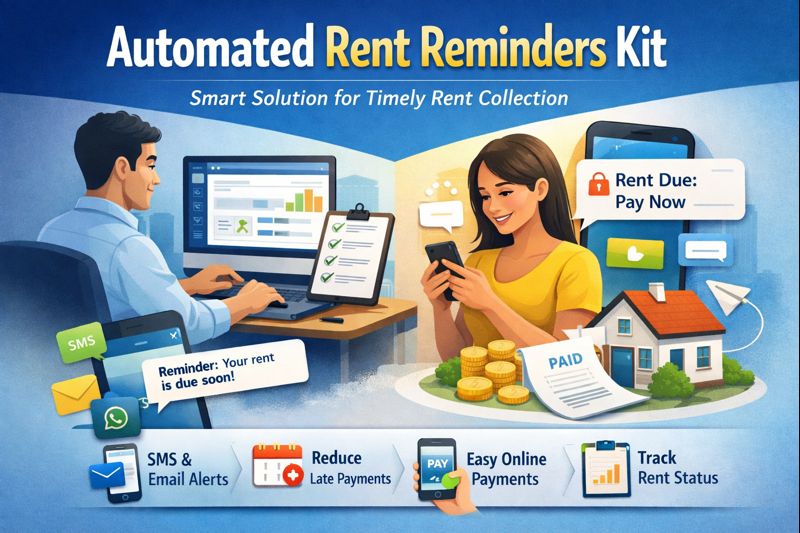
    Send automated reminders, notices, and announcements to tenants via SMS or email, improving communication and reducing disputes.


    Who Can Use an Estate Admin System?

    An estate admin system is suitable for:

    • Estate and property managers

    • Real estate management companies

    • Landlords with multiple units

    • Gated community administrators

    • Apartment and rental property owners

    • Commercial estate managers

    Whether managing a small estate or a large property portfolio, the system scales to meet your needs.


    Benefits of Using an Estate Admin System

    Increased Operational Efficiency

    Automation eliminates repetitive manual tasks and reduces administrative bottlenecks.

    Better Tenant Experience

    Timely billing, clear communication, and transparent records improve tenant satisfaction and retention.

    Data-Driven Decision Making

    Access to real-time analytics and reports enables smarter financial and operational decisions.

    Enhanced Compliance

    Maintain accurate records for audits, tax reporting, and regulatory compliance.

    Secure Data Management

    Modern estate admin systems use secure cloud technology to protect sensitive data.


    Cloud-Based Estate Admin System Advantages

    A cloud-based estate admin system offers additional benefits:

    • Access from anywhere, anytime

    • Automatic software updates

    • Data backups and disaster recovery

    • Multi-user access with role permissions

    This makes it ideal for estate managers who oversee multiple properties or work remotely.


    How to Choose the Right Estate Admin System

    When selecting an estate admin system, consider the following:

    1. Ease of Use – Intuitive interface and minimal training required

    2. Customization – Ability to adapt to your estate’s specific needs

    3. Scalability – Supports growth as your estate expands

    4. Security – Strong data protection and access controls

    5. Support and Training – Reliable customer support and documentation

    Choosing the right system ensures long-term value and efficiency.


    Estate Admin System vs Traditional Estate Management

    Traditional Methods Estate Admin System
    Manual spreadsheets Automated digital platform
    High error risk Accurate, real-time data
    Time-consuming Time-saving automation
    Limited reporting Advanced analytics & reports
    Poor record keeping Centralized secure records

    The difference is clear—digital estate administration delivers superior results.


    Future of Estate Administration

    As property management becomes more data-driven, estate admin systems will continue to evolve with features such as:

    • Mobile access for managers and tenants

      Estate Admin System | Smart Estate Management & Administration Software
      estate admin system
    • AI-powered analytics

    • Integrated payment gateways

    • Smart utility and IoT integration

    Investing in an estate admin system today prepares your estate for the future.


    Conclusion

    An estate admin system is no longer a luxury—it is a necessity for efficient, transparent, and scalable estate management. By automating billing, managing tenants, tracking finances, and generating accurate reports, the system transforms how estates are run.

    If you want to reduce administrative workload, improve financial control, and deliver a better experience for tenants and stakeholders, adopting a reliable estate admin system is the smartest move.

  • Estate Billing Kit | Automated Billing Solution for Estate & Property Management

    Estate Billing Kit | Automated Billing Solution for Estate & Property Management
    estate billing kit

    Estate Billing Kit: The Complete Solution for Accurate Property & Estate Billing

    Managing estate and property billing can be complex, time-consuming, and error-prone—especially when handling multiple tenants, shared utilities, service charges, and recurring payments. An estate billing kit provides a centralized, automated solution that simplifies billing operations for estate managers, landlords, property administrators, and real estate companies.

    In this guide, you’ll learn what an  estate billing kit is,how it works, its core features, benefits, and why it’s essential for modern estate management.


    What Is an Estate Billing Kit?

    An estate billing kit is a digital toolkit or software package designed to automate and manage all billing-related tasks within a residential or commercial estate. It typically includes tools for:

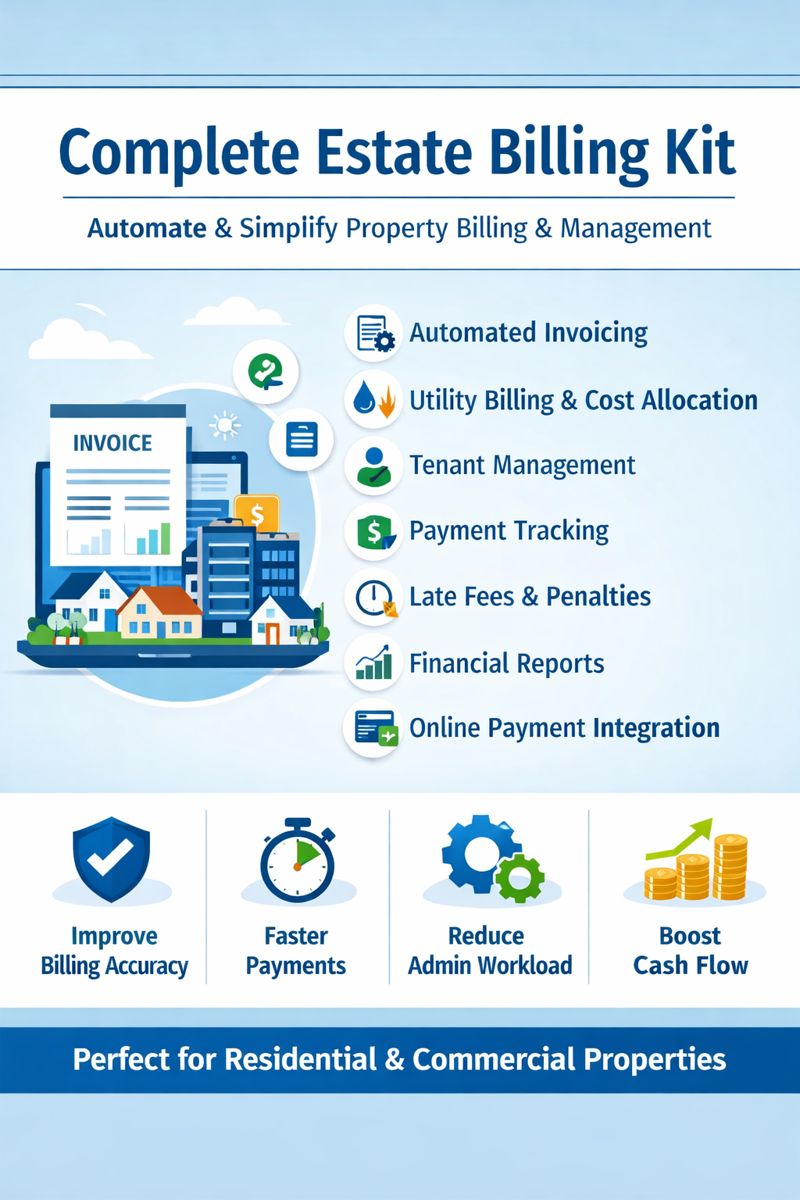
    • Tenant and unit billing

    • Utility cost allocation

    • Service charge management

    • Invoice generation

    • Payment tracking

    • Financial reporting

    Unlike manual spreadsheets or generic accounting tools, an estate billing kit is purpose-built for real estate operations, ensuring accuracy, transparency, and compliance.


    Why Estate Billing Is a Major Challenge

    Estate billing often involves multiple variables, including:

    • Different rent amounts per unit

    • Shared utilities (water, electricity, internet)

    • Maintenance and service charges

    • Late payment penalties

    • Monthly or quarterly billing cycles

    Without a dedicated estate billing kit, property managers risk:

    • Billing errors

    • Revenue leakage

    • Tenant disputes

    • Delayed payments

    • Poor financial visibility

    An automated billing system eliminates these issues by standardizing and streamlining the entire process.


    Core Features of an Estate Billing Kit

    1. Automated Invoice Generation

    An estate billing kit automatically creates accurate invoices based on predefined rules, unit rates, and billing schedules. This removes manual calculations and reduces errors.

    2. Utility Billing & Cost Allocation

    Easily allocate shared utility costs across units using:

    • Meter readings

    • Fixed ratios

    • Usage-based calculations

    This ensures fairness and transparency in estate utility billing.

    3. Tenant & Unit Management

    Store and manage tenant details, lease terms, billing preferences, and unit assignments in one centralized system.

    4. Recurring Billing Schedules

    Set up monthly, quarterly, or custom billing cycles for rent, utilities, and service charges—fully automated.

    5. Payment Tracking & Reconciliation

    Track paid, unpaid, and overdue invoices in real time. Many estate billing kits integrate with payment gateways and bank systems for seamless reconciliation.

    6. Late Fees & Penalty Automation

    Automatically apply late payment penalties according to your estate’s billing policy.

    7. Financial Reports & Statements

    Generate detailed reports including:

    • Income summaries

    • Outstanding balances

    • Tenant payment histories

    • Utility expense reports

    These reports support audits, budgeting, and decision-making.


    Benefits of Using an Estate Billing Kit

    Improved Billing Accuracy

    Automated calculations eliminate human error, ensuring tenants are billed correctly every time.

    Faster Payments & Better Cash Flow

    Clear invoices, automated reminders, and multiple payment options help reduce late payments.

    Time & Cost Savings

    Reduce administrative workload by automating repetitive billing tasks, freeing time for higher-value estate management activities.

    Enhanced Transparency

    Tenants receive detailed, itemized invoices, reducing disputes and increasing trust.

    Scalability

    An estate billing kit grows with your portfolio—whether you manage 10 units or 10,000.


    Who Needs an Estate Billing Kit?

    An estate billing kit is ideal for:

    • Residential estate managers

    • Commercial property administrators

    • Landlords with multi-unit properties

    • Real estate management firms

    • Property developers

    • Housing cooperatives

    Whether managing apartments, gated communities, mixed-use estates, or rental complexes, an estate billing kit ensures professional and efficient billing.


    Estate Billing Kit vs Manual Billing

    Feature Manual Billing Estate Billing Kit
    Invoice Accuracy Error-prone Highly accurate
    Time Efficiency Time-consuming Fully automated
    Reporting Limited Advanced & real-time
    Scalability Poor Excellent
    Tenant Transparency Low High

    The comparison clearly shows why digital billing solutions are now the industry standard.


    Key SEO & Search Benefits for Estate Businesses

    Using an estate billing kit also improves your business operations online by:

    • Supporting digital recordkeeping

    • Enabling faster response to tenant inquiries

    • Improving professionalism and brand credibility

    • Supporting compliance with financial regulations

    This makes it easier to scale your estate business and attract investors or partners.


    How to Choose the Best Estate Billing Kit

    When selecting an estate billing kit, look for:

    • Customizable billing rules

    • Utility billing support

    • Secure data storage

    • User-friendly dashboard

    • Integration with accounting or estate management systems

    • Strong customer support

    A flexible, all-in-one solution delivers the best long-term value.


    The Future of Estate Billing Systems

    Modern estate billing kits are evolving to include:

    • AI-driven billing insights

    • Mobile access for managers and tenants

    • Smart meter integrations

    • Cloud-based scalability

    • Advanced analytics and forecasting

    Investing in an estate billing kit today future-proofs your property management operations.


    Final Thoughts

    An estate billing kit is no longer optional—it’s a critical tool for efficient, transparent, and scalable estate management. By automating billing, improving accuracy, and enhancing tenant satisfaction, it helps estate managers operate professionally and profitably.

    Whether you manage a small residential estate or a large property portfolio, adopting a reliable estate billing kit will transform your billing workflow and financial control.

    Estate Billing Kit for Residential & Commercial Estates

    An advanced estate billing kit adapts seamlessly to both residential and commercial property environments. Whether billing apartment tenants, office occupants, retail units, or mixed-use developments, the system ensures accurate invoicing aligned with lease terms and consumption patterns.

    Residential Estate Use Cases

    • Monthly rent billing

    • Water and electricity cost sharing

    • Garbage collection and security fees

    • Maintenance and sinking fund charges

    Commercial Estate Use Cases

    • Variable lease billing

    • Common area maintenance (CAM) charges

    • Utility sub-meter billing

    • Service-level charge allocation

    This flexibility makes an estate billing kit a universal solution for diverse property portfolios.


    Utility Billing Automation in Estate Billing Kits

    Utility billing is one of the most complex aspects of estate management. A modern estate billing kit simplifies this by automating:

    • Meter reading inputs

    • Unit-based utility distribution

    • Consumption-based billing

    • Shared service cost allocation

    By removing manual calculations, property managers avoid disputes and ensure fairness across all units.

    Supported Utilities

    • Water billing

    • Electricity billing

    • Internet and cable services

    • Waste management fees

    • Backup power (generator) costs


    Tenant Communication & Billing Transparency

    An estate billing kit improves communication between management and tenants by providing:

    • Itemized invoices

    • Clear billing breakdowns

    • Automated billing notifications

    • Downloadable statements

    This transparency reduces billing disputes and increases tenant trust—key factors in long-term occupancy retention.


    Digital Invoicing & Paperless Billing

    Paper-based billing systems are inefficient, costly, and environmentally unfriendly. A digital estate billing kit enables:

    • Email invoice delivery

    • Online tenant portals

    • Mobile-friendly billing access

    • Secure document storage

    Paperless billing improves operational efficiency while aligning with modern sustainability standards.


    Payment Integration & Revenue Tracking

    Many estate billing kits integrate with digital payment systems to enable:

    • Mobile money payments

    • Bank transfers

    • Online payment gateways

    • Automated payment confirmations

    With real-time revenue tracking, estate managers gain instant visibility into:

    • Collected payments

    • Outstanding balances

    • Overdue invoices

    • Revenue trends

    This improves cash flow management and financial forecasting.


    Estate Billing Kit for Multi-Property Portfolios

    Managing multiple estates or properties becomes effortless with a centralized estate billing kit. Features include:

    • Multi-estate dashboards

    • Consolidated financial reporting

    • Cross-property billing controls

    • Portfolio-wide performance insights

    This is especially valuable for property management firms and real estate investment companies.


    Compliance & Financial Accuracy

    An estate billing kit supports financial compliance by maintaining:

    • Accurate transaction records

    • Audit-ready billing histories

    • Secure data storage

    • Consistent billing policies

    This is critical for regulatory reporting, investor transparency, and long-term financial integrity.


    Cost Efficiency & ROI of an Estate Billing Kit

    Implementing an estate billing kit delivers measurable returns by:

    • Reducing administrative staffing costs

    • Minimizing billing errors and revenue loss

    • Improving payment collection rates

    • Enhancing tenant satisfaction

    The return on investment increases as estate size and billing complexity grow.


    Cloud-Based Estate Billing Kits

    Cloud technology has transformed estate billing systems by offering:

    • Anywhere access

    • Automatic updates

    • Secure backups

    • Scalability without infrastructure costs

    A cloud-based estate billing kit ensures uninterrupted operations and business continuity.


    Customization & Scalability

    Every estate has unique billing needs. A flexible estate billing kit allows:

    • Custom billing rules

    • Adjustable fee structures

    • Estate-specific charge categories

    • Policy-based penalties and discounts

    This ensures the system adapts to your estate—not the other way around.


    Estate Billing Kit vs Traditional Accounting Software

    Traditional accounting tools lack estate-specific features such as utility allocation and tenant-level billing. An estate billing kit is purpose-built to address real estate challenges, offering:

    • Unit-based billing logic

    • Tenant-centric invoicing

    • Estate-wide reporting

    • Integrated utility management

    This specialization delivers superior efficiency and accuracy.


    Long-Tail SEO Keywords Naturally Supported

    This content supports high-value long-tail searches such as:

    • estate utility billing software

    • estate invoice management system

    • property billing kit

    • automated estate billing solution

    • estate management billing software

    • landlord billing kit

    • property utility billing system

    These keywords improve organic visibility and conversion potential.


    Final Conclusion

    A professional estate billing kit is essential for modern estate and property management. It automates billing processes, improves financial accuracy, enhances tenant transparency, and scales effortlessly as your portfolio grows.

    For estate managers seeking efficiency, reliability, and long-term profitability, investing in a robust estate billing kit is a strategic decision that delivers immediate and lasting benefits.