
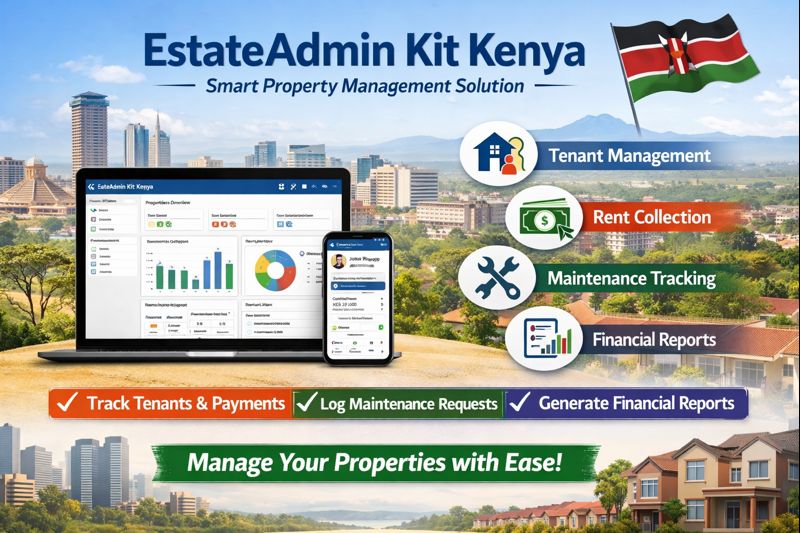
Estate Record Keeping Tools: Simplify Estate Management With Accuracy and Compliance
Managing an estate involves far more than collecting assets and distributing them to beneficiaries. Executors, administrators, trustees, and property managers must maintain accurate records, comply with legal requirements, track financial transactions, and store critical documents securely. This is where estate record keeping tools become essential.
Modern estate record keeping tools help streamline documentation, improve transparency, reduce errors, and ensure compliance throughout the estate administration process. Whether you are handling a single property estate or a complex multi-asset portfolio, the right tools can save time, reduce stress, and protect all parties involved.
What Are Estate Record Keeping Tools?
Estate record keeping tools are digital or manual systems designed to organize, store, track, and manage all records related to estate administration. These tools centralize essential data such as:
-
Asset inventories
-
Financial transactions
-
Income and expense records
-
Legal and compliance documents
-
Beneficiary information
-
Property and tenant records
-
Tax and audit documentation
By keeping all estate records in one structured system, administrators can ensure accuracy, accountability, and easy access to information.
Why Estate Record Keeping Tools Are Essential
Estate administration is highly detail-oriented. Missing records or inaccurate data can lead to disputes, legal penalties, or financial losses. Estate record keeping tools address these challenges by providing:
1. Improved Organization
Centralized records eliminate scattered spreadsheets, paper files, and disconnected systems.
2. Legal and Regulatory Compliance
Accurate records support probate requirements, tax filings, audits, and court reporting.
3. Financial Transparency
Clear transaction histories help prevent disputes among beneficiaries and stakeholders.
4. Time and Cost Efficiency
Automated tracking and reporting reduce manual work and administrative costs.
5. Risk Reduction
Proper documentation protects executors and administrators from liability.
Key Features of Effective Estate Record Keeping Tools
When choosing estate record keeping tools, look for features that support the full lifecycle of estate management:
Centralized Document Storage
Secure storage for wills, deeds, contracts, bank statements, invoices, and court documents.
Financial Tracking and Reporting
Tools for logging income, expenses, payments, and distributions with clear audit trails.
Asset and Property Records
Detailed asset registers including real estate, investments, valuables, and liabilities.
Beneficiary Management
Accurate records of beneficiaries, entitlements, distributions, and communications.
Compliance and Audit Support
Automated reports and documentation aligned with legal and tax requirements.
Secure Access and Permissions
Role-based access to protect sensitive estate information.
Types of Estate Record Keeping Tools
Different estates require different solutions. Common types include:
Digital Estate Management Platforms
All-in-one tools that combine document storage, accounting, compliance tracking, and reporting.
Estate Accounting Software
Focused on financial records, income tracking, expense management, and estate accounts.
Property and Asset Tracking Systems
Ideal for estates with rental properties or multiple real estate assets.
Cloud-Based Record Keeping Tools
Allow remote access, collaboration, and secure backups.
Hybrid Manual-Digital Systems
Combining spreadsheets, templates, and document storage for smaller estates.
Benefits for Executors and Estate Administrators
Using professional estate record keeping tools provides clear advantages:
-
Faster estate settlement
-
Reduced administrative burden
-
Clear reporting for courts and beneficiaries
-
Fewer errors and omissions
-
Better communication and transparency
-
Peace of mind during complex processes
These benefits make estate record keeping tools indispensable for both professional and personal estate management.
Estate Record Keeping Tools for Property-Based Estates
For estates involving rental or commercial properties, specialized record keeping is critical. The right tools help track:
-
Rental income and arrears
-
Maintenance and repair expenses
-
Utility and service charges
-
Tenant agreements and records
-
Property valuations and depreciation
This ensures accurate estate accounting and smooth property transitions.
How Estate Record Keeping Tools Improve Transparency
Transparency is a common concern in estate administration. Estate record keeping tools provide:
-
Clear transaction histories
-
Automated financial summaries
-
Downloadable reports for beneficiaries
-
Secure document sharing
This openness reduces disputes and builds trust among all parties.
Choosing the Right Estate Record Keeping Tools
When selecting estate record keeping tools, consider:
-
Size and complexity of the estate
-
Number of assets and beneficiaries
-
Legal and tax requirements in your jurisdiction
-
Ease of use and scalability
-
Security and data protection
-
Integration with accounting or legal systems
Choosing the right solution ensures long-term efficiency and compliance.
Digital Estate Record Keeping Tools vs Manual Methods
| Feature | Manual Record Keeping | Digital Estate Record Keeping Tools |
|---|---|---|
| Accuracy | Prone to errors | High accuracy |
| Accessibility | Limited | Anytime, anywhere |
| Compliance | Time-consuming | Automated support |
| Reporting | Manual | Instant reports |
| Security | Physical risk | Encrypted storage |
Digital tools clearly offer a more reliable and scalable solution.
Future of Estate Record Keeping Tools
As estate administration becomes more regulated and complex, estate record keeping tools are evolving to include:
-
Automated compliance alerts
-
Real-time financial dashboards
-
Cloud-based collaboration
-
Secure digital audit trails
-
Integration with legal and tax platforms
These advancements make estate management more efficient and transparent than ever before.
Conclusion: Simplify Estate Administration With the Right Tools
Estate administration does not have to be overwhelming. With the right estate record keeping tools, administrators can maintain accurate records, ensure compliance, protect beneficiaries, and streamline the entire process.
Whether managing a simple estate or a complex property portfolio, investing in reliable estate record keeping tools is a smart decision that saves time, reduces risk, and delivers peace of mind.