
Web-Based Estate Administration Software: The Complete Guide to Modern Property Management
Estate and property management has evolved rapidly in the digital age. Managing tenants, leases, finances, maintenance, and compliance manually or with outdated desktop tools often leads to inefficiencies, errors, and unnecessary costs. Web-based estate administration software offers a powerful, cloud-driven alternative that enables estate managers, landlords, and property owners to manage their portfolios efficiently from anywhere.
This comprehensive guide explores what web-based estate administration software is, how it works, its features, benefits, use cases, and how to choose the best solution for your estate management needs.
What Is Web-Based Estate Administration Software?
Web-based estate administration software is an online property management system hosted on the cloud and accessed through a web browser. It centralizes all estate management activities—such as tenant records, rent billing, accounting, maintenance, and compliance—into a single digital platform.
Unlike traditional desktop software, web-based solutions:
-
Do not require installation on individual computers
-
Automatically update without manual intervention
-
Allow multi-user access with role-based permissions
-
Provide real-time data synchronization across devices
This makes web-based estate administration software ideal for managing both small and large property portfolios efficiently.
Why Estate Management Is Moving to the Cloud
Increasing Portfolio Complexity
Modern estates often involve multiple properties, mixed-use developments, varying lease terms, and multiple stakeholders. Manual systems struggle to scale with this complexity.
Demand for Remote Access
Property managers, landlords, and accountants need secure access to estate data whether they are in the office, on-site, or working remotely.
Compliance and Transparency Requirements
Governments and property regulators increasingly require accurate records, audit trails, and timely reporting—all easier to achieve with web-based software.
Cost and Efficiency Pressures
Cloud solutions reduce administrative costs, eliminate redundant tasks, and minimize costly errors.
Core Features of Web-Based Estate Administration Software
1. Property and Unit Management
Web-based estate administration software provides structured dashboards to manage:
-
Multiple estates and buildings
-
Individual units and occupancy status
-
Rent rates and unit categories
-
Ownership and asset details
This centralized overview allows estate managers to monitor portfolio performance at a glance.
2. Tenant and Lease Management
Tenant management is one of the most critical aspects of estate administration. Web-based platforms allow you to:
-
Store tenant profiles securely
-
Upload lease agreements and legal documents
-
Track lease start and end dates
-
Automate lease renewal reminders
-
Maintain tenant communication records
This ensures accuracy, transparency, and compliance throughout the tenancy lifecycle.
3. Rent, Utility, and Service Billing
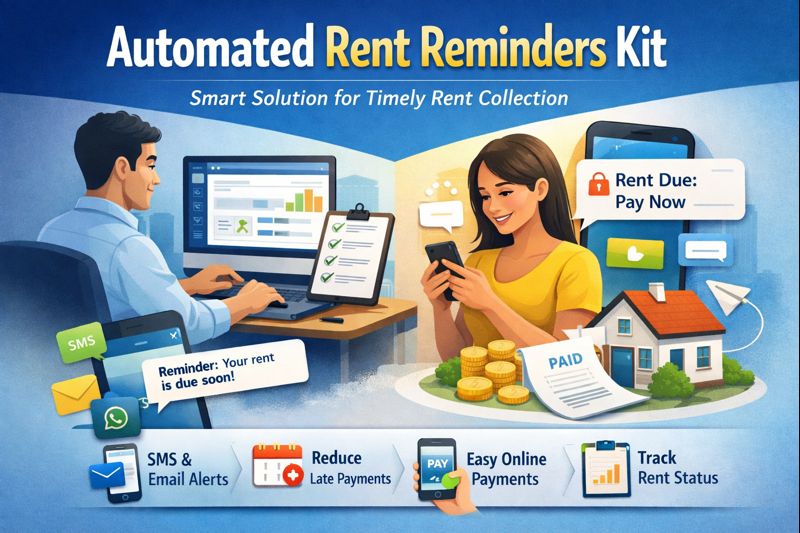
With automated billing features, web-based estate administration software simplifies revenue collection by:
-
Generating recurring rent invoices
-
Managing utility and service charges
-
Applying penalties for late payments
-
Supporting multiple billing cycles
-
Integrating online payment options
Digital billing reduces disputes and improves cash flow predictability.
4. Financial Management and Accounting
Financial clarity is essential for estate owners and managers. Web-based software provides:
-
Real-time income and expense tracking
-
Cash flow monitoring
-
Automated ledger entries
-
Tax-ready financial records
-
Custom financial reports
These features help stakeholders make informed decisions and maintain financial accountability.
5. Maintenance and Work Order Management
Property maintenance directly impacts tenant satisfaction and asset value. Web-based estate administration software allows:
-
Tenants to submit maintenance requests online
-
Managers to assign tasks to technicians
-
Tracking of work order status and costs
-
Maintenance history for each unit or asset
This structured approach improves response times and reduces operational friction.
6. Compliance and Document Management
Estate management involves extensive documentation, including:
-
Regulatory compliance records
-
Inspection reports
-
Insurance documents
-
Ownership and legal files
Web-based platforms securely store these documents, provide version control, and enable quick retrieval during audits or inspections.
7. Reporting and Analytics
Advanced reporting tools transform estate data into actionable insights. Users can generate:
-
Occupancy and vacancy reports
-
Rent collection summaries
-
Expense breakdowns
-
Maintenance performance reports
-
Portfolio growth analytics
Data-driven insights support better planning and long-term strategy.
Key Benefits of Web-Based Estate Administration Software
Improved Efficiency
Automation reduces repetitive tasks such as manual billing, data entry, and report generation.
Enhanced Transparency
Real-time access to financial and operational data improves trust among landlords, tenants, and stakeholders.
Reduced Errors
Automated calculations and centralized records minimize human errors and inconsistencies.
Scalability
Web-based solutions grow with your estate portfolio, supporting additional properties without major infrastructure changes.
Secure Data Storage
Cloud platforms provide encryption, backups, and controlled user access to protect sensitive estate information.
Who Can Benefit from Web-Based Estate Administration Software?
Estate and Property Managers
Manage multiple properties efficiently from a single platform.
Landlords
Track rent, expenses, and tenant details without relying on spreadsheets.
Real Estate Agencies
Coordinate property listings, leases, and client records in one system.
Housing Associations and Cooperatives
Ensure compliance, transparency, and accurate reporting.
Commercial Property Owners
Monitor performance, leases, and maintenance for office, retail, or industrial properties.
Web-Based vs Traditional Estate Management Systems
| Feature | Web-Based Software | Traditional Systems |
|---|---|---|
| Access | Online, anywhere | Location-restricted |
| Updates | Automatic | Manual |
| Collaboration | Real-time | Limited |
| Scalability | High | Low |
| Security | Cloud-level encryption | Local storage risks |
| Cost Efficiency | Subscription-based | High upfront costs |
Security and Data Protection in Web-Based Estate Software
Modern web-based estate administration software includes:
-
Secure login and role-based access
-
Encrypted data storage and transmission
-
Automated backups and disaster recovery
-
Audit trails for accountability
These measures ensure compliance with data protection standards and safeguard estate records.
How to Choose the Best Web-Based Estate Administration Software
When evaluating solutions, consider the following criteria:
Usability
The interface should be intuitive for managers, accountants, and support staff.
Customization
The software should adapt to different estate types, billing structures, and workflows.
Integration
Look for compatibility with accounting tools, payment gateways, and reporting systems.
Support and Training
Reliable customer support and onboarding resources are essential for smooth adoption.
Pricing and Scalability
Choose a solution that fits your current needs while allowing future growth.
Implementation Best Practices
To maximize value:
-
Digitize existing estate records before migration
-
Define user roles and access levels
-
Train staff and stakeholders thoroughly
-
Start with core features and expand gradually
-
Monitor performance and adjust workflows
A structured implementation ensures smooth transition and long-term success.
The Future of Estate Management Technology
As real estate operations become more data-driven, web-based estate administration software will continue to evolve with:
-
AI-powered analytics
-
Predictive maintenance tools
-
Smart integrations with IoT devices
-
Advanced tenant self-service portals
Early adoption positions estate managers for sustained competitive advantage.
Final Thoughts
web-based estate administration software is redefining how estates are managed in the digital era. By centralizing data, automating processes, and providing real-time insights, it empowers estate managers and landlords to operate more efficiently, transparently, and profitably.
Whether managing a residential estate, commercial property, or mixed-use portfolio, investing in web-based estate administration software is a strategic move toward smarter, scalable, and future-ready property management.