Blog

  • Tools to Manage Tenants and Leases | Smart Property Management Solutions

    Tools to Manage Tenants and Leases | Smart Property Management Solutions
    Tools to Manage Tenants and Leases

    Tools to Manage Tenants and Leases: A Complete Guide for Modern Property Management

    Managing tenants and leases efficiently is one of the biggest challenges faced by landlords, property managers, and real estate companies today. Without the right systems in place, tracking tenant details, lease agreements, rent payments, and compliance deadlines can quickly become overwhelming. This is where tools to manage tenants and leases play a crucial role.

    Modern tenant and lease management tools help streamline operations, reduce errors, and improve communication between landlords and tenants. Whether you manage a single rental unit or a large real estate portfolio, adopting the right tools can significantly improve efficiency, transparency, and profitability.


    What Are Tools to Manage Tenants and Leases?

    Tools to manage tenants and leases are digital solutions—usually software platforms or systems—designed to help property owners and managers handle all tenant-related and lease-related tasks from one centralized location. These tools replace manual record-keeping, spreadsheets, and paper-based processes with automated and secure systems.

    They are commonly used to manage:

    • Tenant records and profiles

    • Lease agreements and renewals

    • Rent collection and payment tracking

    • Property occupancy and unit status

    • Communication and notifications

    • Legal compliance and documentation


    Why Tools to Manage Tenants and Leases Are Essential

    As rental markets become more competitive and regulated, relying on manual methods increases the risk of missed payments, expired leases, and disputes. Here are key reasons why tenant and lease management tools are essential:

    1. Improved Organization

    All tenant information, lease documents, and payment histories are stored in one place, making it easy to access accurate data anytime.

    2. Time and Cost Efficiency

    Automation reduces repetitive tasks such as rent reminders, lease renewals, and report generation, saving time and operational costs.

    3. Better Tenant Experience

    Clear communication, timely notifications, and digital payment options improve tenant satisfaction and retention.

    4. Legal and Compliance Support

    Tools help track lease expiry dates, security deposits, and compliance requirements, reducing legal risks.

    5. Scalable Property Management

    Whether managing 5 or 500 units, the right tools grow with your property portfolio.


    Key Features of Tools to Manage Tenants and Leases

    When choosing the best tools to manage tenants and leases, look for the following essential features:

    Tenant Management

    • Centralized tenant profiles

    • Contact details and identification records

    • Move-in and move-out tracking

    • Tenant history and occupancy status

    Lease Management

    • Digital lease creation and storage

    • Lease start and end date tracking

    • Automated renewal alerts

    • Rent escalation and clause tracking

    Rent and Payment Tracking

    • Online rent collection

    • Automated payment reminders

    • Arrears and late fee management

    • Payment history reports

    Communication Tools

    • Bulk SMS or email notifications

    • Maintenance and notice alerts

    • Tenant communication logs

    Reporting and Analytics

    • Lease status reports

    • Tenant occupancy reports

    • Rent collection summaries

    • Financial and performance insights


    Benefits of Using Digital Tools to Manage Tenants and Leases

    Reduced Errors

    Automated calculations and data validation reduce human errors common in manual record-keeping.

    Increased Transparency

    Clear records of leases, payments, and communications help build trust between landlords and tenants.

    Faster Decision-Making

    Real-time reports and dashboards allow property managers to make informed decisions quickly.

    Enhanced Security

    Digital tools offer secure data storage, access controls, and backups, protecting sensitive tenant information.


    Who Should Use Tools to Manage Tenants and Leases?

    These tools are ideal for:

    • Individual landlords

    • Property management companies

    • Real estate agents

    • Housing associations

    • Commercial property managers

    • Student housing and serviced apartment providers

    Whether you manage residential or commercial properties, tenant and lease management tools simplify day-to-day operations.


    Choosing the Right Tools to Manage Tenants and Leases

    When selecting a tenant and lease management tool, consider:

    • Ease of use and setup

    • Local market suitability and compliance

    • Mobile and cloud accessibility

    • Integration with rent collection systems

    • Customer support and scalability

    A good tool should adapt to your property management workflow rather than complicate it.


    The Future of Tenant and Lease Management

    With the rise of smart property management, tools to manage tenants and leases are becoming more advanced. Features such as mobile apps, automated compliance checks, digital signatures, and AI-powered insights are transforming how landlords and property managers operate.

    Investing in the right tools today prepares you for future growth, regulatory changes, and evolving tenant expectations.


    Conclusion

    Using reliable tools to manage tenants and leases is no longer optional—it is essential for efficient, professional, and scalable property management. These tools help organize tenant data, automate lease tracking, improve rent collection, and enhance communication, all while reducing risk and saving time.

    Whether you are a small landlord or a large property manager, adopting the right tenant and lease management tools will improve efficiency, increase transparency, and support long-term success in real estate management.

  • Estate Management Software Kit | Streamline Your Property Operations

    Estate Management Software Kit: Streamline Your Property Operations

    In today’s fast-paced property market, effective estate management is no longer optional—it’s essential. Landlords, property managers, and real estate investors face multiple challenges: tracking rental payments, managing tenant records, handling maintenance requests, and generating financial reports. This is where an estate management software kit becomes a game-changer.

    What is an Estate Management Software Kit?

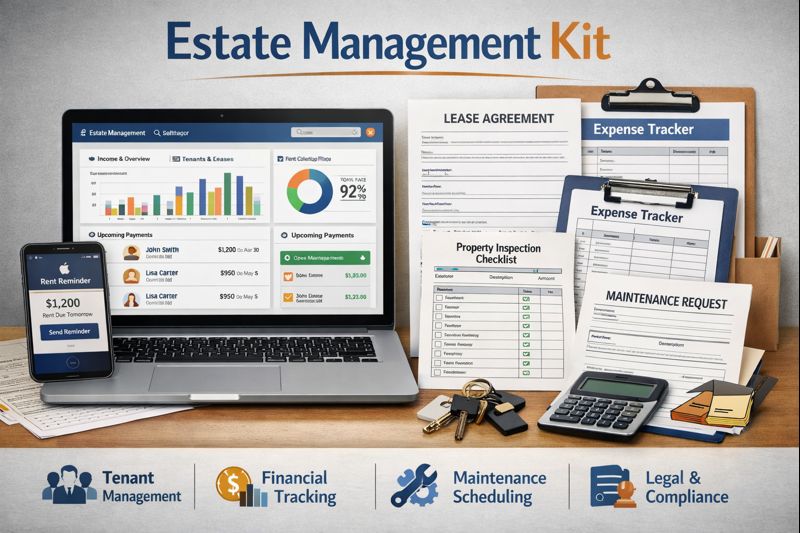
    An estate management software kit is a comprehensive digital solution designed to simplify and automate property management tasks. It combines tools for tenant management, financial tracking, maintenance scheduling, and reporting into a single platform. Whether you manage a small apartment complex or multiple estates, this software kit allows you to centralize your operations, reduce human error, and save time.

    Key Features of Estate Management Software Kits

    A robust estate management software kit typically includes the following features:

    1. Tenant Records Management
      Keep all tenant information organized in one place. Track lease agreements, contact details, payment history, and communication logs. This ensures quick access to critical information and helps resolve disputes efficiently.

    2. Online Rent Collection
      Collect rent digitally and automate reminders for late payments. Online payment integration reduces manual processing and ensures timely cash flow for landlords.

    3. Maintenance Management
      Schedule and track maintenance requests easily. Assign tasks to vendors or in-house teams, monitor progress, and maintain a record of completed repairs.

    4. Financial Reporting
      Generate detailed financial reports, including income statements, expense summaries, and tax-ready documents. These reports help property managers make data-driven decisions and maintain transparency with stakeholders.

    5. Lease Management
      Automate lease renewals, track expiry dates, and send alerts to tenants before leases end. This minimizes vacancies and ensures smooth lease transitions.

    6. Document Storage
      Store all critical documents digitally, such as contracts, receipts, and compliance certificates. Cloud-based storage provides secure access from anywhere at any time.

    Benefits of Using an Estate Management Software Kit

    Implementing an estate management software kit offers multiple advantages:

    • Time Efficiency: Automate repetitive tasks like rent collection and reminders.

    • Cost Reduction: Minimize human errors and reduce the need for manual administrative work.

    • Improved Tenant Relations: Quick response to tenant requests enhances satisfaction and retention.

    • Data Security: Cloud-based storage ensures that sensitive information is secure and backed up.

    • Scalability: Manage multiple properties from a single dashboard, perfect for growing portfolios.

    Who Can Benefit from an Estate Management Software Kit?

    An estate management software kit is not just for large real estate companies. Its versatility makes it valuable for:

    • Individual landlords managing a few rental units

    • Property management firms handling multiple estates

    • Real estate investors with mixed-use properties

    • Housing cooperatives and residential societies

    No matter the scale of operations, this software kit centralizes property management processes, allowing users to focus on growth and tenant satisfaction.

    How to Choose the Right Estate Management Software Kit

    Choosing the best estate management software kit requires careful consideration. Here’s what to look for:

    1. User-Friendly Interface
      A simple and intuitive interface ensures that even users with minimal technical knowledge can operate the software efficiently.

    2. Customizable Modules
      Look for software that allows you to customize features based on your estate’s unique needs.

    3. Integration Capabilities
      Ensure the software integrates with accounting tools, payment gateways, and communication platforms.

    4. Reliable Customer Support
      Access to responsive support is critical to troubleshoot issues and maximize the software’s potential.

    5. Security Features
      Strong encryption and secure login protocols protect sensitive data from unauthorized access.

    6. Cost-Effectiveness
      Compare pricing plans and features to ensure you get the best value without compromising essential functions.

    Real-Life Use Case: Estate Management Made Simple

    Consider a mid-sized residential estate with 150 units. Before implementing an estate management software kit, the property manager struggled with:

    • Tracking rent payments manually

    • Resolving maintenance requests slowly

    • Managing leases with spreadsheets

    After adopting a software kit, the estate experienced:

    • 95% on-time rent collection

    • Faster maintenance response times

    • Streamlined lease renewals and digital document storage

    This real-world example demonstrates how an estate management software kit can transform operations, boost efficiency, and improve tenant satisfaction.

    SEO Benefits for Property Management Websites

    For real estate companies, using an estate management software kit also improves online visibility. Publishing content around this keyword can attract:

    • Landlords searching for management solutions

    • Property managers looking to optimize operations

    • Investors seeking reliable estate management tools

    Including related keywords such as “rental property software,” “tenant management system,” and “lease management solution” strengthens SEO, helping your website rank higher on search engines.

    Tips for Maximizing Your Estate Management Software Kit

    1. Regularly Update Tenant Records: Keep information current to avoid billing errors.

    2. Automate Reminders: Set automatic notifications for rent due dates, maintenance checks, and lease expirations.

    3. Monitor Analytics: Use built-in reporting tools to track property performance and occupancy rates.

    4. Train Staff: Ensure that your team understands how to use all features efficiently.

    5. Leverage Cloud Access: Manage your estates remotely, especially useful for multi-property operations.

    Future of Estate Management Software Kits

    With advancements in AI, mobile technology, and cloud computing, estate management software kits are becoming smarter and more efficient. Features like predictive maintenance, AI-powered tenant analytics, and real-time dashboards are set to redefine property management.

    Investing in a modern estate management software kit not only improves operational efficiency but also positions your property portfolio for long-term growth.


    Conclusion

    An estate management software kit is more than just a tool—it’s a comprehensive solution for modern property management. From automating rent collection and lease management to improving tenant satisfaction and financial transparency, this software kit empowers landlords and property managers to run their estates efficiently.

    For anyone managing rental properties, adopting the right estate management software kit is no longer optional—it’s essential for staying competitive and organized in today’s real estate market.

  • Real Estate Management Kit – Streamline Property Management & Maximize Profit

    Real Estate Management Kit – Streamline Property Management & Maximize Profit
    Real estate management kit

    Real Estate Management Kit: The Ultimate Solution for Efficient Property Management

    Managing real estate properties is no small task. Whether you are a landlord with a single property or a property manager overseeing multiple estates, the complexity of tenant management, rent collection, maintenance, and financial tracking can be overwhelming. In today’s digital age, relying on spreadsheets or manual processes is inefficient and prone to errors. That’s where a Real estate management kit comes in—a comprehensive toolkit designed to streamline property management, save time, and maximize profitability.

    A real estate management kit is an integrated system that brings together software, tools, and resources to manage all aspects of property ownership. From tenant onboarding to automated financial reporting, these kits help property managers maintain organization, reduce errors, and improve tenant satisfaction.


    What is a Real Estate Management Kit?

    A real estate management kit is more than just software. It is a complete solution that includes digital tools, templates, and resources designed to make property management efficient and effective. The kit may include:

    • Property management software

    • Tenant onboarding tools

    • Maintenance scheduling systems

    • Financial tracking and reporting solutions

    • Marketing and lead management features

    By centralizing all property management tasks into one system, a real estate management kit eliminates redundancy, ensures compliance with laws, and helps managers make informed decisions.


    Key Features of a Real Estate Management Kit

    When looking for the perfect real estate management kit, it’s essential to understand the features that make these kits effective:

    1. Property Management Software

    At the core of any kit is software that provides a centralized platform to manage all your properties. Key functionalities include:

    • Tenant Database: Store tenant information, lease agreements, and payment history securely.

    • Lease Management: Track lease start and end dates, renewals, and compliance requirements.

    • Automated Rent Collection: Enable tenants to pay online and automatically generate invoices and receipts.

    • Financial Reporting: Generate detailed reports on income, expenses, and cash flow.

    2. Tenant Management Tools

    Happy tenants mean smooth operations. Features include:

    • Digital tenant applications

    • Background and credit checks

    • Electronic lease signing

    • Communication logs for tenant inquiries and complaints

    These tools reduce manual paperwork and ensure a professional, organized tenant management process.

    3. Maintenance and Service Management

    Proper maintenance protects your property value and keeps tenants satisfied. Kits typically include:

    • Scheduling routine and emergency maintenance tasks

    • Assigning work orders to contractors or in-house staff

    • Tracking maintenance history and costs

    • Sending notifications for preventive maintenance

    4. Financial Management and Accounting

    Accurate financial tracking is vital for profitability. The kit may include:

    • Rent roll reports and income statements

    • Expense tracking and automated reminders for overdue rent

    • Integration with accounting tools like QuickBooks

    • Budgeting and cash flow forecasting

    5. Marketing and Lead Management

    Some kits also help grow your business by attracting new tenants:

    • Property listing management on multiple platforms

    • Tracking tenant inquiries and applications

    • Automated marketing campaigns via email or SMS

    • Analytics for occupancy rates and lead conversion


    Benefits of a Real Estate Management Kit

    Implementing a real estate management kit comes with numerous advantages:

    1. Saves Time and Increases Efficiency

    Managing properties manually is time-consuming. Automated tools handle repetitive tasks like rent reminders, lease tracking, and reporting, allowing property managers to focus on growth and tenant satisfaction.

    2. Accurate and Organized Record-Keeping

    A centralized system ensures all tenant information, property documents, and financial records are stored securely in one place. This reduces errors, avoids lost files, and simplifies audits or legal compliance.

    3. Improves Tenant Experience

    Tenants enjoy a seamless experience when they can pay rent online, submit maintenance requests, and receive timely updates—all facilitated by a robust real estate management kit.

    4. Enhances Financial Control

    Automated financial reports, expense tracking, and rent roll management provide insights into profitability and help managers make informed business decisions.

    5. Scalable Solution

    Whether managing one property or hundreds, a real estate management kit grows with your business, offering the flexibility to handle more tenants, properties, and financial transactions without additional administrative burden.


    How to Choose the Right Real Estate Management Kit

    Choosing the right real estate management kit requires careful consideration of your needs and the kit’s capabilities.

    1. Ease of Use

    The software should be intuitive and user-friendly. A complicated system can slow operations instead of improving them.

    2. Customization Options

    Every property is unique. Look for a kit that allows customization of lease templates, reports, tenant communication, and maintenance schedules.

    3. Integration Capabilities

    Ensure the kit integrates with existing accounting software, payment gateways, or property listing platforms. Integration reduces errors and allows seamless operations.

    4. Customer Support and Training

    Reliable customer support and training resources are critical. A good vendor provides onboarding assistance, tutorials, and ongoing support.

    5. Cost vs. Value

    Compare pricing with the features offered. A higher upfront cost may be worth it if it significantly improves efficiency, reduces errors, and enhances tenant satisfaction.


    Real-World Applications of a Real Estate Management Kit

    To illustrate the value, here are some scenarios where a real estate management kit transforms operations:

    Scenario 1: Multi-Unit Apartment Management

    A property manager overseeing 50+ units uses the kit to automate rent collection, track maintenance requests, and manage leases. The result is fewer missed payments, faster maintenance turnaround, and happier tenants.

    Scenario 2: Vacation Rentals

    A landlord managing multiple short-term rentals uses the kit to coordinate bookings, send automated check-in instructions, and generate financial reports for each property. This reduces workload while increasing occupancy and profitability.

    Scenario 3: Commercial Properties

    Commercial property owners can track tenant contracts, schedule building maintenance, and manage utility expenses, ensuring professional operations and tenant retention.


    Top Tips for Maximizing the Use of a Real Estate Management Kit

    1. Centralize All Information
      Input all tenant, property, and financial data into the system. The more complete your data, the more powerful the kit becomes.

    2. Automate Repetitive Tasks
      Set up automated rent reminders, lease renewal alerts, and maintenance notifications to save time and reduce errors.

    3. Leverage Reporting Tools
      Use analytics to track occupancy rates, overdue payments, and maintenance costs. Insightful reports guide better decision-making.

    4. Regularly Update Your Records
      Keep tenant information, lease details, and financial data current to ensure accuracy and compliance.

    5. Train Your Team
      Ensure all staff members understand how to use the kit effectively. A well-trained team maximizes efficiency and reduces mistakes.


    Why Every Property Manager Needs a Real Estate Management Kit

    In a competitive real estate market, efficiency and professionalism are essential. A real estate management kit allows property managers to:

    • Streamline operations

    • Reduce administrative workload

    • Enhance tenant satisfaction

    • Make data-driven financial decisions

    • Scale operations without adding more staff

    Investing in the right kit is no longer optional—it’s a strategic move to stay competitive and profitable.


    Conclusion

    A real estate management kit is a game-changer for landlords and property managers. By centralizing operations, automating routine tasks, and providing insightful reporting, it transforms property management from a tedious chore into a streamlined, efficient, and professional process.

    Whether you manage residential, commercial, or short-term rental properties, adopting a real estate management kit will save time, improve tenant relations, and increase profitability. Take the step today to modernize your property management approach and experience the benefits of a fully integrated system.

  • EstateAdmin Software Kit – Streamline Your Estate Management Today

    EstateAdmin Software Kit – Streamline Your Estate Management Today
    EstateAdmin software kit

    EstateAdmin Software Kit: The Ultimate Solution for Modern Estate Management

    Managing an estate can be complex and time-consuming, especially when dealing with multiple properties, tenants, finances, and maintenance schedules. That’s where the EstateAdmin software kit comes in—a comprehensive, all-in-one solution designed to streamline estate management and improve operational efficiency. Whether you are a property manager, landlord, or estate administrator, this software kit equips you with the tools to handle every aspect of estate management seamlessly.

    What is the EstateAdmin Software Kit?

    The EstateAdmin software kit is a digital property management solution that integrates advanced features for managing estates efficiently. It is designed to replace manual systems, spreadsheets, and disjointed tools with a unified platform. From tenant management and lease tracking to financial reporting and maintenance requests, this software kit simplifies day-to-day estate operations.

    Unlike basic property management tools, EstateAdmin is tailored for estates of all sizes—from small residential complexes to large commercial properties. Its modular design allows users to choose the features they need while maintaining flexibility for future expansion.

    Key Features of EstateAdmin Software Kit

    1. Tenant Management
      One of the core functionalities of the EstateAdmin software kit is tenant management. You can easily store tenant information, track lease agreements, and monitor rent payments. The software allows you to send automated reminders for rent due dates, reducing the risk of late payments and improving cash flow.

    2. Lease and Rental Management
      Managing leases manually can be prone to errors. EstateAdmin simplifies lease management by enabling digital lease creation, renewal notifications, and lease expiry tracking. You can also generate customized rental agreements that comply with local regulations, ensuring your estate remains legally compliant.

    3. Financial Management
      Accurate financial tracking is crucial for any estate. The software kit provides tools for income and expense tracking, automated invoicing, and real-time financial reporting. Users can generate profit and loss statements, balance sheets, and cash flow reports with just a few clicks.

    4. Maintenance and Work Order Tracking
      The EstateAdmin software kit allows administrators to manage maintenance requests efficiently. Tenants can submit work orders online, and estate managers can assign tasks to maintenance staff, track progress, and ensure timely completion. This feature enhances tenant satisfaction and reduces operational delays.

    5. Document Management
      Keep all essential estate documents—such as lease agreements, insurance papers, and legal notices—securely in one place. The software kit provides a cloud-based document repository with access controls, ensuring that sensitive information is protected.

    6. Reporting and Analytics
      Data-driven decisions are easier with EstateAdmin’s analytics capabilities. The software generates detailed reports on rental income, occupancy rates, maintenance costs, and tenant behavior, giving estate managers insights that help optimize performance and profitability.

    7. User-Friendly Interface
      EstateAdmin is designed for ease of use. Its intuitive dashboard allows users to navigate through modules effortlessly. Even administrators with minimal technical skills can adopt the software without a steep learning curve.

    Benefits of Using the EstateAdmin Software Kit

    Investing in the EstateAdmin software kit brings numerous advantages to estate managers and property owners:

    1. Increased Efficiency

    By centralizing all estate operations, the software eliminates time-consuming manual processes. Automated reminders, digital record-keeping, and streamlined workflows save hours of administrative work each week.

    2. Improved Accuracy

    Manual property management is prone to errors—misplaced documents, incorrect calculations, or missed payments can cause financial loss. EstateAdmin ensures accurate record-keeping, error-free calculations, and compliance with estate management standards.

    3. Enhanced Tenant Satisfaction

    Tenants appreciate timely communication, quick maintenance responses, and transparent billing. The software enables efficient tenant interaction, fostering positive relationships and reducing tenant turnover.

    4. Cost Savings

    By optimizing workflows and reducing administrative overhead, the EstateAdmin software kit helps estates cut operational costs. Automated systems also reduce the need for additional staff, allowing resources to be allocated more strategically.

    5. Scalability

    Whether managing a single property or a multi-estate portfolio, EstateAdmin grows with your business. Its modular system allows you to add features as your estate management needs expand.

    Who Should Use EstateAdmin Software Kit?

    The EstateAdmin software kit is suitable for:

    • Estate Managers who need to manage multiple tenants, properties, and financial records efficiently.

    • Property Owners looking for a centralized platform to track rental income, expenses, and lease agreements.

    • Real Estate Agencies that want to offer enhanced management services to clients.

    • Commercial Estate Administrators managing office complexes, shopping centers, or industrial parks.

    • Residential Property Managers overseeing apartments, gated communities, and condominium complexes.

    In essence, anyone responsible for property administration can benefit from the software’s comprehensive functionality.

    How EstateAdmin Software Kit Enhances Rental Management

    Rental management is one of the most critical aspects of estate administration. With the EstateAdmin software kit, landlords and estate managers can:

    • Track rental payments in real time.

    • Generate and send invoices automatically.

    • Manage tenant contracts and lease renewals digitally.

    • Reduce arrears through automated reminders.

    • Analyze rental trends for better financial planning.

    These features not only improve efficiency but also ensure that property owners maximize rental income while maintaining tenant satisfaction.

    Security and Data Privacy

    EstateAdmin takes data security seriously. The software employs advanced encryption to protect sensitive tenant and financial information. Role-based access ensures that only authorized personnel can view or modify critical data. Additionally, cloud backup options prevent data loss, giving estate managers peace of mind.

    Integration Capabilities

    Modern estate management often requires multiple software tools. The EstateAdmin software kit integrates seamlessly with other platforms such as accounting software, payment gateways, and communication tools. This interoperability ensures that you can maintain a smooth workflow without switching between multiple applications.

    Mobile Accessibility

    Estate management is no longer confined to office spaces. With EstateAdmin’s mobile accessibility, managers can:

    • Approve maintenance requests on the go.

    • Access tenant and financial records remotely.

    • Send notifications and alerts to tenants instantly.

    • Monitor estate performance in real time.

    Mobile functionality ensures that you remain in control, even when away from the office.

    Customer Support and Training

    A software kit is only as good as the support behind it. EstateAdmin offers comprehensive customer support and training programs. Users receive step-by-step guidance during setup, ongoing technical assistance, and access to a resource library for self-learning. This ensures smooth adoption and minimizes downtime.

    Why Choose EstateAdmin Over Other Property Management Tools?

    While many property management solutions exist, the EstateAdmin software kit stands out because of its:

    • All-in-One Functionality: Combines tenant, lease, financial, and maintenance management in one platform.

    • Customizability: Features can be tailored to match your estate’s unique needs.

    • Ease of Use: Designed for users of all technical skill levels.

    • Affordability: Provides enterprise-level tools at a cost-effective price point.

    • Reliability: Cloud-based with regular updates and high security standards.

    These qualities make EstateAdmin a preferred choice for professional estate managers and property owners alike.

    Getting Started with EstateAdmin Software Kit

    Starting with EstateAdmin is simple:

    1. Sign Up and Choose a Plan: Select a plan that suits the size and complexity of your estate.

    2. Set Up Properties and Tenants: Input property details, tenant information, and lease contracts.

    3. Customize Features: Activate the modules you need—financial, maintenance, reporting, or all-in-one.

    4. Train Your Team: Utilize training resources to onboard staff and administrators.

    5. Start Managing: Begin using the dashboard to manage leases, track rent, and oversee estate operations efficiently.

    Testimonials

    Many users have reported significant improvements in estate management efficiency after adopting EstateAdmin:

    • EstateAdmin has transformed how we manage our residential complex. Rent tracking and maintenance requests are now automated, saving us hours every week.” – James K., Property Manager

    • “The software kit is intuitive and comprehensive. It has helped us streamline our processes and improve tenant satisfaction.” – Mary W., Estate Administrator

    • “With EstateAdmin, we can monitor our portfolio from anywhere. The reporting and analytics features are invaluable for financial planning.” – David M., Landlord

    Conclusion

    In today’s fast-paced real estate industry, manual estate management is no longer sufficient. The EstateAdmin software kit provides a powerful, scalable, and user-friendly solution for modern estate administrators. From tenant management and financial reporting to maintenance tracking and analytics, it empowers property owners and managers to run their estates efficiently while enhancing tenant satisfaction.

    Investing in the EstateAdmin software kit is not just a step toward digital transformation; it is a strategic move to optimize estate operations, reduce costs, and maximize profitability.

  • EstateAdmin Kit – Streamline Estate Management for Landlords & Managers

    Estate Management Kit – Streamline Your Property Management
    Estate Management Kit

    EstateAdmin Kit: Your Complete Solution for Efficient Estate Management

    Managing estates, rental properties, and commercial complexes can be overwhelming. Landlords and property managers often juggle multiple responsibilities—from tracking tenants and collecting rent to handling maintenance and ensuring regulatory compliance. This is where the EstateAdmin kit comes in. It’s a comprehensive, user-friendly solution designed to streamline estate management, reduce errors, and save time.

    Whether you manage a small rental property or a large estate portfolio, the EstateAdmin kit equips you with tools that simplify everyday tasks and boost operational efficiency. In this guide, we’ll explore everything you need to know about the EstateAdmin kit, its features, benefits, and how it can transform estate management.


    What is the EstateAdmin Kit?

    The EstateAdmin kit is a powerful property management solution tailored to the needs of landlords, estate managers, and property professionals. It combines technology and practical tools into one platform, helping users automate administrative tasks, maintain accurate records, and optimize property operations.

    Key components of the EstateAdmin kit include:

    • Tenant Management Tools: Centralized tenant records, lease agreements, and contact information.

    • Automated Rent Collection: Digital payment tracking and reminders to ensure timely payments.

    • Maintenance and Task Management: Scheduling and monitoring property maintenance requests.

    • Financial and Performance Reporting: Detailed insights into income, expenses, and occupancy rates.

    • Lease Management System: Simplified lease creation, renewal, and compliance tracking.

    The EstateAdmin kit is not just software—it’s a complete ecosystem that supports estate management from end to end.


    Key Features of the EstateAdmin Kit

    1. Tenant Records Management

    Keeping track of tenants manually can lead to mistakes and confusion. With the EstateAdmin kit, you can:

    • Store tenant profiles digitally, including personal information, lease terms, and payment history.

    • Track rental agreements and renewal dates to avoid missed deadlines.

    • Quickly access tenant data for communication or legal purposes.

    This feature ensures accuracy, reduces paperwork, and improves tenant satisfaction.

    2. Online Rent Collection

    The EstateAdmin kit simplifies rent collection:

    • Automates rent reminders to tenants via email or SMS.

    • Tracks late payments and generates receipts instantly.

    • Supports multiple payment methods, including mobile money, bank transfers, and online payments.

    Automating rent collection reduces human error and ensures steady cash flow for estate owners.

    3. Maintenance Management

    Managing property maintenance is critical for tenant satisfaction and asset longevity. The EstateAdmin kit helps you:

    • Log maintenance requests and assign tasks to staff or contractors.

    • Monitor task progress and completion status in real time.

    • Schedule preventive maintenance to minimize unexpected breakdowns.

    With proper maintenance tracking, your properties remain in top condition, which protects your investment.

    4. Financial and Performance Reporting

    The EstateAdmin kit provides detailed reports that help you understand your estate’s performance:

    • Track income, expenses, and cash flow effortlessly.

    • Generate occupancy reports to identify trends and optimize rental rates.

    • Access tax-ready financial statements for easier compliance.

    This feature allows estate managers to make informed decisions and plan for future growth.

    5. Lease Management

    Managing multiple leases manually can be daunting. The EstateAdmin kit:

    • Centralizes lease agreements in one secure location.

    • Sends automatic reminders for lease expirations or renewals.

    • Ensures legal compliance with standardized templates and record-keeping.

    This reduces administrative overhead and prevents lease-related disputes.


    Benefits of Using the EstateAdmin Kit

    Adopting the EstateAdmin kit offers a wide range of benefits:

    1. Time Efficiency

    Manual estate management is time-consuming. The EstateAdmin kit automates repetitive tasks such as rent reminders, invoice generation, and maintenance tracking, allowing you to focus on more strategic decisions.

    2. Enhanced Accuracy

    Errors in tenant data or financial records can be costly. With the EstateAdmin kit, you minimize mistakes through digital records and automated processes.

    3. Better Tenant Communication

    The kit enables seamless communication with tenants through messaging systems, notifications, and automated alerts, improving relationships and satisfaction.

    4. Financial Transparency

    Detailed reports and analytics provide complete visibility into your estate’s finances, helping you identify areas for improvement and make smarter investment decisions.

    5. Security and Compliance

    Digital storage ensures that tenant information, financial records, and leases are secure. The kit also helps maintain regulatory compliance, protecting both you and your tenants.


    Who Should Use the EstateAdmin Kit?

    The EstateAdmin kit is ideal for:

    • Individual Landlords: Manage one or more rental properties efficiently.

    • Estate Managers: Oversee large residential or commercial complexes.

    • Property Management Agencies: Offer professional services with streamlined processes.

    • Real Estate Professionals: Automate administrative tasks to focus on client acquisition and property growth.


    Why Choose the EstateAdmin Kit Over Other Tools

    Unlike generic property management software, the EstateAdmin kit is designed specifically for estate management. Here’s why it stands out:

    • User-Friendly Interface: Intuitive design allows users to navigate the platform easily, even without technical expertise.

    • Comprehensive Functionality: Combines all estate management tasks in one platform.

    • Customizable Features: Tailor the kit to suit your estate’s unique needs.

    • Reliable Support: Access customer support and tutorials to maximize software benefits.

    By centralizing management functions, the EstateAdmin kit saves time, reduces errors, and improves overall efficiency.


    Tips for Maximizing the EstateAdmin Kit

    1. Regularly Update Tenant Records: Keep tenant profiles accurate to avoid disputes and missed payments.

    2. Leverage Automation Features: Use automated rent reminders, maintenance schedules, and notifications to reduce manual work.

    3. Analyze Reports Monthly: Monitor income, expenses, and occupancy trends for strategic planning.

    4. Secure Sensitive Data: Use built-in security features to protect tenant and financial information.

    5. Train Your Staff: Ensure your team is familiar with the platform to maximize efficiency.


    Frequently Asked Questions (FAQs)

    Q1: Is the EstateAdmin Kit suitable for small landlords?

    Yes, the kit is scalable and can efficiently manage single properties or small rental portfolios.

    Q2: Can I automate rent collection with the EstateAdmin Kit?

    Absolutely. The kit supports automated reminders, digital payments, and real-time tracking of rent collections.

    Q3: Is my data safe on the EstateAdmin Kit?

    Yes. The platform uses secure encryption to protect tenant information, financial records, and lease agreements.

    Q4: Can I generate financial reports?

    Yes. The EstateAdmin kit allows you to create detailed reports on income, expenses, occupancy rates, and more.

    Q5: How easy is it to set up the EstateAdmin Kit?

    Getting started is simple: sign up, add properties, upload tenant details, and begin automating tasks immediately.


    How to Get Started with the EstateAdmin Kit

    1. Sign Up: Create an account on the EstateAdmin platform.

    2. Add Properties: Input your estate and property details.

    3. Upload Tenant Information: Include personal data, lease agreements, and payment history.

    4. Set Up Automation: Schedule rent reminders, maintenance alerts, and notifications.

    5. Monitor Performance: Access reports to track estate performance and make informed decisions.

    By following these steps, you can quickly start benefiting from the EstateAdmin kit and transform the way you manage estates.


    Conclusion

    The EstateAdmin kit is the ultimate solution for efficient estate management. From automating rent collection to managing tenants, leases, and maintenance, it provides a comprehensive platform to reduce administrative stress and increase operational efficiency. Whether you are an individual landlord, estate manager, or real estate professional, the EstateAdmin kit helps you manage properties smarter, faster, and more effectively.

    Invest in the EstateAdmin kit today and take your estate management to the next level—because effective property management starts with the right tools.

  • Rental Reports | Comprehensive Rental Property Reporting Guide

    rental report
    rental report

    What Are Rental Reports?

    Rental reports are organized summaries of rental property data collected over a defined period. They present essential information such as:

    • Rent charged and collected

    • Tenant payment history

    • Outstanding balances and arrears

    • Operating expenses

    • Lease status

    • Property occupancy

    • Net income and cash flow

    Rental reports can be generated weekly, monthly, quarterly, or annually, depending on the landlord’s needs. They are commonly produced using rental management software, spreadsheets, or accounting systems.

    Well-structured rental reports provide a clear snapshot of property performance and financial health.


    Why Rental Reports Are Essential

    1. Financial Visibility

    Rental reports give landlords a complete overview of rental income and expenses. This visibility helps prevent revenue leakage and improves financial planning.

    2. Better Decision-Making

    With accurate rental reports, landlords can assess which properties are profitable, which tenants are reliable, and where costs can be reduced.

    3. Accountability and Transparency

    Rental reports create accountability for property managers and transparency for property owners, partners, or investors.

    4. Legal and Tax Compliance

    Rental reports provide organized documentation required for audits, tax filing, and financial reviews.

    5. Risk Reduction

    Early identification of rent arrears, declining occupancy, or rising expenses helps landlords take corrective action before problems escalate.


    Key Types of Rental Reports

    Rental Income Report

    A rental income report summarizes all rent billed and collected within a specific period. It typically includes:

    • Property and unit details

    • Tenant names

    • Rent amounts

    • Payment dates

    • Payment methods

    • Total income

    This is one of the most frequently used rental reports and is essential for tracking revenue performance.


    Rent Arrears Report

    The rent arrears report identifies tenants with unpaid or overdue rent. It shows:

    • Outstanding balances

    • Number of days overdue

    • Payment history

    • Tenant contact information

    This rental report helps landlords follow up on defaulters, enforce lease terms, and improve rent collection efficiency.


    Tenant Rental Report

    Tenant rental reports focus on individual tenant records, including:

    • Tenant profiles

    • Lease start and end dates

    • Rent payment behavior

    • Deposit information

    These reports are useful for tenant evaluation, renewals, and dispute resolution.


    Expense Rental Report

    Expense rental reports track all property-related expenses such as:

    • Maintenance and repairs

    • Utilities

    • Management fees

    • Security and cleaning

    • Insurance and taxes

    Expense reports help landlords control costs and evaluate operational efficiency.


    Cash Flow Rental Report

    A cash flow rental report compares rental income against expenses to show net income or loss. This report is crucial for:

    • Investment analysis

    • Budget planning

    • Loan assessments

    Positive cash flow indicates a healthy rental property.


    Lease Expiry Report

    Lease expiry rental reports identify leases nearing expiration. They help landlords:

    • Plan lease renewals

    • Adjust rental rates

    • Prepare for vacancies

    This report supports proactive tenant management.


    Occupancy Rental Report

    Occupancy rental reports show occupied and vacant units across properties. They help landlords optimize occupancy rates and reduce vacancy losses.


    Rental Reports for Landlords

    For landlords, rental reports are more than just financial records. They are management tools that:

    • Track rental performance per property

    • Monitor tenant behavior

    • Identify underperforming units

    • Support long-term investment planning

    Landlords who consistently review rental reports are better positioned to grow their rental portfolios sustainably.


    Rental Reports for Property Managers

    Property managers rely heavily on rental reports to manage multiple properties efficiently. These reports allow property managers to:

    • Provide professional reports to property owners

    • Track rent collection performance

    • Monitor maintenance expenses

    • Justify management fees

    Clear and accurate rental reports strengthen trust between property managers and clients.


    How Rental Reports Improve Tenant Management

    Rental reports play a critical role in tenant management by:

    • Tracking payment consistency

    • Identifying habitual defaulters

    • Supporting fair treatment of tenants

    • Providing evidence during disputes

    Tenant rental reports also help landlords improve screening processes by analyzing historical payment behavior.


    Manual vs Automated Rental Reports

    Manual Rental Reports

    Manual rental reports are created using notebooks or spreadsheets. While affordable, they are prone to:

    • Human error

    • Data loss

    • Time consumption

    • Inconsistent formatting

    Automated Rental Reports

    Automated rental reports are generated using rental management software. They offer:

    • Real-time data updates

    • High accuracy

    • Faster reporting

    • Secure data storage

    For growing rental businesses, automated rental reports are the preferred solution.


    Features of a Good Rental Reporting System

    An effective rental reporting system should include:

    • Automated report generation

    • Customizable rental reports

    • Online rent collection integration

    • Secure cloud storage

    • Easy data export (PDF, Excel)

    • Clear dashboards and summaries

    These features ensure rental reports are practical and actionable.


    Using Rental Reports for Financial Planning

    Rental reports are vital for financial forecasting and budgeting. By analyzing historical data, landlords can:

    • Predict rental income

    • Estimate future expenses

    • Plan renovations and upgrades

    • Assess return on investment (ROI)

    Consistent analysis of rental reports leads to smarter financial decisions.


    Rental Reports and Tax Preparation

    During tax season, rental reports simplify the preparation of tax returns by providing:

    • Accurate income records

    • Deductible expense summaries

    • Clear financial documentation

    Well-maintained rental reports reduce audit risks and save time during tax filing.


    Common Challenges in Rental Reporting

    Despite their importance, landlords often face challenges such as:

    • Incomplete data

    • Late updates

    • Poor organization

    • Lack of standardization

    These challenges can be solved by adopting digital rental reporting tools and maintaining consistent reporting practices.


    Best Practices for Managing Rental Reports

    To maximize the value of rental reports:

    • Review reports regularly

    • Keep records updated

    • Separate personal and rental finances

    • Use standardized reporting formats

    • Backup data securely

    These best practices ensure reliable and accurate rental reports.


    Future Trends in Rental Reporting

    Rental reports are evolving with technology. Future trends include:

    • Real-time reporting dashboards

    • Mobile access to rental reports

    • Data visualization and analytics

    • AI-driven insights

    These innovations help landlords predict trends and improve property performance.


    Conclusion

    Rental reports are the backbone of successful rental property management. They provide financial clarity, improve tenant oversight, support compliance, and guide strategic decision-making.

    From tracking rental income and expenses to managing tenants and planning investments, rental reports empower landlords and property managers to operate efficiently and profitably.

    Adopting modern rental reporting systems ensures accuracy, saves time, and positions your rental business for long-term growth.

  • Lease Management Software & Solutions for Property Owners

    Lease Management Software & Solutions for Property Managers
    Lease management

    Lease Management: The Complete Guide to Efficient Property Leasing

    Lease Management Explained

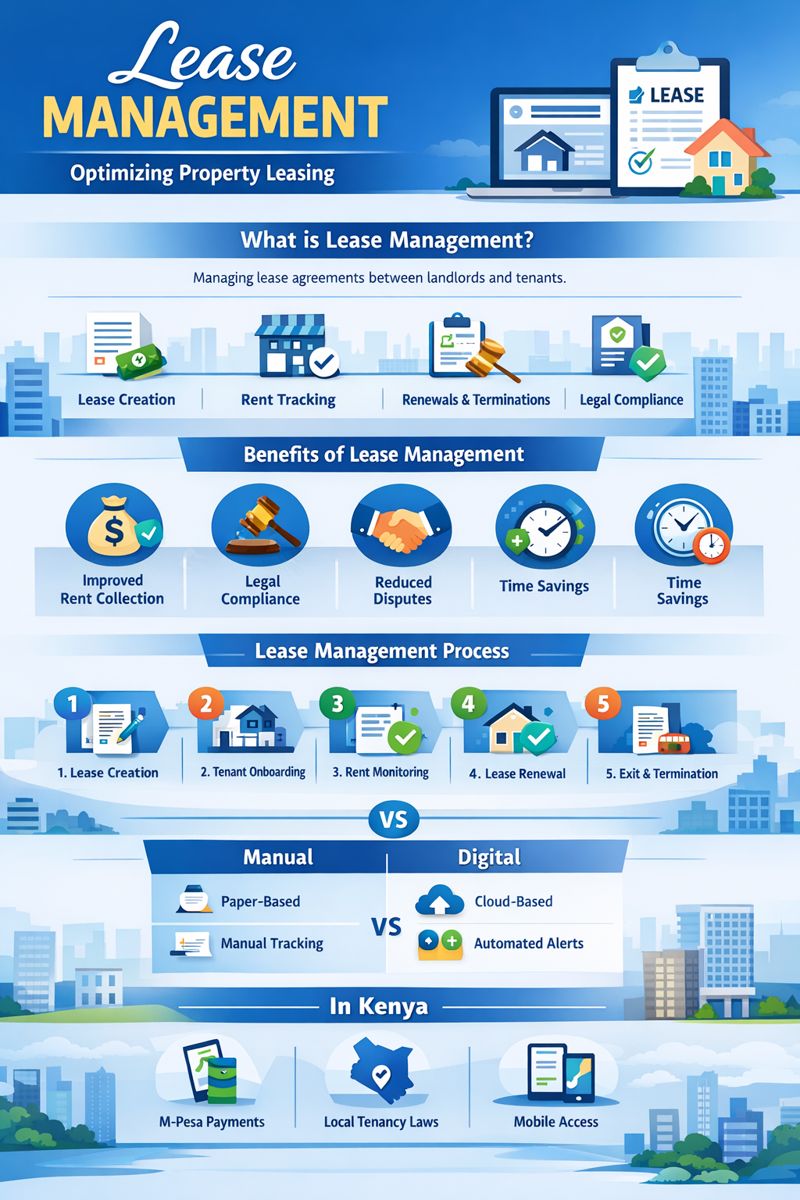
    Lease management is the process of creating, tracking, managing, and enforcing lease agreements between property owners and tenants. It includes handling lease terms, rent schedules, renewals, compliance, tenant records, and documentation throughout the entire lease lifecycle.

    Effective lease management helps landlords, property managers, and real estate firms reduce risks, improve cash flow, maintain compliance, and build stronger tenant relationships.

    With modern digital tools, lease management has evolved from manual paperwork to automated, cloud-based systems that save time and increase accuracy.


    Why Lease Management Is Important

    Proper lease management is critical for both residential and commercial properties. Without a structured system, landlords risk missed renewals, rent disputes, legal penalties, and lost revenue.

    Key Benefits of Lease Management

    • Prevents expired or forgotten leases

    • Ensures timely rent payments

    • Improves legal compliance and documentation

    • Enhances tenant satisfaction

    • Simplifies renewals and terminations

    • Provides accurate financial records

    For growing property portfolios, efficient lease management is no longer optional—it is essential.


    Core Components of Lease Management

    1. Lease Creation and Documentation

    Lease management begins with drafting clear and legally compliant lease agreements. A good system ensures that all terms such as rent amount, duration, deposits, penalties, and responsibilities are properly recorded and securely stored.

    2. Lease Tracking and Monitoring

    Tracking lease start dates, end dates, rent escalation clauses, and review periods helps landlords avoid unexpected expiries or disputes.

    Automated lease management systems send alerts for:

    • Lease expirations

    • Rent reviews

    • Renewal deadlines

    • Contract amendments

    3. Rent and Payment Management

    Lease management integrates rent schedules with payment tracking. This allows landlords to:

    • Monitor rent due dates

    • Identify late payments

    • Generate rent invoices

    • Maintain payment histories

    4. Lease Renewals and Terminations

    Managing renewals efficiently helps retain good tenants and reduce vacancy rates. Lease management systems streamline renewal negotiations, updates, and termination documentation.

    5. Compliance and Legal Management

    Lease management ensures adherence to property laws, tax regulations, and tenancy requirements. Secure document storage supports audits and legal disputes.


    Manual vs Digital Lease Management

    Manual Lease Management Challenges

    • Paper-based records are easily lost

    • Time-consuming tracking

    • High risk of errors

    • Difficult reporting and analysis

    Digital Lease Management Advantages

    • Centralized lease database

    • Automated reminders and alerts

    • Real-time access to lease data

    • Improved security and backups

    • Scalable for multiple properties

    Digital lease management software is especially valuable for landlords managing multiple tenants or units.


    Lease Management Software: A Smarter Solution

    Modern lease management software automates the entire leasing process. These platforms are designed to help property managers handle leases efficiently from one dashboard.

    Key Features of Lease Management Software

    • Lease agreement templates

    • Automated renewal notifications

    • Rent and payment integration

    • Tenant profile management

    • Document storage and retrieval

    • Financial and lease reporting

    Such tools reduce administrative workload and improve overall property performance.


    Lease Management for Residential and Commercial Properties

    Residential Lease Management

    Focuses on:

    • Short-term lease cycles

    • Frequent renewals

    • Tenant communication

    • Rent adjustments

    Commercial Lease Management

    Involves:

    • Long-term contracts

    • Complex rent escalation clauses

    • Compliance requirements

    • Multiple stakeholders

    A robust lease management system can support both residential and commercial needs.


    Lease Management Best Practices

    • Use standardized lease templates

    • Digitize all lease documents

    • Set automated alerts for key dates

    • Maintain accurate tenant records

    • Review lease terms regularly

    • Use reporting tools for insights

    Following these best practices ensures smoother operations and fewer disputes.


    Lease Management and Financial Performance

    Strong lease management directly impacts revenue by:

    • Reducing vacancies

    • Ensuring timely rent collection

    • Minimizing legal costs

    • Improving forecasting accuracy

    With proper lease oversight, property owners gain full visibility into income streams and contractual obligations.


    The Future of Lease Management

    Lease management is moving toward:

    • Cloud-based platforms

    • Mobile access for landlords and tenants

    • Integrated payment systems

    • AI-driven analytics

    • Paperless lease signing

    These advancements make lease management faster, more secure, and more efficient.


    Conclusion: Why Lease Management Matters

    Lease management is the backbone of successful property management. Whether managing a single unit or a large real estate portfolio, an efficient lease management process improves control, transparency, and profitability.

    By adopting digital lease management solutions and best practices, landlords and property managers can reduce risks, save time, and grow their property investments with confidence.

    Advanced Lease Management Strategies for Property Owners

    To maximize returns and minimize risks, landlords and property managers must go beyond basic lease tracking and adopt advanced lease management strategies.

    Centralized Lease Data Management

    Centralizing all lease-related information in one secure system allows property owners to:

    • Access lease documents instantly

    • Track lease status across multiple properties

    • Maintain consistent records

    • Eliminate duplicate or outdated information

    A centralized lease management platform reduces administrative errors and improves operational transparency.


    Lease Management and Legal Compliance

    Legal compliance is one of the most critical aspects of lease management. Poorly managed leases can result in disputes, penalties, or revenue loss.

    Key Compliance Areas in Lease Management

    • Proper lease documentation and signatures

    • Clear rent payment terms

    • Notice periods for renewals or termination

    • Deposit handling and refunds

    • Compliance with local tenancy laws

    A reliable lease management system ensures all leases follow standardized legal templates, reducing compliance risks.


    Lease Management Automation Benefits

    Automation transforms lease management by reducing manual work and human error.

    How Automation Improves Lease Management

    • Automated rent reminders reduce late payments

    • Expiry alerts prevent missed renewals

    • Digital records eliminate paperwork

    • Automated reports improve decision-making

    With automation, landlords can manage more properties efficiently without increasing overhead costs.


    Lease Management Reporting and Analytics

    Modern lease management systems provide data-driven insights that support better decision-making.

    Essential Lease Management Reports

    • Active and expired lease reports

    • Rent collection summaries

    • Tenant occupancy reports

    • Lease renewal forecasts

    • Revenue performance analytics

    These reports help property managers identify trends, improve cash flow, and plan future investments.


    Tenant Experience and Lease Management

    A smooth leasing process improves tenant satisfaction and retention.

    How Lease Management Enhances Tenant Experience

    • Clear and transparent lease terms

    • Timely communication and notifications

    • Digital access to lease documents

    • Easy lease renewal processes

    Happy tenants are more likely to renew leases, reducing vacancy rates and marketing costs.


    Lease Management for Multi-Property Portfolios

    Managing leases across multiple buildings or locations can be complex without the right tools.

    Benefits for Large Property Portfolios

    • Unified dashboard for all leases

    • Standardized lease templates

    • Portfolio-level performance tracking

    • Scalable operations

    Lease management software enables landlords to grow their portfolios while maintaining control and consistency.


    Common Lease Management Mistakes to Avoid

    Avoiding common mistakes can significantly improve leasing outcomes.

    Frequent Errors in Lease Management

    • Using outdated lease templates

    • Failing to track lease expiration dates

    • Poor record keeping

    • Inconsistent rent escalation terms

    • Lack of tenant communication

    A structured lease management approach eliminates these errors and ensures professional property operations.


    Lease Management and Rent Escalation Tracking

    Rent escalation clauses must be tracked carefully to avoid revenue loss.

    Why Rent Escalation Tracking Matters

    • Ensures rent increases are applied correctly

    • Prevents disputes with tenants

    • Improves long-term revenue forecasting

    Digital lease management tools automatically calculate and apply rent escalations based on lease terms.


    Security is a key concern when handling lease agreements and tenant data.

    Best Practices for Secure Lease Management

    • Cloud-based encrypted storage

    • Role-based access control

    • Regular data backups

    • Secure digital signatures

    Secure lease management systems protect sensitive information while ensuring authorized access.


    Lease Management Integration with Property Management Systems

    Lease management works best when integrated with other property management tools.

    Common Integrations

    • Rent collection platforms

    • Accounting and finance systems

    • Tenant management software

    • Maintenance request systems

    Integrated lease management creates a seamless property management ecosystem.


    Lease Management Trends in Modern Real Estate

    The real estate industry is rapidly adopting digital lease management solutions.

    Emerging

    Lease Management

     Trends

    • Mobile-first lease platforms

    • AI-powered lease analytics

    • Paperless lease agreements

    • Cloud-based collaboration tools

    These trends are shaping the future of property management worldwide.


    Lease Management Best Practices

    To achieve optimal results, follow these best practices:

    • Use standardized lease templates

    • Digitize all lease documents

    • Schedule automatic lease reviews

    • Communicate clearly with tenants

    • Regularly audit lease data

    Consistent best practices lead to better compliance and improved profitability.


    Lease Management for Small Landlords

    Even landlords with a few rental units benefit from structured lease management.

    Advantages for Small Property Owners

    • Professional lease handling

    • Reduced legal risks

    • Easier rent tracking

    • Better tenant relationships

    Digital lease management levels the playing field for small landlords.


    Lease Management and Business Growth

    Efficient lease management supports long-term growth by:

    • Improving operational efficiency

    • Increasing tenant retention

    • Enhancing revenue predictability

    • Supporting data-driven decisions

    As property businesses grow, lease management becomes a strategic advantage rather than an administrative task.


    Conclusion: Why Lease Management Matters More Than Ever

    In today’s competitive real estate environment, lease management is a foundational element of successful property operations. From legal compliance and rent tracking to tenant satisfaction and portfolio growth, effective lease management impacts every aspect of property ownership.

    Adopting a modern lease management system empowers landlords and property managers to streamline workflows, reduce risks, and maximize returns—making lease management an essential investment for the future.

  • Online Rent Collection Software | Easy & Secure Rent Payments

    Online Rent Collection Explained

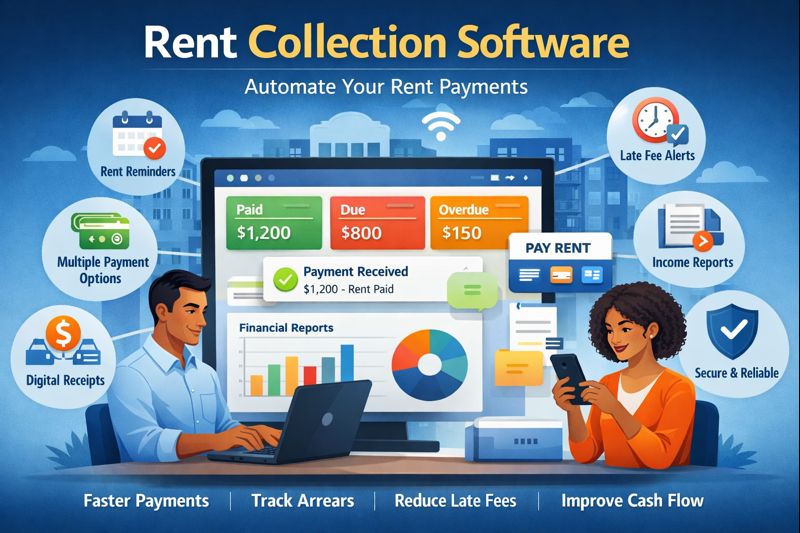
    Online rent collection is the process of collecting tenant rent payments digitally through web-based platforms instead of cash or manual bank deposits. It allows landlords and property managers to receive rent via mobile money, bank transfer, debit/credit cards, and automated payment systems.

    With the growth of digital payments in Kenya, online rent collection has become the most reliable, secure, and efficient method for managing rental income.


    Why Online Rent Collection Is Important for Landlords

    Traditional rent collection methods are time-consuming, risky, and prone to errors. Online rent collection eliminates these challenges by offering real-time tracking and automation.

    Key Benefits:

    • Faster rent payments

    • Reduced late or missed payments

    • Automated reminders and receipts

    • Accurate financial records

    • Improved tenant satisfaction


    How Online Rent Collection Works

    Online rent collection platforms provide landlords with a dashboard to manage payments digitally.

    Step-by-Step Process:

    1. Landlord sets rent amount and due date

    2. Tenant receives automated payment notification

    3. Tenant pays via mobile money, bank, or card

    4. Payment is recorded instantly

    5. Digital receipt is generated

    6. Funds are deposited into landlord’s account


    Payment Methods Supported in Online Rent Collection

    Modern online rent collection systems support multiple payment options to suit different tenants.

    Common Payment Methods:

    • Mobile money (M-Pesa, Airtel Money)

    • Bank transfers

    • Debit and credit cards

    • Scheduled automatic payments

    • USSD payment options


    Features of a Good Online Rent Collection System

    When choosing an online rent collection platform, look for the following features:

    Essential Features:

    • Automated rent reminders

    • Real-time payment tracking

    • Late fee automation

    • Digital receipts and invoices

    • Tenant payment history

    • Secure data encryption

    • Mobile-friendly interface

    • Integration with accounting tools


    Online Rent Collection in Kenya

    Online rent collection is rapidly growing in Kenya due to widespread mobile money adoption. Platforms that integrate M-Pesa provide landlords with instant notifications and easy reconciliation.

    Why Kenyan Landlords Prefer Online Rent Collection:

    • Cashless convenience

    • Reduced disputes over payments

    • Transparency and accountability

    • Faster access to rental income

    • Easy compliance with financial reporting


    Online Rent Collection vs Manual Rent Collection

    Feature Online Rent Collection Manual Collection
    Payment Speed Instant Delayed
    Record Keeping Automatic Manual
    Late Payment Tracking Automated Difficult
    Security High Low
    Tenant Convenience Excellent Poor

    How Online Rent Collection Reduces Late Payments

    Online rent collection systems send automated reminders before rent is due. Tenants can also set up recurring payments, ensuring rent is paid on time every month.

    Result:

    • Fewer follow-ups

    • Predictable cash flow

    • Improved landlord-tenant relationships


    Is Online Rent Collection Secure?

    Yes. Reliable online rent collection platforms use:

    • Encrypted payment gateways

    • Secure authentication

    • Transaction audit trails

    • Data protection compliance

    This ensures both landlord and tenant information remains safe.


    Who Should Use Online Rent Collection?

    Online rent collection is ideal for:

    • Individual landlords

    • Property managers

    • Real estate agencies

    • Commercial property owners

    • Housing cooperatives

    • Student accommodation providers

    Final Thoughts

    Online rent collection is no longer optional—it’s essential for modern property management. By automating rent payments, landlords save time, reduce errors, and enjoy consistent rental income. Whether you manage one unit or hundreds, switching to online rent collection improves efficiency, transparency, and tenant satisfaction.

    Challenges Solved by Online Rent Collection

    Online rent collection addresses many problems landlords face when using manual payment methods.

    Common Challenges Solved:

    • Chasing tenants for rent

    • Lost or delayed payments

    • Inaccurate records

    • Cash handling risks

    • Payment disputes

    • Lack of financial transparency

    With online rent collection, all payments are logged automatically, eliminating confusion and improving accountability.


    Online Rent Collection for Multiple Properties

    Managing rent for multiple properties can be overwhelming without automation. Online rent collection systems allow landlords to manage all properties from a single dashboard.

    Benefits for Multi-Property Owners:

    • Centralized rent monitoring

    • Consolidated financial reports

    • Automated rent schedules

    • Easy tenant segmentation

    • Real-time income tracking

    This makes scaling your rental business easier and more profitable.


    Online Rent Collection for Tenants

    Online rent collection is not only beneficial for landlords but also improves the tenant experience.

    Tenant Advantages:

    • Multiple payment options

    • Automated reminders

    • Instant digital receipts

    • No need to visit offices

    • Transparent payment history

    Happy tenants are more likely to pay rent on time and renew leases.


    Automating Rent Collection with Online Tools

    Automation is the backbone of effective online rent collection.

    Automated Features Include:

    • Recurring monthly rent payments

    • Late fee application

    • Rent due reminders via SMS/email

    • Payment confirmation notifications

    • Auto-generated statements

    Automation reduces human error and saves valuable management time.


    Online Rent Collection and Financial Reporting

    Online rent collection platforms provide built-in reporting tools to track rental income accurately.

    Key Financial Reports:

    • Monthly rent collection summaries

    • Outstanding rent balances

    • Tenant payment histories

    • Property-wise income reports

    • Exportable accounting data

    These reports support budgeting, audits, and tax compliance.


    Legal and Compliance Benefits of Online Rent Collection

    Accurate rent records are essential for legal and tax purposes.

    Compliance Benefits:

    • Verifiable transaction history

    • Transparent financial documentation

    • Easy dispute resolution

    • Support for audits

    • Improved landlord credibility

    Online rent collection protects landlords legally by providing digital proof of payment.


    Integrating Online Rent Collection with Property Management Systems

    Modern online rent collection platforms integrate seamlessly with full property management systems.

    Integrated Modules:

    • Tenant management

    • Lease management

    • Accounting & reporting

    • Maintenance requests

    • Notifications and alerts

    This creates a complete rental management ecosystem.


    Online Rent Collection for Commercial Properties

    Online rent collection is equally effective for commercial rentals.

    Commercial Use Cases:

    • Office buildings

    • Retail spaces

    • Warehouses

    • Business parks

    • Co-working spaces

    Features such as invoice generation and scheduled payments make it ideal for business tenants.


    Future of Online Rent Collection

    The future of online rent collection lies in smart automation and data-driven decision-making.

    Emerging Trends:

    • AI-powered payment predictions

    • Mobile-first rent payment apps

    • Real-time analytics dashboards

    • Deeper mobile money integrations

    • Smart contract rent payments

    Landlords who adopt online rent collection early gain a competitive advantage.


    Call to Action: Switch to Online Rent Collection Today

    If you want reliable, fast, and secure rent payments, online rent collection is the solution. Stop chasing tenants and start managing rent efficiently.

  • Tenant Records Management System | Smart Property Management

    Tenant Records Management System | Smart Property Management
    Tenant Records Management System

    Tenant Records Management: A Complete Guide for Landlords and Property Managers

    Effective tenant records management is one of the most critical aspects of successful property and rental management. Whether you manage a single rental unit or a large real estate portfolio, keeping accurate, secure, and well-organized tenant records helps you stay compliant, reduce disputes, improve rent collection, and enhance tenant relationships.

    In today’s digital era, tenant records management has evolved from manual filing cabinets to cloud-based property management systems that offer real-time access, automation, and data security. This guide explains what tenant records management is, why it matters, best practices, challenges, and how digital tools simplify the entire process.


    What Is Tenant Records Management?

    Tenant records management refers to the systematic collection, storage, organization, and maintenance of all tenant-related information throughout the tenancy lifecycle. These records include personal details, lease agreements, payment history, maintenance requests, communication logs, and legal documents.

    Proper tenant records management ensures that landlords and property managers can easily retrieve accurate information whenever needed—for billing, audits, dispute resolution, or compliance with housing laws.


    Why Tenant Records Management Is Important

    1. Legal and Regulatory Compliance

    Maintaining accurate tenant records helps landlords comply with housing regulations, tenancy laws, and data protection requirements. In many jurisdictions, landlords must keep tenancy records for a specified period.

    2. Faster Dispute Resolution

    When disputes arise over rent payments, lease terms, or damages, well-maintained tenant records provide clear evidence and protect landlords from legal risks.

    3. Improved Rent Collection

    Accurate records of rent schedules, arrears, and payment methods enable timely follow-ups and reduce missed or delayed payments.

    4. Better Tenant Experience

    Organized tenant records allow property managers to respond quickly to tenant concerns, renew leases smoothly, and maintain professional relationships.

    5. Business Efficiency

    Efficient tenant records management saves time, minimizes errors, and improves decision-making through accurate data insights.


    Types of Tenant Records to Maintain

    A complete tenant records management system should include the following categories:

    Tenant Personal Information

    • Full name and identification details

    • Contact information (phone, email, emergency contact)

    • Employment or income details (where legally required)

    Lease and Contract Documents

    • Signed lease agreements

    • Lease start and end dates

    • Rent amount and payment terms

    • Security deposit records

    • Renewal or termination notices

    Rent and Payment History

    • Monthly rent payments

    • Payment methods used

    • Outstanding balances or arrears

    • Late payment penalties

    Maintenance and Repair Records

    • Reported maintenance issues

    • Work orders and repair costs

    • Service provider details

    • Resolution dates

    Communication Records

    • Emails, SMS, and notices sent

    • Complaints or requests

    • Meeting notes and agreements

    Legal and Compliance Records

    • Inspection reports

    • Notices and warnings

    • Eviction documentation (if applicable)


    Common Challenges in Tenant Records Management

    Despite its importance, many landlords struggle with managing tenant records effectively.

    1. Manual and Paper-Based Systems

    Paper files are easy to lose, hard to update, and time-consuming to retrieve.

    2. Data Inaccuracy

    Manual entry increases the risk of errors, outdated information, and inconsistencies.

    3. Poor Security

    Tenant data contains sensitive information that must be protected from unauthorized access or data breaches.

    4. Limited Accessibility

    Physical records or spreadsheets cannot be easily accessed remotely or shared with team members.

    5. Scalability Issues

    As property portfolios grow, managing tenant records manually become unmanageable.


    Best Practices for Effective Tenant Records Management

    1. Use Digital Tenant Records Management Software

    Adopting a digital tenant records management system centralizes all tenant data in one secure platform. Cloud-based systems allow access anytime, anywhere.

    2. Standardize Record Keeping

    Use consistent formats for tenant profiles, leases, and payment records to reduce confusion and errors.

    3. Keep Records Updated

    Regularly update tenant details, payment status, and lease changes to ensure data accuracy.

    4. Secure Tenant Data

    Implement role-based access, password protection, and data encryption to safeguard sensitive information.

    5. Automate Where Possible

    Automate rent tracking, reminders, document storage, and reporting to save time and improve accuracy.

    6. Backup Tenant Records

    Ensure automatic backups are in place to prevent data loss due to system failure or cyber threats.


    Digital Tenant Records Management vs Manual Systems

    Feature Manual Records Digital Tenant Records Management
    Accessibility Limited Anytime, anywhere
    Data Security Low High with encryption
    Accuracy Error-prone Highly accurate
    Scalability Poor Easily scalable
    Reporting Time-consuming Instant reports

    Digital tenant records management clearly offers superior efficiency, security, and scalability.


    Benefits of Tenant Records Management Software

    • Centralized tenant data storage

    • Automated rent and lease tracking

    • Quick access to tenant histories

    • Improved compliance and transparency

    • Enhanced communication with tenants

    • Real-time reporting and analytics

    For property managers handling multiple units or estates, tenant records management software is no longer optional—it is essential.


    Tenant Records Management in Property and Estate Management

    In modern estate management, tenant records management integrates with rent collection, maintenance tracking, lease management, and accounting. This holistic approach ensures seamless operations and provides landlords with a clear overview of their properties.

    For real estate businesses in growing markets, digital tenant records management supports scalability, professionalism, and long-term success.


    Choosing the Right Tenant Records Management System

    When selecting a tenant records management solution, consider:

    • Ease of use

    • Data security and compliance features

    • Integration with rent collection and accounting

    • Customizable tenant profiles

    • Reporting and analytics capabilities

    • Local support and scalability


    Future of Tenant Records Management

    The future of tenant records management lies in automation, cloud computing, and data analytics. AI-powered insights, mobile access, and smart integrations will continue to transform how landlords manage tenant information efficiently and securely.


    Conclusion

    Tenant records management is a cornerstone of effective rental and property management. Accurate, secure, and well-organized tenant records reduce risks, improve efficiency, and enhance tenant satisfaction. By moving from manual systems to digital tenant records management software, landlords and property managers can streamline operations, stay compliant, and grow their property portfolios with confidence.

    Investing in a modern tenant records management system today is a smart step toward a more professional,transparent, and profitable rental business.

  • How to Manage Estate Finances: Complete Guide for Estate Managers

    How to Manage Estate Finances: A Complete Guide for Smart Property Owners and Estate Managers

    Managing estate finances effectively is the backbone of successful property ownership and estate management. Whether you oversee residential apartments, commercial buildings, gated communities, or mixed-use developments, understanding how to manage estate finances ensures profitability, transparency, compliance, and long-term sustainability.

    Poor financial management can lead to rent leakage, unpaid bills, dissatisfied tenants, and legal disputes. On the other hand, a well-structured financial system allows estate managers to maximize income, control expenses, plan for maintenance, and build trust with property owners and residents.

    This comprehensive guide explains how to manage estate finances step by step, covering budgeting, rent collection, expense tracking, reporting, compliance, and the role of digital estate management tools.


    What Is Estate Financial Management?

    Estate financial management refers to the process of planning, collecting, tracking, allocating, and reporting money related to an estate or property portfolio. It includes:

    • Rent and service charge collection

    • Expense control and bill payments

    • Budgeting and forecasting

    • Maintenance and repair costs

    • Financial reporting and audits

    • Compliance with tax and legal requirements

    Effective estate financial management ensures that all income is accounted for, expenses are justified, and financial records are accurate and accessible.


    Why Estate Financial Management Is Important

    Understanding how to manage estate finances is crucial because it:

    • Prevents loss of rental income

    • Improves cash flow and liquidity

    • Enhances transparency and accountability

    • Supports long-term maintenance planning

    • Reduces disputes with tenants and owners

    • Helps meet legal and tax obligations

    For estates with multiple units, manual tracking quickly becomes unreliable. This is why structured processes and digital tools are increasingly essential.


    Step 1: Create a Clear Estate Budget

    A well-defined budget is the foundation of proper estate financial management.

    What an Estate Budget Should Include:

    • Expected rental income

    • Service charges and management fees

    • Utilities (water, electricity, security)

    • Maintenance and repairs

    • Staff salaries and outsourced services

    • Insurance and statutory fees

    • Emergency and reserve funds

    Best Practices:

    • Base your budget on historical data

    • Separate operating expenses from capital expenses

    • Review and update budgets annually

    • Allocate contingency funds for unexpected repairs

    A realistic budget helps estate managers make informed decisions and avoid cash shortfalls.


    Step 2: Streamline Rent and Revenue Collection

    One of the biggest challenges in estate finance management is inefficient rent collection.

    Tips for Managing Estate Income:

    • Set clear rent payment deadlines

    • Issue automated invoices and reminders

    • Offer multiple payment options (mobile money, bank, cards)

    • Track partial and late payments accurately

    • Apply penalties consistently where applicable

    Digital rent collection systems significantly reduce late payments and eliminate manual errors.


    Step 3: Track All Estate Expenses Accurately

    Expense tracking is a core component of learning how to manage estate finances effectively.

    Common Estate Expenses:

    • Repairs and maintenance

    • Cleaning and landscaping

    • Security services

    • Utilities and shared amenities

    • Office and administration costs

    How to Control Expenses:

    • Record every expense in real time

    • Categorize costs for easier analysis

    • Compare actual spending against the budget

    • Require approval workflows for large expenses

    Proper expense tracking prevents overspending and improves financial accountability.


    Step 4: Separate Estate Funds from Personal Funds

    A common mistake among property owners is mixing estate finances with personal money.

    Why Separation Matters:

    • Improves financial transparency

    • Simplifies audits and tax filing

    • Protects owners legally

    • Makes performance tracking easier

    Always maintain a dedicated estate bank account and ensure all rent income and expenses flow through it.


    Step 5: Manage Service Charges and Shared Costs

    For apartments, gated estates, and commercial complexes, service charges are critical.

    Best Practices for Service Charge Management:

    • Clearly define what service charges cover

    • Allocate costs fairly based on unit size or usage

    • Provide regular service charge statements

    • Review charges annually

    Transparent service charge management builds trust with residents and avoids disputes.


    Step 6: Maintain Proper Financial Records

    Good record-keeping is essential in estate finance management.

    Records to Maintain:

    • Rent payment histories

    • Expense receipts and invoices

    • Bank statements

    • Maintenance cost logs

    • Contracts and supplier agreements

    Accurate records support audits, dispute resolution, and long-term financial planning.


    Step 7: Generate Regular Financial Reports

    Financial reporting helps stakeholders understand the financial health of the estate.

    Key Estate Financial Reports:

    • Income and expenditure statements

    • Rent arrears reports

    • Cash flow statements

    • Maintenance cost reports

    • Service charge summaries

    Reports should be generated monthly or quarterly and shared with property owners or management committees.


    Step 8: Plan for Maintenance and Capital Expenditure

    Estate finances should not only focus on day-to-day expenses.

    Smart Financial Planning Includes:

    • Preventive maintenance budgets

    • Long-term replacement planning (roofing, lifts, plumbing)

    • Reserve or sinking funds

    • Emergency repair allocations

    This approach prevents sudden financial strain and preserves property value.


    Step 9: Ensure Legal and Tax Compliance

    Estate managers must comply with financial regulations and tax laws.

    Key Compliance Areas:

    • Rental income tax

    • Service charge accountability

    • Staff payroll obligations

    • Licensing and regulatory fees

    Failure to comply can result in penalties, disputes, and reputational damage.


    Step 10: Use Estate Financial Management Software

    Modern estate management relies heavily on digital tools.

    Benefits of Estate Finance Software:

    • Automated rent collection and reminders

    • Real-time expense tracking

    • Accurate financial reporting

    • Secure data storage

    • Improved transparency and efficiency

    Using an estate management system reduces manual work and enhances financial control across multiple properties.


    Common Challenges in Estate Financial Management

    • Late or defaulted rent payments

    • Poor record-keeping

    • Lack of transparency

    • Inconsistent budgeting

    • Manual processes prone to errors

    These challenges highlight why learning how to manage estate finances properly is essential for growth and stability.


    Best Practices for Managing Estate Finances Successfully

    • Automate rent collection and reporting

    • Review budgets regularly

    • Communicate clearly with tenants and owners

    • Maintain detailed financial records

    • Use professional estate management tools

    Consistency and transparency are the keys to long-term success.


    Frequently Asked Questions (FAQs)

    What is the best way to manage estate finances?

    The best way is to combine proper budgeting, automated rent collection, accurate expense tracking, regular reporting, and digital estate management software.

    Why is estate financial management important?

    It ensures profitability, transparency, legal compliance, and long-term sustainability of the estate.

    Can estate finances be managed digitally?

    Yes. Modern estate management systems allow full automation of rent collection, expense tracking, and reporting.


    Final Thoughts

    Understanding how to manage estate finances is essential for anyone involved in property ownership or estate management. From budgeting and rent collection to expense control and financial reporting, every step contributes to a profitable and well-run estate.

    By adopting structured financial processes and leveraging modern estate management tools, estate managers can reduce risks, improve cash flow, and ensure transparency for all stakeholders.