
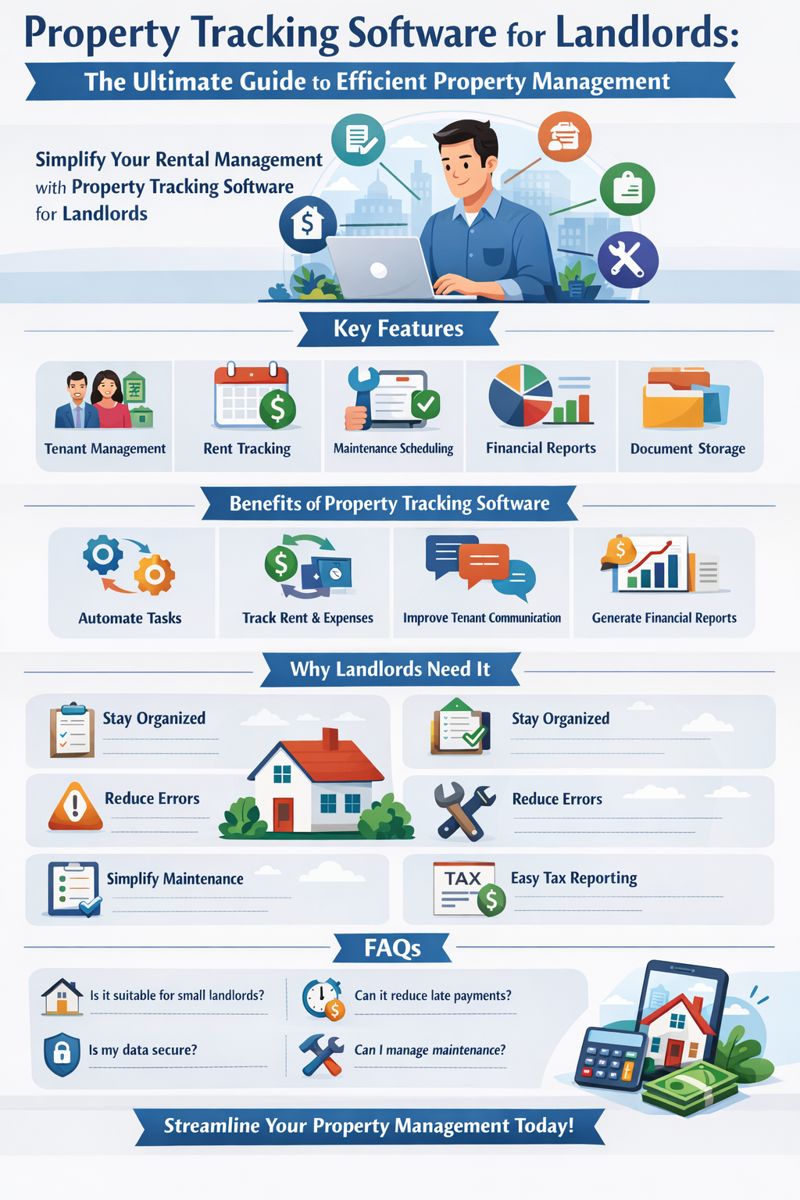
Estate management Tools: The Complete Guide to Smarter Property Administration
Managing residential or commercial estates can be complex without the right systems in place. From rent collection and tenant communication to maintenance tracking and financial reporting, estate managers face multiple daily challenges. Estate management tools are designed to simplify these processes, improve accuracy, and enhance overall property performance.
This guide explains what estate management tools are, their key features, benefits, and how to choose the best solution for modern property management.
What Are Estate Management Tools?
Estate management tools are digital solutions—usually web-based or mobile-enabled—that help landlords, property managers, and real estate firms manage estates efficiently. These tools centralize property data, automate repetitive tasks, and provide real-time insights into rental operations.
They are commonly used for:
-
Residential estates
-
Commercial buildings
-
Mixed-use developments
-
Gated communities
-
Rental apartments and offices
Key Features of Modern Estate Management Tools
The best estate management tools offer comprehensive functionality that supports day-to-day operations and long-term decision-making.
1. Tenant and Lease Management
-
Tenant profile management
-
Lease creation and renewal tracking
-
Automated rent reminders
-
Digital tenant communication
2. Rent Collection and Financial Tracking
-
Automated invoicing
-
Mobile money, bank, and online payments
-
Real-time rent status reports
-
Arrears and income summaries
3. Property Maintenance Management
-
Maintenance request logging
-
Work order tracking
-
Vendor and technician assignment
-
Maintenance cost history
4. Reporting and Analytics
-
Occupancy reports
-
Income and expense statements
-
Property performance dashboards
-
Exportable financial reports
5. User Roles and Access Control
-
Owner, manager, and accountant access levels
-
Secure data handling
-
Multi-property management support
Benefits of Using Estate Management Tools
Implementing the right estate management tools brings measurable improvements to property operations.
Improved Efficiency
Automation reduces manual paperwork, saving time and minimizing human errors.
Better Tenant Satisfaction
Fast communication, transparent billing, and timely maintenance improve tenant retention.
Accurate Financial Management
Centralized records ensure clear visibility of income, expenses, and outstanding balances.
Scalability
Estate management tools allow managers to grow their portfolios without increasing administrative workload.
Remote Management
Cloud-based access enables estate managers to monitor properties anytime, anywhere.
Why Estate Management Tools Are Essential in Kenya
In Kenya’s growing real estate market, manual systems struggle to keep up with increasing tenant volumes and regulatory demands. Estate management tools provide:
-
Mobile-friendly rent collection options
-
Compliance-ready financial reporting
-
Centralized management for estates across multiple locations
-
Real-time updates for landlords and property owners
These tools are especially valuable for managing apartments, gated communities, and commercial estates in cities such as Nairobi, Mombasa, Kisumu, and Nakuru.
How to Choose the Best Estate Management Tools
When selecting estate management tools, consider the following factors:
-
Ease of use for managers and tenants
-
Payment integration options
-
Local market support and customization
-
Data security and backups
-
Customer support availability
-
Pricing and scalability
A good estate management tool should adapt to your estate size and management style.
The Future of Estate Management Tools
The future of estate management tools is driven by:
-
Automation and AI-powered insights
-
Mobile-first property management
-
Smart maintenance scheduling
-
Real-time analytics dashboards
-
Integration with accounting and CRM systems
Property managers who adopt modern tools gain a competitive advantage through efficiency and transparency.
Final Thoughts
Estate management tools are no longer optional—they are essential for effective property administration. Whether managing a single estate or a large portfolio, these tools improve operational efficiency, financial control, and tenant satisfaction.
By investing in reliable estate management tools, estate managers and property owners can reduce stress, increase profitability, and manage properties with confidence.
Common Use Cases for Estate Management Tools
Estate management tools are designed to serve different types of property stakeholders. Below are the most common real-world applications:
Estate Owners and Landlords
-
Monitor rent collection in real time
-
Track expenses and net income
-
Access financial reports without manual calculations
-
View tenant occupancy status at a glance
Property Management Companies
-
Manage multiple estates from one dashboard
-
Assign property managers specific roles
-
Automate recurring administrative tasks
-
Improve accountability and transparency
Estate Agents and Developers
-
Manage newly completed estates
-
Track tenant onboarding and lease documentation
-
Provide owners with professional reporting
-
Maintain property value through proactive maintenance
Manual vs Digital Estate Management Tools
Manual Estate Management
-
Paper records and spreadsheets
-
High risk of data loss and errors
-
Time-consuming rent follow-ups
-
Difficult to scale operations
Digital Estate Management Tools
-
Centralized, cloud-based data
-
Automated billing and reminders
-
Secure data backups
-
Easy reporting and scalability
Modern estate managers increasingly prefer digital estate management tools due to their reliability, accuracy, and efficiency.
Must-Have Features to Look For
When evaluating estate management tools, ensure they include:
-
Cloud-based access
-
Mobile compatibility
-
Automated rent invoicing
-
Tenant self-service portal
-
Maintenance ticketing system
-
Financial and occupancy reports
-
Secure user authentication
These features ensure long-term usability and operational efficiency.
Estate Management Tools and Tenant Transparency
Transparency is a major benefit of estate management tools. Tenants gain:
-
Clear rent statements
-
Automated reminders
-
Easy maintenance requests
-
Faster issue resolution
This transparency builds trust and reduces disputes, late payments, and tenant turnover.
Integration With Other Property Systems
Advanced estate management tools integrate with:
-
Accounting software
-
Payment gateways
-
Mobile money platforms
-
SMS and email notification systems
Integration ensures smooth workflows and eliminates duplicate data entry.
Cost Savings from Using Estate Management Tools
Although estate management tools require an initial investment, they significantly reduce long-term costs by:
-
Minimizing administrative staff needs
-
Reducing rent collection delays
-
Preventing financial errors
-
Improving maintenance planning
Better data leads to better decisions—and better profitability.
SEO and Data Benefits for Estate Management Firms
Using estate management tools helps firms:
-
Generate professional reports for investors
-
Improve compliance documentation
-
Support digital transformation initiatives
-
Enhance brand credibility
Well-managed estates are easier to market and attract higher-quality tenants.
Frequently Asked Questions (FAQs)
What are estate management tools?
Estate management tools are software solutions that help manage properties, tenants, rent, maintenance, and financial records efficiently.
Are estate management tools suitable for small estates?
Yes. Most tools are scalable and support both small landlords and large property portfolios.
Can estate management tools support mobile payments?
Yes. Modern tools support mobile money, bank transfers, and online payments.
Do estate management tools work remotely?
Yes. Cloud-based estate management tools allow remote access from any device.
Are estate management tools secure?
Reputable tools offer encryption, access control, and regular data backups.
Best Practices for Using Estate Management Tools
To maximize value:
-
Keep tenant data updated
-
Automate reminders and billing
-
Review reports monthly
-
Train staff properly
-
Use maintenance tracking consistently
Proper use ensures optimal performance and long-term success.
Conclusion: Why Estate Management Tools Matter
Estate management tools empower property managers and estate owners to operate professionally, transparently, and profitably. In a competitive real estate market, relying on manual systems limits growth and increases risk.
By adopting modern estate management tools, you gain control, visibility, and efficiency—essential elements for successful property administration.