
Estate Management Compliance: A Complete Guide for Legal and Property Professionals
Introduction to Estate Management Compliance
Estate management compliance refers to the legal, regulatory, and operational standards that govern how estates are administered, managed, and reported. Whether handling a deceased estate, trust, or property portfolio, compliance ensures transparency, accountability, and protection of beneficiaries’ interests.
For lawyers, trustees, estate administrators, property managers, and fiduciaries, maintaining estate management compliance is not optional—it is a legal obligation. Failure to comply can result in penalties, disputes, delayed distributions, or personal liability.
This guide explores what estate management compliance involves, key regulations, best practices, and how digital estate management solutions help professionals stay compliant.
What Is Estate Management Compliance?
Estate management compliance involves adhering to:
-
Probate and succession laws
-
Trust and fiduciary regulations
-
Tax and financial reporting requirements
-
Property and asset management laws
-
Data protection and record-keeping standards
The goal of estate management compliance is to ensure estates are managed lawfully, ethically, and efficiently from appointment to final distribution.
Why Estate Management Compliance Is Critical
1. Legal Protection
Compliance protects estate administrators, executors, and trustees from legal action, fines, and disqualification.
2. Beneficiary Trust
Clear compliance processes promote transparency, reduce disputes, and build confidence among beneficiaries.
3. Efficient Estate Administration
Well-structured compliance workflows prevent delays, missing documents, and costly errors.
4. Regulatory Audits and Court Oversight
Courts and regulators often require detailed reporting—non-compliance can result in rejected filings or court sanctions.
Key Areas of Estate Management Compliance
1. Probate and Succession Compliance
Estate managers must:
-
File probate applications correctly and on time
-
Follow court-issued grants of representation
-
Adhere to intestacy laws where no will exists
-
Comply with jurisdiction-specific succession statutes
2. Fiduciary Duty and Ethical Compliance
Executors and trustees are legally bound to:
-
Act in the best interests of beneficiaries
-
Avoid conflicts of interest
-
Manage assets prudently
-
Maintain impartiality and accountability
Failure to meet fiduciary obligations is a leading cause of estate litigation.
3. Financial and Tax Compliance
Estate management compliance requires:
-
Accurate estate accounting
-
Timely filing of estate tax returns
-
Capital gains and income tax reporting
-
Transparent distribution records
Non-compliance with tax regulations can result in penalties, interest, or delayed estate closure.
4. Asset and Property Compliance
Estate assets must be managed according to:
-
Property ownership laws
-
Land registry and title transfer requirements
-
Insurance and valuation regulations
-
Maintenance and rental compliance standards
Property-heavy estates face increased compliance complexity.
5. Documentation and Record-Keeping Compliance
Proper documentation is essential, including:
-
Wills and trust deeds
-
Court orders and probate grants
-
Beneficiary communications
-
Financial statements and receipts
Digital record-keeping is increasingly required to meet modern compliance standards.
Common Estate Management Compliance Challenges
-
Fragmented estate records
-
Missed statutory deadlines
-
Manual compliance tracking
-
Poor communication with beneficiaries
-
Inconsistent reporting formats
-
Lack of audit trails
These challenges increase risk and administrative burden for professionals managing multiple estates.
Best Practices for Estate Management Compliance
1. Standardize Compliance Workflows
Use defined processes for:
-
Estate onboarding
-
Compliance checklists
-
Reporting schedules
-
Distribution approvals
2. Automate Compliance Tracking
Digital tools help monitor:
-
Filing deadlines
-
Court requirements
-
Tax submission timelines
-
Asset transfer milestones
3. Maintain Real-Time Documentation
Centralized document management ensures:
-
Secure storage
-
Version control
-
Easy retrieval for audits
-
Court-ready reporting
4. Conduct Regular Compliance Reviews
Periodic audits help:
-
Identify compliance gaps
-
Prevent disputes
-
Ensure fiduciary obligations are met
Role of Estate Management Software in Compliance
Modern estate management platforms significantly improve compliance by offering:
-
Automated compliance workflows
-
Secure document management
-
Audit trails and activity logs
-
Deadline alerts and reminders
-
Compliant financial reporting
-
Beneficiary communication tracking
Estate management software reduces human error and ensures consistent compliance across all estates.
Estate Management Compliance for Professionals
Lawyers and Law Firms
-
Court-compliant reporting
-
Case-based compliance tracking
-
Reduced malpractice risk
Trustees and Fiduciaries
-
Clear fiduciary accountability
-
Transparent asset management
-
Regulatory-ready audit trails
Property and Estate Administrators
-
Centralized asset oversight
-
Compliance-driven property management
-
Streamlined reporting
Benefits of Strong Estate Management Compliance
-
Reduced legal and financial risk
-
Faster estate settlement
-
Fewer beneficiary disputes
-
Improved professional reputation
-
Increased operational efficiency
-
Regulatory confidence
Future Trends in Estate Management Compliance
-
Increased regulatory oversight
-
Mandatory digital record-keeping
-
Real-time compliance reporting
-
AI-driven compliance monitoring
-
Cloud-based estate administration systems
Professionals who adopt compliance-focused
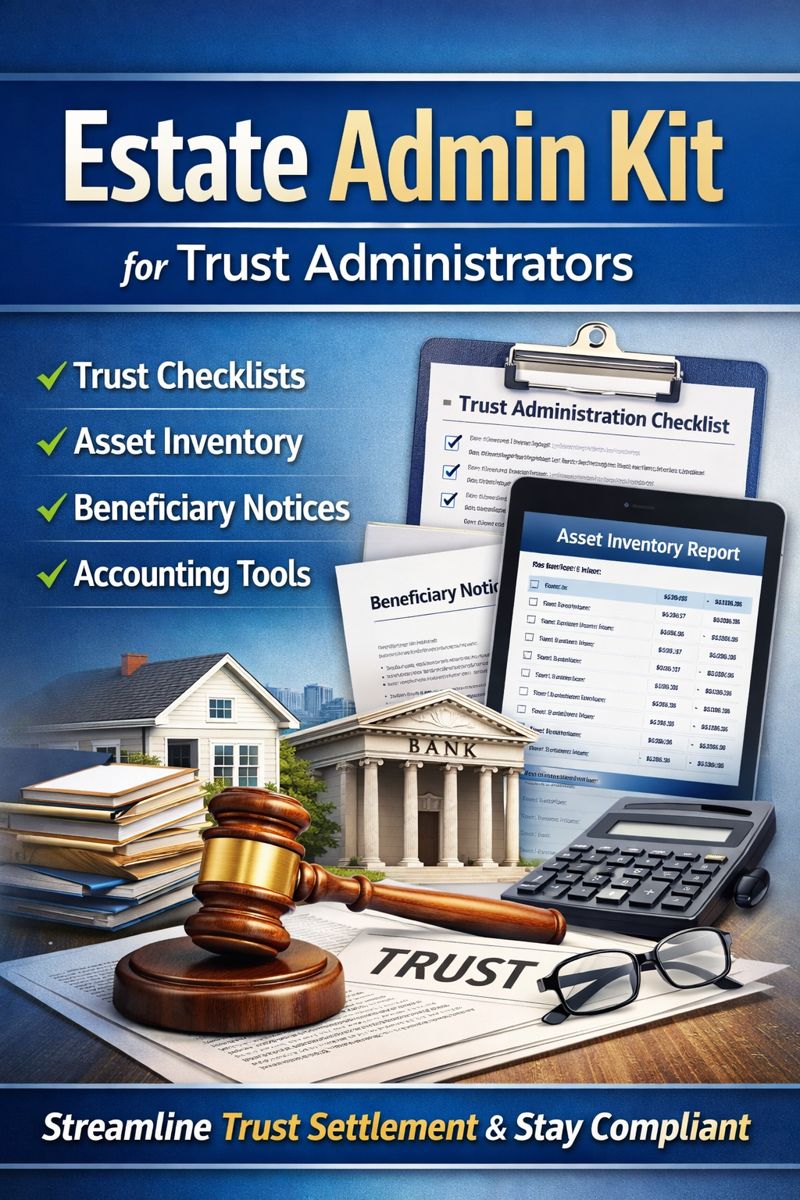
will remain competitive and legally secure.
Conclusion
Estate management compliance is the foundation of lawful, efficient, and transparent estate administration. With evolving regulations and increasing complexity, professionals must adopt structured processes and digital tools to remain compliant.
Whether managing a single estate or a large portfolio, prioritizing compliance protects fiduciaries, beneficiaries, and assets—ensuring estates are administered correctly from start to finish.