
Estate Administration for Trustees: A Complete Guide
Estate administration for trustees is a critical responsibility that requires legal knowledge, financial oversight, and strict adherence to fiduciary duties. Trustees play a central role in managing and distributing trust assets after the death of a settlor, ensuring beneficiaries’ interests are protected while complying with applicable laws.
This comprehensive guide explains what estate administration for trustees involves, outlines the trustee’s responsibilities, highlights common challenges, and shares best practices to ensure efficient and compliant trust administration.
What Is Estate Administration for Trustees?
Estate administration for trustees refers to the legal and financial process a trustee follows to manage, safeguard, and distribute trust assets according to the trust deed and governing laws. Unlike executors who administer wills through probate, trustees operate under the authority of a trust and often avoid court involvement when the trust is properly structured.
Trustees must act impartially, transparently, and in the best interests of beneficiaries while maintaining accurate records and meeting legal obligations.
The Role of a Trustee in Estate Administration
A trustee is a fiduciary appointed to manage trust assets responsibly. During estate administration, the trustee’s role includes:
-
Interpreting and executing the trust document
-
Identifying and securing trust assets
-
Paying debts, taxes, and liabilities
-
Managing investments prudently
-
Distributing assets to beneficiaries
-
Maintaining compliance with trust and tax laws
Failure to meet these obligations can expose trustees to personal liability.
Key Responsibilities in Estate Administration for Trustees
1. Reviewing the Trust Document
The first step in estate administration for trustees is carefully reviewing the trust deed. This document defines:
-
Trustee powers and limitations
-
Beneficiary entitlements
-
Distribution timelines
-
Tax and reporting obligations
Understanding the trust terms ensures accurate and lawful administration.
2. Identifying and Valuing Trust Assets
Trustees must locate, secure, and value all trust assets, which may include:
-
Real estate
-
Bank accounts
-
Investments and shares
-
Business interests
-
Digital assets
Accurate valuation is essential for tax reporting and fair distribution.
3. Managing Debts and Expenses
Before distributing assets, trustees must settle:
-
Outstanding debts
-
Funeral and administrative expenses
-
Legal and accounting fees
-
Estate and income taxes
Proper documentation and prioritization of payments are critical.
4. Tax Compliance and Reporting
Estate administration for trustees involves strict tax compliance. Trustees may be responsible for:
-
Filing trust tax returns
-
Paying capital gains tax
-
Managing inheritance or estate taxes
-
Issuing beneficiary tax statements
Working with tax professionals helps minimize risk and penalties.
5. Asset Management and Investment
Trustees must manage trust assets prudently during administration. This includes:
-
Preserving asset value
-
Avoiding unnecessary risk
-
Diversifying investments
-
Acting in line with the “prudent investor rule”
Poor investment decisions can lead to beneficiary disputes.
6. Distributing Assets to Beneficiaries
Once obligations are met, trustees distribute assets according to the trust terms. Distributions may be:
-
Lump sum
-
Staggered over time
-
Conditional (e.g., age or milestones)
Clear communication helps manage expectations and avoid disputes.
Common Challenges in Estate Administration for Trustees
Estate administration for trustees can be complex due to:
-
Ambiguous trust language
-
Conflicts among beneficiaries
-
Tax compliance errors
-
Cross-border assets
-
Lack of accurate records
Professional support and proper systems can significantly reduce these challenges.
Legal and Fiduciary Duties of Trustees
Trustees are bound by fiduciary duties, including:
-
Duty of loyalty: Act solely in beneficiaries’ best interests
-
Duty of care: Exercise reasonable skill and diligence
-
Duty of impartiality: Treat beneficiaries fairly
-
Duty of transparency: Maintain clear records and reporting
Breaching these duties may result in legal action or removal.
Best Practices for Effective Estate Administration for Trustees
To ensure smooth administration, trustees should:
-
Keep detailed financial and administrative records
-
Communicate regularly with beneficiaries
-
Use estate administration software for tracking and compliance
-
Seek legal and tax advice when necessary
-
Follow documented workflows and timelines
These practices reduce risk and improve efficiency.
Using Technology in Estate Administration for Trustees
Modern estate administration tools help trustees:
-
Track assets and liabilities
-
Automate reporting and compliance
-
Store documents securely
-
Maintain audit trails
Digital solutions improve accuracy, transparency, and collaboration with advisors.
When Trustees Should Seek Professional Support
Trustees should consider professional assistance when:
-
The estate is complex or high-value
-
There are disputes or legal challenges
-
Multiple jurisdictions are involved
-
Tax obligations are unclear
Professional estate administrators, lawyers, and accountants can help trustees meet their obligations confidently.
Why Estate Administration for Trustees Matters
Proper estate administration protects beneficiaries, preserves wealth, and ensures legal compliance. Trustees who follow structured processes and best practices minimize personal liability and honor the settlor’s intentions.
Final Thoughts
Estate administration for trustees is a demanding but essential responsibility. With clear understanding, proper planning, and the right tools, trustees can administer estates efficiently, transparently, and in full compliance with the law.
Whether you are a professional trustee or serving in a personal capacity, mastering estate administration is key to fulfilling your fiduciary role successfully.
Estate Administration for Trustees vs Executors: Key Differences
While both trustees and executors manage assets after death, estate administration for trustees differs significantly from executor-led probate administration.
| Aspect | Trustees | Executors |
|---|---|---|
| Legal Authority | Trust deed | Will + court probate |
| Court Involvement | Usually minimal | Often required |
| Timeline | Ongoing or flexible | Time-limited |
| Asset Control | Trust assets only | Probate estate |
| Privacy | High | Public record |
Understanding these distinctions helps trustees avoid applying probate rules incorrectly to trust administration.
Estate Administration Timeline for Trustees
The duration of estate administration for trustees varies depending on trust complexity, asset types, and beneficiary structure. A typical timeline includes:
-
Immediate Actions (0–30 days)
-
Confirm trustee appointment
-
Secure trust assets
-
Notify beneficiaries
-
-
Asset & Liability Review (1–6 months)
-
Identify and value trust assets
-
Settle debts and expenses
-
Engage legal and tax advisors
-
-
Ongoing Administration (6–12 months+)
-
Manage investments
-
File tax returns
-
Prepare beneficiary statements
-
-
Final Distribution or Long-Term Management
-
Distribute assets per trust terms
-
Continue trust management for ongoing or discretionary trusts
-
Clear timelines reduce disputes and improve transparency.
Record-Keeping Requirements in Estate Administration for Trustees
Accurate record-keeping is essential in estate administration for trustees. Trustees should maintain:
-
Asset inventories and valuations
-
Bank statements and transaction logs
-
Tax filings and receipts
-
Beneficiary correspondence
-
Distribution schedules
Strong documentation protects trustees against legal challenges and audits.
Beneficiary Communication Best Practices
Poor communication is one of the leading causes of disputes in estate administration for trustees. Best practices include:
-
Providing written notices and updates
-
Explaining timelines and delays clearly
-
Offering periodic financial summaries
-
Responding promptly to beneficiary inquiries
Transparency builds trust and reduces litigation risk.
Risk Management in Estate Administration for Trustees
Trustees face potential personal liability if administration is mishandled. Key risk areas include:
-
Unauthorized distributions
-
Failure to pay taxes
-
Conflicts of interest
-
Poor investment decisions
-
Lack of impartiality
Risk mitigation strategies:
-
Follow the trust deed strictly
-
Document every decision
-
Seek professional advice
-
Use estate administration software
Estate Administration for Trustees in Complex Estates
Some estates require advanced trustee expertise, especially when dealing with:
-
Business ownership or partnerships
-
Cross-border assets
-
Multiple beneficiaries with competing interests
-
Minor or vulnerable beneficiaries
-
Discretionary or charitable trusts
In such cases, professional estate administration support is strongly recommended.
Compliance and Regulatory Considerations
Estate administration for trustees must comply with applicable laws, which may include:
-
Trust law and fiduciary regulations
-
Tax and revenue authority requirements
-
Anti-money laundering (AML) rules
-
Data protection and confidentiality laws
Non-compliance can result in fines, removal, or personal liability.
How Professional Estate Administration Services Support Trustees
Professional estate adminstration assist trustees by:
-
Managing documentation and workflows
-
Ensuring legal and tax compliance
-
Preparing financial and beneficiary reports
-
Reducing administrative burden
-
Minimizing risk and disputes
These services are particularly valuable for corporate trustees, lawyers, and financial advisors.
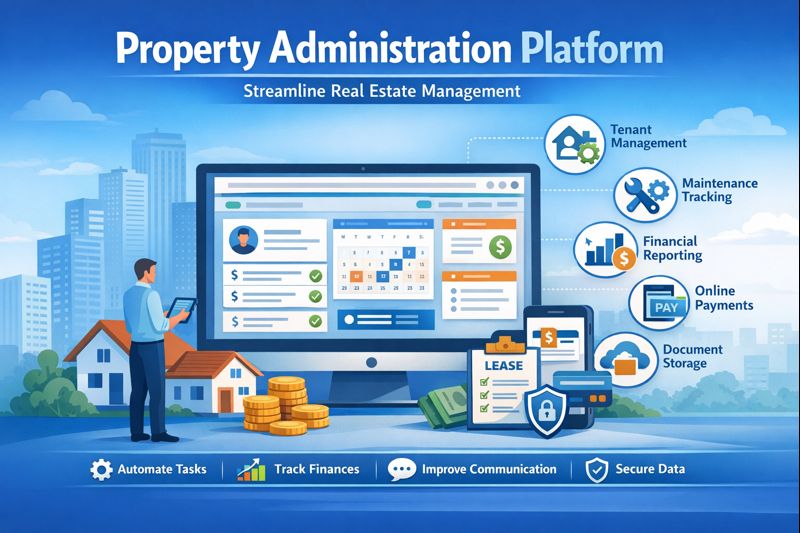
Estate Administration Software for Trustees
Modern trustees increasingly rely on digital platforms to streamline estate administration. Key features include:
-
Centralized asset tracking
-
Automated reporting
-
Secure document storage
-
Task and deadline management
-
Audit-ready records
Technology improves efficiency, accuracy, and compliance across the administration process.
Frequently Asked Questions: Estate Administration for Trustees
How long does estate administration for trustees take?
The process can range from a few months to several years, depending on trust complexity and distribution terms.
Can trustees be paid for estate administration?
Yes. Trustees are often entitled to reasonable compensation as outlined in the trust deed or governing law.
Are trustees personally liable?
Trustees may be personally liable if they breach fiduciary duties or act negligently.
Do trustees need court approval?
Typically no, unless disputes arise or the trust document requires it.
Can trustees delegate responsibilities?
Trustees may delegate certain tasks to professionals but remain ultimately responsible.
SEO-Focused Conclusion
Estate administration for trustees demands legal precision, financial expertise, and strong organizational systems. Trustees who follow best practices, maintain transparency, and leverage professional tools can administer estates efficiently while protecting themselves from liability.
Whether managing a simple family trust or a complex multi-asset estate, structured estate administration ensures compliance, protects beneficiaries, and preserves long-term value.