
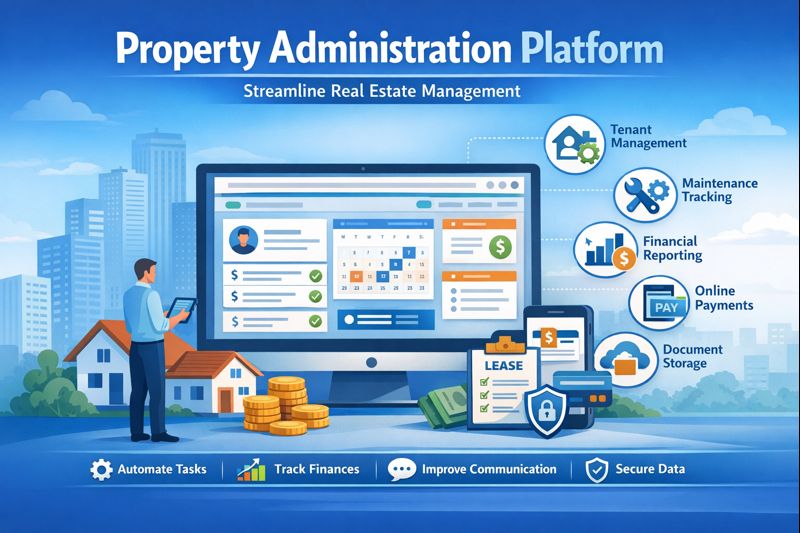
Property Administration Platform: The Ultimate Solution for Efficient Real Estate Management
Managing real estate properties can be complex, time-consuming, and prone to errors if handled manually. From tracking tenant payments to scheduling maintenance and maintaining financial records, property management requires precision and efficiency. This is where a property administration platform becomes a game-changer.
A property administration platform centralizes all property management operations, allowing landlords, property managers, and real estate companies to streamline workflows, reduce administrative burden, and enhance tenant satisfaction. In this comprehensive guide, we’ll explore what property administration platforms are, their key features, benefits, and how to choose the right one for your real estate needs.
What is a Property Administration Platform?
A property administration platform is a digital solution designed to manage the day-to-day operations of residential, commercial, or mixed-use properties. It provides a single interface for handling tenants, maintenance, financial records, and reporting.
Traditionally, property managers relied on spreadsheets, paper contracts, and manual record-keeping. Not only is this method inefficient, but it also increases the risk of errors, missed payments, and poor tenant communication. A property administration platform replaces these manual processes with an automated system that enhances efficiency, accountability, and transparency.
Core Features of a Property Administration Platform
When selecting a property administration platform, there are several essential features that make the software effective:
1. Tenant Management
Managing tenant information is a fundamental task for any property manager. A robust platform allows you to:
-
Store tenant profiles and contact information
-
Keep digital copies of lease agreements
-
Track payment history and lease terms
-
Automate notifications for renewals or late payments
2. Maintenance and Facility Management
Property maintenance is critical for tenant satisfaction. A good platform enables:
-
Logging and tracking maintenance requests
-
Assigning tasks to contractors or staff
-
Monitoring progress and completion times
-
Maintaining service history for each property
3. Financial Management and Reporting
A property administration platform simplifies financial operations, including:
-
Automated invoicing and rent collection
-
Expense tracking for repairs, utilities, and other operational costs
-
Generating real-time financial statements
-
Tax reporting and compliance management
4. Communication and Notifications
Effective communication enhances tenant satisfaction. Platforms typically offer:
-
Automated reminders for rent or maintenance schedules
-
Messaging systems for tenants and staff
-
Announcement boards for important updates
5. Document Storage and Security
Property management involves handling sensitive information. A secure platform allows:
-
Cloud storage of contracts, legal documents, and financial records
-
Role-based access for staff and management
-
Data encryption to protect against breaches
Benefits of Using a Property Administration Platform
Investing in a property administration platform comes with several advantages for both property managers and landlords:
1. Time and Resource Savings
Automating repetitive administrative tasks saves significant time, allowing property managers to focus on strategic decisions and tenant engagement.
2. Accuracy and Compliance
Manual record-keeping can lead to errors in billing, payments, and reporting. A property administration platform ensures accurate data entry and helps maintain compliance with local property laws.
3. Enhanced Tenant Experience
Faster responses to maintenance requests, online payment options, and regular updates improve tenant satisfaction and retention.
4. Scalability
Managing multiple properties can be challenging. A property administration platform allows you to scale operations efficiently without compromising control or accuracy.
5. Secure Data Management
Modern platforms prioritize security, ensuring sensitive tenant and financial data is safely stored and backed up.
Cloud-Based vs. On-Premise Property Administration Platforms
Property administration platforms can be either cloud-based or on-premise. Understanding the differences helps in selecting the right solution:
Cloud-Based Platforms
-
Hosted on remote servers, accessible via the internet
-
Automatic updates and backups
-
Scalable and accessible from anywhere
-
Lower upfront costs
On-Premise Platforms
-
Installed on local servers within your organization
-
Greater control over data and customization
-
Higher upfront costs and maintenance responsibilities
-
Limited remote access without additional setup
For most modern property managers, cloud-based platforms offer flexibility, real-time updates, and lower maintenance costs, making them the preferred choice.
How a Property Administration Platform Improves Efficiency
Using a property administration platform can transform property management operations in several ways:
-
Streamlined Workflows: Centralizing all property-related tasks into a single platform eliminates redundant processes.
-
Automated Notifications: Tenants and staff receive timely reminders, reducing delays and missed deadlines.
-
Centralized Financial Management: Rent collection, expense tracking, and reporting are automated, reducing human errors.
-
Data-Driven Decisions: Analytics dashboards provide insights into occupancy rates, tenant behavior, and financial performance, helping managers make informed decisions.
-
Reduced Paperwork: Digital document management eliminates the need for physical storage and ensures quick retrieval of records.
Key Considerations When Choosing a Property Administration Platform
Selecting the right platform requires careful evaluation. Here are important factors to consider:
1. Ease of Use
A user-friendly interface reduces the learning curve and ensures staff can adopt the system quickly.
2. Integration Capabilities
Look for platforms that integrate with accounting software, payment gateways, CRM systems, and maintenance tools for seamless operations.
3. Mobile Accessibility
Property managers often work on the go. Mobile apps enable access to tenant information, maintenance requests, and reporting anytime, anywhere.
4. Customer Support
Reliable technical support ensures smooth operations and quick issue resolution.
5. Cost Efficiency
Compare pricing plans with features offered. The platform should provide value without unnecessary expenses.
Future Trends in Property Administration Platforms
The real estate technology landscape is evolving rapidly. Key trends shaping the future of property administration platforms include:
-
Artificial Intelligence (AI): AI-driven tools for predictive maintenance, tenant behavior analysis, and automated financial forecasting.
-
Internet of Things (IoT): Smart sensors for monitoring property conditions, energy consumption, and security systems.
-
Blockchain Technology: Secure and transparent lease agreements, payment tracking, and property transaction records.
-
Enhanced Data Analytics: Advanced dashboards providing actionable insights for better decision-making.
Case Study: Transforming Property Management with a Platform
Consider a mid-sized property management company handling 500+ units across multiple cities. Before adopting a property administration platform, they struggled with late rent payments, delayed maintenance, and scattered tenant records.
After implementing a cloud-based platform:
-
Rent collection efficiency improved by 40%
-
Maintenance request resolution time decreased by 50%
-
Tenant satisfaction scores increased significantly
-
Staff productivity rose due to automation of repetitive tasks
This example highlights how a property administration platform can revolutionize property management operations.
Conclusion
A property administration platform is no longer optional for modern property management—it is essential. By centralizing operations, automating workflows, improving tenant communication, and ensuring accurate financial management, these platforms help landlords and property managers save time, reduce errors, and scale their business efficiently.
Investing in a reliable property administration platform is a strategic decision that enhances productivity, improves tenant experiences, and drives long-term growth in real estate management.