
Estate Management Tools: The Ultimate Guide to Streamline Property Management
Managing estates—whether residential, commercial, or mixed-use—can be complex and time-consuming. From tenant management to financial oversight, maintenance coordination, and compliance tracking, property managers often juggle multiple tasks simultaneously. This is where estate management tools come in. These digital solutions simplify operations, reduce manual work, and improve efficiency, making property management more organized, transparent, and profitable.
In this guide, we’ll explore what estate management tools are, their key features, benefits, how to choose the right tools, and examples of solutions widely used in Kenya and beyond.
What Are Estate Management Tools?
Estate management tools are software platforms or digital solutions designed to help landlords, property managers, and real estate investors manage their estates efficiently. By centralizing operations, these tools allow managers to oversee all aspects of property administration from one platform.
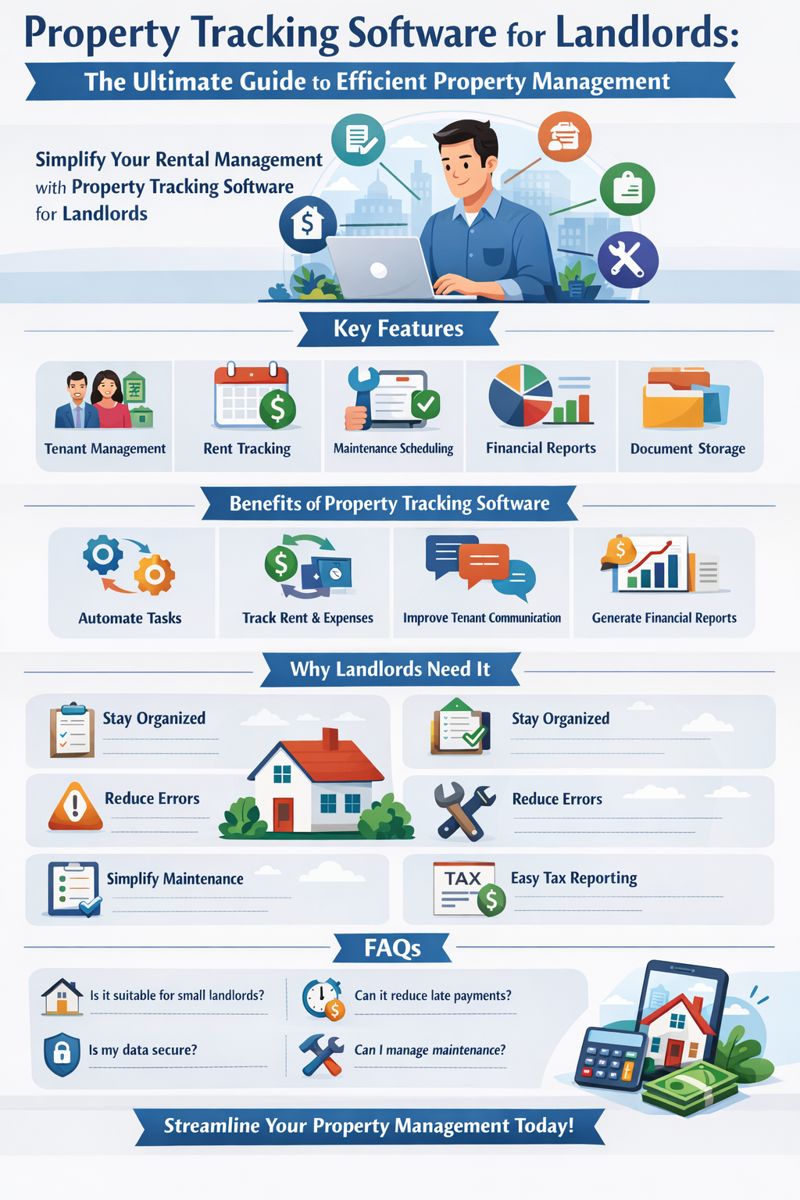
Modern estate management tools often include modules for:
-
Tenant management: Track tenant information, lease agreements, and rent payments.
-
Property maintenance: Manage maintenance requests, schedule repairs, and monitor service providers.
-
Financial management: Generate invoices, track expenses, and monitor income.
-
Document management: Securely store contracts, legal documents, and compliance certificates.
-
Reporting and analytics: Get insights on occupancy, revenue, and operational efficiency.
With these capabilities, property managers can reduce errors, save time, and make informed decisions that increase profitability.
Key Features of Modern Estate Management Tools
When choosing estate management tools, the following features are essential for optimal efficiency:
1. Automated Rent Collection
Late or missed rent payments can affect cash flow significantly. Automated rent collection allows tenants to pay online, while the system tracks payments, generates receipts, and sends reminders. This feature minimizes manual follow-ups and ensures consistent income.
2. Maintenance Request Tracking
Handling maintenance issues efficiently is key to tenant satisfaction. Estate management tools allow tenants to submit requests digitally, and managers can assign tasks to the appropriate maintenance personnel or contractors, track progress, and close requests once resolved.
3. Real-Time Reporting & Analytics
Data-driven decisions are critical in property management. Estate management tools provide real-time dashboards and reports on occupancy, revenue, expenses, and other metrics. This visibility helps managers identify issues, reduce costs, and maximize estate performance.
4. Tenant Communication Portals
Centralized communication enhances transparency and reduces misunderstandings. Tenants can receive notifications, announcements, or service updates directly through the platform, improving engagement and trust.
5. Mobile Accessibility
Cloud-based estate management tools enable property managers to operate remotely using smartphones or tablets. Whether checking tenant payments or scheduling maintenance, mobile access ensures operations continue smoothly on-the-go.
6. Document and Compliance Management
Estate management tools help store, organize, and access critical documents such as lease agreements, inspection reports, insurance certificates, and regulatory compliance documents. This reduces legal risks and ensures quick retrieval when needed.
Benefits of Using Estate Management Tools
Adopting the right estate management tools offers numerous benefits for landlords, property managers, and investors:
1. Saves Time and Reduces Manual Work
Automating repetitive tasks such as rent collection, payment reminders, and maintenance tracking frees up valuable time for strategic decision-making.
2. Enhances Tenant Experience
Quick responses to maintenance requests, transparent communication, and convenient online payments improve tenant satisfaction and retention. Happy tenants are more likely to renew leases and refer others.
3. Provides Accurate Financial Insights
Tracking income, expenses, and property performance becomes easier with real-time dashboards. Estate managers can make informed investment and operational decisions.
4. Boosts Operational Efficiency
Centralizing estate management tasks reduces redundancy, errors, and miscommunication, streamlining operations across multiple properties.
5. Ensures Regulatory Compliance
Digital document storage and automated reminders for lease renewals, inspections, and insurance renewals help estates remain compliant with local property laws and regulations.
How to Choose the Right Estate Management Tools
Selecting the ideal estate management tools depends on your estate size, type, and specific management needs. Consider the following:
1. Scalability
Ensure the tool can handle your current portfolio and accommodate future growth. Some platforms are better suited for single-property owners, while others are designed for managing hundreds of units.
2. Ease of Use
A user-friendly interface ensures that both property managers and tenants can navigate the system easily without extensive training.
3. Integration Capabilities
The software should integrate with accounting, CRM, or payment platforms to streamline operations and reduce manual work.
4. Security and Data Protection
Data security is critical. Ensure the tool uses encryption, secure servers, and access controls to protect sensitive tenant and financial information.
5. Local Support and Compliance
For property managers in Kenya, local customer support is vital for troubleshooting and understanding regional property regulations. Estate management tools that cater to local legal requirements save time and minimize risk.
Popular Estate Management Tools in Kenya and Globally
Several estate management tools are widely used due to their features, reliability, and customer support:
1. EstateAdmin (Kenya)
A leading platform in Kenya, EstateAdmin offers tenant tracking, rent collection, reporting, and maintenance scheduling. It’s tailored to Kenyan landlords, ensuring compliance with local property laws.
2. Buildium
A cloud-based solution with modules for tenant management, financial tracking, maintenance requests, and analytics. Ideal for small to medium-sized estates.
3. AppFolio
An all-in-one platform for residential and commercial property management, offering online payments, maintenance tracking, accounting, and tenant communication.
4. Propertyware
Designed for single-family property managers, Propertyware provides automation for lease agreements, maintenance scheduling, and reporting.
5. MRI Software
A global solution suitable for large commercial and residential estates, offering customizable modules and integrations with third-party applications.
Estate Management Tools for Different Property Types
Different estates have different management needs. Here’s how estate management tools cater to various property types:
Residential Properties
Tools streamline tenant communication, rent collection, lease management, and maintenance requests. They help maintain high occupancy rates and ensure tenant satisfaction.
Commercial Properties
For office buildings, malls, or industrial estates, estate management tools track lease agreements, manage multiple tenants, monitor operational costs, and ensure regulatory compliance.
Mixed-Use Developments
Managing both residential and commercial units can be complex. Estate management tools provide a centralized dashboard to handle multiple property types simultaneously.
Tips for Maximizing the Benefits of Estate Management Tools
-
Train Staff and Tenants: Ensure everyone knows how to use the system efficiently.
-
Leverage Analytics: Use reporting features to identify underperforming areas and optimize operations.
-
Automate Where Possible: From rent reminders to maintenance scheduling, automation reduces errors and improves workflow.
-
Keep Data Updated: Regularly update tenant, property, and financial data to maintain accuracy.
-
Regularly Review Features: As your estate grows, explore additional modules or tools that enhance efficiency.
Future of Estate Management Tools
With technology evolving rapidly, estate management tools are becoming smarter and more integrated. Artificial intelligence (AI) and machine learning are being incorporated to predict maintenance needs, forecast rental income trends, and analyze tenant behavior. Mobile apps and cloud-based platforms continue to make estate management more accessible and efficient, particularly in regions like Kenya, where digital adoption is growing quickly.
Conclusion
Estate management tools are essential for modern property management. They save time, reduce errors, improve tenant satisfaction, and provide valuable insights into estate performance. Whether managing a single property or a portfolio of estates, using the right tools ensures smoother operations, better financial outcomes, and legal compliance.