Blog

  • Estate Management Tools | Streamline Property Management in Kenya

    Estate Management Tools | Streamline Property Operations
    Estate Management Tools

    Estate Management Tools: The Ultimate Guide to Streamline Property Management

    Managing estates—whether residential, commercial, or mixed-use—can be complex and time-consuming. From tenant management to financial oversight, maintenance coordination, and compliance tracking, property managers often juggle multiple tasks simultaneously. This is where estate management tools come in. These digital solutions simplify operations, reduce manual work, and improve efficiency, making property management more organized, transparent, and profitable.

    In this guide, we’ll explore what estate management tools are, their key features, benefits, how to choose the right tools, and examples of solutions widely used in Kenya and beyond.


    What Are Estate Management Tools?

    Estate management tools are software platforms or digital solutions designed to help landlords, property managers, and real estate investors manage their estates efficiently. By centralizing operations, these tools allow managers to oversee all aspects of property administration from one platform.

    Modern estate management tools often include modules for:

    • Tenant management: Track tenant information, lease agreements, and rent payments.

    • Property maintenance: Manage maintenance requests, schedule repairs, and monitor service providers.

    • Financial management: Generate invoices, track expenses, and monitor income.

    • Document management: Securely store contracts, legal documents, and compliance certificates.

    • Reporting and analytics: Get insights on occupancy, revenue, and operational efficiency.

    With these capabilities, property managers can reduce errors, save time, and make informed decisions that increase profitability.


    Key Features of Modern Estate Management Tools

    When choosing estate management tools, the following features are essential for optimal efficiency:

    1. Automated Rent Collection

    Late or missed rent payments can affect cash flow significantly. Automated rent collection allows tenants to pay online, while the system tracks payments, generates receipts, and sends reminders. This feature minimizes manual follow-ups and ensures consistent income.

    2. Maintenance Request Tracking

    Handling maintenance issues efficiently is key to tenant satisfaction. Estate management tools allow tenants to submit requests digitally, and managers can assign tasks to the appropriate maintenance personnel or contractors, track progress, and close requests once resolved.

    3. Real-Time Reporting & Analytics

    Data-driven decisions are critical in property management. Estate management tools provide real-time dashboards and reports on occupancy, revenue, expenses, and other metrics. This visibility helps managers identify issues, reduce costs, and maximize estate performance.

    4. Tenant Communication Portals

    Centralized communication enhances transparency and reduces misunderstandings. Tenants can receive notifications, announcements, or service updates directly through the platform, improving engagement and trust.

    5. Mobile Accessibility

    Cloud-based estate management tools enable property managers to operate remotely using smartphones or tablets. Whether checking tenant payments or scheduling maintenance, mobile access ensures operations continue smoothly on-the-go.

    6. Document and Compliance Management

    Estate management tools help store, organize, and access critical documents such as lease agreements, inspection reports, insurance certificates, and regulatory compliance documents. This reduces legal risks and ensures quick retrieval when needed.


    Benefits of Using Estate Management Tools

    Adopting the right estate management tools offers numerous benefits for landlords, property managers, and investors:

    1. Saves Time and Reduces Manual Work

    Automating repetitive tasks such as rent collection, payment reminders, and maintenance tracking frees up valuable time for strategic decision-making.

    2. Enhances Tenant Experience

    Quick responses to maintenance requests, transparent communication, and convenient online payments improve tenant satisfaction and retention. Happy tenants are more likely to renew leases and refer others.

    3. Provides Accurate Financial Insights

    Tracking income, expenses, and property performance becomes easier with real-time dashboards. Estate managers can make informed investment and operational decisions.

    4. Boosts Operational Efficiency

    Centralizing estate management tasks reduces redundancy, errors, and miscommunication, streamlining operations across multiple properties.

    5. Ensures Regulatory Compliance

    Digital document storage and automated reminders for lease renewals, inspections, and insurance renewals help estates remain compliant with local property laws and regulations.


    How to Choose the Right Estate Management Tools

    Selecting the ideal estate management tools depends on your estate size, type, and specific management needs. Consider the following:

    1. Scalability

    Ensure the tool can handle your current portfolio and accommodate future growth. Some platforms are better suited for single-property owners, while others are designed for managing hundreds of units.

    2. Ease of Use

    A user-friendly interface ensures that both property managers and tenants can navigate the system easily without extensive training.

    3. Integration Capabilities

    The software should integrate with accounting, CRM, or payment platforms to streamline operations and reduce manual work.

    4. Security and Data Protection

    Data security is critical. Ensure the tool uses encryption, secure servers, and access controls to protect sensitive tenant and financial information.

    5. Local Support and Compliance

    For property managers in Kenya, local customer support is vital for troubleshooting and understanding regional property regulations. Estate management tools that cater to local legal requirements save time and minimize risk.


    Popular Estate Management Tools in Kenya and Globally

    Several estate management tools are widely used due to their features, reliability, and customer support:

    1. EstateAdmin (Kenya)

    A leading platform in Kenya, EstateAdmin offers tenant tracking, rent collection, reporting, and maintenance scheduling. It’s tailored to Kenyan landlords, ensuring compliance with local property laws.

    2. Buildium

    A cloud-based solution with modules for tenant management, financial tracking, maintenance requests, and analytics. Ideal for small to medium-sized estates.

    3. AppFolio

    An all-in-one platform for residential and commercial property management, offering online payments, maintenance tracking, accounting, and tenant communication.

    4. Propertyware

    Designed for single-family property managers, Propertyware provides automation for lease agreements, maintenance scheduling, and reporting.

    5. MRI Software

    A global solution suitable for large commercial and residential estates, offering customizable modules and integrations with third-party applications.


    Estate Management Tools for Different Property Types

    Different estates have different management needs. Here’s how estate management tools cater to various property types:

    Residential Properties

    Tools streamline tenant communication, rent collection, lease management, and maintenance requests. They help maintain high occupancy rates and ensure tenant satisfaction.

    Commercial Properties

    For office buildings, malls, or industrial estates, estate management tools track lease agreements, manage multiple tenants, monitor operational costs, and ensure regulatory compliance.

    Mixed-Use Developments

    Managing both residential and commercial units can be complex. Estate management tools provide a centralized dashboard to handle multiple property types simultaneously.


    Tips for Maximizing the Benefits of Estate Management Tools

    1. Train Staff and Tenants: Ensure everyone knows how to use the system efficiently.

    2. Leverage Analytics: Use reporting features to identify underperforming areas and optimize operations.

    3. Automate Where Possible: From rent reminders to maintenance scheduling, automation reduces errors and improves workflow.

    4. Keep Data Updated: Regularly update tenant, property, and financial data to maintain accuracy.

    5. Regularly Review Features: As your estate grows, explore additional modules or tools that enhance efficiency.


    Future of Estate Management Tools

    With technology evolving rapidly, estate management tools are becoming smarter and more integrated. Artificial intelligence (AI) and machine learning are being incorporated to predict maintenance needs, forecast rental income trends, and analyze tenant behavior. Mobile apps and cloud-based platforms continue to make estate management more accessible and efficient, particularly in regions like Kenya, where digital adoption is growing quickly.


    Conclusion

    Estate management tools are essential for modern property management. They save time, reduce errors, improve tenant satisfaction, and provide valuable insights into estate performance. Whether managing a single property or a portfolio of estates, using the right tools ensures smoother operations, better financial outcomes, and legal compliance.

  • Property Management Software Kenya – Streamline Your Real Estate Operations

    Property Management Software Kenya – Streamline Your Real Estate Operations
    Property Management Software Kenya

    Property Management Software Kenya: Transforming Real Estate Operations

    In today’s fast-paced real estate market, managing multiple properties efficiently can be challenging. Whether you’re a property owner, landlord, or property management company in Kenya, property management software Kenya can streamline operations, reduce errors, and improve tenant satisfaction. This digital solution is quickly becoming essential for property professionals who want to save time, cut costs, and enhance their business performance.

    What is Property Management Software?

    Property management software is a digital tool designed to help property managers, landlords, and real estate professionals automate and manage various aspects of property operations. From rent collection to maintenance scheduling, tenant communication, and financial reporting, a robust software solution simplifies day-to-day management tasks.

    In Kenya, where the real estate industry is rapidly growing, adopting property management software in Kenya  is no longer a luxury but a necessity.

    Key Features of Property Management Software in Kenya

    Choosing the right property management software in Kenya requires understanding the features that will benefit your property operations the most. The best software solutions typically offer:

    1. Rent Collection and Payment Tracking

    Managing rent payments manually can be tedious and error-prone. Property management software automates rent collection, tracks payment history, and generates receipts for tenants. Many solutions integrate with Kenyan payment gateways, allowing seamless online transactions.

    2. Tenant and Lease Management

    property management software in Kenya keeps a digital record of all tenants, lease agreements, and lease renewal schedules. This feature ensures that landlords and managers never miss critical deadlines or renewal opportunities.

    3. Maintenance Management

    Handling maintenance requests efficiently is critical to tenant satisfaction. property management software in Kenya allows tenants to log maintenance issues online while enabling property managers to track, assign, and resolve requests promptly.

    4. Accounting and Financial Reporting

    A significant benefit of using property management software Kenya is its accounting module. It automates invoicing, expense tracking, and generates financial reports, giving property owners clear insights into profitability and cash flow.

    5. Communication Tools

    Many property management platforms include built-in messaging systems, allowing seamless communication between landlords, tenants, and maintenance staff. Automated notifications for rent reminders or maintenance updates improve operational efficiency.

    6. Document Storage

    Digital document storage ensures all property-related documents—lease agreements, invoices, contracts—are easily accessible. This reduces paperwork and helps in quick decision-making.

    Benefits of Using Property Management Software in Kenya

    Adopting property management software in Kenya offers multiple advantages:

    • Time Savings: Automation of rent collection, maintenance requests, and reporting reduces administrative workload.

    • Cost Efficiency: Minimizes manual errors and avoids costly delays in rent collection or maintenance.

    • Improved Tenant Experience: Efficient communication, online payments, and timely maintenance boost tenant satisfaction and retention.

    • Data-Driven Decisions: Comprehensive reports and analytics allow property owners to make informed business decisions.

    • Scalability: Software solutions can manage multiple properties across various locations, ideal for growing property portfolios in Kenya.

    Choosing the Right Property Management Software in Kenya

    When selecting property management software Kenya, consider the following factors:

    • Ease of Use: The software should be user-friendly and require minimal training.

    • Integration with Local Payment Systems: Ensure the software supports Kenyan mobile payment platforms like M-Pesa, PayPal, or bank transfers.

    • Customer Support: Reliable support ensures smooth implementation and troubleshooting.

    • Pricing: Choose a solution that fits your budget while offering the necessary features.

    • Cloud-Based vs. On-Premises: Cloud-based solutions provide remote access and automatic updates, which is ideal for modern property management.

    Top Use Cases for Property Management Software in Kenya

    property management software in Kenya is versatile and can be used in various real estate scenarios:

    • Residential Properties: Automate rent collection, track maintenance, and manage tenant relationships.

    • Commercial Properties: Streamline lease management, accounting, and compliance for office buildings and retail spaces.

    • Vacation Rentals: Handle bookings, payments, and guest communication efficiently.

    • Real Estate Agencies: Centralize property listings, tenant data, and client communications in one platform.

    Why Property Management Software is a Game-Changer in Kenya

    Kenya’s property sector is expanding rapidly, with increasing demand for residential, commercial, and mixed-use properties. Manual management methods are no longer sufficient to keep up with tenant expectations and regulatory compliance. Property management software Kenya offers a scalable, efficient, and modern solution that empowers property owners and managers to stay competitive.

    By adopting a comprehensive software solution, landlords and property managers can focus on growing their portfolios, improving tenant satisfaction, and making data-driven decisions that enhance profitability.

    Conclusion

    Investing in property management software Kenya is a strategic move for anyone involved in property management. With features like automated rent collection, tenant management, maintenance tracking, and financial reporting, this software transforms property operations, making them more efficient, accurate, and scalable.

    Whether you manage a single apartment or a large portfolio across Kenya, the right property management software can save time, reduce costs, and elevate the tenant experience. Stay ahead in the competitive real estate market by embracing modern technology today.

    How Property Management Software Benefits Landlords in Kenya

    For landlords in Kenya, managing multiple tenants and properties can quickly become overwhelming. Property management software Kenya addresses these challenges by offering:

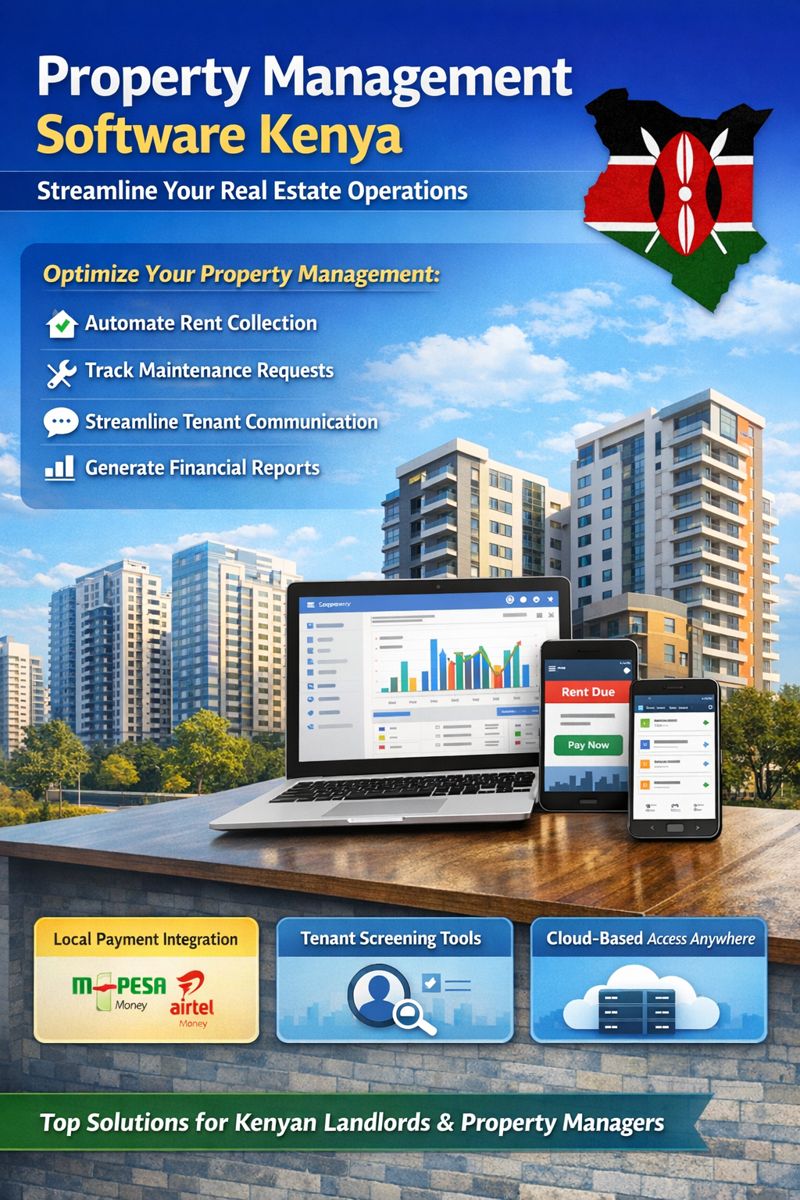
    • Automated Rent Reminders: Reduce late payments with automated SMS or email reminders tailored to Kenyan tenants.

    • Digital Receipts: Generate instant receipts after every payment for transparency and record-keeping.

    • Tenant Screening: Some software includes background checks and credit verification, ensuring you select reliable tenants.

    • Portfolio Management: Monitor multiple properties across Nairobi, Mombasa, Kisumu, and other Kenyan cities from a single dashboard.

    By leveraging these tools, landlords save time, reduce disputes, and maintain better relationships with tenants.


    How Property Management Software Improves Tenant Experience

    A satisfied tenant is a long-term tenant. Property management software improves tenant experience in Kenya by:

    • Online Rent Payment Options: Tenants can pay rent using M-Pesa, bank transfers, or other local payment gateways.

    • Quick Maintenance Requests: Tenants can log issues instantly through mobile or web apps.

    • Transparent Communication: Automated notifications keep tenants informed about lease renewals, rent changes, or property updates.

    • Access to Documents: Tenants can download contracts, invoices, and receipts without visiting the office.

    Happy tenants lead to fewer vacancies, timely payments, and positive referrals, which are essential for property growth in Kenya’s competitive real estate market.


    Integration with Kenyan Payment Systems

    One of the key factors that make property management software Kenya highly effective is its integration with local payment systems:

    • M-Pesa Integration: Accept rent payments directly from tenants using Kenya’s most popular mobile money platform.

    • Bank Transfers: Seamless integration with Kenyan banks ensures automated tracking of transactions.

    • Mobile Wallets: Some solutions support Airtel Money and PayPal, offering flexible payment options for tenants.

    Integrating local payment methods ensures faster transactions, reduces payment disputes, and improves cash flow management for property owners.


    Real-Life Example: Property Management Software in Action

    Consider a property management company in Nairobi managing 50 apartments across different neighborhoods. Using property management software Kenya:

    1. Rent collection is automated, reducing the need for manual follow-ups.

    2. Maintenance requests are logged digitally, tracked, and resolved within 48 hours.

    3. Financial reports are generated monthly, showing profits, pending payments, and operational costs.

    4. Tenants receive automatic notifications about lease renewals and maintenance schedules.

    The result? Improved operational efficiency, satisfied tenants, and a measurable increase in revenue.


    Local SEO Advantage: Targeting Kenyan Cities

    Optimizing property management software for specific cities in Kenya can attract local clients. Examples of local keywords to include:

    • Property management software Nairobi

    • Property management software Mombasa

    • Property management software Kisumu

    • Affordable property management software Kenya

    • Best property management software Kenya

    Using these city-specific keywords within headings, subheadings, and body content improves your chances of ranking higher on Google for searches within these locations.


    Common Challenges Solved by Property Management Software

    Manual property management often comes with issues like missed payments, delayed maintenance, and poor tenant communication. Software solutions in Kenya address these problems by:

    • Reducing Human Error: Automates calculations for rent, fees, and late charges.

    • Centralizing Data: All tenant, lease, and payment information is stored in one secure location.

    • Improving Compliance: Keeps track of Kenyan property laws, tax obligations, and lease requirements.

    • Enabling Remote Management: Manage properties from anywhere in Kenya without needing physical visits.


    Frequently Asked Questions (FAQs)

    Q1: Is property management software suitable for small landlords in Kenya?
    Yes. Even landlords with 1–5 properties benefit from automated rent collection, maintenance tracking, and reporting. The software scales as your portfolio grows.

    Q2: Can tenants pay rent using M-Pesa?
    Absolutely. Most Kenyan property management software supports M-Pesa and other local payment methods for convenience.

    Q3: How secure is property management software?
    Reputable platforms use encryption, secure logins, and cloud backups to protect sensitive tenant and financial data.

    Q4: Does the software comply with Kenyan property laws?
    Many property management platforms offer features for lease agreements, tenant screening, and tax reporting, aligning with Kenyan regulations.

    Q5: Can I manage properties in multiple Kenyan cities?
    Yes. Cloud-based software allows you to monitor and manage properties across Nairobi, Mombasa, Kisumu, and beyond from a single dashboard.


    Choosing the Best Property Management Software in Kenya

    When selecting software, prioritize the following:

    • User-Friendly Interface: Easy for both landlords and tenants to use.

    • Scalable Features: Should grow with your property portfolio.

    • Local Payment Support: M-Pesa, bank transfers, and mobile wallets.

    • Reliable Customer Support: Fast response times and troubleshooting assistance.

    • Affordable Pricing Plans: Software should provide value without straining your budget.

    Some popular options in Kenya include cloud-based platforms that cater specifically to the local market and offer multilingual support, mobile apps, and real-time notifications.


    Conclusion

    The Kenyan real estate industry is evolving rapidly, and property owners need smart tools to stay competitive. Property management software Kenya streamlines operations, improves tenant satisfaction, and ensures efficient financial management.

    From automating rent collection to handling maintenance requests and generating financial reports, this software is a game-changer for landlords, property managers, and real estate agencies.

    Investing in the right property management software today ensures your properties are managed professionally, tenants are happy, and your business thrives in Kenya’s dynamic real estate market.

  • Property Tracking Software for Landlords – Simplify Management

    Property Tracking Software for Landlords – Simplify Management
    Property Tracking Software for Landlords

    Property Tracking Software for Landlords: Simplify Property Management

    Managing rental properties can be overwhelming, especially if you have multiple units across different locations. Property tracking software for landlords is designed to simplify the process, helping you monitor every aspect of your property portfolio with ease and accuracy.

    What is Property Tracking Software for Landlords?

    Property tracking software is a digital solution that allows landlords to monitor, manage, and maintain their properties efficiently. From tracking rent payments and lease agreements to scheduling maintenance and managing tenants, this software offers a centralized platform for all property management tasks.

    With the rise of smart technology, landlords no longer need to rely on spreadsheets, physical files, or manual tracking methods. The software automates routine tasks, improves transparency, and reduces errors, saving landlords both time and money.

    Key Features of Property Tracking Software

    When choosing the best property tracking software for landlords, consider the following features:

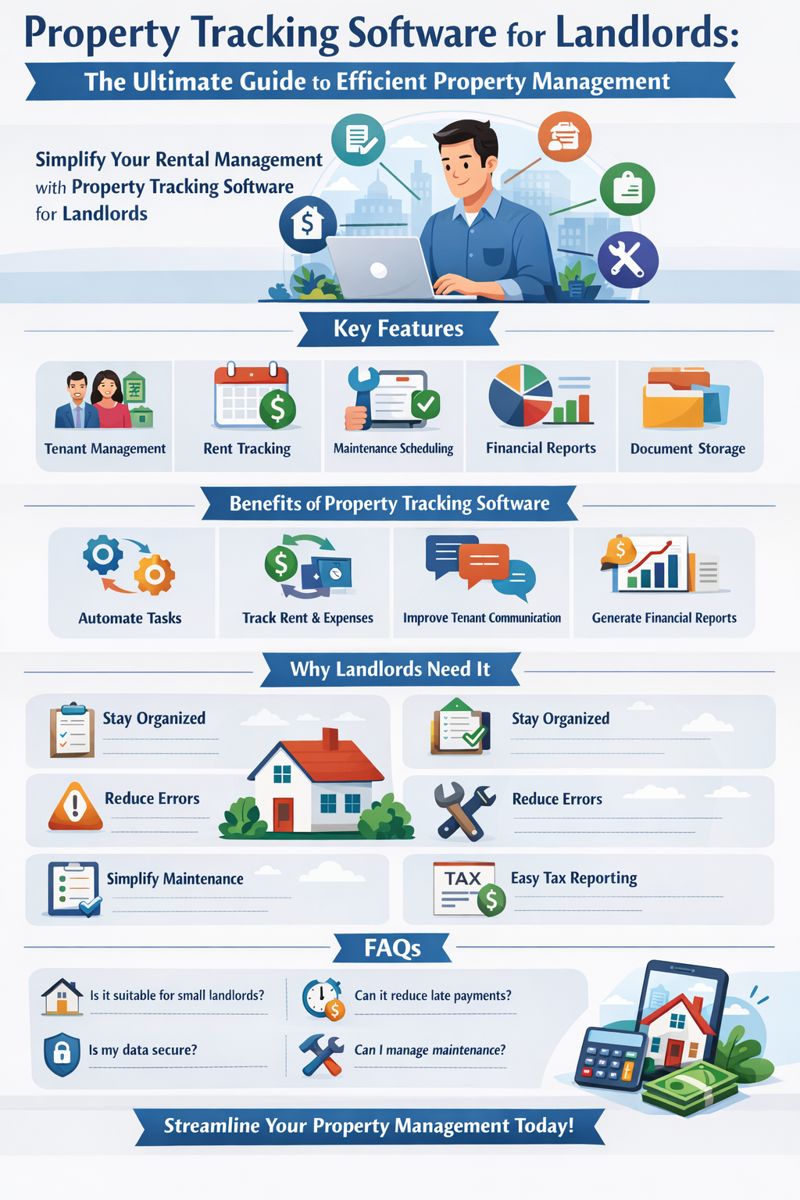
    1. Tenant Management – Store tenant information, track rent payments, and manage lease agreements effortlessly.

    2. Maintenance Scheduling – Keep track of property repairs, inspections, and maintenance tasks to ensure your properties remain in top condition.

    3. Financial Tracking – Monitor rent collections, expenses, and generate financial reports for better budgeting and forecasting.

    4. Document Storage – Digitally store important documents such as lease agreements, receipts, and insurance policies for easy access.

    5. Alerts and Notifications – Receive reminders for rent due dates, lease renewals, and maintenance deadlines.

    6. Mobile Access – Manage your properties from anywhere using mobile-friendly apps or cloud-based platforms.

    Benefits of Using Property Tracking Software for Landlords

    Implementing a property tracking system can bring numerous benefits:

    • Time-Saving – Automate repetitive tasks like rent reminders and reporting.

    • Better Organization – All property data is stored in one centralized system, eliminating the risk of losing important information.

    • Enhanced Communication – Quickly communicate with tenants regarding payments, maintenance, or announcements.

    • Financial Insights – Generate detailed reports to analyze cash flow, expenses, and profitability.

    • Compliance and Security – Keep sensitive tenant and property data secure while ensuring compliance with property laws and regulations.

    Why Landlords Need Property Tracking Software

    Whether you manage one property or multiple units, tracking every detail manually is prone to errors and stress. Property tracking software for landlords allows you to:

    • Stay on top of rent payments

    • Keep detailed records of tenants and leases

    • Schedule and track property maintenance

    • Simplify tax preparation and financial reporting

    By leveraging technology, landlords can focus on growing their rental business rather than being bogged down by administrative tasks.

    Choosing the Right Property Tracking Software

    When selecting property tracking software for landlords, consider factors like:

    • Ease of use and user interface

    • Cloud-based access and mobile compatibility

    • Customizable features tailored to your property portfolio

    • Affordable pricing plans

    • Customer support and training resources

    A reliable software solution will streamline your property management process, reduce errors, and maximize your rental income.

    Conclusion

    Managing rental properties doesn’t have to be complicated. With the right property tracking software for landlords, you can simplify operations, stay organized, and focus on growing your rental business. Invest in a system that combines efficiency, security, and convenience to make property management easier than ever.

    Property Tracking Software for Landlords: The Ultimate Guide to Efficient Property Management

    Managing rental properties can be challenging, especially when you own multiple units or even a full portfolio. From tracking rent payments to scheduling maintenance and keeping detailed tenant records, the responsibilities of a landlord can quickly become overwhelming. This is where property tracking software for landlords comes in—a digital solution that simplifies every aspect of property management.

    Whether you are a seasoned landlord or just starting, investing in a reliable property tracking system can save you time, reduce errors, and maximize rental income.


    What is Property Tracking Software for Landlords?

    Property tracking software for landlords is a specialized tool designed to help property owners manage and monitor their rental properties efficiently. The software consolidates all property-related data into a single platform, allowing landlords to track rent payments, lease agreements, maintenance schedules, and tenant information with ease.

    Unlike traditional spreadsheets or manual record-keeping, property tracking software provides automation, real-time updates, and detailed analytics, making property management more accurate and less stressful.


    Key Features of Property Tracking Software

    The right property tracking software should offer a range of features that cater to the specific needs of landlords. Some of the most important features include:

    1. Tenant Management

    Keep track of all your tenants in one place. You can record personal details, lease agreements, rent history, and communication logs. This ensures that all tenant information is readily accessible whenever needed.

    2. Rent Collection and Financial Tracking

    Automate rent reminders and track payments effortlessly. Most software provides dashboards that summarize financial performance, including outstanding rents, upcoming payments, and annual income reports.

    3. Maintenance and Repairs

    Schedule property maintenance tasks and track completion status. The software can also generate work orders and reminders for inspections, ensuring that properties remain in top condition and tenants are satisfied.

    4. Document Management

    Digitally store essential documents such as lease agreements, property deeds, insurance papers, and receipts. This reduces clutter and makes accessing information fast and secure.

    5. Alerts and Notifications

    Stay informed with automated alerts for rent due dates, lease renewals, inspection schedules, and maintenance deadlines. This proactive approach prevents missed deadlines and late payments.

    6. Mobile and Cloud Access

    Manage your properties on the go. Most property tracking software offers mobile apps and cloud-based access, allowing landlords to monitor operations from anywhere, at any time.


    Benefits of Property Tracking Software for Landlords

    Using a property tracking system offers numerous benefits that make property management easier, more organized, and profitable:

    • Time Efficiency: Automate repetitive tasks like reminders, reporting, and tenant communication, freeing up time for more strategic decisions.

    • Centralized Information: Keep all property and tenant data in one secure location.

    • Improved Tenant Communication: Streamline communication with tenants through automated messages and notifications.

    • Financial Insights: Generate detailed reports to monitor cash flow, analyze expenses, and plan budgets effectively.

    • Compliance and Security: Safeguard sensitive tenant and property data while ensuring adherence to property management laws and regulations.

    • Reduced Errors: Automation minimizes human error in calculations, record-keeping, and reporting.


    Why Landlords Need Property Tracking Software

    Manual property management methods like spreadsheets and paper files are prone to errors, miscommunication, and missed deadlines. Property tracking software for landlords addresses these challenges by providing:

    • Organized Record-Keeping: Every transaction, lease, and maintenance task is stored digitally.

    • Accurate Rent Tracking: Monitor payments and identify late or missed rents immediately.

    • Simplified Tax Reporting: Easily generate financial reports required for tax filings and audits.

    • Better Tenant Experience: Respond promptly to maintenance requests and streamline communications.

    • Scalability: As your property portfolio grows, the software adapts to handle more units without adding complexity.


    Choosing the Right Property Tracking Software

    Not all property tracking software is created equal. Here are essential factors to consider when selecting a solution:

    • Ease of Use: A user-friendly interface saves time and reduces the learning curve.

    • Cloud and Mobile Access: Allows management from anywhere, which is especially useful for landlords with multiple properties.

    • Customizable Features: Choose software that adapts to your unique property portfolio and management needs.

    • Customer Support: Reliable support ensures that you can resolve issues quickly and continue managing your properties without disruption.

    • Pricing: Compare plans and features to find an affordable option that delivers the best value.

    • Integration Capabilities: Ability to integrate with accounting software or other property management tools for seamless operations.


    Top Trends in Property Tracking Software

    Modern property tracking solutions incorporate innovative features to enhance landlord productivity:

    • AI-Driven Analytics: Predict rental trends, tenant behavior, and maintenance needs.

    • IoT Integration: Monitor smart home devices in rental units for security and maintenance purposes.

    • Online Payments: Accept digital rent payments, improving efficiency and reducing late payments.

    • Multi-Property Dashboards: Manage multiple units across locations from a single platform.

    • Tenant Portals: Tenants can submit maintenance requests, view payment history, and communicate directly through the software.


    Frequently Asked Questions (FAQs)

    Q1: Is property tracking software suitable for small landlords?

    Yes! Even landlords with just one or two rental units can benefit from streamlined operations, accurate record-keeping, and automated rent tracking.

    Q2: Can property tracking software help reduce late payments?

    Absolutely. Automated rent reminders and online payment options make it easier for tenants to pay on time, reducing late or missed payments.

    Q3: Is cloud-based property tracking software secure?

    Yes. Most modern solutions offer secure cloud storage with encryption and access controls to protect sensitive tenant and property information.

    Q4: Can I track maintenance tasks using property tracking software?

    Yes, you can schedule, assign, and monitor maintenance tasks to ensure properties remain in good condition and tenant satisfaction is maintained.

    Q5: Do landlords need technical skills to use property tracking software?

    No, most property tracking solutions are user-friendly and require minimal technical skills. Many platforms provide tutorials and customer support to help you get started.


    Conclusion

    Managing rental properties no longer needs to be a time-consuming, stressful task. Property tracking software for landlords offers a comprehensive solution that simplifies tenant management, rent collection, maintenance scheduling, and financial reporting.

    By adopting the right software, landlords can save time, reduce errors, improve tenant satisfaction, and maximize rental income. Investing in a property tracking system is not just about convenience—it’s a strategic move toward smarter, more efficient property management.

  • Estate Management Services in Kenya | Professional Property Care

    Estate Management Services in Kenya | Professional Property Care
    Estate Management Services in Kenya

    Estate Management Services in Kenya – Professional Property Solutions You Can Trust

    Estate management services in Kenya play a critical role in helping property owners efficiently manage residential, commercial, and mixed-use properties. With rapid urban growth in cities like Nairobi, Mombasa, Kisumu, Nakuru, and Eldoret, professional estate managers ensure properties remain profitable, compliant, and well maintained.

    Whether you own rental apartments, office blocks, gated communities, or commercial buildings, reliable estate management services help you save time, reduce costs, and maximize returns on investment.


    What Are Estate Management Services?

    Estate management involves the administration, maintenance, financial management, and legal compliance of real estate properties on behalf of property owners. In Kenya, estate management services are regulated by professional standards and often delivered by licensed property managers and real estate firms.


    Key Estate Management Services Offered in Kenya

    1. Property Maintenance & Repairs

    Professional estate managers coordinate routine and emergency maintenance services, including plumbing, electrical work, cleaning, landscaping, and security services. This helps maintain property value and tenant satisfaction.

    2. Rent Collection & Financial Management

    Estate management companies handle rent collection, invoicing, arrears follow-ups, and financial reporting. Property owners receive transparent statements, ensuring steady cash flow and accountability.

    3. Tenant Management

    From tenant sourcing and screening to lease administration and dispute resolution, estate managers ensure smooth landlord-tenant relationships while minimizing vacancy rates.

    4. Legal & Regulatory Compliance

    Estate management services in Kenya ensure properties comply with local county laws, tenancy regulations, and safety standards, protecting property owners from legal risks.

    5. Property Marketing & Vacancy Management

    Professional managers market vacant units using online platforms, signage, and real estate networks to attract reliable tenants quickly.

    6. Estate Administration & Reporting

    Detailed reporting on occupancy rates, maintenance costs, income, and expenses gives property owners full visibility and control over their investments.


    Benefits of Hiring Estate Management Services in Kenya

    • ✅ Increased rental income and reduced vacancies

    • ✅ Professional handling of tenants and contracts

    • ✅ Timely maintenance and reduced repair costs

    • ✅ Accurate financial records and reporting

    • ✅ Legal compliance and risk reduction

    • ✅ Peace of mind for property owners


    Who Needs Estate Management Services?

    Estate management services are ideal for:

    • Individual landlords

    • Real estate investors

    • Property developers

    • Corporate property owners

    • Homeowners associations (HOAs)

    • Commercial property owners


    Estate Management Services in Major Kenyan Cities

    Professional estate management services are widely available in:

    • Nairobi – apartments, offices, gated estates

    • Mombasa – holiday rentals, residential estates

    • Kisumu – commercial and residential properties

    • Nakuru & Eldoret – growing real estate markets


    Why Choose Professional Estate Managers in Kenya?

    Hiring professional estate management services ensures your property is managed by experts who understand the Kenyan real estate market, tenant behavior, and local regulations. Modern firms also use digital property management systems to improve efficiency, transparency, and communication.


    Final Thoughts

    Estate management services in Kenya are essential for property owners seeking efficiency, profitability, and long-term property value. With expert handling of tenants, finances, and maintenance, professional estate managers allow you to focus on growth while your property is managed seamlessly.

    Technology-Driven Estate Management Services in Kenya

    Modern estate management services in Kenya are increasingly powered by digital property management platforms. These systems allow property owners to track rent payments, maintenance requests, tenant records, and financial reports in real time.

    By using technology-driven estate management solutions, property owners benefit from:

    • Automated rent invoicing and reminders

    • Online tenant portals

    • Digital maintenance tracking

    • Secure financial reporting

    • Improved communication between landlords and tenants


    How to Choose the Best Estate Management Company in Kenya

    When selecting estate management services in Kenya, consider the following factors:

    ✔ Experience & Reputation

    Choose firms with a proven track record managing residential and commercial properties across Kenya.

    ✔ Transparency & Reporting

    Ensure the company provides clear financial statements and regular performance reports.

    ✔ Legal Knowledge

    A good estate manager understands Kenyan tenancy laws, county regulations, and compliance requirements.

    ✔ Technology Adoption

    Firms using modern estate management software offer better efficiency and accountability.

    ✔ Customer Support

    Responsive communication is critical for handling tenant issues and emergencies.


    Cost of Estate Management Services in Kenya

    The cost of estate management services in Kenya typically depends on:

    • Type of property (residential or commercial)

    • Number of units

    • Location

    • Scope of services required

    On average, estate management fees range between 5% and 10% of monthly rental income, though custom pricing may apply for large estates or commercial properties.


    Frequently Asked Questions (FAQs)

    What does an estate management company do in Kenya?

    An estate management company manages tenants, collects rent, handles maintenance, ensures legal compliance, and provides financial reporting for property owners.

    Are estate management services regulated in Kenya?

    Yes. Estate managers operate under Kenyan real estate and tenancy laws and often follow professional standards set by recognized property bodies.

    Can estate management companies handle multiple properties?

    Yes. Professional estate management services in Kenya are designed to manage single units, apartment blocks, gated estates, and large commercial properties.

    Is estate management suitable for absentee landlords?

    Absolutely. Estate management services are ideal for landlords living outside the city or abroad who need professional oversight of their properties.


     Estate Management Services Near You

    Searching for estate management services near me? Professional estate managers are available across Kenya, offering tailored services for both residential and commercial properties.

    Popular search locations include:

    • Estate management services in Nairobi

    • Estate management services in Mombasa

    • Estate management services in Kisumu

    • Estate management services in Nakuru

    • Estate management services in Eldoret


    Why Estate Management Services Are Important in Kenya’s Growing Real Estate Market

    With increasing property investments across Kenya, effective estate management ensures:

    • Higher tenant retention

    • Reduced operational risks

    • Consistent rental income

    • Long-term property value appreciation

    Professional estate management services help property owners navigate market challenges while maintaining competitive and well-managed properties.


    Call to Action

    Looking for reliable estate management services in Kenya? Partner with experienced professionals who deliver efficient property administration, transparent financial management, and excellent tenant care.

    👉 Contact a trusted estate management provider today and manage your property with confidence.

  • Property Administration Platform for Smart Property Management

    Property Management Software Kenya – Streamline Your Rentals
    Property Management Software Kenya

    Property Administration Platform: Simplifying Modern Property Management

    A property administration platform is an all-in-one digital solution designed to help property owners, landlords, estate managers, and real estate companies manage properties efficiently. From tenant records and rent collection to maintenance tracking and financial reporting, a modern property administration platform automates complex tasks and improves operational transparency.

    As real estate portfolios grow, manual property administration becomes time-consuming and error-prone. A cloud-based property administration platform offers centralized control, real-time insights, and scalable tools for managing residential, commercial, and mixed-use properties.


    What Is a Property Administration Platform?

    A property administration platform is software that streamlines the administrative functions involved in managing property assets. It enables users to:

    • Manage tenant and lease information

    • Automate rent billing and payment tracking

    • Monitor maintenance and service requests

    • Generate financial and occupancy reports

    • Ensure compliance with lease agreements

    Unlike traditional spreadsheets or manual systems, a property administration platform provides secure, cloud-based access to property data anytime, anywhere.


    Key Features of a Property Administration Platform

    1. Tenant and Lease Management

    A robust property administration platform stores tenant profiles, lease terms, rent amounts, and contract durations in one place. Automated reminders help prevent missed renewals and overdue payments.

    2. Rent Collection and Invoicing

    With automated billing and digital payment options, a property administration platform simplifies rent collection, reduces delays, and improves cash flow consistency.

    3. Maintenance and Service Tracking

    Tenants can log maintenance requests directly through the platform, while property managers can assign tasks, track progress, and maintain service history.

    4. Financial Reporting and Analytics

    A property administration platform generates real-time financial reports, including income statements, expense tracking, arrears reports, and occupancy rates.

    5. Multi-Property Management

    Whether managing a single building or hundreds of units, a property administration platform allows centralized control across multiple locations and property types.


    Benefits of Using a Property Administration Platform

    Improved Efficiency

    Automation reduces manual paperwork and repetitive tasks, allowing property managers to focus on growth and tenant satisfaction.

    Enhanced Transparency

    All stakeholders can access accurate, up-to-date information, improving trust between landlords, tenants, and administrators.

    Better Financial Control

    Real-time reporting and payment tracking help prevent revenue leakage and support informed financial decision-making.

    Scalability

    A property administration platform grows with your portfolio, making it ideal for individual landlords, real estate firms, and property management companies.

    Remote Access

    Cloud-based platforms enable property administration from any location, improving flexibility and responsiveness.


    Who Needs a Property Administration Platform?

    A property administration platform is ideal for:

    • Real estate companies

    • Estate and property managers

    • Landlords with multiple units

    • Commercial property owners

    • Housing associations and agencies

    Whether managing apartments, offices, retail spaces, or gated communities, the platform provides structured and efficient property administration.


    Property Administration Platform vs Traditional Property Management

    Traditional Methods Property Administration Platform
    Manual record keeping Centralized digital records
    Delayed reporting Real-time analytics
    Paper invoices Automated billing
    Limited scalability Easily scalable
    Higher error rates Reduced human errors

    Choosing the Right Property Administration Platform

    When selecting a property administration platform, consider:

    • Ease of use and onboarding

    • Local payment integrations

    • Data security and backups

    • Custom reporting capabilities

    • Customer support availability

    A platform tailored to your market and property type delivers better results and long-term value.


    The Future of Property Administration Platforms

    The future of property administration platforms lies in AI-driven analytics, automated tenant communication, smart building integrations, and mobile-first management. As the real estate industry becomes increasingly digital, adopting a modern property administration platform is no longer optional—it is essential for competitive advantage.


    Conclusion

    A property administration platform is a powerful tool that transforms how properties are managed. By automating administration, improving transparency, and providing actionable insights, it helps property owners and managers save time, reduce costs, and maximize returns.

    If you want to modernize your real estate operations, investing in a reliable property administration platform is a smart and future-ready decision.

    Use Cases of a Property Administration Platform

    A modern property administration platform supports a wide range of real-world property management scenarios:

    Residential Property Management

    Landlords and property managers use a property administration platform to manage apartments, rental houses, and gated communities. Features such as tenant portals, automated rent reminders, and maintenance tracking improve tenant satisfaction and retention.

    Commercial Property Administration

    For office buildings, retail centers, and warehouses, a property administration platform simplifies lease tracking, service charge management, and multi-tenant billing.

    Estate and Community Management

    Property administration platforms are ideal for managing estates and housing communities, handling shared facilities, utilities billing, and compliance documentation in one centralized system.

    Real Estate Agencies

    Agencies managing properties on behalf of owners benefit from transparent reporting, automated owner statements, and clear financial accountability using a property administration platform.


    How a Property Administration Platform Improves Tenant Experience

    A key advantage of using a property administration platform is improved tenant engagement:

    • Online rent payments and receipts

    • Maintenance request submission and tracking

    • Automated notifications and announcements

    • Secure access to lease documents

    By providing self-service options, a property administration platform reduces disputes and enhances communication between tenants and property managers.


    Security and Data Protection in Property Administration Platforms

    Data security is critical in property management. A reliable property administration platform includes:

    • Secure cloud hosting

    • Encrypted data storage

    • Role-based user access

    • Automated data backups

    These features ensure sensitive tenant, financial, and property information remains protected and compliant with data protection standards.


    Integration Capabilities

    An advanced property administration platform integrates seamlessly with:

    • Online payment gateways

    • Accounting and ERP systems

    • SMS and email notification services

    • Mobile applications

    Integrations allow property managers to create a fully connected digital ecosystem for efficient property administration.


    SEO Advantages of Promoting a Property Administration Platform

    If you are marketing a SaaS or property tech solution, optimizing content around property administration platform offers strong SEO benefits:

    • High-intent keyword for B2B and real estate searches

    • Long-tail variations such as online property administration platform and cloud property administration software

    • Ideal for landing pages, blog content, and comparison pages

    Consistent keyword placement improves visibility in search engines and drives qualified traffic.


    Frequently Asked Questions (FAQs)

    What is the purpose of a property administration platform?

    The purpose of a property administration platform is to automate and centralize property management tasks such as tenant records, rent collection, maintenance, and financial reporting.

    Is a property administration platform suitable for small landlords?

    Yes. A property administration platform is scalable and can be used by individual landlords, small property managers, and large real estate firms.

    Can a property administration platform handle multiple properties?

    Yes. Most platforms are designed to manage multiple properties and units from a single dashboard.

    Is cloud-based property administration secure?

    Yes. Reputable platforms use encryption, secure servers, and regular backups to protect user data.

    How much does a property administration platform cost?

    Costs vary depending on features, number of units, and level of support, but most platforms offer flexible pricing models.


    Call to Action

    If you are looking to streamline operations, improve tenant satisfaction, and gain better financial control, a property administration platform is the ideal solution. Choose a platform that aligns with your property size, market needs, and growth goals.

    Invest in a property administration platform today and transform how you manage properties.

  • Online Estate Management | Efficient Property Management Solutions


    Online Estate Management: Simplifying Property Oversight

    In today’s digital age, managing estates has evolved beyond traditional paperwork and manual tracking. Online estate management has emerged as a revolutionary solution for property owners, estate managers, and tenants, providing seamless control and transparency. Whether you are overseeing residential complexes, commercial properties, or mixed-use estates, adopting online tools can save time, reduce errors, and enhance efficiency.

    What is Online Estate Management?

    Online estate management refers to the use of digital platforms and software to oversee, monitor, and streamline the operations of real estate properties. These platforms provide centralized access to important information such as:

    • Tenant records and communication

    • Rent collection and payment tracking

    • Maintenance requests and scheduling

    • Financial reporting and analytics

    • Document storage and compliance tracking

    By moving estate operations online, managers can make data-driven decisions while improving the overall experience for tenants and stakeholders.

    Benefits of Online Estate Management

    Implementing an online estate management system offers multiple advantages:

    1. Increased Efficiency

    Manual management of estate records is time-consuming and prone to errors. Online systems automate tasks like invoicing, reminders, and maintenance tracking, allowing estate managers to focus on strategic decision-making.

    2. Real-Time Access

    With online estate management platforms, property managers and tenants can access vital information anytime, anywhere. Real-time updates ensure quicker responses to tenant requests and smoother communication across the estate.

    3. Transparent Financial Management

    Online platforms track income, expenses, and outstanding payments, providing accurate financial reports. This transparency helps build trust with tenants and ensures compliance with regulatory requirements.

    4. Simplified Maintenance Management

    Tenants can submit maintenance requests online, and managers can assign and track jobs efficiently. This reduces downtime, enhances tenant satisfaction, and prolongs property lifespan.

    5. Data Security and Compliance

    Digital platforms offer secure storage for all estate documents and contracts. Compliance features ensure that property operations adhere to local laws and regulations.

    Features of an Effective Online Estate Management System

    When choosing an online estate management solution, look for the following features:

    • Tenant and Lease Management: Track lease agreements, renewals, and tenant history.

    • Automated Billing and Payment: Manage rent, service charges, and other payments online.

    • Maintenance Tracking: Submit, assign, and track maintenance requests.

    • Reporting & Analytics: Generate detailed financial and operational reports.

    • Communication Tools: Send announcements, notifications, and reminders seamlessly.

    Why Online Estate Management is the Future

    The real estate industry is rapidly embracing digital transformation. By moving estate management online, property owners can optimize operations, improve tenant experiences, and reduce operational costs. As urbanization continues, online estate management solutions will become essential for modern estate operations.

    How Online Estate Management Works

    Online estate management platforms operate through cloud-based systems that centralize all estate activities into one dashboard. Estate managers, landlords, and tenants log in securely to perform their respective roles.

    Step-by-Step Process:

    1. Property Setup: Add estate details, units, owners, and service charges.

    2. Tenant Onboarding: Upload tenant information, lease terms, and payment schedules.

    3. Digital Payments: Tenants pay rent and service charges online via mobile money or bank transfers.

    4. Maintenance Requests: Tenants submit issues online, which are tracked to resolution.

    5. Reporting & Insights: Managers access real-time financial and operational reports.

    This digital workflow eliminates paperwork, delays, and miscommunication common in traditional estate management.

    Who Needs Online Estate Management?

    Online estate management solutions are ideal for:

    • Residential estate owners

    • Property management companies

    • Commercial property managers

    • Landlords with multiple units

    • Real estate developers

    • Gated community administrators

    Whether managing a small apartment block or a large housing estate, online estate management ensures consistent, organized, and professional operations.

    Key Advantages Over Traditional Estate Management

    Traditional Management Online Estate Management
    Manual rent tracking Automated digital payments
    Paper-based records Secure cloud storage
    Delayed communication Instant notifications
    Limited transparency Real-time reports
    High error rates Accurate automated systems

    The shift to online estate management significantly reduces operational costs and enhances accountability.

    Online Estate Management and Tenant Satisfaction

    Tenant experience is a critical factor in property retention. Online estate management platforms improve tenant satisfaction by offering:

    • Easy rent payment options

    • Fast response to maintenance issues

    • Transparent billing and statements

    • Direct communication with estate managers

    Happy tenants are more likely to renew leases, reducing vacancy rates and increasing long-term revenue.

    Security and Data Protection in Online Estate Management

    Modern online estate management systems prioritize data security through:

    • Encrypted databases

    • Secure login authentication

    • Regular system backups

    • Controlled user access levels

    This ensures sensitive tenant, financial, and property data remain protected at all times.

    Integration with Other Digital Tools

    Online estate management platforms can integrate with:

    • Accounting software

    • Mobile money payment gateways

    • SMS and email notification systems

    • Access control and smart estate technologies

    These integrations further enhance efficiency and scalability for growing estates.

    Online Estate Management for African & Kenyan Markets

    In regions like Kenya and across Africa, online estate management is gaining rapid adoption due to:

    • High mobile money usage

    • Growing urban housing estates

    • Increased demand for transparency

    • Remote property ownership

    Estate managers can manage properties remotely while tenants enjoy convenient digital services, making online estate management highly relevant in modern African real estate markets.

    Common Challenges Solved by Online Estate Management

    • Late or missing rent payments

    • Poor record keeping

    • Lack of financial transparency

    • Slow maintenance response

    • Tenant-manager disputes

    By digitizing processes, these challenges are significantly reduced or eliminated.

    Frequently Asked Questions (FAQs)

    What is online estate management software?

    Online estate management software is a digital platform that helps manage property operations such as rent collection, maintenance, tenant records, and financial reporting.

    Is online estate management secure?

    Yes. Most platforms use encrypted data storage, secure authentication, and backups to protect sensitive information.

    Can small estates use online estate management?

    Absolutely. Online estate management is scalable and works for both small and large estates.

    Does online estate management support mobile payments?

    Most modern systems support mobile money, bank transfers, and online payment gateways.

    Can I manage my estate remotely?

    Yes. Online estate management allows you to manage properties from anywhere with internet access.

    Future Trends in Online Estate Management

    The future of online estate management includes:

    • AI-driven maintenance predictions

    • Smart estate integrations (IoT)

    • Automated lease renewals

    • Advanced analytics and dashboards

    These innovations will continue to transform how estates are managed digitally.

    Final Thoughts

    Online estate management is transforming the real estate industry by offering efficiency, transparency, and convenience. As estates grow and tenant expectations rise, adopting online estate management is no longer optional—it’s essential. Property owners and managers who embrace digital solutions gain a competitive edge, improved tenant relationships, and better financial control.

  • Real Estate Administration: Streamline Property Management

    Real Estate Administration: Efficient Property Management Strategies

    Managing properties effectively requires more than just oversight—it demands a systematic approach known as real estate administration. This crucial process ensures properties are well-maintained, compliant with legal requirements, and profitable for owners and investors.

    What is Real Estate Administration?

    Real estate administration refers to the professional management of property assets, including residential, commercial, and industrial spaces. It involves tasks such as:

    • Property maintenance and repairs

    • Tenant relations and leasing management

    • Financial management and budgeting

    • Legal compliance and documentation

    • Strategic investment planning

    Effective administration ensures that properties retain their value, generate consistent income, and meet the expectations of tenants and stakeholders.

    Key Responsibilities in Real Estate Administration

    1. Property Maintenance and Upkeep
      A central aspect of real estate administration is ensuring properties remain in excellent condition. Regular inspections, timely repairs, and preventive maintenance help maintain property value and tenant satisfaction.

    2. Tenant and Lease Management
      Administrators handle tenant communications, lease agreements, rent collection, and conflict resolution. This fosters a positive tenant experience while ensuring compliance with rental laws and agreements.

    3. Financial Oversight
      Real estate administrators manage budgets, track expenses, and prepare financial reports. This helps owners make informed decisions and ensures profitability.

    4. Legal Compliance
      Staying updated with property laws, zoning regulations, and tax obligations is essential. Proper documentation and adherence to regulations prevent legal disputes and penalties.

    5. Investment Planning
      Real estate administration also involves evaluating potential investments, analyzing market trends, and recommending strategies to maximize returns.

    Benefits of Professional Real Estate Administration

    • Increased Property Value: Proper management and maintenance enhance property appeal and longevity.

    • Higher Tenant Retention: Efficient tenant relations reduce vacancy rates and attract reliable tenants.

    • Optimized Cash Flow: Strategic financial management ensures consistent rental income and reduces unnecessary costs.

    • Risk Mitigation: Compliance with laws and proactive maintenance reduce legal and operational risks.

    How Technology Enhances Real Estate Administration

    Modern real estate administration increasingly relies on technology. Property management software allows administrators to:

    • Automate rent collection and billing

    • Track maintenance requests efficiently

    • Store legal documents digitally

    • Generate financial and performance reports

    By leveraging digital tools, administrators can save time, reduce errors, and improve overall property performance.

    Conclusion

    Effective real estate administration is essential for property owners and investors who want to maximize returns and minimize operational headaches. By combining strategic planning, tenant management, financial oversight, and technological tools, real estate administrators ensure properties remain profitable, compliant, and well-maintained.

    Real Estate Administration: A Comprehensive Guide for Property Owners and Investors

    Effective property management is critical to ensuring profitability, compliance, and tenant satisfaction. This is where real estate administration plays a central role. Whether you own residential apartments, commercial offices, or mixed-use properties, adopting professional administration strategies can transform your investment into a sustainable income source.


    What is Real Estate Administration?

    Real estate administration refers to the professional oversight of property operations, from tenant management to financial accounting, legal compliance, and long-term investment planning. It’s more than managing day-to-day tasks—it’s about strategically enhancing the value and profitability of real estate assets.

    Key aspects include:

    • Lease and tenant management

    • Financial planning and accounting

    • Property maintenance and repairs

    • Compliance with laws and regulations

    • Investment analysis and strategic growth

    By integrating these elements, administrators ensure that properties operate smoothly and generate consistent revenue.


    Core Responsibilities in Real Estate Administration

    1. Property Maintenance and Upkeep

    Maintaining properties is at the heart of real estate administration. Regular inspections, timely repairs, and preventive maintenance ensure the property retains its value. This can include:

    • Routine checks on plumbing, electrical systems, and structural integrity

    • Landscaping and exterior upkeep

    • Renovations to modernize interiors and increase property appeal

    Example: In Nairobi, apartment complexes with consistent maintenance reports attract tenants faster and command higher rents compared to poorly maintained buildings.


    2. Tenant Relations and Lease Management

    Keeping tenants satisfied is essential for long-term profitability. Responsibilities include:

    • Managing lease agreements and renewals

    • Collecting rent and enforcing payment terms

    • Resolving tenant complaints and conflicts

    • Conducting background checks on potential tenants

    Good tenant management reduces vacancy rates, minimizes disputes, and improves the overall reputation of your property.


    3. Financial Oversight

    A real estate administrator manages budgets, financial records, and investment performance. This includes:

    • Tracking rental income and expenditures

    • Preparing monthly and annual financial reports

    • Forecasting cash flow and managing reserves for maintenance

    • Advising owners on cost-saving opportunities

    Effective financial oversight ensures stable revenue streams and prevents unexpected losses.


    4. Legal Compliance

    Real estate administration requires strict adherence to property laws, zoning regulations, and tax requirements. Responsibilities include:

    • Ensuring rental agreements comply with local laws

    • Maintaining proper documentation for property ownership

    • Staying updated on land use policies and local regulations

    Compliance not only protects owners from legal disputes but also enhances credibility with tenants and investors.


    5. Strategic Investment Planning

    A professional real estate administrator can guide long-term investment decisions. This includes:

    • Conducting market research to identify high-demand areas

    • Recommending property improvements that increase value

    • Evaluating the ROI of potential property acquisitions

    For example, investing in commercial properties along Nairobi’s growing business districts can yield higher rental returns compared to underdeveloped areas.


    Benefits of Professional Real Estate Administration

    Implementing a structured real estate administration system provides multiple benefits:

    • Increased Property Value: Well-maintained properties attract premium tenants and higher rental yields.

    • Higher Tenant Retention: Effective tenant management reduces vacancy rates and fosters long-term leases.

    • Optimized Cash Flow: Strategic budgeting and financial tracking ensure steady rental income and minimize costs.

    • Reduced Risks: Legal compliance, proper documentation, and risk management reduce financial and operational threats.

    • Data-Driven Decisions: Administrators can provide analytics to improve property performance and guide future investments.


    How Technology is Transforming Real Estate Administration

    Modern technology plays a pivotal role in enhancing real estate administration efficiency:

    • Property Management Software: Automates rent collection, tracks maintenance requests, and generates financial reports.

    • Digital Lease Management: Stores contracts and tenant data securely online, ensuring compliance and easy access.

    • AI-Powered Analytics: Helps forecast market trends, rental pricing, and investment opportunities.

    • Mobile Solutions: Enables property managers to oversee multiple properties remotely, reducing operational delays.

    Example: In Kenya, platforms like EstateAdmin help property owners manage rental income, maintenance schedules, and tenant interactions from a single dashboard.


    Local Context: Real Estate Administration in Kenya

    In Kenya, the real estate market is expanding rapidly, especially in urban centers such as Nairobi, Mombasa, and Eldoret. Key factors influencing property management include:

    • High demand for rental apartments due to urban migration

    • Rising property values and investment opportunities

    • Compliance with Kenyan laws, including the Land Registration Act and tenancy regulations

    Property owners who adopt professional real estate administration practices in Kenya can benefit from better tenant satisfaction, reduced operational risks, and maximized ROI.


    Tips for Effective Real Estate Administration

    1. Keep Detailed Records: Track maintenance, tenant communications, and financial reports.

    2. Invest in Technology: Use property management software to automate daily operations.

    3. Regularly Review Leases: Ensure contracts reflect current market rates and legal standards.

    4. Plan Preventive Maintenance: Avoid costly repairs by addressing issues early.

    5. Hire Skilled Staff or Managers: A competent team ensures smooth property operations and tenant satisfaction.


    Conclusion

    Real estate administration is the backbone of successful property ownership and investment. By combining strategic planning, tenant management, financial oversight, legal compliance, and technology, property owners can ensure their investments remain profitable, compliant, and well-maintained.

    In Kenya and beyond, professional administration is no longer optional—it’s a critical factor in achieving sustainable growth in real estate. Whether managing a single apartment or a large commercial complex, structured administration is key to long-term success.

  • Property Management Software Kenya – Streamline Your Rentals

    Property Management Software Kenya – Streamline Your Rentals
    Property Management Software Kenya

    Property Management Software Kenya: Streamline Your Real Estate Operations

    In today’s fast-paced real estate market, managing multiple properties efficiently can be challenging. This is where property management software in Kenya comes in, offering a powerful solution for landlords, property managers, and real estate agencies. From automating rent collection to tracking maintenance requests, modern software solutions simplify every aspect of property management.

    Why Property Management Software is Essential in Kenya

    Kenya’s real estate sector has experienced rapid growth in recent years, with increasing demand for residential, commercial, and rental properties. Traditional property management methods, such as manual record-keeping and spreadsheets, are no longer sufficient. Investing in property management software Kenya provides:

    • Efficient Rent Collection: Automate invoicing, reminders, and payment tracking to ensure timely rent collection.

    • Maintenance Management: Keep track of repairs, schedule service tasks, and assign work orders seamlessly.

    • Tenant Communication: Streamlined communication channels for tenant queries, notices, and updates.

    • Financial Reporting: Generate real-time reports on income, expenses, and property performance.

    • Document Management: Digitize contracts, tenancy agreements, and other essential documents.

    Key Features of Property Management Software in Kenya

    When choosing the right software, consider features tailored to the Kenyan market:

    1. Mobile Accessibility: Access property data on the go using smartphones or tablets.

    2. Local Payment Integration: Support for Kenyan payment platforms like M-Pesa, Airtel Money, and bank transfers.

    3. Tenant Screening: Tools for background checks and verifying rental applications.

    4. Automated Reminders: Notifications for rent, lease renewals, and maintenance schedules.

    5. Cloud-Based Storage: Secure storage for all property data accessible anywhere.

    Benefits for Kenyan Property Managers

    Using property management software in Kenya offers multiple advantages:

    • Time Savings: Reduce administrative workload by automating routine tasks.

    • Improved Accuracy: Minimize errors in financial reporting and tenant records.

    • Enhanced Tenant Experience: Quick response times and organized communication build tenant trust.

    • Scalability: Manage an expanding property portfolio without additional staff.

    • Data-Driven Decisions: Analyze property performance to make informed business decisions.

    Choosing the Right Property Management Software in Kenya

    When selecting software for your property business, consider the following:

    • Ease of Use: User-friendly interfaces reduce training time.

    • Customizable Features: Adapt software functionalities to match your property portfolio.

    • Customer Support: Reliable local support ensures minimal downtime.

    • Security: Ensure data protection with encrypted storage and backup systems.

    • Affordability: Opt for software that balances features with cost-effectiveness.

    Popular Property Management Software in Kenya

    Some leading solutions in the Kenyan market include:

    • Buildium: Comprehensive management for residential and commercial properties.

    • RentSmart Africa: Tailored for African property managers, including Kenyan landlords.

    • PropertyPal Kenya: Offers cloud-based property management with mobile support.

    Conclusion

    Investing in property management software Kenya is no longer optional—it’s essential for efficient, modern, and profitable property management. Whether you manage a single building or a large portfolio, the right software will save time, reduce errors, and improve tenant satisfaction. Explore the options available in Kenya today and take your property management to the next level.


    Property Management Software Kenya: Transforming Real Estate Management

    The Kenyan real estate sector is growing rapidly, with more residential and commercial properties entering the market every day. For landlords and property managers, keeping track of rent payments, maintenance schedules, and tenant communication can be overwhelming. This is where property management software in Kenya becomes a game-changer, helping property owners streamline operations, reduce errors, and improve tenant satisfaction.

    Why Kenyan Property Managers Need Property Management Software

    Manual property management is time-consuming and prone to errors. Spreadsheets, paper files, and phone calls are no longer sufficient for efficient property oversight. By investing in property management software Kenya, landlords and managers can benefit from:

    • Automated Rent Collection: Send reminders, process payments, and track arrears without manual effort.

    • Maintenance Tracking: Schedule repairs, monitor service completion, and keep a maintenance history.

    • Tenant Communication: Efficiently handle tenant requests, notices, and updates through centralized messaging.

    • Financial Insights: Generate accurate reports on income, expenses, and property performance for smarter decisions.

    • Digital Record-Keeping: Store contracts, tenancy agreements, and other essential documents securely online.


    Key Features of Property Management Software in Kenya

    Modern property management software offers a wide range of features designed to meet the specific needs of the Kenyan real estate market. These include:

    1. Mobile and Cloud Accessibility

    With mobile and cloud-based platforms, property managers can access critical property data anywhere in Kenya, whether at the office or on-site. This ensures continuous monitoring of rent payments, maintenance schedules, and tenant inquiries.

    2. Local Payment Integration

    Kenyan tenants often prefer local payment platforms like M-Pesa, Airtel Money, or direct bank transfers. Property management software that supports these payment channels ensures smooth, secure, and timely transactions.

    3. Tenant Screening and Management

    A robust system provides tools for tenant background checks, verification of rental applications, and storing tenant history. This minimizes risk and ensures reliable tenancy agreements.

    4. Automated Alerts and Notifications

    Software can send reminders for rent due dates, lease renewals, and pending maintenance requests. Automated notifications help avoid late payments and missed tasks.

    5. Customizable Reporting

    Generate detailed financial statements, property performance reports, and occupancy analytics. These insights help property managers make informed decisions to grow their business.


    Benefits of Property Management Software in Kenya

    Using property management software Kenya offers multiple advantages for landlords and property managers:

    • Time Efficiency: Automation of routine tasks reduces administrative workload significantly.

    • Accuracy: Minimized errors in rent collection, tenant records, and financial reporting.

    • Tenant Satisfaction: Faster response times and transparent communication improve tenant retention.

    • Scalability: Easily manage multiple properties or a growing portfolio without adding more staff.

    • Data-Driven Decisions: Insights from reports help optimize rental pricing and property maintenance strategies.


    How Property Management Software Supports Kenyan Real Estate

    Kenya’s property market has unique challenges, such as varying rental payment preferences and growing urbanization. Property management software addresses these challenges by:

    • Providing multi-platform payment solutions for diverse tenant needs.

    • Allowing remote monitoring for managers with properties in different cities like Nairobi, Mombasa, and Kisumu.

    • Offering real-time analytics for better investment decisions and property expansion.

    This localized approach ensures that software solutions are not just globally applicable but also tailored to Kenya’s real estate dynamics.


    Popular Property Management Software in Kenya

    Some of the leading property management solutions suitable for the Kenyan market include:

    1. Buildium – Comprehensive software for both residential and commercial properties.

    2. RentSmart Africa – Tailored for African property managers, supporting local payments and tenant management.

    3. PropertyPal Kenya – Cloud-based platform with mobile support, maintenance tracking, and automated reporting.

    4. MRI Software – Advanced analytics and financial reporting for large-scale property portfolios.

    5. Yardi Voyager – Ideal for real estate agencies managing multiple properties across Kenya.

    Each of these platforms provides features tailored to the needs of Kenyan landlords and property managers, making property oversight easier, faster, and more reliable.


    Choosing the Right Property Management Software in Kenya

    Selecting the right software requires careful consideration. Here’s what to look for:

    • User-Friendly Interface: A simple, intuitive design ensures quick adoption.

    • Customizable Features: Ability to adapt functionalities to your property portfolio.

    • Local Customer Support: Reliable support minimizes downtime and resolves issues promptly.

    • Data Security: Secure storage and encryption protect sensitive tenant and financial information.

    • Cost-Effectiveness: Choose software that balances functionality and affordability.


    Future of Property Management in Kenya

    As Kenya’s real estate market continues to grow, technology adoption in property management will become even more critical. Property management software will play a central role in:

    • Reducing manual workload for landlords and property managers.

    • Enhancing tenant experience through improved communication and services.

    • Leveraging analytics for smart decision-making and property investment strategies.

    • Supporting sustainable property growth and maintenance practices.

    The future points towards smarter, more automated property management solutions that make real estate operations seamless and profitable.


    Conclusion

    Investing in property management software Kenya is a strategic move for landlords, property managers, and real estate agencies. By automating rent collection, streamlining maintenance, and improving tenant communication, property managers can focus on growing their portfolio and maximizing returns.

    Whether you manage a single building or a large property portfolio, the right software will save time, reduce errors, and enhance tenant satisfaction. Explore the software options available in Kenya today and take your property management to the next level.


  • Estate Management Kenya | Professional Property Solutions

    Estate Management Kenya | Professional Property Solutions
    Estate Management Kenya

    Estate Management Kenya: Your Complete Guide to Efficient Property Oversight

    Managing real estate can be challenging, especially in a dynamic market like Kenya. Whether you own residential, commercial, or mixed-use properties, estate management Kenya ensures your assets are protected, profitable, and well-maintained.

    What is Estate Management in Kenya?

    Estate management involves overseeing, maintaining, and enhancing the value of real estate properties. In Kenya, this includes tasks such as property administration, tenant management, financial planning, legal compliance, and facility upkeep. Effective estate management ensures that property owners maximize returns while minimizing risks.

    Key Services Offered by Estate Management Companies in Kenya

    1. Property Administration
      Estate managers handle day-to-day operations, including rent collection, lease agreements, and tenant relations. This ensures smooth functioning and reduces conflicts between landlords and tenants.

    2. Maintenance and Repairs
      Timely maintenance is critical. Estate management professionals coordinate repair works, landscaping, and facility upgrades to preserve property value.

    3. Financial Management
      Managing budgets, forecasting expenses, and preparing financial reports are essential components. Estate managers ensure that properties remain profitable and compliant with tax regulations in Kenya.

    4. Legal Compliance
      Navigating Kenyan property laws and local government regulations can be complex. Estate management companies handle documentation, title verifications, and legal disputes efficiently.

    5. Investment Advisory
      Experienced estate managers provide insights on property acquisition, development, and investment opportunities to grow your real estate portfolio.

    Benefits of Professional Estate Management in Kenya

    • Maximized Property Value: Regular maintenance and strategic upgrades increase the market value of properties.

    • Time-Saving: Owners can focus on other ventures while professionals handle property affairs.

    • Reduced Risks: Legal and financial compliance minimizes exposure to penalties or disputes.

    • Tenant Satisfaction: Happy tenants are more likely to renew leases, reducing vacancy rates.

    • Market Insights: Managers provide data-driven advice to optimize property returns.

    Choosing the Right Estate Management Company in Kenya

    When selecting an estate management company in Kenya, consider:

    • Experience: Look for firms with a proven track record in local property management.

    • Range of Services: Ensure they offer comprehensive solutions from administration to legal support.

    • Technology Integration: Modern estate managers use software for efficient tracking of finances, maintenance, and tenant communications.

    • Client Testimonials: Check reviews or references to gauge reliability and professionalism.

    The Future of Estate Management in Kenya

    The real estate sector in Kenya is evolving with digital tools, smart buildings, and sustainable practices. Estate management companies are increasingly leveraging technology to enhance efficiency and offer real-time reporting to clients. Investing in professional estate management Kenya services today can ensure your properties remain competitive and profitable in the long term.

    Estate Management Kenya: Comprehensive Guide for Property Owners

    Managing real estate can be challenging, especially in Kenya’s fast-growing property market. From residential apartments to commercial complexes, effective estate management in Kenya ensures that your properties remain profitable, compliant with laws, and attractive to tenants. Whether you are an investor, landlord, or developer, professional estate management services are crucial for maximizing returns and minimizing risks.

    What is Estate Management in Kenya?

    Estate management refers to the professional administration, maintenance, and oversight of real estate assets. In Kenya, it encompasses a wide range of services including property administration, rental management, legal compliance, financial oversight, and facility management.

    With rapid urbanization in cities like Nairobi, Mombasa, and Kisumu, property owners increasingly rely on estate management firms to ensure smooth operations, reduce vacancies, and maintain the value of their investments.

    Core Functions of Estate Management

    1. Property Administration
      Estate management professionals handle administrative duties such as drafting lease agreements, rent collection, record keeping, and managing tenant relations. This allows property owners to focus on growth while ensuring tenants are satisfied.

    2. Rental Management in Kenya
      Efficient rental management includes marketing vacant properties, screening tenants, enforcing lease agreements, and minimizing tenant turnover. Proper management increases revenue and reduces the risk of non-payment or disputes.

    3. Maintenance and Repairs
      Regular maintenance of properties is vital for retaining value. Estate managers coordinate repairs, landscaping, and preventive maintenance to prevent costly damage over time.

    4. Financial Oversight
      Estate managers prepare budgets, track expenses, and provide financial reporting. This ensures transparency and helps property owners make informed investment decisions.

    5. Legal Compliance
      Navigating Kenya’s property laws and regulations can be complex. Estate management firms handle title verifications, documentation, lease enforcement, and dispute resolution.

    6. Investment Advisory
      Experienced estate managers advise on property acquisitions, development opportunities, and strategies to maximize returns on investment.

    Benefits of Hiring Estate Management Companies in Kenya

    Hiring a professional estate management company in Kenya comes with numerous advantages:

    • Increased Property Value: Regular maintenance, strategic renovations, and proper tenant management enhance the value of your estate.

    • Time Efficiency: Owners save time as professionals handle day-to-day operations.

    • Reduced Legal Risks: Compliance with property laws prevents fines and legal disputes.

    • Higher Tenant Satisfaction: Happy tenants lead to longer leases, reducing vacancy rates.

    • Market Insights: Estate managers provide data-driven advice on investment and property trends.

    Why Property Owners Choose Professional Estate Management

    • Urban growth in Kenya has increased demand for professionally managed estates.

    • Landlords face challenges with tenant screening, rent collection, and legal compliance.

    • Professional estate management allows property owners to focus on portfolio expansion while ensuring their current properties are efficiently managed.

    Estate Management vs. Property Management in Kenya

    Although the terms are often used interchangeably, there are subtle differences:

    • Estate Management Kenya: Focuses on overall strategic oversight of properties, including administration, legal compliance, financial planning, and long-term investment strategies.

    • Property Management Kenya: Often more focused on operational tasks like maintenance, tenant management, and day-to-day property operations.

    Both are crucial for maximizing property performance, but estate management provides a broader, more strategic approach.

    How to Choose the Best Estate Management Company in Kenya

    Selecting the right estate management company is key to ensuring your property investment thrives. Consider these factors:

    1. Experience and Reputation: Look for firms with proven expertise in Kenyan real estate markets.

    2. Service Portfolio: Ensure the company handles all aspects of estate management, including rental management, maintenance, and legal compliance.

    3. Use of Technology: Modern estate managers utilize property management software to track finances, maintenance requests, and tenant communications efficiently.

    4. Customer Reviews: Check references or online testimonials to gauge reliability and professionalism.

    5. Local Knowledge: Familiarity with local laws, government regulations, and market trends is essential for effective estate management.

    Trends in Estate Management in Kenya

    The Kenyan real estate sector is evolving, with digital solutions and sustainable practices reshaping estate management. Some key trends include:

    • Digital Property Management: Mobile apps and online platforms for rent collection, maintenance tracking, and tenant communication.

    • Green Building Practices: Emphasis on energy efficiency, water conservation, and sustainable landscaping.

    • Smart Security Systems: Integration of CCTV, alarms, and access control for safer estates.

    • Data-Driven Decisions: Use of market analytics to optimize rental pricing and property value.

    By embracing these trends, estate managers help property owners remain competitive and increase the profitability of their investments.

    Estate Agents and Their Role in Estate Management

    Estate agents in Kenya often collaborate with estate management companies to market properties, find tenants, and facilitate sales or leases. While estate agents focus on transactions, estate management professionals ensure ongoing operational efficiency and property value preservation.

    Why Estate Management is Crucial for Investment Properties

    Investing in real estate can be lucrative, but mismanagement can lead to financial loss. Professional estate management ensures:

    • Timely rent collection and financial reporting.

    • Reduced vacancies and higher tenant retention.

    • Compliance with Kenyan property regulations.

    • Strategic property upgrades to enhance long-term value.

    Conclusion

    Effective estate management in Kenya is essential for maximizing property returns, ensuring legal compliance, and maintaining tenant satisfaction. Whether you own a single residential unit or a commercial complex, partnering with a professional estate management company ensures your investment remains profitable and hassle-free.

  • Online Rent Collection Kit | Digital Rent Payment Solution for Landlords

    Online Rent Collection Kit | Digital Rent Payment Solution for Landlords
    Online Rent Collection Kit

     – The Smart Way to Collect Rent Digitally

    Introduction

    An online rent collection kit is a modern digital solution designed to help landlords, property managers, and real estate agencies collect rent payments efficiently, securely, and on time. As rental management shifts from manual cash handling to automated digital systems, online rent collection kits have become essential tools for streamlining property operations, improving cash flow, and reducing payment delays.

    Whether you manage a few rental units or a large real estate portfolio, an online rent collection kit simplifies the entire rent payment process by integrating mobile money, bank transfers, tenant records, automated reminders, and real-time reporting—all in one platform.


    What Is an Online Rent Collection Kit?

    An online rent collection kit is a complete digital package that includes software tools and payment integrations that allow landlords to collect rent electronically. Unlike traditional methods such as cash or manual bank deposits, an online rent collection kit automates payment tracking, tenant billing, and financial reporting.

    Most online rent collection kits support:

    • Mobile money payments (e.g., M-Pesa)

    • Bank transfers

    • Automated invoicing

    • Rent payment reminders

    • Digital receipts

    • Tenant payment history tracking


    Key Features of an Online Rent Collection Kit

    1. Multiple Payment Options

    A reliable online rent collection kit allows tenants to pay rent using their preferred payment method. Mobile money, debit cards, and bank transfers make rent payment convenient and accessible.

    2. Automated Rent Reminders

    Automated SMS or email reminders reduce late payments. Tenants receive notifications before rent due dates, improving on-time collections.

    3. Real-Time Payment Tracking

    Landlords can monitor rent payments instantly. The system updates payment status in real time, eliminating guesswork and manual reconciliation.

    4. Digital Receipts and Invoices

    An online rent collection kit automatically generates receipts after payment. Professional invoices can also be sent to tenants, enhancing transparency.

    5. Tenant Payment History

    The kit stores detailed payment records for each tenant, making it easy to track arrears, overpayments, and rent trends.

    6. Secure Transactions

    Advanced security measures such as encrypted payment gateways protect financial data and reduce the risk of fraud.


    Benefits of Using an Online Rent Collection Kit

    Improved Cash Flow

    By automating rent payments and reminders, an online rent collection kit ensures consistent and timely rent collection.

    Reduced Administrative Work

    Manual rent tracking is time-consuming. An online rent collection kit eliminates paperwork and reduces accounting errors.

    Transparency and Accountability

    Both landlords and tenants can view payment records, reducing disputes and misunderstandings.

    Convenient for Tenants

    Tenants can pay rent anytime, anywhere using their phones or computers, improving satisfaction and retention.

    Scalable for Growing Portfolios

    An online rent collection kit works for single landlords, property managers, and large real estate firms.


    How an Online Rent Collection Kit Works

    1. The landlord sets up rental units and tenant profiles.

    2. Tenants receive rent invoices digitally.

    3. Tenants pay rent through mobile money or bank transfer.

    4. Payments are recorded automatically.

    5. Receipts and confirmations are sent instantly.

    6. Landlords access real-time reports and analytics.


    Why Landlords Need an Online Rent Collection Kit

    In today’s digital economy, tenants expect convenient payment options. An online rent collection kit helps landlords remain competitive, professional, and efficient. It reduces rent arrears, improves record-keeping, and supports better financial planning.

    For property owners managing rentals remotely, an online rent collection kit provides full visibility and control without physical presence.


    Online Rent Collection Kit for Property Managers

    Property managers handling multiple properties benefit greatly from centralized rent collection. An online rent collection kit allows managers to:

    • Monitor payments across properties

    • Generate consolidated financial reports

    • Manage tenant accounts efficiently

    • Reduce payment follow-ups


    Online Rent Collection Kit in Kenya

    In Kenya, where mobile money dominates digital payments, an online rent collection kit integrated with M-Pesa is essential. It allows landlords to collect rent seamlessly, even from tenants without bank accounts.

    With increasing demand for digital property management, online rent collection kits are becoming standard tools for modern landlords in Kenya.


    Choosing the Best Online Rent Collection Kit

    When selecting an online rent collection kit, consider:

    • Payment method support

    • Ease of use

    • Reporting and analytics features

    • Data security

    • Customer support

    • Scalability

    A good online rent collection kit should integrate seamlessly with tenant management, lease tracking, and financial reporting tools.


    Conclusion

    An online rent collection kit is no longer optional—it is a necessity for efficient and professional rental management. By automating rent payments, improving transparency, and reducing administrative workload, an online rent collection kit empowers landlords and property managers to focus on growth and tenant satisfaction.

    If you want to modernize your rental business, reduce late payments, and gain full control over rent collection, investing in an online rent collection kit is the smartest move you can make.