
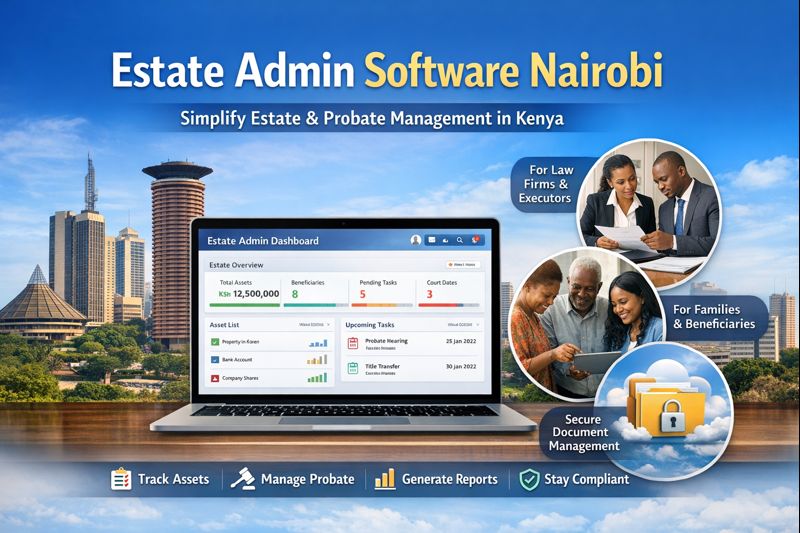
Real Estate Accounting Software Kenya: The Complete Guide for Modern Property Businesses
Managing the finances of a real estate business requires accurate records, consistent monitoring, and proper financial planning. Whether you manage residential apartments, commercial buildings, student hostels, offices, or a large property portfolio, keeping track of income and expenses is essential.
Landlords and property managers need to know how much rent has been collected, which tenants have outstanding balances, how much has been spent on maintenance, and whether individual properties are generating satisfactory returns.
When these activities are handled using notebooks, spreadsheets, receipts, and disconnected records, financial management can become time-consuming and difficult to control.
This is where Real Estate Accounting Software Kenya can make a significant difference.
Modern property accounting software allows landlords and property managers to centralize financial information, automate repetitive processes, monitor property performance, and generate useful reports.
EstateAdmin provides an integrated property management platform that helps Kenyan property owners organize financial and operational information from one centralized system.
What Is Real Estate Accounting Software?
Real estate accounting software is a digital system designed to help property owners and managers manage the financial side of their real estate businesses.
Instead of keeping separate records for rent, expenses, tenants, and properties, users can organize this information through a centralized platform.
A real estate accounting system can help manage:
- Rental income
- Tenant payments
- Outstanding balances
- Property expenses
- Maintenance costs
- Service charges
- Financial transactions
- Cash flow
- Property performance
- Financial reports
This makes it easier to understand the financial position of a property business.
Why Accounting Is Important in Real Estate
Real estate investments involve numerous financial transactions. Even a relatively small property can generate regular rental income while also creating expenses for maintenance, utilities, security, cleaning, repairs, and administration.
Without accurate accounting, property owners may struggle to determine their actual profitability.
Good property accounting helps landlords:
- Monitor rental income.
- Control operating expenses.
- Track outstanding payments.
- Understand cash flow.
- Prepare financial reports.
- Identify profitable properties.
- Detect unnecessary expenses.
- Make better investment decisions.
Accurate financial information provides the foundation for sustainable property management.
Challenges of Manual Real Estate Accounting
Many landlords begin by using spreadsheets or physical records. Although these methods can be useful initially, they can become difficult to manage as the property portfolio grows.
1. Manual Data Entry
Entering transactions manually takes time and increases the possibility of errors.
2. Difficulty Tracking Rent
When many tenants pay at different times, manually tracking every payment can become complicated.
3. Poor Expense Visibility
Small expenses can accumulate without property owners realizing how much they are spending.
4. Difficult Reporting
Preparing monthly or annual reports manually can require considerable effort.
5. Scattered Financial Records
When information is stored in different files, finding historical transactions becomes difficult.
6. Limited Property-Level Analysis
Property owners may struggle to determine which properties generate the highest returns.
A centralized accounting system addresses many of these challenges.
Key Features of Real Estate Accounting Software Kenya
Rental Income Tracking
Rental income is one of the most important financial components of a property business.
A digital accounting system can help landlords monitor:
- Expected rental income
- Actual payments
- Outstanding balances
- Payment dates
- Tenant payment history
- Property-level income
This provides a clearer view of rental cash flow.
Automated Rent Tracking
Automation can reduce the administrative workload associated with rent management.
A system can help property managers monitor payment information and identify outstanding accounts.
This allows managers to follow up with tenants more efficiently while maintaining accurate financial records.
Property Expense Management
Every property generates operating expenses.
These may include:
- Maintenance
- Repairs
- Security
- Cleaning
- Utilities
- Insurance
- Landscaping
- Staff costs
- Administrative expenses
Real estate accounting software allows these costs to be recorded and categorized.
This makes it easier to compare expenses against rental income.
Cash Flow Management
Cash flow is essential for maintaining a healthy property business.
Property owners need to understand how much money is coming into the business and how much is being spent.
Cash flow information can help landlords plan for:
- Maintenance
- Property improvements
- Loan payments
- Utility expenses
- Staff costs
- Emergency repairs
Better cash flow visibility supports better financial planning.
Property-Level Financial Reporting
One of the biggest advantages of digital accounting is the ability to analyze individual properties.
Property owners can compare:
- Rental income
- Operating expenses
- Maintenance costs
- Outstanding rent
- Occupancy
- Overall performance
This allows investors to determine which properties are performing well and which may require attention.
Tenant Account Management
A tenant’s financial account should provide a clear history of transactions.
Property management software can organize:
- Rent charges
- Payments
- Outstanding balances
- Service charges
- Adjustments
- Payment history
This reduces confusion and makes it easier to resolve financial disputes.
Service Charge Accounting
Residential apartments, commercial buildings, and managed estates may have service charges covering shared services.
These may include:
- Security
- Cleaning
- Waste management
- Common-area maintenance
- Landscaping
- Shared utilities
A digital system helps property managers record and monitor these charges more efficiently.
Maintenance Expense Tracking
Maintenance is one of the largest ongoing expenses for many rental properties.
Property owners need to know:
- What was repaired?
- Which property required the repair?
- How much did it cost?
- When was the repair completed?
- Who performed the work?
Maintaining this information helps landlords identify recurring problems and control maintenance costs.
Financial Reports for Property Owners
Reports help turn financial transactions into useful business information.
A property accounting platform may provide reports covering:
- Rental income
- Expenses
- Outstanding balances
- Cash flow
- Property performance
- Tenant accounts
- Maintenance expenses
These reports can help landlords make informed decisions.
Improving Financial Transparency
Transparency is important in landlord-tenant relationships and property management businesses.
Accurate financial records help property owners provide clear information regarding:
- Rent payments
- Outstanding balances
- Service charges
- Expenses
- Account statements
Clear records reduce misunderstandings and improve accountability.
Real Estate Accounting for Multiple Properties
Managing several properties creates additional accounting challenges.
Each property may have different:
- Tenants
- Rental rates
- Expenses
- Maintenance requirements
- Occupancy levels
- Payment schedules
A centralized system allows landlords to organize these details while still viewing the overall portfolio.
This is particularly useful for property investors and professional property management companies.
Cloud-Based Real Estate Accounting
Cloud-based software allows authorized users to access financial information remotely.
This can be useful for property owners managing investments in different locations.
Depending on the platform’s access controls, users can review:
- Rental income
- Expenses
- Reports
- Tenant accounts
- Property information
Remote access can make property management more flexible and efficient.
Benefits of Real Estate Accounting Software Kenya
Saves Time
Automated processes reduce repetitive financial administration.
Improves Accuracy
Digital records reduce the risk of calculation and recording errors.
Improves Financial Visibility
Property owners can gain a clearer understanding of income and expenses.
Supports Better Decision-Making
Reports provide useful information for investment decisions.
Reduces Administrative Work
Centralized information reduces the need to manage multiple spreadsheets and files.
Supports Business Growth
A scalable platform can support landlords as they acquire additional properties.
How EstateAdmin Supports Property Accounting
EstateAdmin combines property management and financial management features in one platform.
Property owners can manage:
- Properties
- Tenants
- Rental units
- Rent collection
- Expenses
- Maintenance
- Leases
- Occupancy
- Financial reporting
This integrated approach reduces the need to manage separate systems for different parts of the business.
Real Estate Accounting for Different Property Types
Residential Apartments
Track rent, tenants, expenses, occupancy, and maintenance across individual units.
Student Hostels
Monitor rooms, tenants, rental income, payments, vacancies, and operating expenses.
Commercial Buildings
Manage office and retail tenants, leases, payments, expenses, and financial performance.
Mixed-Use Developments
Manage residential and commercial units within the same property portfolio.
Property Management Companies
Professional managers can organize financial information for properties managed on behalf of different owners.
How Accounting Software Improves Property Profitability
Profitability depends on more than collecting rent. Property owners must understand both income and expenses.
Accounting software helps identify:
- Properties with high operating costs
- Units with frequent vacancies
- Outstanding tenant balances
- Recurring maintenance expenses
- Changes in rental income
- Opportunities to reduce unnecessary spending
With better information, landlords can make more informed decisions about pricing, maintenance, renovations, and investment.
Budgeting and Financial Planning
Budgeting helps property owners prepare for future expenses.
Historical financial records can help estimate:
- Expected rental income
- Maintenance costs
- Utility expenses
- Security costs
- Administrative expenses
- Planned improvements
A structured budget can reduce financial surprises and support long-term planning.
Supporting Better Tenant Relationships
Financial accuracy can also improve tenant relationships.
When tenants have questions about their accounts, property managers can quickly access relevant information.
This helps resolve questions involving:
- Rent payments
- Outstanding balances
- Service charges
- Receipts
- Account statements
Clear financial records create greater confidence and transparency.
Data Security in Real Estate Accounting
Financial and tenant information should be protected carefully.
When choosing property accounting software, landlords should consider features such as:
- User authentication
- Role-based access
- Secure data storage
- Regular backups
- Activity monitoring
- Controlled permissions
Protecting financial records helps reduce the risk of unauthorized access or data loss.
Best Practices for Real Estate Accounting
Property owners can improve financial management by following several best practices.
Keep Records Updated
Record financial transactions consistently.
Separate Property Finances
Maintain clear records for individual properties.
Review Expenses Regularly
Identify unusual or unnecessary expenses.
Monitor Outstanding Rent
Follow up on unpaid balances promptly.
Generate Regular Reports
Review financial performance monthly or quarterly.
Track Maintenance Costs
Identify recurring maintenance issues.
Use Digital Tools
Automate repetitive accounting and property management tasks.
Future Trends in Real Estate Accounting
Technology continues to transform property management and accounting.
Future developments may include:
- Artificial intelligence
- Automated financial analysis
- Predictive cash flow forecasting
- Advanced property analytics
- Digital payment integration
- Automated financial reports
- Smart property management systems
These technologies can help property owners make faster and more informed decisions.
Frequently Asked Questions
What is Real Estate Accounting Software Kenya?
Real estate accounting software is a digital platform that helps landlords and property managers track rental income, expenses, payments, tenant accounts, and property financial performance.
Is property accounting software suitable for small landlords?
Yes. Small landlords can benefit from organized financial records, automated processes, and better visibility into property performance.
Can real estate accounting software manage multiple properties?
Yes. A centralized platform can help property owners manage financial information across multiple properties and rental units.
Can landlords track property expenses?
Yes. Expense management features allow landlords to record and categorize operating and maintenance expenses.
Does accounting software help track rent arrears?
A property management accounting system can help landlords monitor tenant balances and identify outstanding payments.
Why should landlords use property accounting software?
It can reduce manual work, improve financial organization, increase visibility, and support better property investment decisions.