
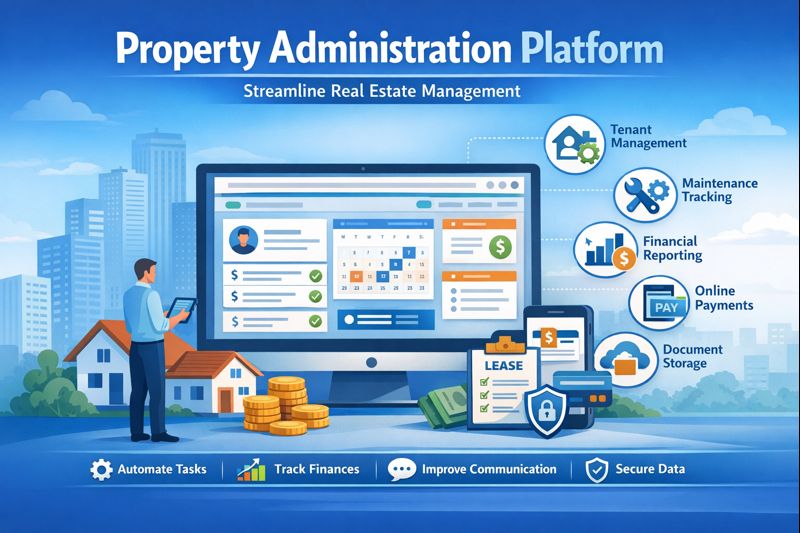
Introduction
Managing rental properties can be challenging, especially when dealing with multiple tenants, rent collection, maintenance requests, and financial records. A landlord management system is designed to simplify property management tasks, helping landlords stay organized, efficient, and profitable.
Whether you own a single rental unit or manage multiple properties, a reliable landlord management system can transform the way you operate. From automated rent collection to tenant communication and reporting, this digital solution ensures smooth and stress-free property management.
In today’s digital era, property owners and real estate managers are increasingly adopting landlord management systems to save time, reduce errors, and improve tenant satisfaction.
What Is a Landlord Management System?
A landlord management system is software that helps landlords and property managers handle all aspects of rental property management from one centralized platform. It allows you to manage tenants, collect rent, track maintenance, generate reports, and communicate efficiently.
These systems are typically cloud-based, meaning you can access them anytime using a smartphone, tablet, or computer.
Core Functions:
-
Tenant management
-
Rent collection and tracking
-
Maintenance request handling
-
Financial reporting
-
Lease and document storage
-
Communication tools
A landlord management system eliminates manual paperwork and spreadsheets, making property management easier and more efficient.
Key Features of a Landlord Management System
1. Tenant Management
A landlord management system allows you to store tenant details, lease agreements, payment history, and contact information in one place. This makes it easy to track occupancy and communicate with tenants when needed.
You can:
-
Add and manage tenant profiles
-
Track lease start and end dates
-
Monitor rent payments
-
Store identification documents
This centralized approach helps landlords avoid confusion and maintain accurate records.
2. Automated Rent Collection
One of the biggest advantages of using a landlord management system is automated rent collection. Tenants can pay rent online through mobile money, bank transfers, or cards.
Benefits include:
-
Real-time payment tracking
-
Automated reminders for due rent
-
Reduced late payments
-
Digital receipts
Automated rent collection improves cash flow and saves time for landlords.
3. Maintenance Management
Handling maintenance requests manually can be stressful. A landlord management system allows tenants to submit maintenance requests online.
Features include:
-
Maintenance request tracking
-
Assigning tasks to technicians
-
Monitoring repair progress
-
Recording maintenance costs
This ensures timely repairs and improves tenant satisfaction.
4. Financial Reporting
A good landlord management system provides detailed financial reports that help landlords understand income and expenses.
Reports may include:
-
Monthly rent collection reports
-
Expense tracking
-
Profit and loss statements
-
Outstanding balances
With accurate financial data, landlords can make better investment decisions.
5. Lease and Document Management
Storing physical documents can be risky and inconvenient. A landlord management system allows you to upload and store lease agreements and important documents securely.
You can:
-
Upload lease agreements
-
Store tenant contracts
-
Access documents anytime
-
Share documents digitally
This improves organization and security.
6. Communication Tools
Communication is essential in property management. Many landlord management systems offer built-in messaging features that allow landlords and tenants to communicate easily.
Benefits:
-
Send rent reminders
-
Notify tenants about maintenance
-
Share announcements
-
Improve tenant relationships
Clear communication leads to better tenant retention.
Benefits of Using a Landlord Management System
1. Saves Time
Managing properties manually takes time and effort. A landlord management system automates repetitive tasks such as rent tracking and report generation, allowing landlords to focus on growing their investments.
2. Improves Organization
All property information is stored in one platform. This reduces paperwork and makes it easier to access tenant records, payments, and maintenance history.
3. Enhances Financial Management
With automated rent tracking and expense recording, landlords gain better control of their finances. This helps improve profitability and reduces financial errors.
4. Better Tenant Experience
Tenants appreciate convenient payment options, quick maintenance responses, and clear communication. A landlord management system improves tenant satisfaction and retention.
5. Real-Time Access
Cloud-based systems allow landlords to manage properties from anywhere. Whether at home or traveling, you can monitor payments, respond to tenants, and view reports in real time.
How to Choose the Best Landlord Management System
Selecting the right landlord management system depends on your needs and property size. Consider the following factors:
Ease of Use
Choose a system with a simple and user-friendly interface. This ensures you can manage properties without technical difficulties.
Mobile Access
A mobile-friendly landlord management system allows you to manage tenants and payments on the go.
Payment Integration
Ensure the system supports online payments such as mobile money, bank transfers, and cards for easier rent collection.
Security
Data security is important. Choose software with secure login, encrypted data, and backup features.
Reporting Features
Good reporting tools help you track income, expenses, and occupancy rates effectively.
Customer Support
Reliable customer support ensures you get help whenever you encounter issues.
Why Landlords Are Moving to Digital Systems
The real estate industry is rapidly embracing technology. Traditional methods like paper records and manual tracking are being replaced by digital solutions.
Reasons landlords prefer a landlord management system:
-
Faster rent collection
-
Reduced paperwork
-
Better financial tracking
-
Improved tenant communication
-
Increased efficiency
Digital transformation in property management helps landlords remain competitive and professional.
Future of Landlord Management Systems
As technology advances, landlord management systems continue to evolve. Future features may include:
-
AI-powered tenant screening
-
Smart property integration
-
Automated accounting
-
Advanced analytics
-
Mobile-first management
These innovations will make property management even more efficient and profitable.
Conclusion
A landlord management system is an essential tool for modern property owners. It simplifies tenant management, automates rent collection, improves financial tracking, and enhances communication.
Whether you manage a few units or a large property portfolio, investing in a reliable landlord management system can save time, increase efficiency, and boost profitability. As digital solutions continue to transform the real estate industry, adopting a landlord management system is the smartest move for any landlord looking to succeed in today’s competitive market.