
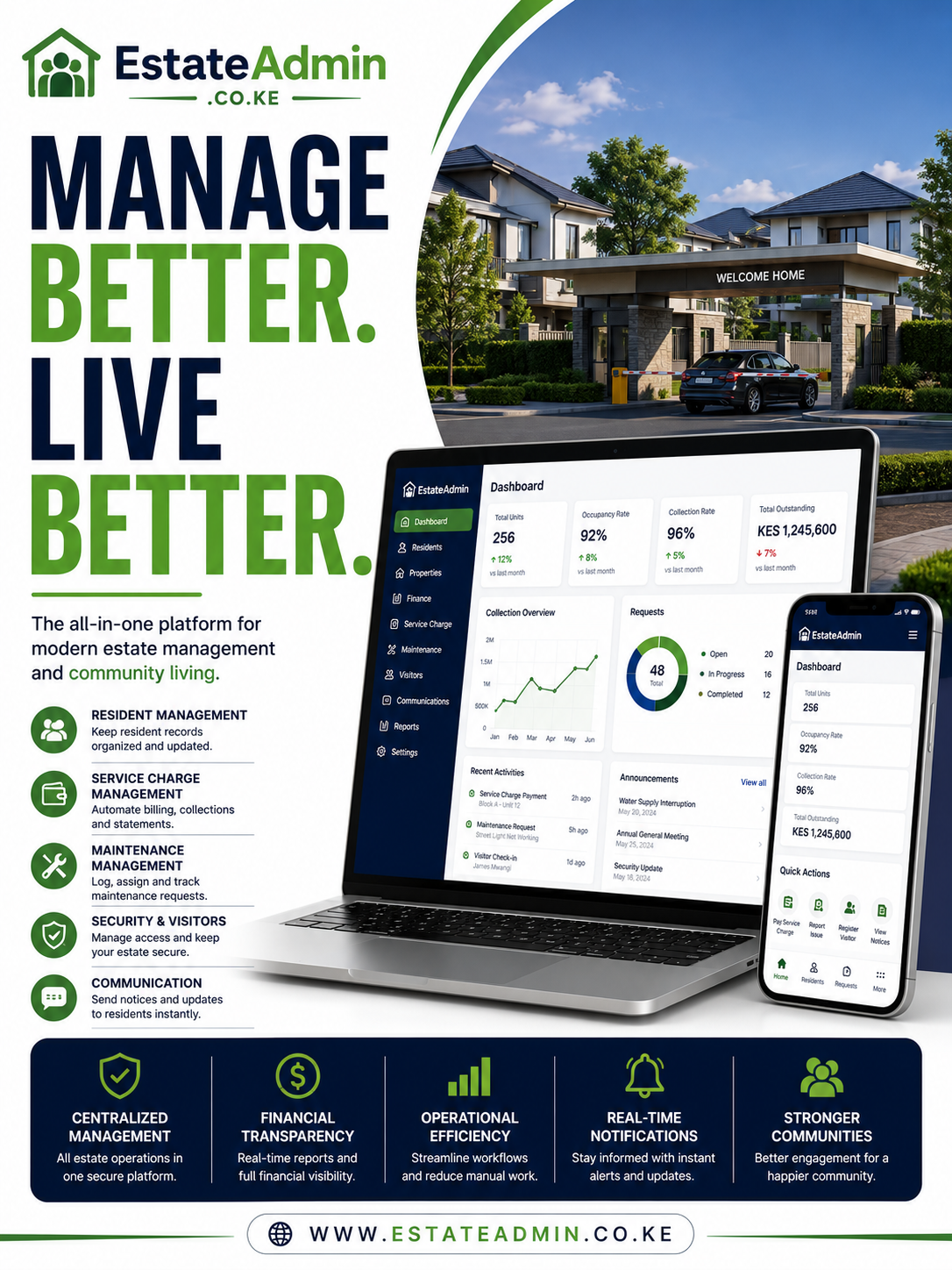
free apartment management software can help landlords, property managers, and apartment owners organize rental operations without immediately investing in expensive property management platforms. These tools can help manage tenants, apartments, rent payments, maintenance requests, leases, expenses, communication, and property records from a centralized system.
Managing an apartment building manually can become difficult as the number of units increases. A landlord may need to track tenant information, rental payments, vacant units, maintenance issues, deposits, expenses, and lease dates. When these records are kept in notebooks, spreadsheets, or separate applications, it becomes easier for information to be misplaced or become outdated.
Free apartment management software provides an opportunity to organize these activities digitally while keeping initial software costs low. However, landlords should understand what “free” means because some platforms provide genuinely free plans while others offer limited free versions, trials, or free access to only specific features.
Table of Contents
ToggleWhat Is Free Apartment Management Software?
Free apartment management software is a digital platform that helps property owners and managers organize apartment operations without paying for a premium subscription, at least within the limitations of the free plan.
Depending on the platform, free software may include tools for:
- Tenant management
- Apartment and unit management
- Rent tracking
- Lease management
- Maintenance requests
- Expense tracking
- Payment records
- Tenant communication
- Property reports
- Document management
The available features vary considerably between different software products.
A landlord managing five apartments may require very different functionality from a property manager responsible for 500 units.
Why Use Free Apartment Management Software?
Cost is one of the main reasons landlords search for free property management software.
Starting with free software can allow a property owner to test digital property management without making a significant financial commitment.
It can help managers move away from:
- Paper records
- Manual calculations
- Multiple spreadsheets
- Physical receipts
- Disorganized tenant files
- Manual maintenance logs
A centralized platform can make property information easier to access and manage.
Free Apartment Management Software for Small Landlords
Small landlords often manage a limited number of units.
They may primarily need to track:
- Tenant names
- Apartment numbers
- Monthly rent
- Payment dates
- Rent balances
- Lease information
- Maintenance issues
A simple free platform may be sufficient for these requirements.
However, landlords should check whether the free plan limits the number of properties, units, tenants, or transactions that can be managed.
Free Apartment Management Software for Large Apartment Buildings
Large apartment buildings have more complex requirements.
A building may contain dozens or hundreds of tenants, each with separate rental agreements and payment histories.
In this environment, software may need to support:
- Multiple buildings
- Multiple units
- Large tenant databases
- Automated rent billing
- Payment tracking
- Arrears management
- Maintenance workflows
- Financial reporting
- Multiple users
A free plan may not provide all of these features.
Therefore, property managers should evaluate scalability before choosing a platform.
Tenant Management
Tenant management is one of the most important functions of apartment management software.
A centralized tenant record can contain:
- Tenant name
- Phone number
- Email address
- Apartment number
- Lease information
- Rent amount
- Deposit
- Payment history
- Outstanding balance
- Maintenance requests
This allows property managers to retrieve tenant information without searching through multiple files.
Apartment and Unit Management
An apartment management platform should make it easy to organize units within a property.
For example:
Apartment Building
→ Floor 1
→ Unit 101
→ Unit 102
→ Unit 103
The same structure can be repeated for other floors.
Managers can then associate each unit with its current tenant and rental information.
Tracking Occupied and Vacant Apartments
Vacant units represent potential lost rental income.
Software can help managers identify:
- Occupied apartments
- Vacant apartments
- Reserved units
- Units under maintenance
- Units awaiting tenants
A centralized occupancy dashboard can provide a quick overview of the property.
Free Rent Tracking
Rent tracking is another important feature to consider.
A free apartment management software platform may allow landlords to record:
- Rent charges
- Payments
- Payment dates
- Outstanding balances
- Arrears
- Payment references
This can make it easier to identify tenants who have paid and those who still have outstanding balances.
Free Rent Collection Features
Some free property management platforms may offer basic rent collection capabilities.
These can include:
- Recording payments
- Tracking balances
- Generating receipts
- Maintaining payment histories
- Monitoring arrears
More advanced features such as automated payment collection or payment gateway integrations may only be available on paid plans.
Tenant Payment History
A tenant’s payment history provides an important financial record.
It can show:
- Previous rent charges
- Payments received
- Partial payments
- Outstanding balances
- Arrears
- Payment dates
This information can help property managers answer tenant questions and investigate payment discrepancies.
Free Rent Receipt Management
Digital receipts can make rental administration more organized.
A receipt can contain:
- Tenant name
- Property
- Unit
- Payment amount
- Payment date
- Payment reference
- Current balance
If a free platform provides receipt generation, landlords should check whether receipts can be customized with their business details.
Free Apartment Maintenance Management
Maintenance is another major part of apartment management.
Tenants may report:
- Plumbing problems
- Electrical faults
- Water leaks
- Broken doors
- Damaged fixtures
- Appliance problems
- Security issues
Software can allow property managers to record these issues and track their progress.
Maintenance Request Tracking
A maintenance workflow can look like:
Tenant Reports Problem → Request Created → Assigned → Work in Progress → Completed
This provides greater visibility than relying on phone calls or messaging applications alone.
Maintenance History
Maintaining maintenance history can help property managers understand recurring problems.
A unit’s record may show:
- Previous repairs
- Repair dates
- Contractors
- Costs
- Problem descriptions
This information can be useful when deciding whether a recurring issue requires a more permanent solution.
Free Lease Management
Apartment management software can also help landlords organize lease information.
Important information may include:
- Lease start date
- Lease expiry date
- Monthly rent
- Security deposit
- Tenant
- Unit
- Renewal date
Lease tracking can help managers identify agreements that are approaching expiration.
Lease Renewal Tracking
A property manager may need to know which leases are:
- Active
- Expiring soon
- Expired
- Renewed
Software can make these dates easier to monitor.
Security Deposit Management
Security deposits should be tracked separately from regular rent.
A system can maintain:
- Deposit amount
- Date received
- Tenant
- Unit
- Adjustments
- Refund information
This provides better financial records when a tenant moves out.
Free Expense Tracking
Apartment owners also need to understand property expenses.
These may include:
- Maintenance
- Repairs
- Security
- Cleaning
- Utilities
- Landscaping
- Property management
- Contractor costs
A free apartment management platform may provide basic expense tracking, although advanced accounting capabilities may require a paid plan.
Apartment Financial Management
Property management is not only about collecting rent.
Owners need to compare:
Rental Income − Property Expenses = Property Financial Performance
A platform that combines rental income and expenses can provide better insight into whether an apartment building is generating the expected returns.
Free Property Reports
Reports can help landlords understand how their apartments are performing.
Useful reports may include:
- Rent collection reports
- Arrears reports
- Tenant reports
- Occupancy reports
- Maintenance reports
- Expense reports
- Income reports
Before selecting free software, check which reports are actually included in its free plan.
Free Apartment Management Software and Arrears
Rental arrears can have a significant impact on property cash flow.
Software can help managers identify:
- Tenant with overdue rent
- Outstanding amount
- Due date
- Previous arrears
- Payment history
This makes it easier to prioritize follow-up.
Arrears Aging
Some platforms can organize outstanding rent based on how long it has remained unpaid.
For example:
- Current
- 1–30 days
- 31–60 days
- 61–90 days
- Over 90 days
This can help managers identify long-standing arrears.
Tenant Communication
Property managers communicate with tenants about many issues.
These include:
- Rent reminders
- Payment confirmations
- Maintenance updates
- Lease renewals
- Property announcements
- Outstanding balances
Some free apartment management platforms provide communication tools, while others may require external messaging services.
Tenant Portals
A tenant portal can allow residents to access their own information.
Depending on the software, tenants may be able to:
- View rent balances
- Access receipts
- View statements
- Submit maintenance requests
- Update contact information
- Communicate with property management
Tenant portals can reduce routine administrative questions.
Free Apartment Management Software for Residential Estates
Apartment management software can also be used in residential estates with multiple buildings.
A property manager can organize:
Estate
→ Buildings
→ Units
→ Tenants
→ Payments
→ Maintenance
This structure provides a centralized view of the entire residential development.
Free Apartment Management Software for Property Managers
Professional property managers may manage properties belonging to different owners.
This creates a need to separate records by:
- Owner
- Property
- Building
- Unit
- Tenant
- Income
- Expenses
A free platform may be useful for testing this workflow, but property managers should confirm whether the free plan supports multiple properties and users.
Free Apartment Management Software for Multiple Properties
A landlord with several apartment buildings may want one platform for the entire portfolio.
For example:
Portfolio
→ Apartment Building A
→ Apartment Building B
→ Apartment Building C
Each building can contain its own tenants, units, rental charges, payments, and maintenance records.
The ability to manage multiple properties is therefore an important feature to check when comparing free platforms.
Free Cloud-Based Apartment Management Software
Cloud-based property management software stores information on online servers rather than only on a local computer.
This can allow authorized users to access property information from:
- Desktop computers
- Laptops
- Tablets
- Smartphones
Cloud access can be useful for landlords who manage properties while away from the office.
Free Mobile Apartment Management
Mobile access can help property managers who spend time visiting apartment buildings.
A mobile-friendly platform may allow them to:
- Check tenant information
- Review payments
- Record maintenance requests
- Check outstanding balances
- View property information
Mobile accessibility can make property administration more convenient.
Free Apartment Management Software in Kenya
Landlords and property managers in Kenya may manage apartments, residential estates, commercial units, and mixed-use properties.
When evaluating free software, it is important to consider whether the platform supports the payment methods and property management workflows commonly used in Kenya.
For example, landlords may need support for mobile money transactions, bank payments, tenant statements, service charges, and other local rental management requirements.
Free Apartment Management Software and Mobile Money
If tenants commonly pay through mobile money, payment integration can be an important consideration.
A suitable platform may allow payment information to be recorded or automatically synchronized, depending on the available integration.
The key objective is to ensure that a payment can be correctly associated with the appropriate:
- Tenant
- Unit
- Property
- Rental charge
This can make payment reconciliation easier.
What Does “Free” Actually Mean?
Before choosing free apartment management software, it is important to understand the provider’s pricing model.
“Free” can mean several different things.
Completely Free Software
Some software may be available without subscription charges.
Free Plan
A provider may offer a free plan with restrictions on properties, tenants, users, or features.
Free Trial
A platform may provide free access for a limited number of days before requiring payment.
Freemium Software
Basic functionality may be free while advanced features require a paid subscription.
Understanding the pricing structure can prevent unexpected costs later.
Limitations of Free Apartment Management Software
Free platforms can be useful, but they may have limitations.
These can include:
- Limited number of units
- Limited tenants
- Limited users
- Limited reports
- No payment integration
- No tenant portal
- Limited automation
- Limited storage
- Limited customer support
A landlord should compare these restrictions against actual business requirements.
Free vs Paid Apartment Management Software
Free software can be a good starting point for landlords with basic needs.
Paid software may be more appropriate when a property manager needs:
- Advanced automation
- Large-scale property management
- Multiple users
- Detailed financial reporting
- Payment integrations
- Tenant portals
- Advanced maintenance management
- Accounting integration
- Professional support
The best choice depends on the complexity of the property portfolio.
Features to Look for in Free Apartment Management Software
Before choosing a platform, check whether it provides:
- Tenant management
- Unit management
- Property management
- Rent tracking
- Payment records
- Rent receipts
- Arrears tracking
- Lease management
- Maintenance requests
- Expense tracking
- Financial reports
- Tenant communication
- User management
- Data backups
- Mobile access
Not every free solution will include all these features.
Questions to Ask Before Choosing Free Software
Before adopting a platform, ask:
How many apartments can I manage for free?
How many tenants can I add?
Can I manage multiple properties?
Can I track rent payments?
Can I record arrears?
Can I generate receipts?
Can I manage leases?
Can tenants submit maintenance requests?
Can I track property expenses?
Can I generate financial reports?
Can multiple staff members access the system?
Does the free plan expire?
What happens if I exceed the free limits?
These questions can help determine whether the free option is genuinely suitable for the property business.
Data Security and Free Property Management Software
Property management software stores sensitive information.
This can include:
- Tenant names
- Phone numbers
- Email addresses
- Rental agreements
- Payment information
- Property details
Security should therefore be considered even when software is free.
Look for appropriate:
- Password protection
- User permissions
- Secure connections
- Data backups
- Access controls
- Account security
Free should not mean careless when it comes to tenant data.
Backups and Free Apartment Management Software
Property records can represent years of business history.
Losing information about tenants, payments, leases, and expenses can create significant problems.
Before relying on free software, determine:
- Whether data is backed up
- How frequently backups occur
- Whether users can export their data
- What happens to data if the service closes
- Whether data can be migrated to another system
Data portability is particularly important when building a long-term property management operation.
How to Move From Spreadsheets to Apartment Management Software
Many landlords begin with spreadsheets.
The transition to software can be organized in stages.
Step 1: Organize Property Records
List all properties and buildings.
Step 2: Organize Units
Create a record for every apartment.
Step 3: Add Tenants
Assign tenants to the correct units.
Step 4: Add Rental Rates
Enter the current rental amounts.
Step 5: Record Existing Balances
Add outstanding rent and other balances.
Step 6: Add Lease Information
Record lease dates and relevant terms.
Step 7: Configure Maintenance
Create a process for recording and tracking maintenance requests.
Step 8: Review Reports
Verify that the information produces accurate property reports.
This structured approach can make implementation easier.
Benefits of Free Apartment Management Software
Free software can provide several advantages.
Lower Initial Cost
Landlords can begin digitizing operations without paying for premium software immediately.
Easy Testing
A free plan can allow managers to test whether a particular platform fits their workflow.
Better Organization
Property information can be stored in one place.
Less Paperwork
Digital records can reduce reliance on physical documents.
Improved Visibility
Managers can more easily review tenants, units, rent, and maintenance.
Scalable Starting Point
A free platform can provide a foundation that can later be upgraded if the property portfolio grows.
When Free Software Is No Longer Enough
A free platform may become insufficient when the property business grows.
Warning signs include:
- Too many tenants for the free limit
- Multiple staff members need access
- Manual payment reconciliation is increasing
- Financial reporting is becoming more complex
- More properties need to be managed
- Tenant communication is becoming difficult
- Maintenance requests are increasing
At this stage, upgrading to a more comprehensive system may be more efficient.
Building a Long-Term Apartment Management Strategy
Software should support the overall property management process.
A complete workflow can include:
Property Management → Tenant Management → Lease Management → Rent Billing → Payment Collection → Maintenance → Accounting → Reporting
Choosing software with this broader workflow in mind can prevent the need to replace the platform as soon as the property portfolio expands.
Conclusion
Free apartment management software can be a practical starting point for landlords and property managers who want to move away from manual property administration without immediately committing to paid software. Depending on the platform, free solutions can help manage tenants, apartments, rent payments, maintenance, leases, expenses, and property records.
However, landlords should not choose software based on the word “free” alone. The most important question is whether the platform can handle the number of properties, units, tenants, transactions, and operational requirements involved.
A small landlord may find a free plan sufficient for basic tenant and rent tracking, while a growing property management company may eventually require advanced features such as automated billing, payment integration, tenant portals, detailed accounting, maintenance workflows, multiple users, and advanced reporting.
For anyone comparing free apartment management software, the best approach is to evaluate the actual features, limitations, data security, scalability, and future upgrade costs before committing important property records to a platform.
free apartment management software can help landlords and property managers organize apartment operations without immediately paying for expensive property management platforms. With the right software, property owners can manage tenants, rental units, rent payments, maintenance requests, lease information, expenses, and reports from one centralized platform.
Apartment management becomes more complicated as the number of units increases. A landlord managing a few apartments may be able to keep records in a spreadsheet, but larger properties require more structured systems. A manager may need to monitor hundreds of tenants, different rental rates, payment dates, maintenance requests, vacant units, deposits, and outstanding balances.
Free software can provide an accessible starting point for digitizing these operations. However, landlords should carefully examine the features and limitations of each platform before deciding whether it is suitable for their property portfolio.
Understanding Free Apartment Management Software
Free apartment management software is a digital platform that provides property management functions without requiring a paid subscription for the included features.
The software may provide tools for:
- Tenant management
- Apartment management
- Unit management
- Rent tracking
- Payment records
- Maintenance management
- Lease tracking
- Expense management
- Tenant communication
- Property reporting
Some platforms are completely free, while others use a freemium model where basic functionality is free and advanced features require payment.
Therefore, landlords should always determine what is actually included in the free plan.
Who Can Use Free Apartment Management Software?
Free apartment management software can be useful for different types of property owners and managers.
Individual Landlords
Landlords with a small number of apartments can use free software to organize tenant and payment records.
Apartment Building Managers
Managers responsible for a single apartment building can use software to track units, tenants, rent, and maintenance.
Residential Estate Managers
Managers of larger residential developments can use centralized software to coordinate multiple buildings and units.
Small Property Management Companies
Small property management businesses can use free platforms to test digital workflows before investing in a more advanced system.
Managing Apartment Units
A good property management platform should make it easy to organize individual apartments.
For example:
Property → Building → Floor → Apartment → Tenant
Each apartment can have information such as:
- Unit number
- Floor
- Property
- Occupancy status
- Tenant
- Rental amount
- Lease status
- Payment status
- Maintenance history
This structure allows managers to quickly locate information about a particular apartment.
Managing Apartment Occupancy
Occupancy is an important part of property management.
A free apartment management platform can help managers identify:
- Occupied apartments
- Vacant apartments
- Reserved apartments
- Apartments under maintenance
- Apartments awaiting new tenants
Knowing the occupancy status of every unit helps landlords understand potential rental income.
Managing Vacant Apartments
Vacant apartments do not generate rental income.
Property managers can use software to identify vacant units and track their status.
A vacant unit might be:
- Available for rent
- Under renovation
- Awaiting inspection
- Reserved
- Ready for occupancy
Centralized vacancy information can make it easier to market and fill available units.
Managing Tenant Information
Tenant information should be easy to access and update.
A tenant profile may contain:
- Full name
- Phone number
- Apartment number
- Lease information
- Rental amount
- Deposit
- Payment history
- Outstanding balance
A centralized tenant database can reduce the need to search through paper files or separate spreadsheets.
Free Tenant Database Management
A free apartment management software platform may provide a basic tenant database for landlords.
Before using it, check whether there are limits on:
- Number of tenants
- Number of properties
- Number of users
- Data storage
- Historical transactions
These restrictions can determine whether the free plan will remain useful as the property grows.
Managing Rent Payments
Rent payment tracking is one of the most important functions landlords need.
Software can help record:
- Rent charged
- Payment received
- Payment date
- Payment method
- Payment reference
- Outstanding balance
This allows managers to see the financial status of individual tenants.
Managing Rent Arrears
Late rent can affect the cash flow of an apartment building.
A property manager should be able to identify:
- Tenant with outstanding rent
- Amount owed
- Original due date
- Previous arrears
- Recent payments
A centralized arrears list can make follow-up easier.
Rent Arrears Reports
Arrears reports can provide a summary of unpaid rental balances.
For example, a report could organize tenants according to:
- Current
- 1–30 days overdue
- 31–60 days overdue
- 61–90 days overdue
- More than 90 days overdue
This can help property managers prioritize collection efforts.
Tracking Partial Payments
Tenants sometimes pay only part of the rent due.
For example:
Rent Due: $600
Payment Received: $400
Balance: $200
The system should retain the outstanding balance rather than marking the tenant’s account as completely paid.
If another payment is later received, the account can be updated accordingly.
Rent Receipts
Digital receipts can improve rental recordkeeping.
A receipt can include:
- Tenant
- Apartment
- Property
- Amount paid
- Payment date
- Payment reference
- Balance
When comparing free platforms, landlords should determine whether receipt generation is included or whether it is limited to paid plans.
Tenant Statements
Tenant statements can show the complete financial history of an account.
A statement can include:
- Previous balance
- Rental charges
- Other charges
- Payments
- Adjustments
- Arrears
- Current balance
This can help reduce disputes by providing a clear record of account activity.
Lease Management
Apartment management software can also organize lease information.
A lease record may include:
- Tenant
- Apartment
- Lease start date
- Lease expiry date
- Monthly rent
- Security deposit
- Payment frequency
- Renewal information
Having this information in one place can make lease administration easier.
Lease Expiration Tracking
Managers need to know which leases are approaching expiration.
A software dashboard can help identify:
- Active leases
- Leases expiring soon
- Expired leases
- Renewed leases
This allows property managers to plan renewals before agreements expire.
Security Deposit Tracking
Security deposits should be recorded separately from rental income.
A property management platform can track:
- Deposit amount
- Date received
- Tenant
- Apartment
- Adjustments
- Refunds
Accurate deposit records can make tenant move-out processes easier.
Free Apartment Maintenance Management
Maintenance is another area where property management software can provide significant value.
Tenants may report:
- Plumbing problems
- Electrical faults
- Water leaks
- Broken locks
- Damaged doors
- Appliance problems
- Structural issues
Instead of keeping maintenance requests in separate notebooks or messages, managers can record them in the property management platform.
Maintenance Request Workflow
A simple maintenance workflow can be:
Tenant Reports Issue → Request Created → Assigned → Work Started → Completed
This allows managers to monitor the progress of each request.
Maintenance Priorities
Not every repair has the same urgency.
Maintenance requests can be categorized as:
- Emergency
- High priority
- Normal
- Low priority
This can help property managers decide which issues should be addressed first.
Maintenance Cost Tracking
Property managers should also know how much they spend on repairs.
A maintenance record can include:
- Problem description
- Contractor
- Date
- Materials
- Labour
- Total cost
- Apartment
- Property
This information can contribute to property expense reports.
Maintenance History
Keeping a history of repairs can reveal recurring problems.
For example, if the same apartment repeatedly experiences plumbing issues, the manager can review previous repair records before deciding on the next course of action.
Maintenance history can therefore support better long-term property decisions.
Managing Property Expenses
Rent is only one side of apartment finances.
Property owners may also pay for:
- Repairs
- Cleaning
- Security
- Electricity
- Water
- Landscaping
- Insurance
- Staff
- Contractors
Expense tracking helps property managers understand where property income is being spent.
Apartment Income and Expense Reporting
A free apartment management software platform with income and expense tracking can provide a clearer financial overview.
For example:
Rental Income
− Property Expenses
= Operating Result
This information can help owners understand the financial performance of individual properties.
Managing Service Charges
Some apartments require tenants to pay service charges in addition to rent.
These may cover:
- Security
- Cleaning
- Common areas
- Waste collection
- Landscaping
- Shared facilities
A platform that supports additional charges can help keep these amounts organized within tenant accounts.
Managing Utility Charges
Some property managers also collect utility payments.
These may include:
- Water
- Electricity
- Internet
- Garbage
- Other shared utilities
Combining these charges with tenant records can make account management easier.
Tenant Communication
Property managers communicate with tenants about many issues.
These can include:
- Rent reminders
- Payment confirmations
- Maintenance updates
- Lease renewals
- Property announcements
- Outstanding balances
Some free platforms provide communication features, while others require external messaging tools.
Tenant Portals
A tenant portal can provide residents with direct access to selected account information.
Depending on the platform, tenants may be able to:
- View rent balances
- View statements
- Download receipts
- Submit maintenance requests
- Review payment records
- Update contact information
Tenant self-service can reduce routine administrative requests.
Free Apartment Management Software for Multiple Buildings
Property managers may eventually oversee several apartment buildings.
The software should ideally provide a structure such as:
Property Portfolio
→ Building A
→ Building B
→ Building C
Each building can contain its own units, tenants, rental charges, payments, and maintenance records.
This is particularly important for property management companies.
Managing Multiple Properties
A landlord may own apartments in different locations.
A centralized platform can provide one dashboard for:
- Property A
- Property B
- Property C
- Property D
The manager can then review individual properties or the entire portfolio.
However, free plans may limit the number of properties that can be added.
Free Software for Property Management Companies
Small property management companies may initially consider free software to reduce operating costs.
Before adopting it, they should check whether it supports:
- Multiple property owners
- Multiple properties
- Multiple users
- Owner reports
- Tenant management
- Rental income tracking
- Expense tracking
- Maintenance management
A free plan designed for individual landlords may not be suitable for a professional property management company.
Free Cloud-Based Apartment Management
Cloud-based software can allow authorized users to access property information through an internet connection.
This can be useful when managers work from:
- Offices
- Homes
- Apartment buildings
- Different cities
- Multiple branches
Cloud access can eliminate the need to keep all property information on one computer.
Mobile Apartment Management
Mobile access can be especially useful for property managers who regularly visit buildings.
A mobile-friendly platform can allow managers to:
- Check tenant records
- Review payment information
- Record maintenance requests
- View apartment details
- Check outstanding balances
Mobile access can improve responsiveness.
Free Apartment Management Software in Kenya
Property managers in Kenya often manage apartments, residential estates, commercial buildings, and mixed-use developments.
When evaluating free software, local requirements should be considered.
For example, managers may need to support:
- Mobile money payments
- Bank transfers
- Rent receipts
- Service charges
- Utility billing
- Tenant statements
- Arrears tracking
A platform that lacks important local workflows may require significant manual work even if it is free.
Mobile Money and Apartment Rent Collection
For properties where tenants commonly pay through mobile money, payment tracking is particularly important.
The property manager needs to know:
- Who made the payment
- Amount received
- Payment reference
- Tenant account
- Apartment
- Outstanding balance
If the software supports a suitable payment integration, some of this process may be automated.
Free Software and Payment Integrations
Payment integration can make rental management more efficient.
However, landlords should check whether integrations are included in the free plan.
A platform might provide basic rent tracking for free while charging for:
- Payment gateway connections
- Automated payment reconciliation
- SMS notifications
- Online tenant payments
These additional costs should be considered before implementation.
Free Apartment Management Software vs Spreadsheets
Spreadsheets can be useful for small landlords, but they have limitations.
A spreadsheet may require manual management of:
- Tenant records
- Rent calculations
- Payment entries
- Arrears
- Maintenance
- Expenses
- Reports
Property management software can connect these functions more systematically.
The main advantage is not simply replacing a spreadsheet. It is creating a structured system where property, tenant, financial, and maintenance information can work together.
Free Software vs Paid Property Management Platforms
Free software can be suitable for basic requirements.
Paid software may be more appropriate when managers require:
- Advanced automation
- Large tenant databases
- Multiple users
- Payment integrations
- Advanced reports
- Accounting integrations
- Tenant portals
- Advanced maintenance workflows
- Dedicated support
The right option depends on the complexity of the property operation.
Understanding Free Plan Limitations
A landlord should carefully check the terms of a free plan.
Possible restrictions include:
- Maximum number of units
- Maximum number of tenants
- Number of properties
- Number of users
- Storage limitations
- Report restrictions
- Limited automation
- Limited support
- Limited integrations
The free option should be evaluated based on actual requirements rather than price alone.
Data Export and Portability
One of the most overlooked considerations when selecting free software is whether property data can be exported.
Before entering years of rental records, check whether the platform allows users to export:
- Tenant records
- Payment history
- Property information
- Lease data
- Expense records
- Reports
Data portability can be important if the landlord eventually moves to another platform.
Data Backup
Property records should be backed up regularly.
A property management database can contain years of valuable information.
Before selecting free apartment management software, determine whether the provider offers automatic backups and whether users can make their own exports.
Security of Tenant Data
Apartment management software can contain sensitive information.
This includes:
- Tenant contact details
- Lease information
- Payment records
- Property information
- Financial records
Managers should therefore review the security controls available within the software.
Important considerations include:
- User authentication
- Password protection
- Access permissions
- Secure connections
- Backups
- Audit logs
User Permissions
If several employees use the same property management platform, they may not all need access to every feature.
For example:
Administrator → Full access
Property Manager → Tenant and property management
Accountant → Financial information
Maintenance Staff → Maintenance records
Role-based permissions can help protect sensitive information.
Audit Trails
Audit trails record actions performed within the system.
A platform may record:
- User
- Date
- Action
- Record changed
This can improve accountability when several people manage the same property database.
How to Set Up Free Apartment Management Software
Once a platform has been selected, the implementation should be organized carefully.
Step 1: Add Properties
Enter all buildings and properties.
Step 2: Add Apartments
Create individual unit records.
Step 3: Add Tenants
Assign tenants to the correct apartments.
Step 4: Configure Rent
Enter current rental amounts and billing schedules.
Step 5: Record Balances
Enter existing payments and outstanding balances.
Step 6: Add Lease Details
Record lease dates and important rental terms.
Step 7: Configure Maintenance
Create categories and workflows for maintenance requests.
Step 8: Add Expenses
Enter relevant property expenses.
Step 9: Configure Users
Create accounts for authorized staff members.
Step 10: Test Reports
Check whether the data produces accurate tenant and property reports.
This process can help prevent errors during implementation.
Moving Existing Records Into Free Software
Landlords who already use spreadsheets should clean their data before importing it.
Remove:
- Duplicate tenants
- Incorrect unit numbers
- Old records
- Incorrect balances
- Duplicate transactions
Clean data will make the new system more reliable.
Training Staff
If multiple people use the software, they should understand the correct procedures.
Training should cover:
- Adding tenants
- Recording payments
- Issuing receipts
- Managing arrears
- Creating maintenance requests
- Updating leases
- Generating reports
- Managing user permissions
Proper training can reduce data entry errors.
Monitoring Apartment Performance
Once the software is operational, landlords can use reports to monitor performance.
Important indicators include:
- Occupancy rate
- Rent collection rate
- Outstanding rent
- Total arrears
- Maintenance costs
- Rental income
- Property expenses
These metrics can help owners identify areas that require improvement.
Knowing When to Upgrade From Free Software
Free software can be a useful starting point, but a growing property business may eventually need more advanced capabilities.
Consider upgrading when:
- The number of units exceeds the free limit
- More employees need access
- Payment volumes increase
- Manual reconciliation becomes difficult
- Reporting needs become more complex
- More properties are added
- Tenants require online self-service
- Maintenance operations become larger
At that point, a paid property management system may provide better value than trying to work around the limitations of free software.
How to Compare Free Apartment Management Software
Create a simple comparison checklist.
| Feature | Platform A | Platform B | Platform C |
|---|---|---|---|
| Tenant management | ✓ | ✓ | ✓ |
| Unit management | ✓ | ✓ | — |
| Rent tracking | ✓ | ✓ | ✓ |
| Arrears | ✓ | — | ✓ |
| Maintenance | ✓ | ✓ | — |
| Expense tracking | — | ✓ | ✓ |
| Reports | ✓ | — | ✓ |
| Mobile access | ✓ | ✓ | ✓ |
| Multiple properties | Check limit | Check limit | Check limit |
This makes it easier to compare actual functionality rather than simply choosing the software advertised as “free.”
Questions Landlords Should Ask
Before choosing a free platform, ask:
How many apartments can I manage?
How many tenants can I add?
Can I manage multiple buildings?
Can I manage multiple properties?
Can I track rent payments?
Can I monitor arrears?
Can I generate receipts?
Can I manage leases?
Can I track maintenance?
Can I record expenses?
Can tenants access their accounts?
Can I export my data?
Is the free plan permanent?
What features require payment?
These questions can reveal whether a platform is genuinely suitable for long-term use.
Benefits of Using Free Apartment Management Software
There are several reasons landlords may choose free software.
Reduced Initial Costs
Landlords can digitize their operations without immediately paying subscription fees.
Easier Property Organization
Property, unit, tenant, and financial information can be centralized.
Better Rent Visibility
Managers can identify payments and outstanding balances more easily.
Improved Maintenance Tracking
Repair requests can be recorded and monitored systematically.
Easier Reporting
Financial and property information can be organized into reports.
Opportunity to Test Digital Management
A free plan can allow a landlord to determine whether a particular workflow suits their business before investing in a paid platform.
Limitations to Consider
Free software is not automatically the best option.
Potential limitations include:
- Fewer features
- Limited property capacity
- Limited tenant capacity
- No payment integrations
- Limited automation
- Basic reports
- Limited customer support
- Storage restrictions
A landlord should consider the total operational value rather than simply the subscription price.
Building a More Efficient Apartment Management Workflow
Software becomes more useful when different property management functions work together.
A modern workflow can look like:
Property Setup
↓
Unit Management
↓
Tenant Management
↓
Lease Management
↓
Rent Billing
↓
Payment Collection
↓
Receipt Generation
↓
Arrears Monitoring
↓
Maintenance
↓
Expense Tracking
↓
Financial Reporting
This creates a more complete approach to apartment management.
Conclusion
Free apartment management software can provide landlords, property managers, and apartment owners with a cost-effective way to begin organizing their rental operations digitally. Depending on the platform, it can help manage tenants, units, rent payments, arrears, leases, maintenance requests, expenses, and property reports.
However, free software should be evaluated carefully. A platform may be free but have limitations on the number of tenants, units, properties, users, reports, or integrations. Understanding these restrictions before implementation can prevent problems as the property portfolio grows.
For landlords managing a small number of apartments, a free solution may provide enough functionality to replace basic spreadsheets and paper records. Larger apartment buildings and professional property management companies may eventually require more advanced tools for automated rent collection, payment integration, accounting, tenant portals, maintenance management, and detailed reporting.
Ultimately, the best free apartment management software is not necessarily the platform with the longest list of free features. It is the solution that provides the essential tools needed to manage the current portfolio while offering a practical path toward more advanced property management as the business grows.