
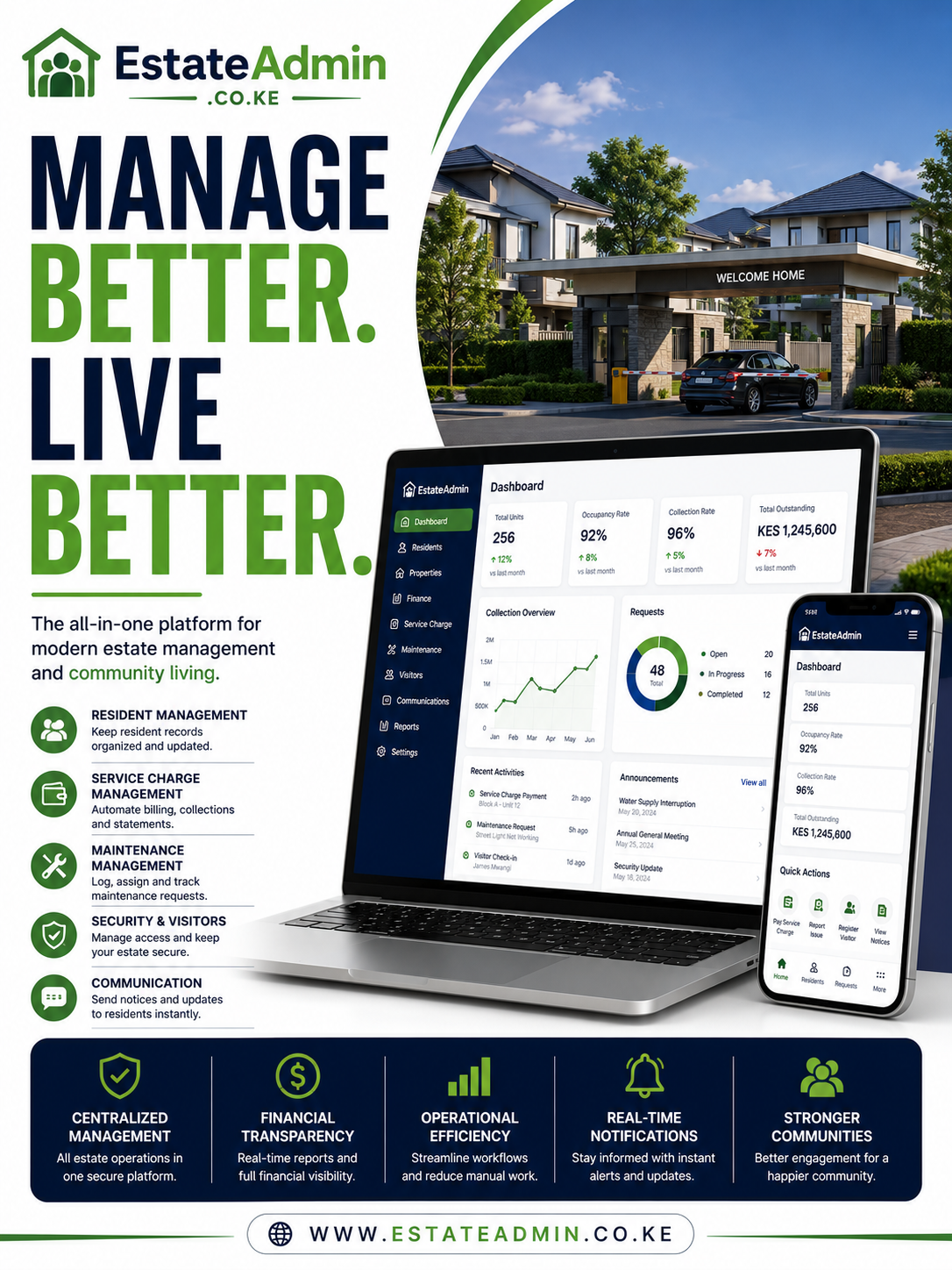
best apartment management software 2026 is becoming an important search for landlords, property managers, apartment owners, and real estate companies looking for better ways to manage rental properties. Modern apartment management platforms can bring tenant records, rent collection, lease administration, maintenance, accounting, communication, reporting, and property operations into one centralized system. Current 2026 software comparisons show that leading property management platforms increasingly focus on all-in-one management, accounting, automation, tenant communication, and cloud access.
Managing apartments manually can become difficult as a property portfolio grows. A landlord may start with a spreadsheet for tenant information and rent payments, but eventually need separate records for leases, maintenance, expenses, deposits, vacancies, arrears, and financial reports. The right software can connect these processes and provide a clearer picture of what is happening across every apartment.
Table of Contents
ToggleWhat Is Apartment Management Software?
Apartment management software is a digital platform designed to help landlords and property managers manage residential rental properties. Instead of maintaining separate spreadsheets, paper files, messaging conversations, and accounting records, managers can use one system to organize apartment operations.
Typical functions include:
- Property management
- Apartment and unit management
- Tenant management
- Rent collection
- Lease management
- Arrears tracking
- Maintenance management
- Expense management
- Accounting
- Tenant communication
- Financial reporting
- Document management
- User management
The best apartment management software 2026 options are not necessarily those with the longest feature lists. The best choice depends on the number of apartments being managed, the type of property, the size of the management team, the required payment methods, and the level of financial and operational control needed.
Why Apartment Managers Need Property Management Software
Apartment management involves many repetitive tasks.
A property manager may have to:
- Register tenants.
- Assign tenants to apartments.
- Record rental rates.
- Track lease agreements.
- Generate rent charges.
- Record payments.
- Follow up on arrears.
- Issue receipts.
- Handle maintenance requests.
- Track expenses.
- Communicate with tenants.
- Prepare owner reports.
When all these processes are handled manually, administrative work can consume a significant amount of time.
Software provides a centralized way to organize these activities and can reduce unnecessary duplication.
What Makes the Best Apartment Management Software 2026?
The best apartment management software 2026 should solve practical property management problems rather than simply provide a large collection of features.
A strong platform should make it easier to answer questions such as:
- How many apartments are occupied?
- Which apartments are vacant?
- Which tenants have paid?
- Who has outstanding rent?
- How much rent is expected?
- How much has been collected?
- Which leases are expiring?
- Which maintenance requests are pending?
- How much has been spent on repairs?
- How much income has each property generated?
If software can provide these answers quickly and accurately, it can become an important management tool.
Tenant Management
Tenant management is at the center of apartment administration.
A tenant profile can contain:
- Full name
- Phone number
- Email address
- Apartment number
- Lease details
- Rental amount
- Deposit
- Payment history
- Outstanding balance
- Maintenance history
Instead of searching through multiple files, a property manager can access the tenant’s information from a centralized record.
This becomes increasingly valuable when managing dozens or hundreds of tenants.
Apartment and Unit Management
A property management platform should allow managers to organize every unit within a building.
For example:
Property
→ Building
→ Floor
→ Apartment
→ Tenant
Each apartment can have its own rental rate, occupancy status, tenant, lease, payment history, and maintenance information.
This structure can make it easier to understand the condition of an entire apartment building at a glance.
Occupancy Management
Vacant apartments represent potential lost rental income.
Apartment management software can help managers identify:
- Occupied units
- Vacant units
- Reserved units
- Units under maintenance
- Units awaiting new tenants
A property manager can therefore monitor occupancy and identify units that need to be prepared or marketed.
Rent Collection
Rent collection is one of the most important reasons landlords adopt property management software.
The system should make it possible to record:
- Rent charges
- Payments
- Payment dates
- Payment references
- Payment methods
- Outstanding balances
A more advanced platform can automate recurring rental charges and connect with supported payment services.
This can reduce manual work and make it easier to determine which tenants have paid.
Automated Rent Collection
Automation can make rental administration significantly easier.
Instead of manually creating monthly charges for every tenant, the system can generate recurring charges according to the configured rental terms.
The workflow can become:
Tenant → Rental Charge → Payment → Reconciliation → Receipt → Updated Balance
Automation can reduce repetitive data entry and help managers maintain consistent financial records.
Rent Arrears Management
Late payments can create cash-flow problems for landlords.
A good apartment management platform should clearly show outstanding balances and overdue accounts.
Managers can monitor:
- Tenant
- Apartment
- Amount owed
- Due date
- Previous payments
- Age of arrears
Arrears reports can help managers focus on accounts that need attention.
Digital Rent Receipts
Digital receipts provide tenants with proof of payment while giving property managers an organized transaction record.
A receipt can contain:
- Tenant name
- Apartment
- Property
- Amount paid
- Payment date
- Payment reference
- Remaining balance
Automated receipt generation can reduce paperwork and make previous transactions easier to retrieve.
Tenant Statements
Tenant statements provide a detailed financial history.
They can show:
Opening balance
- Rental charges
- Other charges
− Payments
= Current balance
This can make account reconciliation easier and help resolve questions about outstanding rent.
Lease Management
Lease administration is another major function to consider when evaluating the best apartment management software 2026.
A lease record may include:
- Tenant
- Apartment
- Lease start date
- Lease expiry date
- Rental amount
- Deposit
- Payment frequency
- Renewal terms
Keeping these details within the property management platform can make it easier to monitor active and expiring leases.
Lease Expiration Alerts
A lease approaching its expiry date should not be overlooked.
Software can help managers identify leases that are:
- Active
- Expiring soon
- Expired
- Renewed
This can support better planning and reduce the likelihood of missing important lease dates.
Security Deposit Management
Security deposits should be recorded separately from ordinary rent.
A platform can maintain information about:
- Deposit amount
- Tenant
- Apartment
- Date received
- Adjustments
- Refunds
This provides a clearer financial history for each tenancy.
Maintenance Management
Apartment maintenance is another area where software can provide significant value.
Tenants may report:
- Plumbing problems
- Electrical faults
- Water leaks
- Broken doors
- Damaged fixtures
- Appliance issues
- Security concerns
A maintenance module can allow managers to record, assign, monitor, and close requests.
Maintenance Request Workflow
A structured maintenance process can look like:
Tenant Reports Problem
↓
Request Created
↓
Request Assigned
↓
Work in Progress
↓
Repair Completed
↓
Request Closed
This provides greater visibility than relying exclusively on phone calls, notebooks, or scattered messaging conversations.
Maintenance Cost Tracking
Property managers should also know how much they spend maintaining apartments.
The system can record:
- Repair description
- Contractor
- Materials
- Labour
- Date
- Cost
- Apartment
- Property
This information can later be included in property expense reports.
Property Expense Management
Rental income is only one part of property finances.
Apartment owners may also pay for:
- Repairs
- Cleaning
- Security
- Landscaping
- Utilities
- Insurance
- Staff
- Contractors
- Property management
Software that records income and expenses can provide a better understanding of the financial performance of each property.
Accounting and Financial Management
Modern property management software increasingly includes accounting capabilities. Current 2026 comparisons emphasize the importance of financial management alongside property operations, including rent, expenses, maintenance, and profitability.
A property management system can help organize:
- Rental income
- Property expenses
- Tenant balances
- Payments
- Deposits
- Owner statements
- Financial reports
This can reduce the need to maintain separate financial records.
Property-Level Reporting
Property owners often want to know how individual buildings are performing.
A property report can show:
- Total rent billed
- Rent collected
- Outstanding rent
- Occupancy
- Maintenance expenses
- Other expenses
- Net performance
This helps managers compare different properties within the portfolio.
Owner Reporting
Property management companies often need to provide owners with financial reports.
An owner statement can summarize:
- Rental income
- Payments received
- Outstanding rent
- Property expenses
- Management fees
- Net income
Automating these reports can save time and improve consistency.
Tenant Communication
Property managers communicate with tenants about rent, maintenance, lease renewals, property notices, and other issues.
Some platforms provide built-in communication features, including email or text messaging, while others integrate with external communication services. Re-Leased, for example, currently advertises tenant communication, automated workflows, reminders, and cloud access among its property management functions.
A centralized communication history can make it easier to determine what information was previously shared with a tenant.
Tenant Portals
Tenant portals are becoming increasingly useful in modern property management.
A portal may allow tenants to:
- View rent balances
- Access statements
- Download receipts
- Submit maintenance requests
- Review payment history
- Receive property communications
This can reduce the number of routine questions property managers have to answer manually.
Cloud-Based Apartment Management
Cloud software allows authorized users to access property information through an internet connection.
This is useful for managers who work from:
- Property offices
- Home
- Different buildings
- Multiple cities
- Different branches
Cloud-based access can also support teams that need to work from different locations.
Mobile Property Management
Mobile access is useful for property managers who spend time away from their desks.
A mobile-friendly platform can allow managers to:
- Check tenant records
- Review rent payments
- View outstanding balances
- Record maintenance issues
- Check apartment information
- Communicate with tenants
The ability to manage property information from a phone or tablet can make daily operations more flexible.
Best Apartment Management Software 2026 for Different Portfolio Sizes
There is no single platform that is automatically the best for every landlord.
Small Apartment Portfolio
A landlord with a few units may prioritize:
- Easy tenant management
- Simple rent tracking
- Digital receipts
- Basic maintenance
- Affordable pricing
Medium Apartment Portfolio
A growing landlord may need:
- Multiple properties
- Automated rent collection
- Arrears management
- Maintenance workflows
- Expense tracking
- Financial reports
Large Apartment Portfolio
Large property management companies may require:
- Multi-property management
- Multiple users
- Advanced accounting
- Automated workflows
- Payment integrations
- Detailed reporting
- Tenant portals
- Strong access controls
- Scalable databases
This is why comparing software according to portfolio size is more useful than simply selecting the platform with the most features.
Apartment Management Software in Kenya
For Kenyan landlords, software requirements can be different from those of landlords in other markets.
Rent collection may involve mobile money, bank payments, cash, and other payment methods. Property managers may also need service charge management, utility billing, tenant communication, and detailed rent statements.
Recent 2026 comparisons of Kenyan property management software specifically highlight features such as M-Pesa reconciliation, tenant portals, rent collection, maintenance, tenant records, and reporting as important considerations for local landlords.
This means a platform designed around local rental workflows can sometimes be more useful to a Kenyan property manager than a generic international solution.
What to Look for Before Choosing Software
Before selecting the best apartment management software 2026, property managers should evaluate the following:
1. Tenant Management
Can the system maintain complete tenant records?
2. Unit Management
Can you organize multiple buildings and apartments?
3. Rent Collection
Can you record and reconcile payments?
4. Arrears Management
Can you easily identify overdue accounts?
5. Lease Management
Can you track lease start and expiry dates?
6. Maintenance
Can tenants report issues and managers track repairs?
7. Accounting
Can you track income and property expenses?
8. Reporting
Can the system produce useful financial and operational reports?
9. Payment Integration
Can it connect with the payment methods your tenants actually use?
10. Scalability
Can the system continue supporting the business as more properties and tenants are added?
Conclusion
The best apartment management software 2026 should make property operations easier, more organized, and more transparent. Instead of treating rent collection, tenant management, maintenance, accounting, leases, and reporting as separate activities, modern property management software can bring these functions together in one centralized platform.
The right solution will depend on the size of the apartment portfolio and the specific requirements of the landlord or property management company. A small landlord may need simple tenant and rent management, while a larger organization may require automated collections, accounting, maintenance workflows, tenant portals, multi-property management, and advanced reporting.
For Kenyan property managers, local payment capabilities and rental workflows should receive particular attention. Current 2026 comparisons show that M-Pesa-related functionality, tenant management, maintenance, reporting, and rent collection are among the important considerations when evaluating property management software in Kenya.
Part 2 can go deeper into how to compare apartment management software, pricing, features, automation, rent collection, tenant portals, accounting, maintenance, security, scalability, and how to choose the right system for a growing apartment business.