
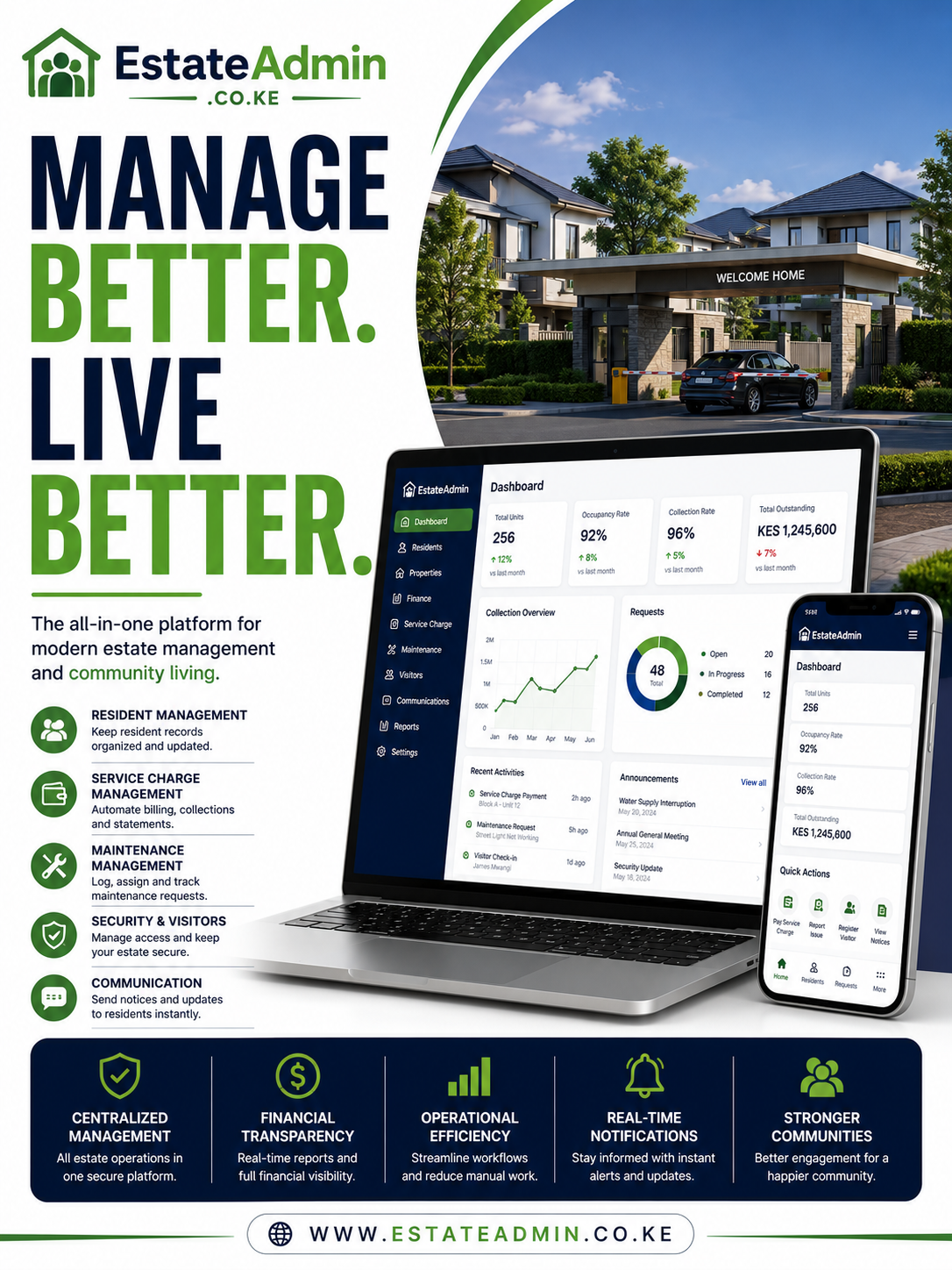
best apartment management software 2026 is becoming an important search for landlords, property managers, apartment owners, and real estate companies looking for better ways to manage rental properties. Modern apartment management platforms can bring tenant records, rent collection, lease administration, maintenance, accounting, communication, reporting, and property operations into one centralized system. Current 2026 software comparisons show that leading property management platforms increasingly focus on all-in-one management, accounting, automation, tenant communication, and cloud access.
Managing apartments manually can become difficult as a property portfolio grows. A landlord may start with a spreadsheet for tenant information and rent payments, but eventually need separate records for leases, maintenance, expenses, deposits, vacancies, arrears, and financial reports. The right software can connect these processes and provide a clearer picture of what is happening across every apartment.
What Is Apartment Management Software?
Apartment management software is a digital platform designed to help landlords and property managers manage residential rental properties. Instead of maintaining separate spreadsheets, paper files, messaging conversations, and accounting records, managers can use one system to organize apartment operations.
Typical functions include:
- Property management
- Apartment and unit management
- Tenant management
- Rent collection
- Lease management
- Arrears tracking
- Maintenance management
- Expense management
- Accounting
- Tenant communication
- Financial reporting
- Document management
- User management
The best apartment management software 2026 options are not necessarily those with the longest feature lists. The best choice depends on the number of apartments being managed, the type of property, the size of the management team, the required payment methods, and the level of financial and operational control needed.
Why Apartment Managers Need Property Management Software
Apartment management involves many repetitive tasks.
A property manager may have to:
- Register tenants.
- Assign tenants to apartments.
- Record rental rates.
- Track lease agreements.
- Generate rent charges.
- Record payments.
- Follow up on arrears.
- Issue receipts.
- Handle maintenance requests.
- Track expenses.
- Communicate with tenants.
- Prepare owner reports.
When all these processes are handled manually, administrative work can consume a significant amount of time.
Software provides a centralized way to organize these activities and can reduce unnecessary duplication.
What Makes the Best Apartment Management Software 2026?
The best apartment management software 2026 should solve practical property management problems rather than simply provide a large collection of features.
A strong platform should make it easier to answer questions such as:
- How many apartments are occupied?
- Which apartments are vacant?
- Which tenants have paid?
- Who has outstanding rent?
- How much rent is expected?
- How much has been collected?
- Which leases are expiring?
- Which maintenance requests are pending?
- How much has been spent on repairs?
- How much income has each property generated?
If software can provide these answers quickly and accurately, it can become an important management tool.
Tenant Management
Tenant management is at the center of apartment administration.
A tenant profile can contain:
- Full name
- Phone number
- Email address
- Apartment number
- Lease details
- Rental amount
- Deposit
- Payment history
- Outstanding balance
- Maintenance history
Instead of searching through multiple files, a property manager can access the tenant’s information from a centralized record.
This becomes increasingly valuable when managing dozens or hundreds of tenants.
Apartment and Unit Management
A property management platform should allow managers to organize every unit within a building.
For example:
Property
→ Building
→ Floor
→ Apartment
→ Tenant
Each apartment can have its own rental rate, occupancy status, tenant, lease, payment history, and maintenance information.
This structure can make it easier to understand the condition of an entire apartment building at a glance.
Occupancy Management
Vacant apartments represent potential lost rental income.
Apartment management software can help managers identify:
- Occupied units
- Vacant units
- Reserved units
- Units under maintenance
- Units awaiting new tenants
A property manager can therefore monitor occupancy and identify units that need to be prepared or marketed.
Rent Collection
Rent collection is one of the most important reasons landlords adopt property management software.
The system should make it possible to record:
- Rent charges
- Payments
- Payment dates
- Payment references
- Payment methods
- Outstanding balances
A more advanced platform can automate recurring rental charges and connect with supported payment services.
This can reduce manual work and make it easier to determine which tenants have paid.
Automated Rent Collection
Automation can make rental administration significantly easier.
Instead of manually creating monthly charges for every tenant, the system can generate recurring charges according to the configured rental terms.
The workflow can become:
Tenant → Rental Charge → Payment → Reconciliation → Receipt → Updated Balance
Automation can reduce repetitive data entry and help managers maintain consistent financial records.
Rent Arrears Management
Late payments can create cash-flow problems for landlords.
A good apartment management platform should clearly show outstanding balances and overdue accounts.
Managers can monitor:
- Tenant
- Apartment
- Amount owed
- Due date
- Previous payments
- Age of arrears
Arrears reports can help managers focus on accounts that need attention.
Digital Rent Receipts
Digital receipts provide tenants with proof of payment while giving property managers an organized transaction record.
A receipt can contain:
- Tenant name
- Apartment
- Property
- Amount paid
- Payment date
- Payment reference
- Remaining balance
Automated receipt generation can reduce paperwork and make previous transactions easier to retrieve.
Tenant Statements
Tenant statements provide a detailed financial history.
They can show:
Opening balance
- Rental charges
- Other charges
− Payments
= Current balance
This can make account reconciliation easier and help resolve questions about outstanding rent.
Lease Management
Lease administration is another major function to consider when evaluating the best apartment management software 2026.
A lease record may include:
- Tenant
- Apartment
- Lease start date
- Lease expiry date
- Rental amount
- Deposit
- Payment frequency
- Renewal terms
Keeping these details within the property management platform can make it easier to monitor active and expiring leases.
Lease Expiration Alerts
A lease approaching its expiry date should not be overlooked.
Software can help managers identify leases that are:
- Active
- Expiring soon
- Expired
- Renewed
This can support better planning and reduce the likelihood of missing important lease dates.
Security Deposit Management
Security deposits should be recorded separately from ordinary rent.
A platform can maintain information about:
- Deposit amount
- Tenant
- Apartment
- Date received
- Adjustments
- Refunds
This provides a clearer financial history for each tenancy.
Maintenance Management
Apartment maintenance is another area where software can provide significant value.
Tenants may report:
- Plumbing problems
- Electrical faults
- Water leaks
- Broken doors
- Damaged fixtures
- Appliance issues
- Security concerns
A maintenance module can allow managers to record, assign, monitor, and close requests.
Maintenance Request Workflow
A structured maintenance process can look like:
Tenant Reports Problem
↓
Request Created
↓
Request Assigned
↓
Work in Progress
↓
Repair Completed
↓
Request Closed
This provides greater visibility than relying exclusively on phone calls, notebooks, or scattered messaging conversations.
Maintenance Cost Tracking
Property managers should also know how much they spend maintaining apartments.
The system can record:
- Repair description
- Contractor
- Materials
- Labour
- Date
- Cost
- Apartment
- Property
This information can later be included in property expense reports.
Property Expense Management
Rental income is only one part of property finances.
Apartment owners may also pay for:
- Repairs
- Cleaning
- Security
- Landscaping
- Utilities
- Insurance
- Staff
- Contractors
- Property management
Software that records income and expenses can provide a better understanding of the financial performance of each property.
Accounting and Financial Management
Modern property management software increasingly includes accounting capabilities. Current 2026 comparisons emphasize the importance of financial management alongside property operations, including rent, expenses, maintenance, and profitability.
A property management system can help organize:
- Rental income
- Property expenses
- Tenant balances
- Payments
- Deposits
- Owner statements
- Financial reports
This can reduce the need to maintain separate financial records.
Property-Level Reporting
Property owners often want to know how individual buildings are performing.
A property report can show:
- Total rent billed
- Rent collected
- Outstanding rent
- Occupancy
- Maintenance expenses
- Other expenses
- Net performance
This helps managers compare different properties within the portfolio.
Owner Reporting
Property management companies often need to provide owners with financial reports.
An owner statement can summarize:
- Rental income
- Payments received
- Outstanding rent
- Property expenses
- Management fees
- Net income
Automating these reports can save time and improve consistency.
Tenant Communication
Property managers communicate with tenants about rent, maintenance, lease renewals, property notices, and other issues.
Some platforms provide built-in communication features, including email or text messaging, while others integrate with external communication services. Re-Leased, for example, currently advertises tenant communication, automated workflows, reminders, and cloud access among its property management functions.
A centralized communication history can make it easier to determine what information was previously shared with a tenant.
Tenant Portals
Tenant portals are becoming increasingly useful in modern property management.
A portal may allow tenants to:
- View rent balances
- Access statements
- Download receipts
- Submit maintenance requests
- Review payment history
- Receive property communications
This can reduce the number of routine questions property managers have to answer manually.
Cloud-Based Apartment Management
Cloud software allows authorized users to access property information through an internet connection.
This is useful for managers who work from:
- Property offices
- Home
- Different buildings
- Multiple cities
- Different branches
Cloud-based access can also support teams that need to work from different locations.
Mobile Property Management
Mobile access is useful for property managers who spend time away from their desks.
A mobile-friendly platform can allow managers to:
- Check tenant records
- Review rent payments
- View outstanding balances
- Record maintenance issues
- Check apartment information
- Communicate with tenants
The ability to manage property information from a phone or tablet can make daily operations more flexible.
Best Apartment Management Software 2026 for Different Portfolio Sizes
There is no single platform that is automatically the best for every landlord.
Small Apartment Portfolio
A landlord with a few units may prioritize:
- Easy tenant management
- Simple rent tracking
- Digital receipts
- Basic maintenance
- Affordable pricing
Medium Apartment Portfolio
A growing landlord may need:
- Multiple properties
- Automated rent collection
- Arrears management
- Maintenance workflows
- Expense tracking
- Financial reports
Large Apartment Portfolio
Large property management companies may require:
- Multi-property management
- Multiple users
- Advanced accounting
- Automated workflows
- Payment integrations
- Detailed reporting
- Tenant portals
- Strong access controls
- Scalable databases
This is why comparing software according to portfolio size is more useful than simply selecting the platform with the most features.
Apartment Management Software in Kenya
For Kenyan landlords, software requirements can be different from those of landlords in other markets.
Rent collection may involve mobile money, bank payments, cash, and other payment methods. Property managers may also need service charge management, utility billing, tenant communication, and detailed rent statements.
Recent 2026 comparisons of Kenyan property management software specifically highlight features such as M-Pesa reconciliation, tenant portals, rent collection, maintenance, tenant records, and reporting as important considerations for local landlords.
This means a platform designed around local rental workflows can sometimes be more useful to a Kenyan property manager than a generic international solution.
What to Look for Before Choosing Software
Before selecting the best apartment management software 2026, property managers should evaluate the following:
1. Tenant Management
Can the system maintain complete tenant records?
2. Unit Management
Can you organize multiple buildings and apartments?
3. Rent Collection
Can you record and reconcile payments?
4. Arrears Management
Can you easily identify overdue accounts?
5. Lease Management
Can you track lease start and expiry dates?
6. Maintenance
Can tenants report issues and managers track repairs?
7. Accounting
Can you track income and property expenses?
8. Reporting
Can the system produce useful financial and operational reports?
9. Payment Integration
Can it connect with the payment methods your tenants actually use?
10. Scalability
Can the system continue supporting the business as more properties and tenants are added?
Conclusion
The best apartment management software 2026 should make property operations easier, more organized, and more transparent. Instead of treating rent collection, tenant management, maintenance, accounting, leases, and reporting as separate activities, modern property management software can bring these functions together in one centralized platform.
The right solution will depend on the size of the apartment portfolio and the specific requirements of the landlord or property management company. A small landlord may need simple tenant and rent management, while a larger organization may require automated collections, accounting, maintenance workflows, tenant portals, multi-property management, and advanced reporting.
For Kenyan property managers, local payment capabilities and rental workflows should receive particular attention. Current 2026 comparisons show that M-Pesa-related functionality, tenant management, maintenance, reporting, and rent collection are among the important considerations when evaluating property management software in Kenya.
best apartment management software 2026 should do much more than store tenant names and rental payment records. Modern apartment management requires landlords and property managers to coordinate tenants, rental units, leases, rent collection, arrears, maintenance, expenses, communication, and financial reporting. The right software brings these functions together so that property managers can operate their portfolios from one organized platform.
As an apartment portfolio grows, managing information manually becomes increasingly difficult. A landlord may have dozens or hundreds of tenants, different rental rates, different lease dates, multiple payment methods, maintenance requests, service charges, utility bills, and outstanding balances. Without a centralized system, important information can become scattered across spreadsheets, notebooks, receipts, bank statements, and messaging applications.
Apartment management software provides a more structured way to manage these activities. However, choosing the right system requires looking at the actual needs of the property business rather than simply selecting a platform with the largest number of features.
HOW TO COMPARE APARTMENT MANAGEMENT SOFTWARE IN 2026
When searching for the best apartment management software 2026, property managers should begin by identifying the problems they want the software to solve.
Consider the following:
- How many properties are being managed?
- How many apartment units are involved?
- How many tenants are active?
- How many employees need access?
- How are tenants paying rent?
- How much time is spent following up on arrears?
- How are maintenance requests currently handled?
- How are expenses recorded?
- How long does it take to prepare reports?
The answers will help determine which features are actually necessary.
PROPERTY PORTFOLIO MANAGEMENT
A property management platform should allow managers to organize their entire portfolio.
A typical structure can be:
Property Portfolio
→ Property
→ Building
→ Floor
→ Apartment
→ Tenant
This organization becomes particularly important when a company manages several apartment buildings.
Instead of searching through separate spreadsheets, managers can select a property and immediately see its buildings, apartments, tenants, rental charges, payment status, maintenance records, and other information.
MULTIPLE PROPERTY MANAGEMENT
Property managers often start with one building and later add additional properties.
The best apartment management software 2026 should therefore support multiple properties within one account.
A centralized platform can allow managers to oversee:
- Apartment buildings
- Residential estates
- Multiple rental properties
- Mixed-use developments
- Commercial units
- Properties belonging to different owners
This makes portfolio-wide reporting easier and reduces the need to maintain separate systems.
UNIT-LEVEL MANAGEMENT
Apartment management should also operate at the individual unit level.
Each unit can have its own:
- Unit number
- Building
- Floor
- Tenant
- Rental amount
- Occupancy status
- Lease
- Payment history
- Maintenance history
- Outstanding balance
This gives property managers detailed information about every apartment.
OCCUPANCY MANAGEMENT
Occupancy is one of the most important indicators for an apartment business.
A property management system should make it easy to identify:
- Occupied apartments
- Vacant apartments
- Reserved units
- Units under maintenance
- Units awaiting new tenants
Managers can use this information to determine how much rental capacity is being utilized.
VACANCY MANAGEMENT
Vacant apartments can reduce potential rental income.
A property management platform can help managers track the progress of vacant units.
For example:
Vacant → Cleaning → Inspection → Repairs → Available → Viewing → Occupied
This workflow helps ensure that vacant apartments are not forgotten.
TENANT MANAGEMENT
Tenant management is at the center of apartment operations.
A digital tenant profile can contain:
- Full name
- Phone number
- Email address
- Apartment
- Lease information
- Rent amount
- Deposit
- Payment history
- Outstanding balance
- Maintenance requests
Having this information in one place can make tenant administration significantly easier.
DIGITAL TENANT RECORDS
Paper tenant files can become difficult to maintain as the portfolio grows.
Digital tenant records allow managers to search for information quickly and update records when necessary.
A manager can locate a tenant and immediately view relevant rental, payment, lease, and maintenance information.
TENANT ONBOARDING
Some apartment management systems support digital tenant onboarding.
The process can include:
- Tenant application
- Applicant information
- Verification
- Approval
- Lease creation
- Unit assignment
- Deposit recording
- Tenant activation
This can make the process of adding new residents more organized.
RENT BILLING
Rent billing is one of the most important features to consider.
The software should allow property managers to establish rental charges based on each tenant’s agreement.
Different apartments can have different:
- Rental amounts
- Due dates
- Billing frequencies
- Service charges
- Utility charges
Automated billing can reduce repetitive monthly work.
AUTOMATED RENT COLLECTION
The best apartment management software 2026 should make rent collection easier and more organized.
Depending on the platform, tenants may be able to pay through:
- Mobile money
- Bank transfers
- Online payment gateways
- Cards
- Other supported payment methods
The most important part is ensuring that payments are correctly associated with the appropriate tenant and apartment.
PAYMENT RECONCILIATION
Payment reconciliation becomes more important as the number of tenants increases.
Imagine receiving hundreds of payments in one month. The property manager needs to determine:
- Who made each payment?
- How much was received?
- Which apartment does it belong to?
- Which rental charge does it settle?
- Does the tenant still have an outstanding balance?
A good system can help organize these transactions and reduce manual reconciliation.
MOBILE MONEY RENT COLLECTION
For apartment managers in Kenya, mobile money can be an important consideration when choosing property management software.
A suitable system should make it easier to associate mobile money transactions with tenant accounts.
Managers should check whether the software supports the specific payment integration they need and whether integration fees apply.
AUTOMATED RENT REMINDERS
Rent reminders can help property managers reduce late payments.
The system can potentially send reminders:
- Before rent is due
- On the due date
- After the due date
- During arrears follow-up
This reduces the need for staff to manually contact every tenant.
RENT ARREARS MANAGEMENT
Rent arrears can significantly affect property cash flow.
A property management platform should make outstanding balances easy to identify.
Managers should be able to see:
Tenant
Apartment
Amount Due
Due Date
Days Overdue
Previous Payments
This information can help managers prioritize collection activities.
ARREARS AGING REPORTS
Arrears aging provides a more detailed view of unpaid rent.
Accounts can be organized into categories such as:
- Current
- 1–30 days overdue
- 31–60 days overdue
- 61–90 days overdue
- 90+ days overdue
This allows managers to distinguish recent late payments from long-standing arrears.
PARTIAL PAYMENT MANAGEMENT
Tenants do not always pay the entire rental amount at once.
For example:
Rent Due: $1,000
Payment 1: $600
Remaining Balance: $400
The software should retain the outstanding balance and record the partial payment correctly.
If the tenant later pays $400, the account can be updated to show that the rental charge has been fully settled.
DIGITAL RENT RECEIPTS
Digital receipts provide proof of payment and create an organized transaction history.
A receipt can include:
- Tenant name
- Apartment
- Property
- Amount
- Payment date
- Payment method
- Transaction reference
- Remaining balance
Automated receipt generation can reduce paperwork and make previous transactions easier to retrieve.
TENANT STATEMENTS
Tenant statements provide a complete financial history.
A statement can show:
- Opening balance
- Rent charges
- Service charges
- Utility charges
- Payments
- Adjustments
- Current balance
This can help tenants and property managers understand exactly how a balance was calculated.
LEASE MANAGEMENT
Lease management is another major feature when comparing the best apartment management software 2026.
A lease record can contain:
- Tenant
- Apartment
- Lease start date
- Lease expiry date
- Monthly rent
- Deposit
- Payment frequency
- Renewal information
This keeps lease information connected to the tenant and apartment.
LEASE EXPIRY MONITORING
Property managers need to know when leases are approaching expiration.
Software can identify leases that are:
- Active
- Expiring soon
- Expired
- Renewed
Automated alerts can help managers prepare for renewals.
RENTAL RATE MANAGEMENT
Different apartments can have different rental rates.
For example:
Studio Apartment — $500
One Bedroom — $700
Two Bedroom — $900
Three Bedroom — $1,200
The software should allow each unit to have its own rental amount.
This is especially useful in large buildings with different apartment sizes and rental terms.
RENT INCREASE MANAGEMENT
Rental amounts can change during lease renewals.
The system should allow managers to record:
- Previous rental rate
- New rental rate
- Effective date
- Tenant
- Apartment
Maintaining this history can help property managers understand changes in rental income.
SERVICE CHARGE MANAGEMENT
Some apartments charge tenants service fees in addition to rent.
These can cover:
- Security
- Cleaning
- Garbage collection
- Landscaping
- Common areas
- Shared facilities
A good system should allow service charges to be recorded separately from ordinary rent.
UTILITY BILLING
Some apartment managers also collect utility payments from tenants.
These can include:
- Water
- Electricity
- Internet
- Garbage
- Other shared services
Utility billing can be integrated into tenant accounts where supported.
MAINTENANCE MANAGEMENT
Maintenance is another critical part of apartment management.
Tenants may report:
- Plumbing problems
- Electrical faults
- Water leaks
- Broken locks
- Damaged doors
- Appliance problems
- Structural issues
The software should provide a way to record, assign, monitor, and close maintenance requests.
MAINTENANCE REQUEST TRACKING
A structured workflow can look like:
Tenant Reports Problem
↓
Request Created
↓
Request Assigned
↓
Work Started
↓
Repair Completed
↓
Request Closed
This helps prevent maintenance requests from being forgotten.
MAINTENANCE ASSIGNMENT
Maintenance requests can be assigned to:
- Plumbers
- Electricians
- Technicians
- Internal maintenance teams
- Contractors
- Other service providers
Managers can then see who is responsible for each job.
MAINTENANCE PRIORITIES
Maintenance issues should not all be treated with the same urgency.
Requests can be categorized as:
- Emergency
- High priority
- Normal
- Low priority
This allows property managers to focus on urgent problems first.
MAINTENANCE COST TRACKING
Property managers should know how much is being spent on repairs.
A maintenance record can include:
- Description
- Contractor
- Materials
- Labour
- Total cost
- Date
- Apartment
- Property
This information can also be incorporated into property expense reports.
PREVENTIVE MAINTENANCE
Modern apartment management should not only respond to problems after they happen.
Preventive maintenance can include:
- Plumbing inspections
- Electrical inspections
- Generator servicing
- Elevator servicing
- Water tank cleaning
- Fire equipment inspections
- Common-area maintenance
Scheduling these activities can help managers identify problems earlier.
PROPERTY EXPENSE MANAGEMENT
Rental income is only one part of property finances.
Apartment owners may also spend money on:
- Repairs
- Security
- Cleaning
- Landscaping
- Utilities
- Insurance
- Contractors
- Staff
- Property management
Expense tracking helps owners understand how much it costs to operate each property.
ACCOUNTING AND FINANCIAL MANAGEMENT
The best apartment management software 2026 should ideally connect property operations with financial management.
Useful accounting functions include:
- Rental income
- Property expenses
- Tenant balances
- Payments
- Deposits
- Financial statements
- Owner statements
- Income reports
Connecting these records reduces duplicate work.
INCOME AND EXPENSE REPORTING
Property managers should be able to compare rental income against operating expenses.
For example:
Rental Income
− Maintenance Costs
− Security
− Utilities
− Cleaning
− Management Costs
= Property Performance
This can provide a clearer picture of financial performance.
PROPERTY PROFITABILITY
A property owner may want to compare different buildings.
Reports can compare:
- Rental income
- Occupancy
- Arrears
- Maintenance costs
- Operating expenses
- Net income
This can help identify properties that require attention.
OWNER REPORTING
Property managers who manage properties for other owners need reliable reporting.
Owner statements can show:
- Total rent
- Rent collected
- Outstanding rent
- Property expenses
- Management fees
- Net income
Automating these reports can save significant administrative time.
TENANT PORTALS
Tenant portals allow residents to access their information directly.
Depending on the platform, tenants may be able to:
- View rent balances
- View statements
- Download receipts
- Review payments
- Submit maintenance requests
- Receive announcements
This creates a more convenient tenant experience.
TENANT SELF-SERVICE
Tenant self-service can reduce repetitive questions.
Instead of asking the property manager for a receipt or balance, tenants can access supported information through their accounts.
This gives property managers more time to focus on property operations.
TENANT COMMUNICATION
Property managers regularly communicate with tenants about:
- Rent reminders
- Payment confirmations
- Maintenance updates
- Lease renewals
- Property announcements
- Emergency information
A centralized communication feature can make these activities easier to organize.
DOCUMENT MANAGEMENT
Apartment management generates many documents.
These may include:
- Lease agreements
- Tenant applications
- Receipts
- Statements
- Inspection reports
- Maintenance records
- Property documents
Digital document management makes it easier to locate important information.
PROPERTY INSPECTIONS
Property inspections can be managed digitally.
Managers may inspect:
- Vacant apartments
- Newly occupied apartments
- Common areas
- Building systems
- Completed maintenance work
Inspection records can include:
- Inspection date
- Apartment
- Findings
- Photos
- Required repairs
- Follow-up actions
This provides a historical record of property conditions.
USER MANAGEMENT
Large property management companies may have several employees using the same platform.
Users may include:
- Administrators
- Property managers
- Accountants
- Receptionists
- Maintenance staff
- Supervisors
The system should allow different access levels for different roles.
ROLE-BASED ACCESS
Not every employee needs access to every financial record.
For example:
Administrator — Full access
Property Manager — Property and tenant management
Accountant — Financial information
Maintenance Staff — Maintenance records
Role-based access helps protect sensitive information.
AUDIT TRAILS
Audit trails record important changes made inside the system.
They can show:
- Who changed a record
- What was changed
- When it was changed
This can help improve accountability.
DATA SECURITY
Property management software stores sensitive information.
This can include:
- Tenant contact information
- Lease agreements
- Payment records
- Financial information
- Property information
When comparing software, managers should examine:
- Login security
- User permissions
- Secure connections
- Data backups
- Access controls
- Audit trails
Security should be considered an essential part of the software selection process.
DATA BACKUPS
Apartment management data can represent years of business history.
Important records include:
- Tenant information
- Payment histories
- Lease records
- Financial information
- Maintenance records
- Property details
Managers should determine how the software protects this data and whether information can be exported.
CLOUD-BASED APARTMENT MANAGEMENT
Cloud-based software allows authorized users to access property information through an internet connection.
This can be useful for managers who work from:
- Property offices
- Home
- Apartment buildings
- Different cities
- Multiple branches
Cloud access provides greater flexibility than software restricted to one computer.
MOBILE APARTMENT MANAGEMENT
Property managers often spend time away from their desks.
Mobile access can allow them to:
- Check tenant information
- Review payments
- View balances
- Record maintenance requests
- Conduct inspections
- Update property records
Mobile access can make daily property management more convenient.
SCALABILITY
The best apartment management software 2026 should be able to grow with the property business.
A landlord might start with:
10 apartments → 50 apartments → 200 apartments → 500 apartments
The software should be capable of handling growth without becoming difficult to use or forcing an immediate migration.
SOFTWARE PRICING
Price should not be the only factor when choosing apartment management software.
Consider:
- Monthly subscription
- Annual subscription
- Number of units included
- Number of users
- Payment processing fees
- Setup fees
- Integration costs
- Additional modules
- Support costs
A low monthly price may not be economical if essential features require multiple paid add-ons.
FREE VS PAID APARTMENT MANAGEMENT SOFTWARE
Free apartment management software may be suitable for landlords with basic requirements.
Paid systems may provide:
- More properties
- More tenants
- More users
- Automated rent billing
- Payment integrations
- Advanced accounting
- Tenant portals
- Advanced reporting
- Advanced maintenance management
- Professional support
The right choice depends on the size and complexity of the portfolio.
CUSTOM APARTMENT MANAGEMENT SOFTWARE
Some property managers have unique workflows that standard software cannot accommodate.
In such cases, custom apartment management software can be designed around specific business requirements.
A custom platform could combine:
Tenant Management
- Rent Collection
- Payment Integration
- Maintenance
- Service Charges
- Accounting
- Reporting
This approach can provide greater control over how the system operates.
APARTMENT MANAGEMENT SOFTWARE FOR KENYA
Kenyan property managers should consider software that fits the local rental environment.
Important requirements can include:
- Mobile money payments
- Bank payment tracking
- Rent receipts
- Service charge management
- Utility billing
- Tenant statements
- Arrears management
- Tenant communication
- Property reporting
A system designed around the actual local workflow can reduce manual work.
HOW TO CHOOSE THE RIGHT SOFTWARE
A practical selection process can help property managers avoid choosing the wrong platform.
Step 1: Determine Portfolio Size
Count properties, buildings, apartments, and tenants.
Step 2: Identify Current Problems
Determine what currently consumes the most time.
Examples include:
- Rent collection
- Arrears follow-up
- Maintenance
- Tenant records
- Reporting
- Expense management
Step 3: Identify Essential Features
Separate must-have features from optional features.
Step 4: Compare Platforms
Compare multiple systems using the same criteria.
Step 5: Request a Demo
A demonstration can reveal how the software actually works.
Step 6: Test the Workflow
Create a sample property, apartment, tenant, rental charge, payment, and maintenance request.
Step 7: Check Total Cost
Look beyond the advertised subscription price and identify additional fees.
Step 8: Review Security
Understand how tenant and financial data is protected.
Step 9: Check Scalability
Determine whether the system can support future growth.
Step 10: Choose Based on Business Fit
The best system is the one that fits the actual property management workflow.
QUESTIONS TO ASK A SOFTWARE PROVIDER
Before purchasing apartment management software, ask:
Can the system manage multiple properties?
How many apartments can it support?
How many tenants can it manage?
Can multiple employees use the system?
Can it automate recurring rent charges?
Can it track arrears?
Can it handle partial payments?
Can it generate digital receipts?
Can tenants access statements?
Can tenants submit maintenance requests?
Can the system track property expenses?
Does it provide accounting functionality?
Can it integrate with payment platforms?
Does it support M-Pesa if required?
Can property data be exported?
How often is data backed up?
What happens if the portfolio exceeds the current subscription plan?
SIGNS THAT YOU NEED BETTER APARTMENT MANAGEMENT SOFTWARE
A property manager may need to upgrade their current system when:
- Rent payments are being tracked manually
- Tenant balances are frequently disputed
- Receipts are difficult to locate
- Arrears are discovered too late
- Maintenance requests are forgotten
- Property expenses are scattered across different records
- Reports take too long to prepare
- Multiple spreadsheets are being used
- Employees maintain inconsistent records
- Management cannot quickly determine property performance
These problems indicate that a more centralized system may provide significant benefits.
BENEFITS OF MODERN APARTMENT MANAGEMENT SOFTWARE
Better Organization
Property, tenant, financial, and maintenance information can be maintained in one system.
Faster Rent Administration
Recurring rental charges and payments can be handled more efficiently.
Better Arrears Visibility
Outstanding balances can be identified quickly.
Improved Maintenance
Requests can be tracked from reporting through completion.
Better Financial Control
Income and expenses can be monitored together.
Improved Tenant Experience
Tenants can access information and submit requests digitally.
Better Reporting
Managers and owners can receive accurate information more efficiently.
Greater Scalability
More apartments and tenants can be managed without increasing manual administration at the same rate.
THE FUTURE OF APARTMENT MANAGEMENT SOFTWARE
Apartment management is becoming increasingly digital.
A modern workflow can look like:
Tenant Application
↓
Digital Onboarding
↓
Lease Management
↓
Automated Rent Billing
↓
Digital Payment
↓
Payment Reconciliation
↓
Receipt Generation
↓
Tenant Statement
↓
Maintenance Management
↓
Accounting
↓
Owner Reporting
Connecting these processes allows property managers to create a more complete digital property management environment.
WHY INTEGRATION MATTERS
The greatest advantage of modern property management software is not necessarily the individual features. It is the ability to connect them.
For example, a tenant makes a rental payment.
The payment is recorded.
The tenant balance is updated.
A receipt is generated.
The financial report is updated.
The property collection report is updated.
The owner statement reflects the transaction.
This reduces duplicate data entry and can make financial information more consistent.
FINAL CONSIDERATIONS
When choosing the best apartment management software 2026, property managers should consider both current and future requirements.
The software should ideally be:
- Easy to use
- Secure
- Scalable
- Reliable
- Accessible
- Flexible
- Financially practical
- Suitable for the local market
Most importantly, it should solve the problems currently consuming the most time.
There is no single platform that will be the best choice for every landlord. A small landlord may prioritize affordability and simple rent tracking, while a large property management company may need automated rent collection, accounting, payment integrations, maintenance workflows, tenant portals, multiple users, and advanced reporting.
CONCLUSION
The best apartment management software 2026 should provide a centralized environment for managing apartments, tenants, rent collection, leases, maintenance, expenses, communication, and financial reporting.
For a small landlord, the most important features may be tenant records, rent tracking, receipts, and maintenance management. For a growing property portfolio, automated rent collection, arrears management, payment integration, tenant portals, accounting, service charge management, and detailed reporting become increasingly important.
For Kenyan property managers, local payment methods and rental workflows should receive particular attention. A system that can work effectively with the way tenants actually pay rent and the way local property managers operate can reduce manual administration considerably.
Ultimately, selecting the best apartment management software 2026 should begin with the actual needs of the property business. Determine the number of properties, apartments, tenants, employees, transactions, maintenance requests, and financial requirements. Then compare software according to how effectively it handles those activities.
A well-chosen apartment management system can reduce repetitive administrative work, improve rent collection visibility, strengthen tenant communication, organize maintenance, improve financial reporting, and give property owners greater control over their apartment investments.