
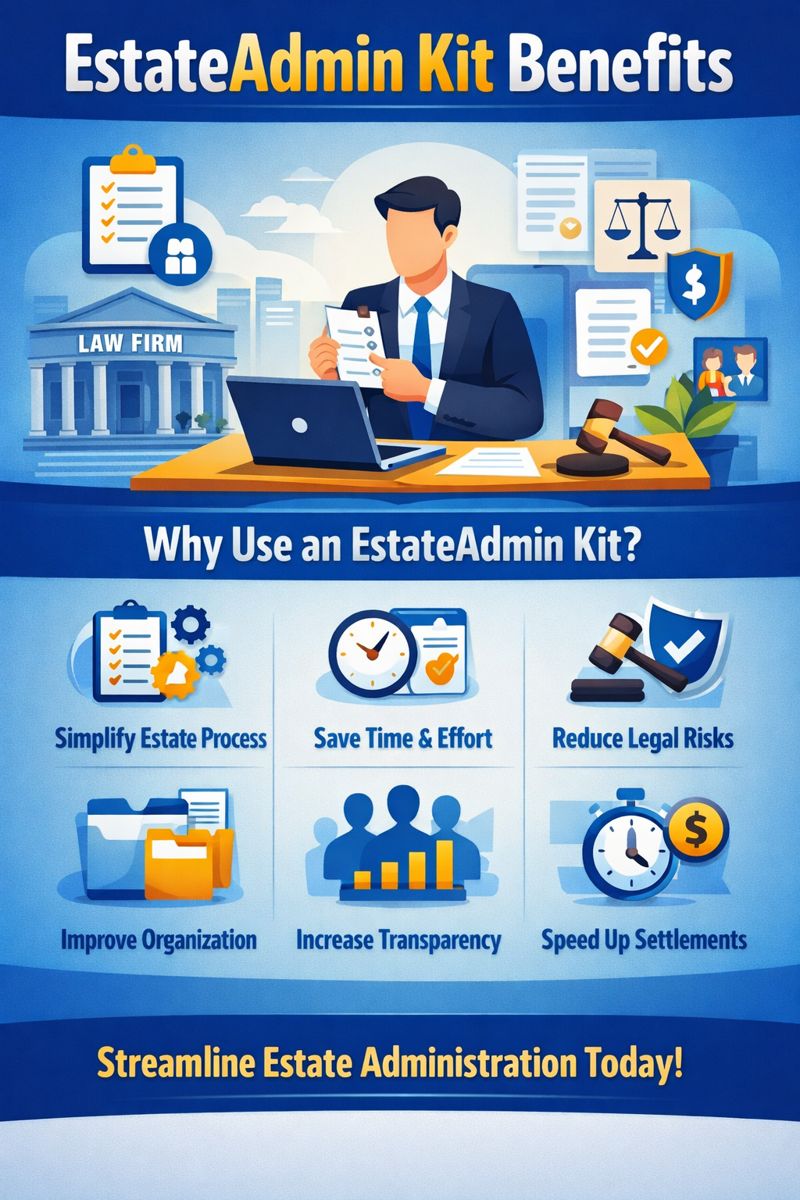
Committee Reporting Tools: Streamline Governance, Transparency, and Decision-Making
Introduction
In today’s fast-paced governance and compliance environment, committee reporting tools have become essential for organizations seeking accuracy, accountability, and transparency. Whether used by board committees, audit committees, estate trustees, management committees, or corporate governance teams, these tools simplify how reports are prepared, shared, tracked, and reviewed.
Modern committee reporting tools replace manual spreadsheets, emails, and paper-based processes with secure, centralized, and automated reporting systems—saving time while improving oversight and compliance.
What Are Committee Reporting Tools?
Committee reporting tools are digital solutions designed to help committees collect, organize, analyze, and present data for meetings, audits, and decision-making. They enable committees to generate structured reports, track performance metrics, manage documentation, and ensure stakeholders receive accurate information on time.
These tools are commonly used by:
-
Board and executive committees
-
Audit and risk committees
-
Estate and trust management committees
-
Compliance and governance teams
-
Non-profit and association committees
Key Features of Effective Committee Reporting Tools
1. Centralized Report Management
Committee reporting tools store all reports, minutes, financial summaries, and supporting documents in one secure location, ensuring easy access and version control.
2. Automated Report Generation
Automated templates allow committees to generate consistent, professional reports quickly, reducing manual errors and saving administrative time.
3. Real-Time Data and Dashboards
Interactive dashboards provide real-time insights into performance, compliance status, financial summaries, and action items—helping committees make informed decisions.
4. Secure Access and Permissions
Role-based access ensures that sensitive committee data is only visible to authorized members, improving data security and confidentiality.
5. Audit Trails and Compliance Tracking
Built-in audit logs track report changes, approvals, and submissions, supporting regulatory compliance and governance best practices.
6. Collaboration and Review Tools
Commenting, annotations, and approval workflows enable committee members to review and finalize reports efficiently before meetings.
Benefits of Using Committee Reporting Tools
Improved Transparency
Clear, well-structured reports improve visibility into committee activities and organizational performance.
Better Decision-Making
Access to accurate, real-time data allows committees to make faster and more informed decisions.
Time and Cost Efficiency
Automation reduces administrative workload, minimizes errors, and cuts down on repetitive reporting tasks.
Stronger Governance and Compliance
Committee reporting tools help organizations meet governance standards, regulatory requirements, and internal policies with ease.
Enhanced Accountability
Action tracking and reporting histories ensure responsibilities and decisions are well documented.
Committee Reporting Tools for Governance and Compliance
For governance-focused organizations, committee reporting tools play a critical role in:
-
Monitoring compliance and regulatory obligations
-
Producing audit and risk reports
-
Tracking resolutions and follow-up actions
-
Supporting board and trustee oversight
These tools help organizations demonstrate accountability to regulators, beneficiaries, shareholders, and stakeholders.
How to Choose the Right Committee Reporting Tools
When selecting committee reporting tools, consider:
-
Ease of use for committee members
-
Customizable reporting templates
-
Integration with document management and finance systems
-
Security and data protection standards
-
Scalability for growing organizations
A well-designed reporting tool should adapt to your committee structure and reporting requirements.
Use Cases Across Industries
Committee reporting tools are widely used in:
-
Corporate boards and executive committees
-
Estate and trust administration
-
Financial and audit committees
-
Government and public sector committees
-
Non-profits and associations
Their flexibility makes them suitable for any organization that values structured reporting and strong governance.
Conclusion
Committee reporting tools are no longer optional—they are essential for efficient governance, compliance, and strategic oversight. By automating reports, improving collaboration, and providing real-time insights, these tools empower committees to operate with clarity, confidence, and accountability.
Organizations that invest in the right committee reporting tools gain better visibility, stronger governance, and more effective decision-making.
Advanced Capabilities of Modern Committee Reporting Tools
Custom Reporting Templates
Modern committee reporting tools allow organizations to create customizable templates tailored to specific committees—such as audit, risk, finance, or estate committees. This ensures consistency across reports while still meeting unique reporting requirements.
Meeting-Ready Reports
Committee reporting tools generate meeting-ready reports that include:
-
Executive summaries
-
Key performance indicators (KPIs)
-
Risk and compliance updates
-
Financial overviews
-
Action items and resolutions
This helps committee members review materials faster and arrive at meetings well prepared.
Historical Reporting and Trends
Access to historical committee reports allows organizations to:
-
Track long-term trends
-
Review past decisions
-
Evaluate committee effectiveness
-
Support audits and regulatory reviews
Historical data strengthens institutional memory and accountability.
Committee Reporting Tools vs Manual Reporting
| Feature | Manual Reporting | Committee Reporting Tools |
|---|---|---|
| Report preparation | Time-consuming | Automated and fast |
| Accuracy | Prone to errors | High accuracy |
| Collaboration | Email-based | Real-time collaboration |
| Version control | Difficult | Built-in version tracking |
| Compliance support | Limited | Strong audit trails |
Switching to committee reporting tools significantly improves efficiency, reliability, and governance outcomes.
Role of Committee Reporting Tools in Risk Management
Risk oversight is a core responsibility of many committees. Committee reporting tools support risk management by:
-
Consolidating risk registers
-
Tracking mitigation actions
-
Highlighting high-risk areas through dashboards
-
Providing timely alerts and updates
This ensures committees can proactively address risks before they escalate.
Committee Reporting Tools for Estate, Trust, and Fiduciary Committees
In estate and trust administration, committee reporting tools help:
-
Track estate assets and liabilities
-
Monitor compliance with legal obligations
-
Produce trustee and beneficiary reports
-
Maintain accurate records for audits and courts
These tools reduce disputes, improve transparency, and support fiduciary responsibilities.
Integration With Other Governance Systems
The best committee reporting tools integrate seamlessly with:
-
Document management systems
-
Accounting and financial software
-
Case management platforms
-
Board portals and governance tools
Integration eliminates data silos and ensures committees work with accurate, up-to-date information.
Security and Data Protection in Committee Reporting Tools
Given the sensitivity of committee data, strong security features are critical. Leading committee reporting tools offer:
-
Data encryption (in transit and at rest)
-
Role-based access control
-
Two-factor authentication
-
Secure cloud hosting
-
Regular backups and disaster recovery
These features ensure confidentiality and compliance with data protection regulations.
Measuring Committee Performance With Reporting Tools
Committee reporting tools provide performance insights by:
-
Tracking attendance and participation
-
Monitoring action item completion
-
Evaluating decision timelines
-
Reviewing outcomes against objectives
This data helps organizations continuously improve committee effectiveness.
Frequently Asked Questions (FAQs)
What are committee reporting tools used for?
Committee reporting tools are used to create, manage, and share structured reports for committees, improving transparency, governance, and decision-making.
Who should use committee reporting tools?
They are ideal for board committees, audit committees, estate trustees, compliance teams, non-profits, and any organization that relies on formal committee reporting.
Are committee reporting tools suitable for small organizations?
Yes. Many tools are scalable and cost-effective, making them suitable for both small committees and large organizations.
Do committee reporting tools support compliance?
Absolutely. They provide audit trails, document tracking, and reporting consistency required for regulatory and governance compliance.
Best Practices for Implementing Committee Reporting Tools
-
Define committee reporting requirements clearly
-
Standardize report formats across committees
-
Train committee members on tool usage
-
Automate routine reporting tasks
-
Regularly review and improve reporting workflows
Following these best practices ensures maximum value from committee reporting tools.
Future Trends in Committee Reporting Tools
As governance becomes more data-driven, committee reporting tools are evolving to include:
-
AI-powered insights and recommendations
-
Predictive risk analytics
-
Enhanced mobile access
-
Advanced data visualization
-
Deeper integration with governance platforms
These innovations will further strengthen committee oversight and efficiency.
Final Thoughts
Committee reporting tools are essential for organizations seeking stronger governance, accountability, and operational efficiency. By automating reporting, enhancing collaboration, and delivering real-time insights, these tools transform how committees operate and make decisions.
Organizations that adopt modern committee reporting tools gain a competitive advantage through better transparency, compliance, and strategic oversight.