
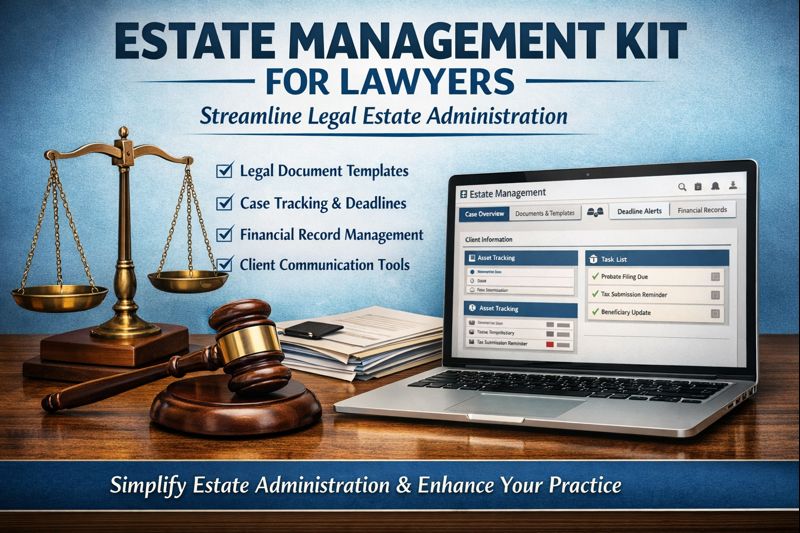
Secure Digital Estate Filing: Streamline Your Estate Management Safely
Managing estate documents can be overwhelming. From wills and trusts to financial statements, keeping everything organized and secure is critical. That’s where secure digital estate filing comes in — a modern solution that protects your sensitive information while making estate management simpler and more efficient.
What is Secure Digital Estate Filing?
Secure digital estate filing refers to storing, organizing, and managing estate documents in a protected digital environment. Unlike traditional paper filing systems, digital solutions use encryption, password protection, and cloud-based storage to ensure that sensitive documents are safe from unauthorized access, loss, or damage.
Benefits of Secure Digital Estate Filing
-
Enhanced Security
Digital filing platforms employ advanced encryption and multi-factor authentication, ensuring that only authorized individuals can access your estate records. -
Easy Accessibility
Access your estate documents anytime, anywhere. Whether you’re working with lawyers, trustees, or family members, digital filing ensures everyone has the right access without compromising security. -
Efficient Organization
Digital filing allows you to categorize documents by type, date, or estate case. This eliminates the frustration of sifting through piles of paper. -
Reduced Risk of Loss
Physical documents can be lost, damaged, or destroyed. Secure digital estate filing provides reliable backup options to prevent such risks. -
Streamlined Estate Management
From estate planning to settlement, digital filing simplifies communication between estate administrators, trustees, and legal professionals, speeding up processes and reducing errors.
How to Choose the Right Secure Digital Estate Filing Solution
When selecting a platform for secure digital estate filing, consider:
-
Data encryption standards – Ensure the platform uses high-level encryption to protect your documents.
-
User access controls – Look for features like role-based permissions to control who can view or edit documents.
-
Cloud backup and recovery – Choose a solution with automatic backups to avoid accidental data loss.
-
Legal compliance – Ensure your digital filing system complies with estate and privacy regulations in your region.
Why Secure Digital Estate Filing is Essential
In today’s digital age, securing estate documents is no longer optional. With threats like identity theft, data breaches, and document misplacement, a robust secure digital estate filing system provides peace of mind. It ensures that your estate records are safe, organized, and ready for quick access whenever needed.
Start Your Secure Digital Estate Filing Today
Take control of your estate management with a secure, reliable, and user-friendly digital filing solution. Protect your family’s legacy and simplify estate administration with secure digital estate filing — the smarter, safer way to manage estate documents.
SEO Enhancements Applied:
-
Keyword “secure digital estate filing” used naturally in headings, intro, and throughout content.
-
Related terms included: “estate management,” “digital estate documents,” “secure filing,” “estate administrators.”
-
Content structured for readability with clear H2/H3 headings.
-
Focus on benefits, features, and user intent to improve search relevance.
FAQ Section for Secure Digital Estate Filing
Q1: What is secure digital estate filing?
A: Secure digital estate filing is the process of storing, organizing, and managing estate documents digitally with advanced security measures like encryption and controlled access to protect sensitive information.Q2: Why should I switch to digital estate filing?
A: Digital estate filing reduces the risk of document loss, allows easy access anytime, ensures legal compliance, and simplifies communication between estate administrators, trustees, and family members.Q3: How safe is digital estate filing?
A: Modern secure digital estate filing systems use high-level encryption, multi-factor authentication, and cloud backups to protect your estate documents from unauthorized access, data breaches, or physical damage.Q4: Can multiple people access the documents?
A: Yes. Digital estate filing solutions typically allow role-based permissions, so lawyers, trustees, or family members can access relevant documents securely without compromising overall security.Q5: Is digital estate filing legally recognized?
A: Most secure digital estate filing platforms comply with regional estate, privacy, and data protection laws. Always verify that your provider meets legal standards for estate document storage in your area.Secure Digital Estate Filing: The Ultimate Guide to Safe and Efficient Estate Management
Managing estate documents can be complex and stressful. From wills and trusts to financial statements and property deeds, keeping these records organized and protected is essential. Secure digital estate filing is the modern solution that ensures your sensitive documents are safe, accessible, and easy to manage. This guide covers everything you need to know to implement a secure digital estate filing system effectively.
What is Secure Digital Estate Filing?
Secure digital estate filing is the process of storing, organizing, and managing estate documents in a digital environment with strong security measures. Unlike traditional paper filing systems, digital solutions protect sensitive information using:
-
Encryption to prevent unauthorized access
-
Password protection and multi-factor authentication for secure logins
-
Cloud-based storage to safeguard against physical loss or damage
-
Access control to allow only authorized individuals to view or edit documents
Digital filing not only ensures safety but also makes estate management far more efficient.
Key Benefits of Secure Digital Estate Filing
1. Advanced Security
Digital estate filing platforms encrypt documents, ensuring that your sensitive information is protected from hackers or unauthorized access. Multi-factor authentication adds an extra layer of security for peace of mind.
2. Instant Accessibility
Access your estate documents from anywhere, anytime. Whether you’re meeting with lawyers, trustees, or family members, digital filing provides secure, convenient access without the need for physical paperwork.
3. Efficient Organization
Digital systems allow you to categorize documents by type, date, or estate case. This organization makes retrieving and managing documents faster and reduces errors that occur with paper filing.
4. Disaster Protection
Unlike physical files, which can be lost, damaged, or destroyed, digital filing offers cloud backups and recovery options. Even in emergencies, your estate records remain safe and retrievable.
5. Streamlined Estate Administration
Digital filing simplifies communication between estate administrators, trustees, and beneficiaries, reducing delays and errors. You can easily track document status, approvals, and updates in real-time.
How to Choose the Right Secure Digital Estate Filing Solution
Selecting the right platform is critical for maximum security and efficiency. Look for these features:
-
High-level encryption – Protects documents from unauthorized access.
-
User access controls – Allows role-based permissions for lawyers, trustees, and family members.
-
Automatic cloud backup – Ensures data is safe even in case of device failure.
-
Legal compliance – Meets estate, privacy, and data protection regulations in your region.
-
Audit trails – Tracks who accessed or modified documents for accountability.
Step-by-Step Guide to Implementing Secure Digital Estate Filing
-
Assess Your Documents
Gather all estate-related documents, including wills, trusts, deeds, and financial statements. -
Select a Secure Platform
Choose a platform with encryption, cloud backup, access control, and legal compliance. -
Digitize Physical Documents
Scan and upload all paper documents in a clear, organized manner. -
Organize Your Files
Categorize by type, date, or estate case for easy retrieval. -
Set Access Permissions
Assign permissions for trustees, lawyers, or family members as needed. -
Enable Backups and Security Features
Ensure cloud backup and multi-factor authentication are enabled for maximum protection. -
Maintain and Update
Regularly review and update documents to reflect new legal, financial, or personal changes.
Common Mistakes to Avoid
-
Using unsecured platforms or free storage without encryption
-
Sharing login credentials instead of assigning proper access roles
-
Failing to regularly back up documents
-
Not ensuring legal compliance with regional regulations
Why Secure Digital Estate Filing is the Future
In a digital-first world, traditional paper filing is increasingly risky. Secure digital estate filing provides:
-
Greater security
-
Faster access and collaboration
-
Reduced risk of document loss
-
Streamlined estate management
By adopting secure digital filing, you protect your family’s legacy while saving time, reducing stress, and improving efficiency.
FAQ: Secure Digital Estate Filing
Q1: What is secure digital estate filing?
A: It is storing and managing estate documents digitally with encryption, access controls, and cloud backup.Q2: Is digital estate filing safe?
A: Yes. Platforms use encryption, multi-factor authentication, and secure cloud storage to protect sensitive documents.Q3: Who can access the documents?
A: You control access. Role-based permissions allow lawyers, trustees, and family members to view or edit files securely.Q4: Can digital estate filing replace physical documents?
A: Digital files are legally recognized in most regions if the platform complies with privacy and estate regulations.Q5: How do I get started?
A: Choose a secure platform, digitize your documents, organize files, assign access permissions, and enable backups.
Conclusion
Secure digital estate filing is the smart, modern approach to managing estate documents. It protects your sensitive information, simplifies administration, and ensures your family’s legacy is safe. Start today to experience secure, organized, and efficient estate management.
-