
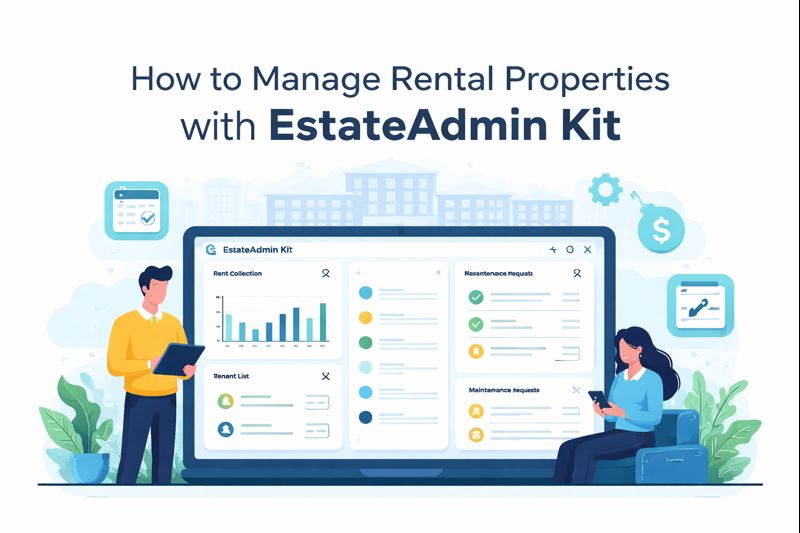
Manage Estates Digitally: The Future of Estate Administration
In today’s fast-paced digital world, traditional estate management methods are becoming increasingly outdated. Legal documents, financial records, and personal assets are often scattered, making estate administration a tedious and error-prone process. The solution? Manage estates digitally – a modern approach that streamlines the entire process, making it faster, more secure, and highly efficient.
Why You Should Manage Estates Digitally
Managing estates digitally offers a range of benefits that traditional paper-based methods cannot match:
-
Efficiency and Speed – Digital estate management software automates routine tasks such as document storage, financial tracking, and communication with beneficiaries. This reduces manual work and speeds up the administration process.
-
Security – Sensitive documents and personal information are protected with encryption and secure cloud storage, minimizing the risk of loss, theft, or unauthorized access.
-
Accessibility – Digital platforms allow estate managers, executors, and family members to access documents anytime, anywhere, from any device.
-
Accuracy and Compliance – Automated tools reduce human errors and ensure compliance with legal regulations, providing peace of mind for both administrators and beneficiaries.
Features of Digital Estate Management Tools
To effectively manage estates digitally, modern software solutions offer a variety of features:
-
Centralized Document Storage – Keep wills, trusts, property deeds, and financial records organized in one secure location.
-
Task Automation – Automate reminders for tax filings, bill payments, and estate settlement deadlines.
-
Financial Tracking – Monitor income, expenses, and asset distribution with real-time reports.
-
Collaboration Tools – Share updates and communicate securely with beneficiaries, lawyers, and accountants.
-
Compliance Management – Ensure all legal requirements are met with built-in compliance checklists and audit trails.
How Digital Estate Management Improves Executor Efficiency
Executors face many challenges when managing estates manually. Paperwork can be overwhelming, deadlines can be missed, and communication with beneficiaries can be inconsistent. By choosing to manage estates digitally, executors can:
-
Reduce administrative burden with automated workflows
-
Maintain transparency with secure updates for beneficiaries
-
Generate accurate financial reports effortlessly
-
Minimize disputes and delays through organized documentation
Choosing the Right Platform to Manage Estates Digitally
Not all digital estate management tools are created equal. When selecting a platform, consider:
-
User-Friendly Interface – Easy navigation ensures smooth adoption by all stakeholders.
-
Data Security – Look for platforms with encryption, two-factor authentication, and regular backups.
-
Integration Capabilities – Ability to connect with banking systems, accounting software, and legal databases.
-
Scalability – Software should handle small family estates as well as large, complex portfolios.
Conclusion
The future of estate administration is digital. Choosing to manage estates digitally not only saves time and reduces errors but also ensures security, transparency, and compliance. Executors, lawyers, and family members can enjoy peace of mind knowing that estate management is efficient, organized, and fully accessible online.
Digital estate management is no longer a luxury; it’s a necessity for modern estate administration.
Manage Estates Digitally: Streamline Your Estate Administration
Estate administration has traditionally been a paper-heavy, time-consuming process. From managing wills and trusts to handling financial records and communicating with beneficiaries, it can be overwhelming for executors, lawyers, and family members alike. Fortunately, technology has transformed how estates are managed. Today, you can manage estates digitally, making the entire process faster, safer, and more efficient.
Why You Should Manage Estates Digitally
Digital estate management offers significant advantages over traditional methods:
-
Efficiency and Time-Saving
Managing estates digitally automates many administrative tasks. This includes document organization, task reminders, and financial reporting. Automation saves time for executors and ensures that no critical deadlines are missed. -
Enhanced Security
Digital platforms use encryption and secure cloud storage, protecting sensitive estate documents from theft, loss, or unauthorized access. -
Accessibility Anytime, Anywhere
Executors, lawyers, and family members can access estate documents online from any device. This eliminates the need for physical meetings or searching through stacks of paperwork. -
Accuracy and Compliance
Software tools reduce errors in record-keeping and ensure that all legal and financial obligations are met. Compliance features help executors adhere to local regulations and reporting requirements.
Key Features of Digital Estate Management
To effectively manage estates digitally, modern platforms include a variety of essential features:
-
Centralized Document Storage – Keep wills, trusts, property deeds, and financial records in one secure location.
-
Task Automation – Set reminders for payments, tax filings, or other estate-related deadlines.
-
Financial Tracking – Monitor income, expenses, and asset distribution in real time.
-
Collaboration Tools – Share updates securely with beneficiaries, accountants, or legal advisors.
-
Compliance Management – Built-in checklists and audit trails help maintain legal compliance and reduce errors.
These features simplify estate administration and make it possible to manage estates digitally with confidence.
How Digital Estate Management Helps Executors
Executors face numerous challenges when managing estates manually:
-
Time-consuming paperwork
-
Missed deadlines
-
Difficulty in tracking assets and liabilities
-
Miscommunication with beneficiaries
By using digital estate management tools, executors can:
-
Automate Workflows – Reduce repetitive tasks and focus on high-priority responsibilities.
-
Maintain Transparency – Beneficiaries can access secure updates, improving trust and reducing disputes.
-
Generate Accurate Reports – Financial summaries, tax reports, and asset distributions are generated automatically.
-
Minimize Disputes – Organized documentation and clear communication prevent conflicts among beneficiaries.
Benefits for Family Members and Beneficiaries
Digital estate management isn’t just for executors. Family members and beneficiaries also benefit:
-
Easy Access to Documents – Wills, trusts, and financial statements are available online.
-
Real-Time Updates – Track progress on estate settlements and receive notifications on important actions.
-
Peace of Mind – Knowing that documents are secure and processes are transparent reduces stress during emotional times.
Choosing the Right Digital Estate Platform
Not all platforms are created equal. When selecting a solution to manage estates digitally, consider the following:
-
User-Friendly Interface – Executors and beneficiaries of all tech levels should navigate easily.
-
Data Security – Ensure encryption, two-factor authentication, and secure cloud backups.
-
Integration Capabilities – Ability to connect with accounting systems, banks, and legal databases.
-
Scalability – The platform should handle both simple family estates and complex portfolios.
-
Customer Support – Reliable support ensures that any technical or procedural questions are promptly addressed.
The Future of Estate Management is Digital
The digital revolution has touched every aspect of our lives, including estate administration. Traditional paper-based processes are slow, prone to errors, and vulnerable to loss or theft. In contrast, digital estate management offers efficiency, security, and accessibility.
Executors, lawyers, and families can now manage estates digitally, automate routine tasks, track finances accurately, and maintain full compliance with legal requirements. This ensures peace of mind and smooth estate administration for everyone involved.
Conclusion
Managing estates doesn’t have to be complicated. By choosing to manage estates digitally, you embrace a modern, secure, and efficient approach to estate administration. Digital tools simplify tasks, reduce errors, and enhance collaboration among executors, lawyers, and beneficiaries.
Whether you are a professional executor, legal advisor, or family member, digital estate management is the smart choice for modern estate administration. Start managing estates digitally today and experience the benefits of efficiency, transparency, and security.