
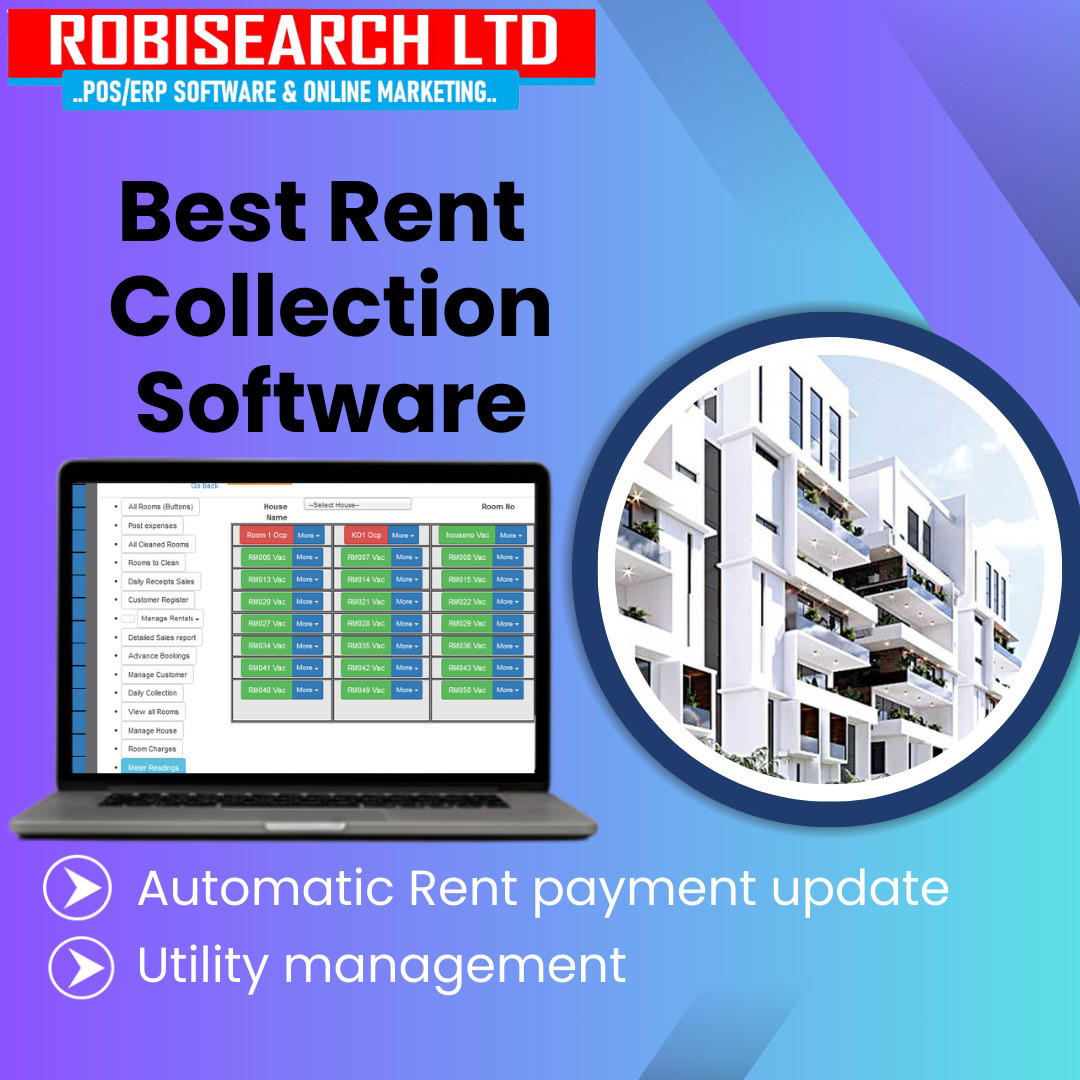
Estate Billing Software: The Smart Solution for Modern Property Management
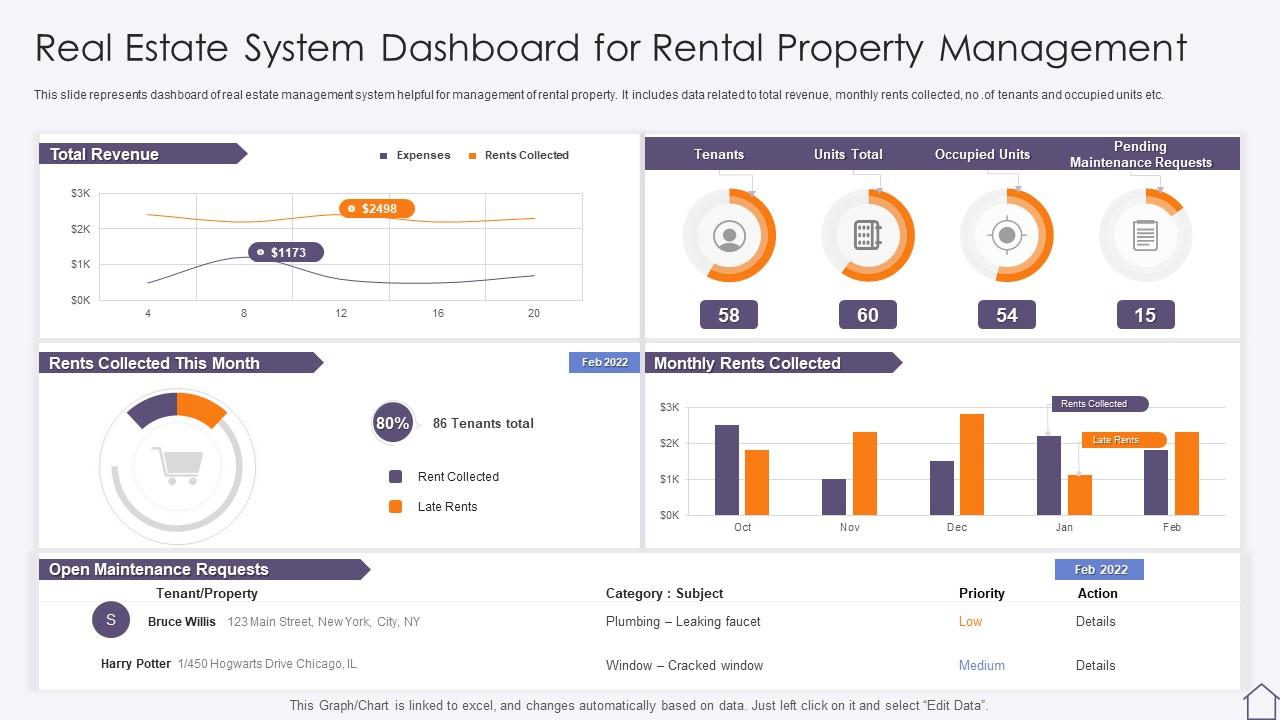
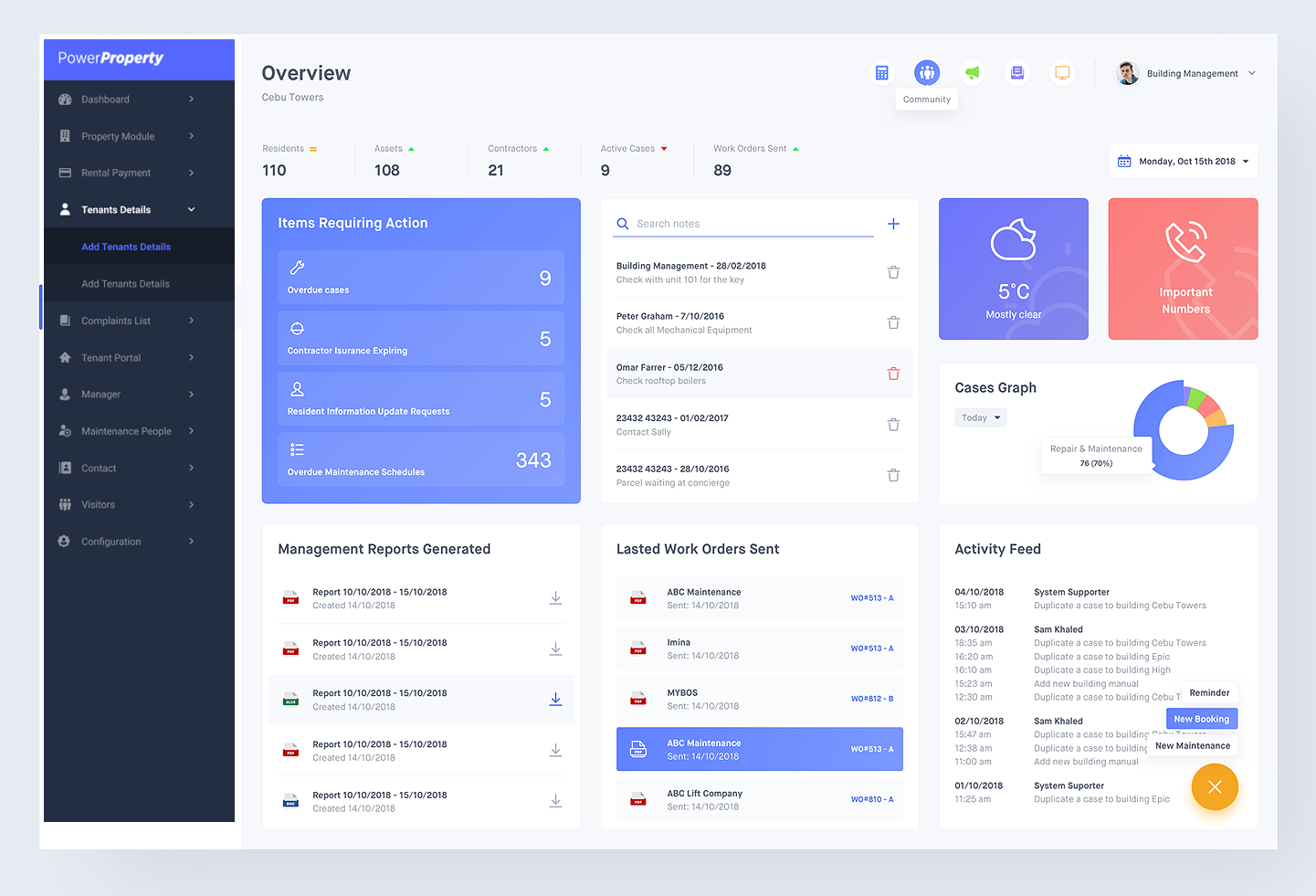
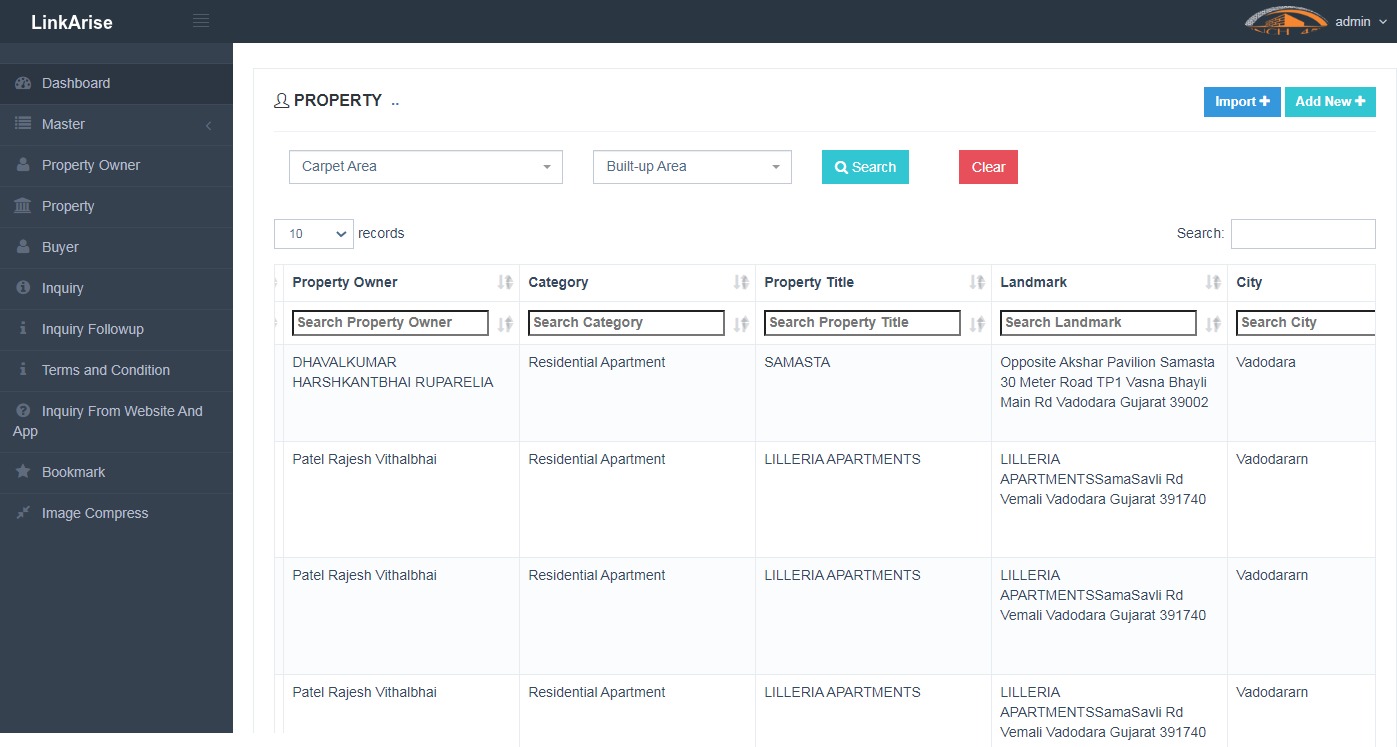
Estate billing software is transforming how property managers, landlords, and real estate companies handle financial operations. From automated invoicing to rent collection tracking, modern estate billing systems simplify property management and improve efficiency. Whether you manage apartments, commercial buildings, gated communities, or rentals, using advanced billing software ensures accurate, transparent, and seamless financial management.
In this comprehensive guide, we explore everything you need to know about estate billing software, its benefits, features, and why it is essential for modern real estate management.
What Is Estate Billing Software?
Estate billing software is a digital platform designed to automate and manage all billing and financial transactions related to property management. It helps property managers generate invoices, track rent payments, manage service charges, monitor outstanding balances, and produce financial reports in real time.
Instead of manual spreadsheets and paperwork, estate billing software offers a centralized system where all financial activities are recorded and managed efficiently.
Why Estate Billing Software Is Important for Property Managers
Managing multiple properties manually can be stressful and prone to errors. Estate billing software eliminates these challenges by offering automation and accuracy.
1. Automated Billing and Invoicing
Estate billing software automatically generates invoices for rent, service charges, maintenance fees, and utilities. Property managers can schedule recurring invoices, reducing manual work and ensuring tenants receive bills on time.
2. Efficient Rent Collection
Modern estate billing systems integrate with mobile money, bank transfers, and online payment platforms. Tenants can pay rent easily, while landlords receive instant notifications and updates.
3. Accurate Financial Records
All transactions are recorded in real time. This reduces errors and makes it easier to track payments, arrears, and financial performance.
4. Time-Saving Automation
Automation eliminates repetitive tasks such as sending reminders, calculating balances, and generating reports. Property managers can focus more on growing their business instead of handling paperwork.
5. Improved Tenant Experience
Tenants receive accurate bills, payment reminders, and digital receipts. This transparency improves trust and satisfaction.
Key Features of the Best Estate Billing Software
When choosing estate billing software, look for features that enhance efficiency and accuracy.
1. Automated Invoice Generation
The software should automatically generate invoices for:
-
Rent
-
Service charges
-
Utilities
-
Parking fees
-
Maintenance fees
2. Payment Tracking and Reconciliation
A reliable estate billing system tracks all payments and updates tenant balances instantly. It also reconciles payments with bank or mobile money records.
3. SMS and Email Notifications
Automated reminders ensure tenants pay on time. Notifications can include:
-
Payment reminders
-
Due date alerts
-
Receipts
-
Outstanding balance updates
4. Financial Reporting and Analytics
Advanced reporting helps property managers monitor:
-
Monthly revenue
-
Outstanding balances
-
Payment trends
-
Financial performance
5. Multi-Property Management
Estate billing software should allow management of multiple properties from one dashboard, making it ideal for property managers and real estate companies.
6. User-Friendly Dashboard
An easy-to-use dashboard ensures property managers can access information quickly and make informed decisions.
Benefits of Using Estate Billing Software
Improved Efficiency
Automating billing processes reduces manual work and increases productivity.
Reduced Errors
Digital billing eliminates calculation mistakes and ensures accurate financial records.
Better Cash Flow Management
Automated reminders and easy payment options help ensure timely payments and consistent cash flow.
Enhanced Transparency
Both property managers and tenants can view transaction records, improving trust and accountability.
Scalability
Estate billing software grows with your business, making it suitable for small landlords and large real estate companies.
How Estate Billing Software Works
-
Tenant and property details are entered into the system.
-
Invoices are generated automatically based on rent and charges.
-
Payment reminders are sent via SMS or email.
-
Tenants make payments through integrated payment methods.
-
Payments are recorded instantly in the system.
-
Reports and analytics provide insights into financial performance.
Who Needs Estate Billing Software?
Estate billing software is ideal for:
-
Property managers
-
Landlords with multiple tenants
-
Real estate agencies
-
Apartment managers
-
Commercial property owners
-
Gated community administrators
-
Rental property investors
Whether you manage a few units or hundreds of properties, estate billing software simplifies financial management.
Choosing the Best Estate Billing Software
When selecting estate billing software, consider the following:
Ease of Use
Choose software with a simple and intuitive interface.
Automation Features
Ensure it supports automated billing, reminders, and reporting.
Payment Integration
Look for systems that integrate with mobile money, banks, and online payment platforms.
Security
Financial data must be secure and protected with encryption and backups.
Customer Support
Reliable customer support ensures smooth operation and quick issue resolution.
Future of Estate Billing Software
Technology continues to transform real estate management. Modern estate billing software now includes:
-
Cloud-based access
-
Mobile apps for property managers
-
AI-powered financial insights
-
Integration with property management systems
-
Digital receipts and reporting
As real estate businesses grow, adopting smart billing systems will become essential for staying competitive.
Conclusion
Estate billing software is a must-have tool for modern property management. It simplifies invoicing, automates rent collection, improves financial tracking, and enhances tenant satisfaction. By investing in reliable estate billing software, property managers can save time, reduce errors, and increase profitability.
Whether you are a landlord, real estate company, or property manager, implementing estate billing software will transform how you manage property finances and help your business grow efficiently in today’s digital world.
How to Implement Estate Billing Software Effectively
Implementing estate billing software requires careful planning to ensure smooth adoption and maximum benefits. Here’s a step-by-step guide:
1. Assess Your Property Management Needs
Before selecting software, list your requirements:
-
Number of properties and tenants
-
Types of charges (rent, utilities, maintenance)
-
Payment methods preferred by tenants
-
Reporting needs and financial insights
This ensures you choose software tailored to your operations.
2. Choose the Right Software
Consider the following when selecting a system:
-
User-friendly interface for both staff and tenants
-
Automation capabilities for invoicing and reminders
-
Integration with mobile money, banks, and online payment platforms
-
Secure storage and backup of financial data
-
Scalability to accommodate business growth
3. Import Tenant and Property Data
Transfer your existing tenant and property records into the software. Many estate billing systems allow bulk import from spreadsheets, saving time and reducing errors.
4. Set Up Billing Schedules
Define rent cycles, service charges, and utility billing. The system can automatically generate invoices according to these schedules, ensuring timely billing every month.
5. Enable Payment Methods
Integrate various payment options such as:
-
Mobile money (e.g., M-Pesa in Kenya)
-
Bank transfers
-
Credit/debit cards
-
Online payment platforms
This provides flexibility for tenants and ensures faster collections.
6. Train Staff and Tenants
Educate your team on using the software for invoicing, tracking, and reporting. Provide tenants with guides on making payments, viewing invoices, and receiving receipts digitally.
7. Monitor and Analyze Financial Performance
Use the reporting features to track:
-
Rent collection rates
-
Outstanding balances
-
Payment trends
-
Monthly and annual revenue
This helps identify issues early and optimize property management strategies.
8. Maintain Security and Compliance
Ensure the software is regularly updated and complies with data protection laws. Back up financial data to prevent loss and secure tenant information.
Top Benefits Recap
-
Automation: Reduces manual workload and errors.
-
Efficiency: Streamlines billing, payment tracking, and reporting.
-
Transparency: Tenants and managers can access clear financial records.
-
Cash Flow Management: Ensures timely payments and reduces arrears.
-
Scalability: Supports growth from a few units to large real estate portfolios.
Final Thoughts
Investing in estate billing software is a strategic move for property managers, landlords, and real estate companies. It improves operational efficiency, enhances tenant satisfaction, and provides real-time financial insights.
In today’s fast-paced real estate environment, adopting digital billing solutions isn’t just convenient—it’s essential for staying competitive.