
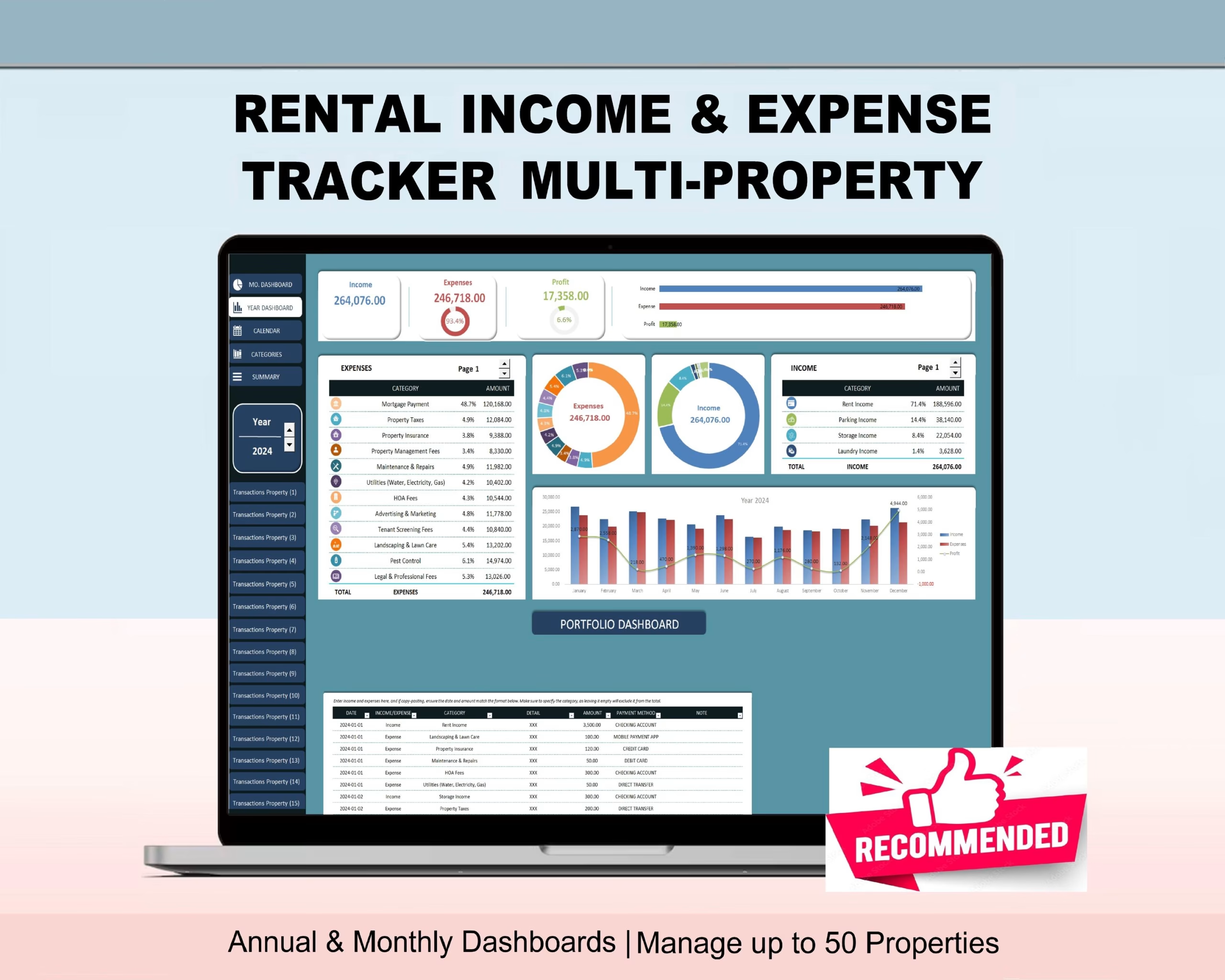
Introduction
Managing rental income and property expenses manually can quickly become overwhelming for landlords and property managers. From tracking rent payments to generating financial reports, traditional accounting methods often lead to errors, delays, and confusion. This is where a rent accounting system becomes essential.
A rent accounting system is specialized software designed to help property owners and real estate managers handle rental finances efficiently. It automates rent tracking, expense management, reporting, and tenant billing, making property management smoother and more profitable.
Whether you own a few rental units or manage multiple properties, adopting a rent accounting system can transform your financial operations and help you maintain accurate records.
What Is a Rent Accounting System?
A rent accounting system is a digital solution that helps landlords and property managers manage rental income, expenses, and financial reporting in one centralized platform.
This system allows users to:
-
Track rent payments and outstanding balances
-
Record property expenses and maintenance costs
-
Generate financial reports
-
Manage tenant billing and receipts
-
Monitor cash flow and profitability
By automating these processes, a rent accounting system reduces manual work and improves accuracy in rental financial management.
Why Property Owners Need a Rent Accounting System
Managing rental finances manually using spreadsheets or notebooks can lead to missed payments, incorrect calculations, and poor financial planning. A rent accounting system provides a more reliable and efficient solution.
1. Accurate Rent Tracking
With a rent accounting system, landlords can monitor rent payments in real time. The system automatically records paid and unpaid rent, helping you avoid confusion and maintain clear financial records.
2. Automated Billing and Receipts
The software can generate invoices and payment receipts automatically. Tenants receive clear billing statements, while landlords maintain accurate records for accounting and tax purposes.
3. Expense Management
Property maintenance, repairs, and utility bills can quickly add up. A rent accounting system allows you to categorize and track expenses for each property, ensuring transparency and better budgeting.
4. Financial Reporting
One of the biggest advantages of a rent accounting system is its reporting feature. You can generate:
-
Income statements
-
Expense reports
-
Profit and loss statements
-
Tenant payment reports
These reports help you make informed financial decisions and track property performance.
5. Improved Cash Flow Management
By monitoring rent payments and expenses in one place, landlords can easily track cash flow and identify financial trends. This helps in planning future investments and managing operational costs.
Key Features of a Rent Accounting System
When choosing a rent accounting system, it’s important to look for features that meet your property management needs.
Tenant Payment Tracking
A good system records all rent payments, including partial payments and late payments. This ensures accurate financial records and prevents disputes with tenants.
Automated Rent Reminders
The software can send automatic reminders to tenants before rent due dates. This reduces late payments and improves overall rent collection efficiency.
Expense and Maintenance Tracking
Property managers can log maintenance costs, utility bills, and other expenses. This helps in understanding property profitability and controlling spending.
Financial Reports and Analytics
A rent accounting system generates detailed financial reports that provide insights into rental income, expenses, and net profit.
Multi-Property Management
For landlords with multiple properties, the system allows management of all units from a single dashboard. Each property’s financial data can be tracked separately or collectively.
Secure Data Storage
All financial data is stored securely in the system, reducing the risk of data loss and ensuring easy access when needed.
Benefits of Using a Rent Accounting System
Saves Time and Effort
Manual accounting can be time-consuming. A rent accounting system automates repetitive tasks, allowing property managers to focus on growth and tenant satisfaction.
Reduces Errors
Automated calculations minimize the risk of human error. This ensures accurate financial records and prevents costly mistakes.
Enhances Transparency
Both landlords and tenants benefit from transparent financial records. Tenants receive clear payment histories, while landlords maintain organized accounts.
Simplifies Tax Preparation
At tax time, having all financial data organized in one system makes filing easier. Reports can be generated instantly, saving time and reducing stress.
Supports Business Growth
As your property portfolio grows, managing finances manually becomes difficult. A rent accounting system scales with your business, making expansion easier.
How to Choose the Best Rent Accounting System
Selecting the right rent accounting system depends on your specific needs. Consider the following factors:
Ease of Use
Choose a system with a user-friendly interface. It should be easy to navigate and require minimal training.
Customization Options
The system should allow customization of reports, invoices, and financial categories to match your property management needs.
Cloud-Based Access
Cloud-based systems allow you to access financial data anytime, anywhere. This is especially useful for property managers handling multiple locations.
Integration with Payment Systems
A good rent accounting system should integrate with digital payment methods such as mobile money, bank transfers, and online payments.
Customer Support
Reliable customer support ensures quick resolution of technical issues and smooth system operation.
Rent Accounting System for Property Managers and Landlords
A rent accounting system is valuable for:
-
Individual landlords
-
Property management companies
-
Real estate agencies
-
Estate managers
-
Commercial property owners
Whether managing residential or commercial properties, the system ensures accurate financial tracking and better management.
Future of Rent Accounting Systems
The future of rent accounting systems lies in automation and smart technology. Modern systems now include:
-
AI-powered financial insights
-
Automated reporting
-
Mobile access for landlords and tenants
-
Integration with property management tools
-
Real-time payment tracking
These innovations continue to make rental financial management more efficient and user-friendly.
Conclusion
A rent accounting system is an essential tool for modern property management. It simplifies rent tracking, expense management, financial reporting, and tenant billing, helping landlords maintain accurate records and improve profitability.
By adopting a reliable rent accounting system, property owners can save time, reduce errors, and gain better control over their rental finances. Whether you manage a single property or multiple rental units, investing in a smart accounting solution is the key to efficient and successful property management.