
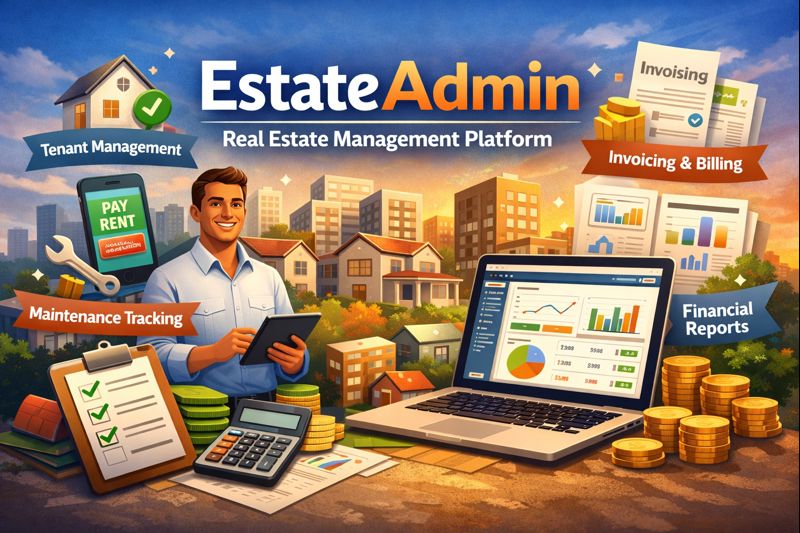
Residential Property Management: A Complete Guide for Landlords and Tenants
Managing residential properties efficiently is critical for landlords, property managers, and tenants alike. Residential property management involves overseeing the daily operations of rental homes, apartments, and multi-family units, ensuring both profitability for owners and comfort for tenants. In this guide, we will explore what residential property management entails, key strategies, best practices, and common challenges.
What Is Residential Property Management?
Residential property management is the professional administration of rental properties. This includes everything from tenant acquisition, rent collection, property maintenance, legal compliance, and financial reporting. A residential property manager acts as a bridge between landlords and tenants, ensuring smooth operations and maximizing property value.
Key responsibilities include:
-
Tenant Screening and Placement – Finding reliable tenants through background checks, references, and interviews.
-
Rent Collection and Financial Management – Ensuring timely payments, handling late fees, and maintaining accurate accounting records.
-
Property Maintenance and Repairs – Regular inspections, preventative maintenance, and emergency repairs.
-
Legal Compliance – Adhering to landlord-tenant laws, housing regulations, and lease agreements.
-
Tenant Communication and Retention – Responding to complaints, facilitating smooth move-ins and move-outs, and maintaining a positive tenant experience.
By focusing on these areas, residential property management ensures a hassle-free rental experience for landlords while protecting tenants’ rights and comfort.
Why Residential Property Management Is Important
Efficient residential property management is essential for both small-scale landlords and large property owners. Here are key reasons why:
1. Maximizes Rental Income
A well-managed property attracts high-quality tenants, reduces vacancy periods, and ensures consistent rental payments. Residential property managers can also advise on market rental rates, increasing profitability.
2. Reduces Legal Risks
Residential property management professionals stay updated with local and national housing laws. Proper lease agreements, eviction processes, and dispute resolutions prevent legal issues for landlords.
3. Enhances Tenant Satisfaction
Tenants are more likely to stay longer in well-maintained properties with responsive management. Higher tenant retention reduces turnover costs and maintains a stable income stream.
4. Saves Time and Stress
Property management companies handle day-to-day tasks, allowing landlords to focus on investments without the hassle of dealing with maintenance calls, complaints, or paperwork.
Key Services Offered in Residential Property Management
Residential property management encompasses a wide range of services. Understanding these can help landlords choose the right management approach.
1. Tenant Acquisition and Screening
Finding the right tenants is a cornerstone of successful property management. This includes:
-
Advertising the property online and offline
-
Screening applications, credit reports, and rental history
-
Conducting interviews and background checks
A thorough screening process minimizes the risk of late payments, property damage, or evictions.
2. Lease Management
Proper lease management protects both landlords and tenants. Property managers prepare legally compliant lease agreements, ensure tenants understand the terms, and handle renewals or terminations.
3. Rent Collection
Consistent rent collection is vital. Residential property managers often provide multiple payment options (online, bank transfers, or in-person). They also manage late payments, set reminders, and initiate collections if necessary.
4. Maintenance and Repairs
Residential property management includes routine maintenance and emergency repairs. This keeps properties in good condition, prevents costly damages, and ensures tenant satisfaction. Services may include:
-
Plumbing and electrical repairs
-
Landscaping and exterior upkeep
-
Appliance maintenance
-
Emergency response for urgent repairs
5. Financial Reporting
Property owners benefit from detailed financial reports, including income, expenses, and taxes. Residential property management software can automate these reports, improving accuracy and transparency.
Best Practices in Residential Property Management
Implementing best practices in residential property management can maximize profitability and tenant satisfaction.
1. Use Property Management Software
Modern property management software simplifies rent collection, maintenance tracking, and tenant communication. It also generates reports that help landlords make informed decisions.
2. Maintain Clear Communication
Transparent communication with tenants builds trust. Property managers should respond promptly to inquiries, address complaints, and keep tenants informed about property updates.
3. Regular Property Inspections
Scheduled inspections help identify maintenance issues early, reducing long-term costs and ensuring compliance with safety standards.
4. Stay Updated on Local Laws
Landlord-tenant laws change frequently. Staying informed about legal obligations prevents lawsuits and ensures fair treatment of tenants.
5. Invest in Preventive Maintenance
Proactive maintenance, such as HVAC servicing, roof inspections, and plumbing checks, extends the life of the property and reduces emergency repair costs.
Common Challenges in Residential Property Management
Despite careful planning, residential property management comes with challenges. Awareness of these issues helps in preparation and risk mitigation.
1. Tenant Turnover
High tenant turnover increases costs and reduces revenue. Offering competitive rental rates, quality maintenance, and excellent communication helps retain tenants.
2. Late Payments
Rent delays can impact cash flow. Clear payment policies, automated reminders, and consistent enforcement of late fees minimize this risk.
3. Maintenance Emergencies
Unexpected repairs, such as plumbing leaks or electrical failures, can be stressful. Having a reliable network of contractors ensures timely resolutions.
4. Legal Disputes
Disagreements over lease terms, property damage, or eviction can escalate into legal battles. Proper documentation and knowledge of housing laws help resolve issues efficiently.
5. Managing Multiple Properties
Landlords with multiple units may struggle with organization. Residential property management services or software help track tenants, payments, and maintenance across properties.
Choosing a Residential Property Management Company
For landlords who prefer professional assistance, hiring a residential property management company can be a smart investment. Here are factors to consider:
-
Experience and Reputation – Look for companies with a proven track record in managing residential properties in your area.
-
Services Offered – Ensure they cover tenant screening, maintenance, rent collection, and legal compliance.
-
Technology Use – Companies using modern property management software improve efficiency and transparency.
-
Fees and Contracts – Compare management fees and contract terms to find cost-effective solutions.
-
Tenant Support – Check if the company prioritizes tenant satisfaction and responsiveness.
Residential Property Management Trends
Staying updated with industry trends ensures your property remains competitive:
-
Smart Home Integration – Installing smart locks, thermostats, and security cameras improves tenant convenience and property value.
-
Online Rent Payments – Digital payment platforms simplify transactions and reduce late payments.
-
Sustainability Practices – Energy-efficient appliances, solar panels, and eco-friendly upgrades attract environmentally conscious tenants.
-
Data-Driven Decisions – Using analytics to track rental trends, maintenance costs, and tenant behavior helps optimize operations.
Conclusion
Residential property management is a vital aspect of successful property ownership. From tenant screening to maintenance and legal compliance, effective management ensures steady income, satisfied tenants, and long-term property value. Whether managing one rental home or multiple apartment complexes, following best practices, leveraging technology, and considering professional management services can make residential property management a smooth and profitable experience.
Investing time and resources into proper management today can save landlords from costly mistakes and improve tenants’ quality of life tomorrow.