
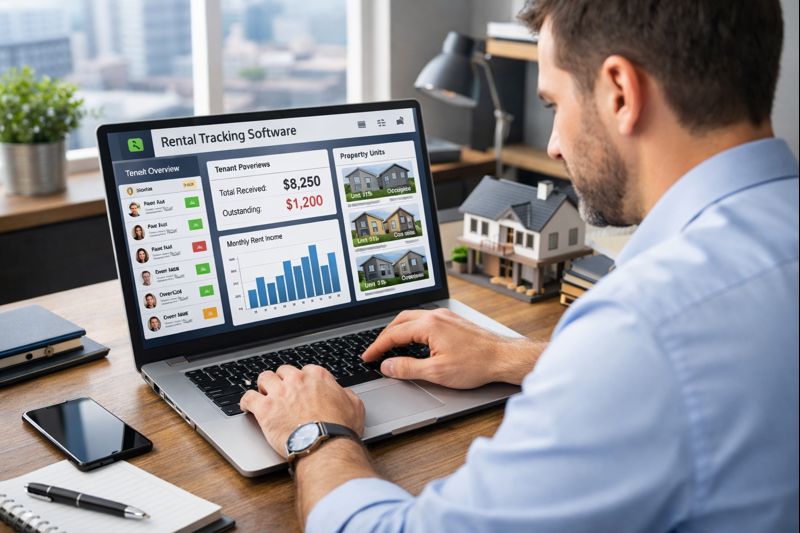
Rental Tracking Software: The Smart Way to Manage Rentals Efficiently in 2026
Managing rental properties can quickly become stressful without the right tools. From tracking tenant payments to monitoring lease agreements, property managers and landlords face many responsibilities every day. That’s why rental tracking software has become one of the most essential solutions for modern rental property management.
Whether you manage a few rental units or hundreds of properties, rental tracking software helps you stay organized, reduce errors, and improve your rental income management.
In this guide, we’ll explore what rental tracking software is, how it works, its benefits, key features, and why landlords in Kenya and worldwide are adopting it in 2026.
What Is Rental Tracking Software?
Rental tracking software is a digital system designed to help landlords, property managers, and real estate companies track rental-related activities such as:
Rent payments
Tenant records
Lease agreements
Maintenance requests
Property expenses
Vacancies and occupancy
Instead of relying on spreadsheets or paper records, rental tracking software provides an automated and centralized platform to manage everything efficiently.
Why Rental Tracking Software Is Important for Landlords
Rental management involves more than collecting rent. You must also monitor tenants, handle late payments, manage leases, and keep accurate financial records.
Here’s why rental tracking software is essential:
1. Prevents Rent Collection Errors
Manual rent tracking often leads to missed payments, wrong balances, or forgotten due dates. Software automates rent reminders and payment recording.
2. Saves Time and Effort
Landlords no longer need to calculate rent manually or manage bulky paperwork.
3. Improves Tenant Communication
Many rental tracking platforms allow tenants to receive payment notifications and submit maintenance requests online.
4. Provides Real-Time Financial Reports
Rental tracking software generates instant reports on rental income, expenses, and property performance.
Key Features of Rental Tracking Software
Choosing the right rental tracking software depends on its features. Here are the most important ones:
1. Automated Rent Payment Tracking
The core function of rental tracking software is monitoring rent payments. It allows you to:
Record rent payments instantly
Track unpaid balances
Identify overdue tenants
Automate monthly rent billing
This ensures you never miss rent collection deadlines.
2. Tenant and Lease Management
Rental tracking software keeps tenant information organized, including:
Contact details
Lease start and end dates
Rental history
Deposit records
Lease tracking helps prevent contract confusion and improves tenant retention.
3. Online Payment Integration
Modern rental tracking systems support online payments such as:
Mobile money (e.g., M-Pesa in Kenya)
Bank transfers
Debit/credit cards
This makes rent collection faster and more convenient.
4. Maintenance and Repair Tracking
Property maintenance is easier when tenants can submit requests online. Rental tracking software helps you:
Log maintenance issues
Assign tasks to technicians
Track repair costs
Monitor completion status
This keeps properties in excellent condition.
5. Expense and Profit Monitoring
Rental tracking software provides financial tools to track:
Property expenses
Repairs
Utility payments
Management fees
With built-in analytics, landlords can calculate profits easily.
6. Vacancy and Occupancy Tracking
Knowing which units are occupied or vacant is critical. Rental tracking software helps you:
Track empty units
Manage new tenant onboarding
Improve occupancy rates
7. Reporting and Analytics
The best rental tracking software generates professional reports such as:
Monthly rental income reports
Tenant payment summaries
Expense breakdowns
Annual financial statements
This is especially helpful during tax season.
Benefits of Using Rental Tracking Software
Let’s explore the major advantages of using rental tracking software for landlords and property managers:
Improved Rent Collection Efficiency
Automated rent reminders and digital payment tracking reduce late payments significantly.
Better Organization
All property data is stored in one system, making it easier to access tenant records and payment history.
Increased Transparency
Landlords and tenants can view rent status, lease terms, and payment receipts clearly.
Reduced Administrative Costs
By automating tasks, landlords reduce reliance on manual labor or accounting services.
Scalable for Growing Portfolios
Rental tracking software is ideal for landlords expanding from a few units to multiple properties.
Rental Tracking Software in Kenya: Why Demand Is Growing
In Kenya, rental property management is rapidly evolving. More landlords are adopting rental tracking software due to:
Increased urban rental housing
Growing demand for M-Pesa rent payments
Need for efficient tenant management
Rising competition among property managers
Rental tracking software helps Kenyan landlords modernize operations and improve tenant satisfaction.
Who Should Use Rental Tracking Software?
Rental tracking software is ideal for:
Individual landlords with multiple rental units
Property management companies
Real estate agencies
Apartment building owners
Commercial property managers
Student housing providers
Whether small-scale or large-scale, anyone managing rentals benefits from automation.
How to Choose the Best Rental Tracking Software
When selecting rental tracking software, consider:
Ease of Use
Choose software with a simple dashboard and user-friendly design.
Mobile Access
Landlords need access on smartphones for rent updates on the go.
Payment Integration
Look for platforms supporting local payment methods like M-Pesa.
Customer Support
Reliable support ensures quick resolution of issues.
Security and Data Protection
Tenant and financial data must be stored securely.
Pricing
Affordable plans should match the size of your rental portfolio.
Future Trends in Rental Tracking Software (2026 and Beyond)
Rental tracking software continues to evolve with advanced technology, including:
AI-powered rent forecasting
Automated tenant screening
Smart home integration
Cloud-based property management
Real-time occupancy analytics
Landlords who adopt these systems early gain a competitive advantage.
Final Thoughts: Why Rental Tracking Software Is a Must-Have Tool
Rental property management doesn’t have to be complicated. With the right rental tracking software, landlords can automate rent collection, manage tenants efficiently, track expenses, and generate accurate reports—all in one platform.
Whether you’re managing rentals in Kenya or globally, investing in rental tracking software in 2026 is the smartest step toward profitable and stress-free property management.
Frequently Asked Questions (FAQs)
What is the best rental tracking software for landlords?
The best software depends on your needs, but top options include tools with rent automation, tenant management, reporting, and mobile payment integration.
Can rental tracking software support M-Pesa payments?
Yes, many rental tracking platforms in Kenya integrate with M-Pesa for seamless rent collection.
Is rental tracking software suitable for small landlords?
Absolutely. Even landlords with 2–5 units benefit from automated rent tracking and tenant record management.
Rental Tracking Software: The Complete Solution for Managing Rent, Tenants, and Properties Efficiently
Managing rental properties can be overwhelming, especially when you have multiple tenants, units, and monthly payments to track. Landlords and property managers often struggle with late rent, missing records, lease confusion, and manual paperwork.
That’s why rental tracking software has become an essential tool for modern rental property management.
In 2026, rental businesses are shifting from spreadsheets and notebooks to smart digital platforms that automate rent collection, tenant management, and financial reporting.
This guide explains everything you need to know about rental tracking software, its features, benefits, and how it can transform your rental management process.
What Is Rental Tracking Software?
Rental tracking software is a digital system designed to help landlords and property managers track and manage all rental activities, including:
-
Rent payments
-
Tenant records
-
Lease agreements
-
Property expenses
-
Maintenance requests
-
Vacancies and occupancy
Instead of managing rentals manually, rental tracking software provides a centralized platform that organizes everything in one place.
It allows property owners to monitor rental income, reduce late payments, and improve overall property performance.
Why Rental Tracking Software Is Important in 2026
Rental property management is becoming more complex due to growing urban populations, increasing rental demand, and higher tenant expectations.
Here’s why rental tracking software is more important than ever:
✅ Manual Rent Tracking Causes Errors
Spreadsheets and paper systems often lead to:
-
Missed rent payments
-
Incorrect balances
-
Lost tenant information
-
Poor financial reporting
Rental tracking software eliminates these issues through automation.
✅ Rent Collection Must Be Faster and Easier
Tenants today prefer digital rent payment methods such as:
-
Mobile money (M-Pesa)
-
Bank transfers
-
Online payment portals
Rental tracking software supports modern payment options, making rent collection seamless.
✅ Landlords Need Better Financial Visibility
With real-time reports, landlords can easily monitor:
-
Monthly rental income
-
Outstanding rent
-
Property expenses
-
Net profit
Key Features of the Best Rental Tracking Software
Not all rental tracking systems are the same. The best platforms offer advanced tools designed to simplify rental operations.
Below are the most important features to look for:
1. Automated Rent Payment Tracking
The main purpose of rental tracking software is to ensure accurate rent monitoring.
With this feature, you can:
-
Track paid and unpaid rent
-
View tenant balances instantly
-
Identify overdue payments
-
Generate rent invoices automatically
-
Send rent reminders via SMS or email
This reduces late payments and improves cash flow.
2. Tenant Management System
Rental tracking software helps you store and organize tenant information such as:
-
Names and contacts
-
Lease agreements
-
Rent history
-
Deposit details
-
Payment behavior
Instead of searching through files, landlords can access tenant records instantly.
3. Lease and Contract Tracking
Managing lease agreements manually can lead to missed renewals and disputes.
Rental tracking software allows you to:
-
Track lease start and end dates
-
Receive renewal alerts
-
Store digital lease documents
-
Prevent contract mismanagement
This ensures better tenant relationships and legal compliance.
4. Online Rent Collection Integration
Modern rental tracking platforms support online rent payment systems, including:
-
Mobile payments (M-Pesa in Kenya)
-
Bank deposits
-
Debit and credit cards
-
Automated payment scheduling
This improves convenience for tenants and reduces rent collection delays.
5. Expense and Profit Tracking
Rental income alone doesn’t show your true profitability.
Rental tracking software helps landlords track:
-
Repairs and maintenance costs
-
Utility expenses
-
Property taxes
-
Management fees
-
Operational spending
With accurate expense tracking, landlords can calculate profits easily.
6. Maintenance Request Management
Tenants often report issues such as plumbing problems, electrical faults, or repairs.
Rental tracking software allows tenants to submit maintenance requests online while landlords can:
-
Assign technicians
-
Track repair progress
-
Record maintenance expenses
-
Improve property condition
This increases tenant satisfaction and reduces property damage.
7. Vacancy and Unit Tracking
For landlords managing multiple units, vacancy tracking is essential.
Rental tracking software provides:
-
Occupancy status dashboards
-
Vacancy alerts
-
Tenant move-in/move-out tracking
-
Better property utilization
This helps maximize rental income.
8. Reporting and Analytics
One of the biggest benefits of rental tracking software is automatic reporting.
Landlords can generate reports such as:
-
Monthly rent collection summaries
-
Tenant payment history
-
Expense breakdowns
-
Profit and loss statements
-
Annual tax-ready reports
This improves decision-making and business planning.