
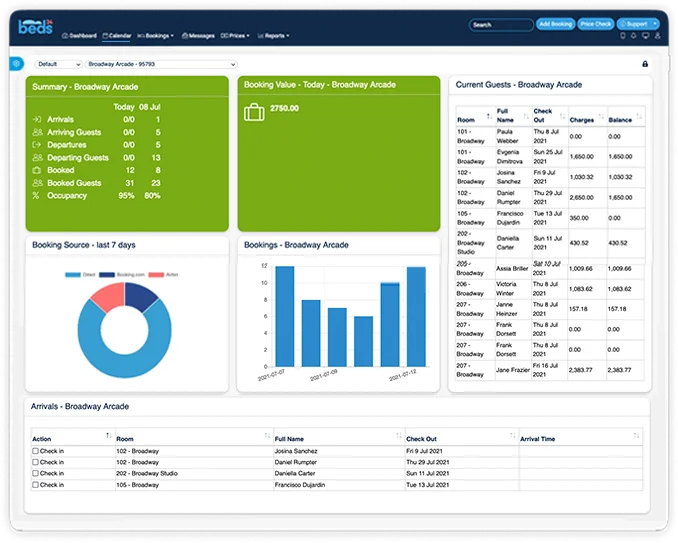
Ultimate Guide to Property Management Software
Managing rental properties efficiently can be challenging without the right tools. Property management software streamlines operations, simplifies tenant management, and ensures smooth financial tracking for property owners and managers.
What is Property Management Software?
Property management software is a digital solution designed to automate and simplify the management of real estate properties. From tracking rent payments to managing maintenance requests, these tools help landlords, property managers, and real estate companies save time and reduce errors.
Key features often include:
-
Tenant Management: Track tenants’ information, lease agreements, and communication.
-
Rent Collection: Automate rent reminders and online payment processing.
-
Maintenance Tracking: Manage repair requests, schedule inspections, and track costs.
-
Financial Reporting: Generate income statements, expense reports, and tax-ready summaries.
-
Document Storage: Securely store lease agreements, receipts, and important documents.
Benefits of Using Property Management Software
-
Time-Saving Automation – Reduce manual tasks like sending reminders, updating spreadsheets, or tracking payments.
-
Improved Accuracy – Minimize errors in accounting, tenant records, and financial reports.
-
Enhanced Communication – Keep tenants and staff updated with automated notifications and messaging tools.
-
Data-Driven Decisions – Access real-time reports and analytics to optimize property performance.
-
Scalability – Manage multiple properties efficiently without needing extra staff.
Choosing the Right Property Management Software
When selecting software, consider:
-
Ease of Use: Intuitive interfaces that require minimal training.
-
Integration: Compatibility with accounting tools, payment gateways, or CRM systems.
-
Mobile Accessibility: Apps for landlords and tenants to access on the go.
-
Security: Ensure tenant data and financial records are encrypted and safely stored.
-
Pricing: Transparent pricing with flexible plans for small and large property portfolios.
Top Trends in Property Management Software
-
Cloud-Based Platforms: Access properties anytime, anywhere with secure cloud storage.
-
AI and Automation: Predictive analytics for maintenance needs and tenant behavior.
-
Digital Payments: Seamless online rent collection and automated invoicing.
-
Tenant Portals: Personalized dashboards for tenants to submit requests, pay rent, and track leases.
Conclusion
Investing in property management software is no longer optional for modern landlords and property managers. It streamlines operations, improves tenant satisfaction, and drives profitability. Whether you manage a single rental unit or a large portfolio, choosing the right software can transform your property management experience.
The Complete Guide to Property Management Software
Managing real estate properties, whether a single rental or an extensive portfolio, involves juggling multiple tasks — tenant management, rent collection, maintenance tracking, and financial reporting. Traditional manual methods can be time-consuming, error-prone, and inefficient. This is where property management software becomes a game-changer.
What is Property Management Software?
Property management software is a digital platform designed to streamline all aspects of property management. It allows landlords, property managers, and real estate professionals to automate repetitive tasks, store critical data securely, and make data-driven decisions to optimize property performance.
Modern property management software combines cloud-based technology, mobile accessibility, and AI-powered automation to offer a comprehensive solution for property operations.
Key Features of Property Management Software
-
Tenant Management
Keep detailed records of tenants, including personal information, lease agreements, and payment history. Automated notifications help landlords communicate effectively, ensuring smooth tenant relationships. -
Rent Collection & Payment Processing
Automated rent reminders and online payment portals reduce late payments and improve cash flow. Some software even supports multiple payment methods, including credit cards, bank transfers, and digital wallets. -
Maintenance Management
Property management software allows tenants to submit maintenance requests online, track progress, and schedule inspections. Landlords can assign tasks to contractors and monitor costs, ensuring timely resolution. -
Financial Reporting & Accounting
Generate income statements, balance sheets, and expense reports effortlessly. The software can integrate with accounting systems, simplifying tax preparation and financial analysis. -
Document Management
Store lease agreements, contracts, receipts, and invoices securely in a digital format. This reduces the risk of lost documents and enables quick access when needed. -
Communication Tools
Automate messages for rent reminders, lease renewals, or maintenance updates. Some platforms include dedicated tenant portals for direct communication.
Benefits of Using Property Management Software
Investing in the right property management software offers multiple benefits:
-
Efficiency & Automation – Reduce administrative workload by automating repetitive tasks like rent reminders, late fees, and document filing.
-
Accuracy & Compliance – Keep accurate financial and tenant records to comply with legal requirements and avoid penalties.
-
Enhanced Tenant Experience – Quick response to maintenance requests and easy rent payments improve tenant satisfaction.
-
Data-Driven Insights – Real-time analytics help identify high-performing properties, track expenses, and forecast revenue.
-
Scalability – Manage small or large property portfolios without the need for additional staff.
How to Choose the Right Property Management Software
Selecting the right software depends on your specific needs:
-
Ease of Use – Look for intuitive platforms that don’t require technical expertise.
-
Integration Capabilities – Ensure compatibility with accounting software, payment gateways, or customer relationship management tools.
-
Mobile Accessibility – Mobile apps allow landlords and tenants to manage tasks from anywhere.
-
Security & Data Protection – Verify that tenant information and financial records are encrypted and safely stored.
-
Pricing & Scalability – Choose software with transparent pricing and plans that can grow with your portfolio.
Top Trends in Property Management Software
-
Cloud-Based Platforms – Access properties remotely and reduce IT infrastructure costs.
-
AI & Predictive Analytics – Forecast maintenance needs, identify late-paying tenants, and optimize property performance.
-
Digital Payment Solutions – Support seamless online rent collection and automated invoicing.
-
Tenant Portals & Mobile Apps – Enhance tenant experience with self-service portals for payments, maintenance requests, and lease management.
-
Smart Automation – Automate repetitive tasks like lease renewals, rent reminders, and document generation.
Leading Property Management Software Options
Here are some popular software solutions widely used in 2026:
-
Buildium – Best for full-service property management with tenant and accounting features.
-
AppFolio – Cloud-based platform ideal for residential and commercial property portfolios.
-
TenantCloud – Affordable option for small landlords with online rent collection and maintenance tools.
-
Yardi Breeze – Comprehensive software with accounting, marketing, and tenant portals.
-
Rentec Direct – Focused on small to medium landlords, offering financial management and tenant screening.
Each of these platforms provides unique features, so landlords should compare based on property type, portfolio size, and budget.
Case Studies: How Property Management Software Transforms Operations
-
Case Study 1: A landlord managing 50 rental units reduced late payments by 40% within 3 months using automated rent collection software.
-
Case Study 2: A property management company with 200+ units streamlined maintenance tracking and improved tenant satisfaction by implementing a cloud-based solution.
-
Case Study 3: A small landlord saved 10+ hours per week by switching from spreadsheets to an integrated property management system with financial reporting features.
FAQs About Property Management Software
Q1: Can property management software work for a single rental property?
Yes, even single-property landlords benefit from automating rent collection, tenant communication, and document management.
Q2: Is cloud-based software secure?
Reputable providers use encryption and secure servers to protect sensitive data. Always check security certifications.
Q3: How much does property management software cost?
Pricing varies based on features, number of units, and subscription plans. Options range from free tools for small landlords to premium solutions for large portfolios.
Q4: Can tenants use the software?
Most platforms include tenant portals where renters can pay online, submit maintenance requests, and access lease documents.
Conclusion
Property management software is an essential tool for modern landlords and property managers. It saves time, reduces errors, enhances tenant satisfaction, and provides insights for smarter property decisions. Whether managing a single unit or a large portfolio, investing in the right software can dramatically improve efficiency and profitability.