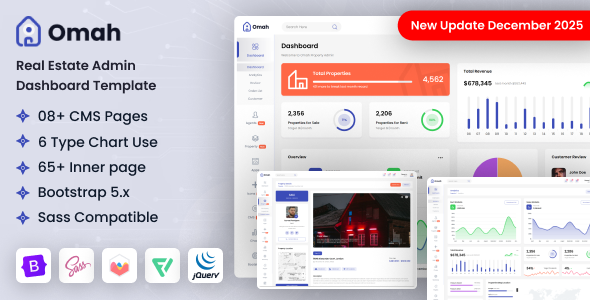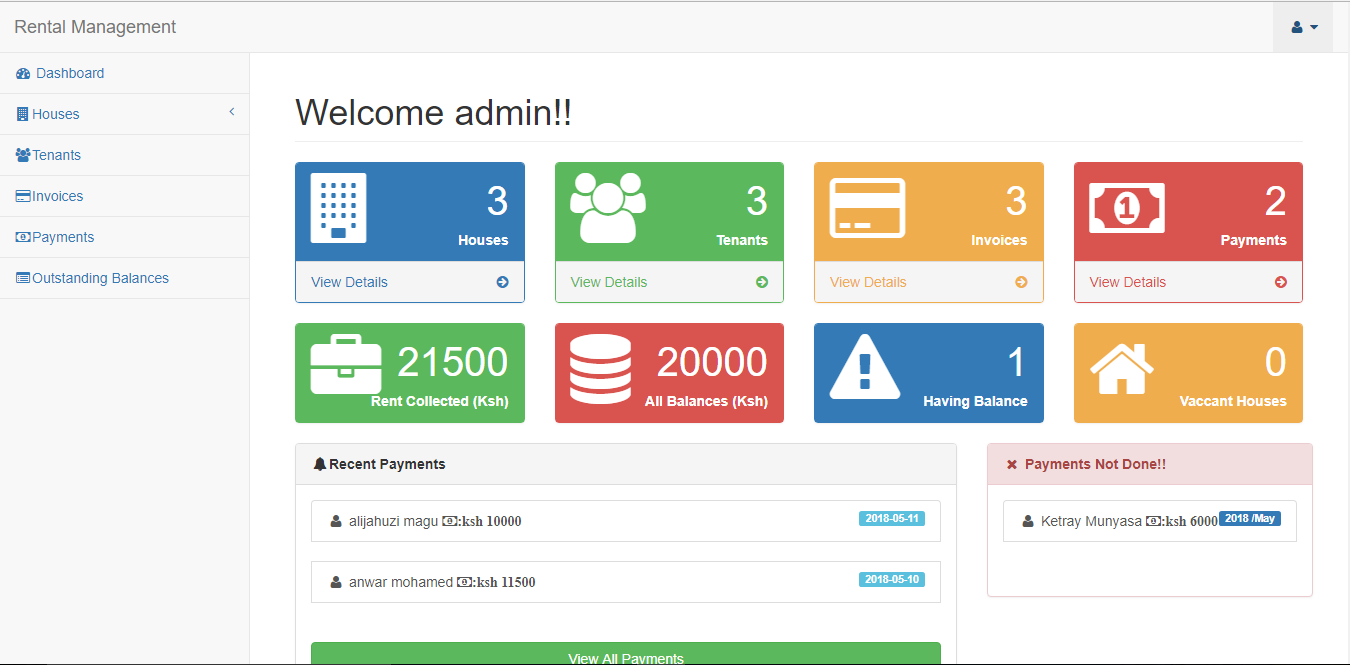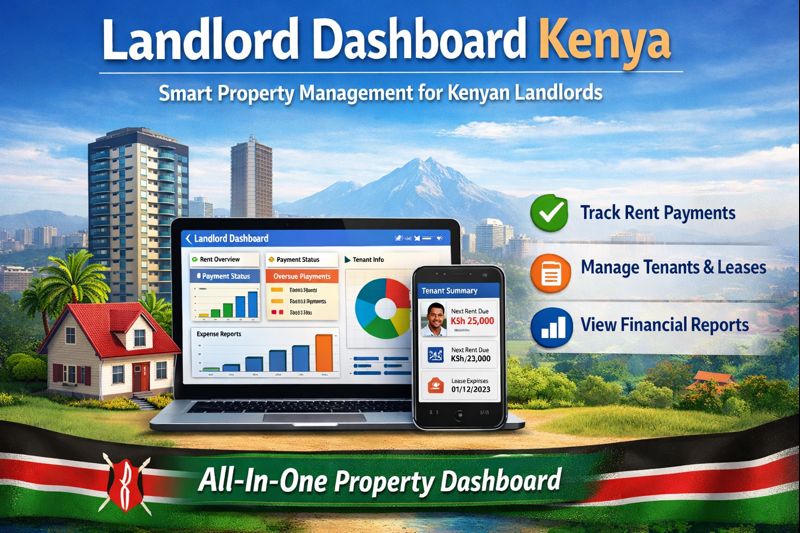
Modern Real Estate Admin System: Revolutionizing Property Management
In today’s fast-paced property market, managing multiple properties, tenants, and owners manually can be overwhelming. Enter the modern real estate admin system, a comprehensive solution designed to simplify property management while increasing efficiency and transparency.
This article explores the benefits, features, and best practices for implementing a modern real estate admin system, helping property managers and real estate businesses thrive in the digital age.
What is a Modern Real Estate Admin System?
A modern real estate admin system is a digital platform that integrates all aspects of property management into a single interface. It enables property managers to handle rent collection, tenant communication, maintenance requests, accounting, and reporting efficiently. Unlike traditional methods, modern systems leverage automation, cloud computing, and data analytics to streamline daily operations.
Key benefits include:
-
Centralized property and tenant data
-
Automated reminders for rent and lease renewals
-
Real-time financial tracking and reporting
-
Easy communication between tenants, owners, and managers
-
Enhanced decision-making using analytics
Core Features of a Modern Real Estate Admin System
To truly optimize property management, a modern real estate admin system should include the following features:
1. Property and Tenant Management
A robust system allows managers to store all property and tenant details in one place. Lease agreements, contact information, and property images can be accessed anytime, making tenant onboarding and property management seamless.
2. Automated Rent Collection
Modern systems offer automated rent reminders, online payment gateways, and digital receipts, reducing late payments and administrative workload.
3. Maintenance Request Management
Tenants can submit maintenance requests directly through the system, which can be tracked, assigned to technicians, and resolved efficiently. This increases tenant satisfaction and reduces delays.
4. Financial Reporting and Accounting
Advanced real estate admin systems generate detailed reports, including rent collections, expenses, and profit margins. Integration with accounting software simplifies tax filing and financial planning.
5. Document Management
Lease contracts, invoices, and property documents can be stored digitally, reducing paper clutter and enabling quick access to important records.
6. Mobile Accessibility
With mobile apps, property managers can access the system anywhere, respond to tenant queries, and monitor property performance on the go.
7. Analytics and Insights
Data-driven insights help managers understand trends in rent collection, tenant behavior, and property performance. This allows for smarter decisions and strategic planning.
Benefits of Using a Modern Real Estate Admin System
Implementing a modern real estate admin system brings tangible benefits to property managers, owners, and tenants:
-
Efficiency and Time-Saving: Automation reduces repetitive tasks like sending reminders or updating records.
-
Enhanced Tenant Experience: Tenants enjoy smooth communication, online payments, and timely maintenance.
-
Cost Reduction: Digital systems reduce manual errors, paperwork costs, and administrative overhead.
-
Scalability: Easily manage additional properties as your real estate portfolio grows.
-
Improved Compliance: Keep all legal and regulatory documents organized to avoid compliance issues.
How to Choose the Right Real Estate Admin System
Selecting the right system is crucial for maximizing its benefits. Consider these factors:
-
Ease of Use: The system should be intuitive for both managers and tenants.
-
Customization: Ensure it can adapt to your unique property management needs.
-
Integration Capabilities: Check compatibility with payment gateways, accounting software, and CRM tools.
-
Security: Protect sensitive tenant and financial data with strong encryption and secure cloud storage.
-
Customer Support: Reliable support ensures quick resolution of any system issues.
Implementing a Modern Real Estate Admin System
-
Assess Your Needs: Identify pain points in your current property management process.
-
Select a System: Choose a system that meets your requirements and budget.
-
Migrate Data: Transfer all property and tenant information securely to the new system.
-
Train Your Team: Ensure your staff understands how to use all features efficiently.
-
Monitor Performance: Regularly review system analytics to optimize operations.
Future of Real Estate Management
The real estate industry is rapidly evolving, and digital solutions like a modern real estate admin system are becoming indispensable. Integration with AI, predictive analytics, and IoT devices will further enhance property management, offering real-time insights and proactive maintenance solutions.
By adopting a modern system, property managers can stay ahead of competitors, reduce operational risks, and offer a superior experience to both tenants and property owners.
Conclusion
A modern real estate admin system is no longer optional—it’s essential for efficient property management. From automating rent collection to providing real-time insights, these systems empower property managers to operate smarter and scale faster.
Investing in a modern real estate admin system means embracing digital transformation, increasing operational efficiency, and ultimately delivering better services to tenants and property owners alike.
Modern Real Estate Admin System: The Ultimate Guide to Efficient Property Management
In today’s competitive real estate market, managing properties manually is no longer practical. Property managers are now turning to a modern real estate admin system to streamline operations, improve tenant satisfaction, and maximize profitability. From automating rent collection to centralized tenant management, modern systems transform how properties are managed.
This comprehensive guide explores everything you need to know about modern real estate admin systems, their features, benefits, and how to choose the right solution for your business.
What is a Modern Real Estate Admin System?
A modern real estate admin system is a cloud-based platform designed to centralize all property management functions. It replaces outdated spreadsheets and manual processes with automation, real-time data, and analytics, making property management faster, more efficient, and more accurate.
Key purposes of a modern real estate admin system include:
-
Managing multiple properties efficiently
-
Automating rent reminders and payment collection
-
Streamlining communication between tenants, property managers, and owners
-
Generating real-time reports and insights
Popular long-tail keywords for SEO:
“digital property management software”, “cloud-based real estate admin system”, “automated tenant management platform”
Essential Features of a Modern Real Estate Admin System
To achieve maximum efficiency, a modern real estate admin system should include the following features:
1. Property and Tenant Database Management
Store and manage all property and tenant information in a single, secure database. Features include:
-
Digital lease agreements
-
Property images and floor plans
-
Tenant contact information and payment history
2. Automated Rent Collection and Reminders
Modern systems allow tenants to pay rent online through secure payment gateways. Key advantages include:
-
Recurring payment setup
-
Automatic reminders for upcoming or overdue rent
-
Digital receipts and confirmation for tenants
3. Maintenance Management System
Enable tenants to submit maintenance requests directly, with features like:
-
Request tracking and updates
-
Assigning technicians automatically
-
Scheduling maintenance and sending completion notifications
4. Financial Management and Reporting
Track income, expenses, and generate real-time reports with features such as:
-
Profit and loss statements
-
Tax filing support
-
Budget tracking and forecasting
5. Document Management and Security
Securely store contracts, invoices, and legal documents digitally. Benefits include:
-
Reduced paper clutter
-
Quick document retrieval
-
Compliance with local property regulations
6. Mobile and Remote Access
Manage properties from anywhere using mobile apps:
-
Approve requests on the go
-
Communicate with tenants instantly
-
Monitor property performance remotely
7. Analytics and Business Insights
Data-driven insights for smarter decision-making:
-
Trends in rent collection and occupancy
-
Tenant behavior analysis
-
Property performance metrics
Benefits of a Modern Real Estate Admin System
Implementing a modern real estate admin system provides significant advantages:
1. Increased Efficiency
Automation reduces manual work, allowing property managers to focus on strategic decisions instead of administrative tasks.
2. Improved Tenant Experience
Smooth online payments, timely maintenance responses, and easy communication enhance tenant satisfaction and retention.
3. Reduced Costs
Digital systems cut administrative costs, minimize errors, and reduce paperwork.
4. Scalability
Easily manage growing property portfolios without increasing administrative overhead.
5. Compliance and Risk Management
Secure storage of legal documents and automated reporting ensures regulatory compliance.
6. Data-Driven Decisions
Analytics help identify profitable opportunities and predict tenant behavior, improving overall management strategy.
How to Choose the Right Modern Real Estate Admin System
Selecting the best system for your real estate business involves careful evaluation of these factors:
-
User-Friendly Interface – Simple navigation for property managers and tenants.
-
Customizable Features – Adaptable to different property types and sizes.
-
Integration Options – Compatible with accounting software, payment gateways, and CRM tools.
-
Data Security – Encryption, secure cloud storage, and regular backups.
-
Reliable Customer Support – Quick resolution for technical issues.
-
Pricing – Flexible pricing plans that fit your budget, including free trials.
Implementing a Modern Real Estate Admin System
A smooth implementation ensures you reap the full benefits:
-
Assess Your Current Processes – Identify inefficiencies and pain points.
-
Select the Best System – Compare features, pricing, and reviews.
-
Migrate Data Safely – Transfer property and tenant data securely.
-
Train Your Team – Ensure all users know how to operate the system effectively.
-
Monitor and Optimize – Use analytics to continually improve management processes.
Real-World Use Cases
Case Study 1: Property Portfolio Management
A property management company using a modern real estate admin system reduced manual administrative work by 60%, increased on-time rent payments, and improved tenant satisfaction.
Case Study 2: Tenant Maintenance Requests
Automated maintenance tracking led to a 40% faster resolution time, enhancing tenant retention and reducing repair costs.
Case Study 3: Financial Reporting
Real-time financial dashboards helped managers track expenses, forecast revenue, and make data-driven investment decisions.
Future Trends in Real Estate Admin Systems
The future of property management is digital. Upcoming trends include:
-
AI-Powered Analytics – Predict tenant behavior and optimize property pricing
-
IoT Integration – Smart devices for automated maintenance monitoring
-
Blockchain-Based Contracts – Secure and transparent lease agreements
-
Virtual Property Tours – Reduce physical visits with 3D and VR solutions
FAQs About Modern Real Estate Admin Systems
Q1: What is the cost of a modern real estate admin system?
A: Pricing varies based on features, property portfolio size, and licensing model. Many providers offer subscription-based pricing and free trials.
Q2: Can tenants use the system easily?
A: Yes. Modern systems are designed for intuitive tenant access, allowing online payments, maintenance requests, and document downloads.
Q3: Is it secure to store tenant and financial data online?
A: Modern systems use encryption, secure cloud servers, and regular backups to protect sensitive data.
Q4: Can this system handle multiple properties?
A: Absolutely. Most modern real estate admin systems are scalable, supporting portfolios of all sizes.
Q5: How long does it take to implement?
A: Depending on the complexity of your portfolio, implementation can range from a few days to a few weeks. Proper training ensures a smooth transition.
Conclusion
A modern real estate admin system is transforming the way property managers operate. From automating routine tasks to providing actionable insights, these systems are essential for efficient, scalable, and profitable property management.
Investing in a modern system means reduced operational stress, better tenant satisfaction, and a competitive edge in the real estate market. Digital transformation is no longer optional—it’s the future of property management.
Suggested Images: