
Table of Contents
ToggleBest Estate Management Software: Complete Guide for Property Owners and Managers
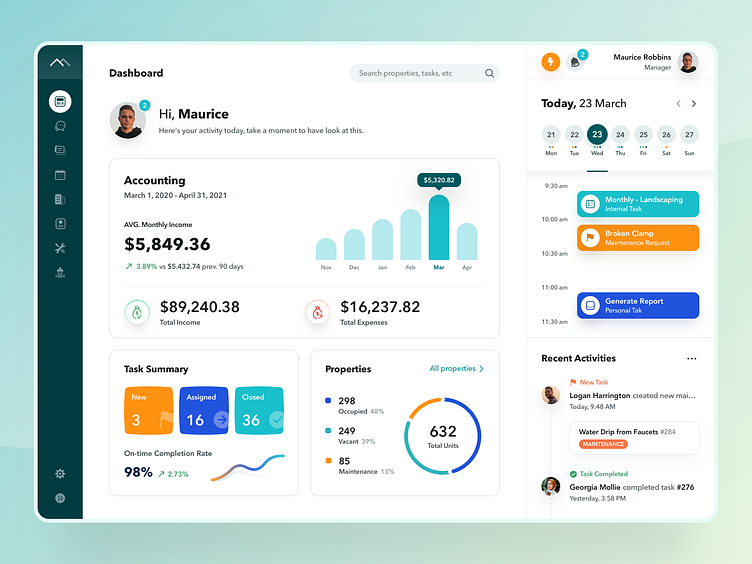
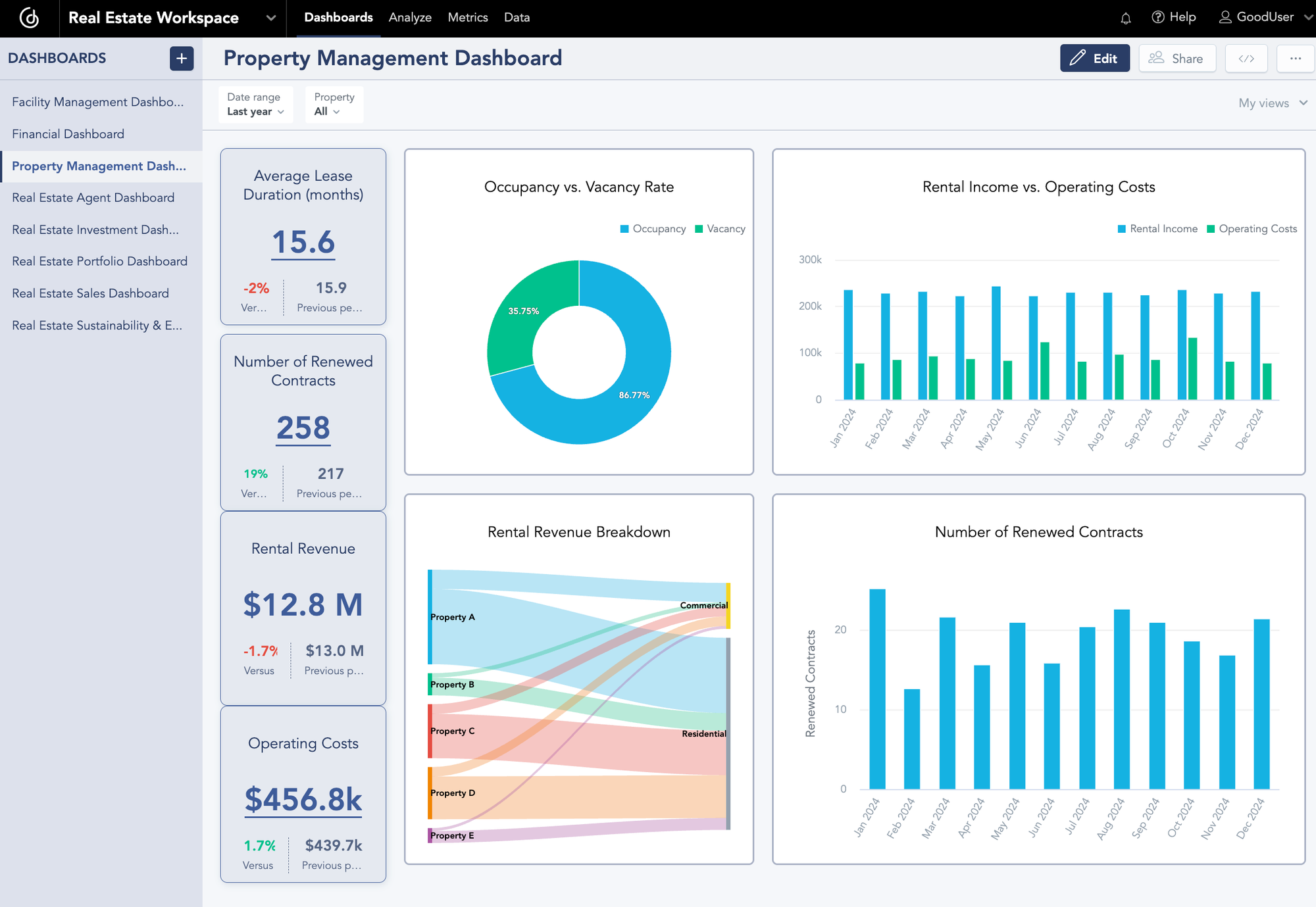

Managing residential estates, apartments, and rental properties can be complex without the right tools. Property owners, landlords, and real estate managers need efficient systems to track tenants, rent payments, maintenance requests, and financial records. This is where the best estate management software becomes essential.
Estate management software simplifies property administration by automating tasks, improving communication, and providing real-time insights into property performance. Whether you manage a small apartment block or a large real estate portfolio, the right software can dramatically improve efficiency and profitability.
This guide explores what estate management software is, its benefits, features, and how to choose the best estate management software for your needs.
What is Estate Management Software?
Estate management software is a digital platform designed to help landlords, property managers, and real estate companies manage residential or commercial properties efficiently. It centralizes property operations such as tenant management, rent collection, maintenance tracking, accounting, and reporting.
Instead of relying on spreadsheets or manual paperwork, estate managers can manage everything through a single system.
Typical users of estate management software include:
-
Property managers
-
Real estate companies
-
Landlords
-
Housing associations
-
Property developers
-
Estate administrators
With the best estate management software, you can monitor your entire property portfolio from one dashboard.
Why Estate Managers Need Property Management Software
Managing properties manually often leads to errors, delayed rent payments, poor tenant communication, and inefficient operations. Implementing estate management software eliminates many of these challenges.
1. Automated Rent Collection
The best estate management software allows tenants to pay rent online through mobile money, bank transfers, or credit cards. Automatic reminders reduce late payments and improve cash flow.
2. Centralized Tenant Management
Store tenant information, lease agreements, payment history, and communication records in one system. This makes it easier to track tenant relationships and manage leases.
3. Maintenance Tracking
Property maintenance requests can be logged and tracked through the software. Managers can assign technicians, monitor repairs, and ensure issues are resolved quickly.
4. Financial Reporting
Generate real-time financial reports, including income statements, rent summaries, and expense tracking. This improves transparency and financial planning.
5. Improved Communication
Estate management platforms often include messaging tools for communicating with tenants, staff, and property owners.
Key Features of the Best Estate Management Software
When choosing estate management software, it is important to evaluate the features that improve efficiency and automation.
Property Portfolio Management
The software should allow users to manage multiple properties, units, and buildings from one platform. Managers should easily track occupancy rates and property performance.
Tenant and Lease Management
This feature allows you to:
-
Store tenant details
-
Manage lease agreements
-
Track lease renewals
-
Monitor rent payment history
Online Rent Payments
Tenants can pay rent online, reducing administrative work. Payment tracking ensures accurate financial records.
Maintenance Management
Maintenance management tools help property managers:
-
Track repair requests
-
Assign maintenance teams
-
Monitor task completion
Accounting and Financial Reports
The best estate management software provides detailed financial reports including:
-
Rent collection reports
-
Expense tracking
-
Profit and loss statements
-
Property performance analytics
Mobile Access
Cloud-based estate management software allows property managers to access their dashboard from any device, anywhere.
Benefits of Using the Best Estate Management Software
Implementing estate management software offers several advantages for property owners and managers.
Increased Efficiency
Automating administrative tasks saves time and reduces human errors.
Better Tenant Experience
Tenants can submit maintenance requests, communicate with managers, and pay rent online.
Improved Financial Tracking
Accurate financial data helps property managers make better business decisions.
Real-Time Data Access
Managers can view occupancy rates, rent payments, and maintenance updates instantly.
Scalability
As your property portfolio grows, the software can easily accommodate additional properties and tenants.
Cloud-Based Estate Management Software
Cloud technology has revolutionized property management systems. Cloud-based estate management software allows users to manage properties online without installing software on local computers.
Benefits of cloud-based solutions include:
-
Access from anywhere
-
Automatic software updates
-
Secure data storage
-
Multi-user access
-
Real-time collaboration
Cloud solutions are increasingly considered the best estate management software option for modern property managers.
Estate Management Software for Property Managers
Property managers responsible for multiple properties benefit significantly from using estate management software.
The system allows them to:
-
Manage multiple tenants and units
-
Track lease agreements
-
Monitor rent payments
-
Handle maintenance requests
-
Generate financial reports
This improves overall operational efficiency and reduces workload.
Estate Management Software for Landlords
Independent landlords also benefit from estate management software. Even those managing a few properties can automate tasks and improve tenant communication.
Landlords can use the software to:
-
Track rent payments
-
Manage lease agreements
-
Record expenses
-
Monitor property maintenance
Using the best estate management software ensures landlords stay organized and maintain consistent cash flow.
How to Choose the Best Estate Management Software
Selecting the right software depends on several factors.
Ease of Use
The software should have a simple and user-friendly interface.
Customization
Different estates have different management needs. Choose software that allows customization of reports, features, and workflows.
Security
Ensure the platform uses secure data encryption and protects sensitive tenant and financial information.
Integration Capabilities
The software should integrate with payment gateways, accounting systems, and communication tools.
Customer Support
Reliable technical support ensures smooth operation and quick issue resolution.
Estate Management Software for Real Estate Companies
Real estate companies managing large property portfolios require advanced estate management solutions.
These platforms help companies:
-
Manage hundreds of properties
-
Track tenant contracts
-
Analyze financial performance
-
Manage staff and maintenance teams
-
Generate management reports
The best estate management software enables real estate companies to scale operations efficiently.
Future Trends in Estate Management Software
Technology continues to transform property management. Emerging trends include:
Artificial Intelligence
AI can predict maintenance issues, automate tenant responses, and analyze property performance.
Smart Property Integration
Integration with smart building technologies such as IoT sensors improves building management.
Data Analytics
Advanced analytics help property managers understand occupancy trends, tenant behavior, and revenue patterns.
Mobile Apps
Mobile-friendly estate management systems allow managers and tenants to interact easily from smartphones.
Conclusion
Choosing the best estate management software is essential for property managers, landlords, and real estate companies looking to streamline operations and improve efficiency. From tenant management and rent collection to maintenance tracking and financial reporting, estate management software provides powerful tools to simplify property administration.
Cloud-based solutions, automation features, and real-time reporting make modern estate management systems indispensable for managing residential and commercial properties.
As the real estate industry continues to evolve, investing in the right estate management software will help property managers stay competitive, improve tenant satisfaction, and maximize property profitability.