
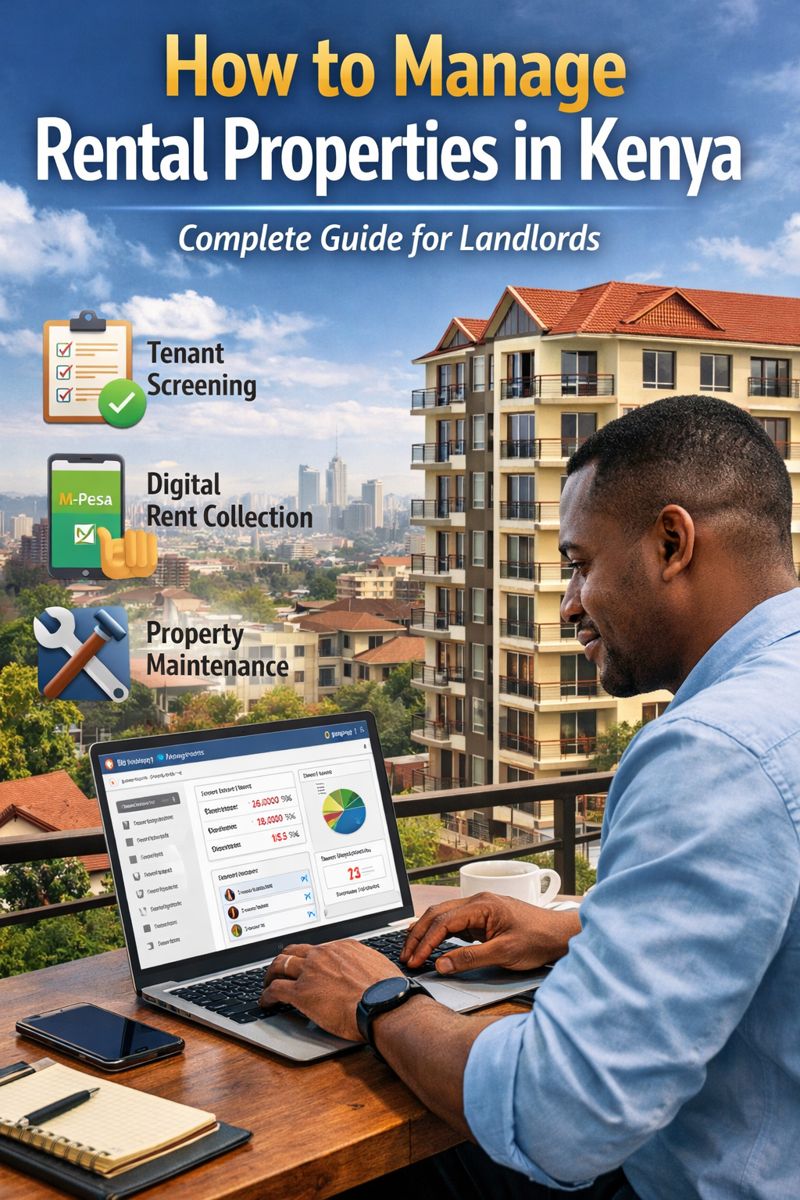
Introduction to Digital Estate Management
Digital estate management is transforming the way landlords, real estate companies, and property managers handle their properties. With the rise of technology and cloud-based systems, traditional manual processes are rapidly being replaced by efficient digital solutions that automate rent collection, tenant communication, financial reporting, and property maintenance.
Today, digital estate management systems provide a centralized platform where property owners can manage multiple properties, monitor payments, and streamline operations from anywhere. Whether you manage apartments, commercial buildings, or rental units, adopting a digital estate management system can significantly improve efficiency, transparency, and profitability.
What is Digital Estate Management?
Digital estate management refers to the use of online software and digital tools to manage real estate properties, tenants, finances, and maintenance operations. Instead of relying on spreadsheets, paperwork, or manual tracking, property managers can use digital platforms to automate everyday tasks.
These systems often include features such as:
-
Online rent collection
-
Tenant management
-
Lease tracking
-
Maintenance requests
-
Financial reporting
-
Automated notifications
-
Property performance analytics
With digital estate management, landlords can manage their properties remotely and in real time, making it easier to scale operations and improve tenant satisfaction.
Benefits of Digital Estate Management
1. Efficient Rent Collection
One of the biggest advantages of digital estate management is automated rent collection. Tenants can pay rent online through mobile money, bank transfers, or card payments. The system records transactions instantly and generates receipts automatically.
This reduces delays, eliminates manual errors, and ensures consistent cash flow for property owners.
2. Centralized Property Management
Digital estate management platforms allow property managers to handle multiple properties from one dashboard. Whether you own apartments in different locations or manage several commercial units, everything is accessible in one place.
This centralized approach improves organization and ensures no important details are overlooked.
3. Improved Tenant Communication
Communication between landlords and tenants becomes seamless with digital estate management systems. Property managers can send:
-
Rent reminders
-
Payment confirmations
-
Maintenance updates
-
Announcements
This improves tenant relationships and reduces misunderstandings.
4. Real-Time Financial Reporting
Financial transparency is crucial in property management. Digital estate management software provides detailed reports on:
-
Rental income
-
Expenses
-
Outstanding balances
-
Profit and loss
These reports help property owners make informed decisions and track performance easily.
5. Automated Maintenance Management
Tenants can submit maintenance requests online, and property managers can assign tasks to technicians immediately. This ensures faster response times and better service delivery.
A well-managed maintenance system also helps maintain property value and tenant satisfaction.
Key Features of a Digital Estate Management System
When choosing a digital estate management solution, consider systems that offer the following features:
Tenant Management
Store tenant information, lease agreements, and payment history in one secure platform.
Rent Tracking and Billing
Automate rent invoicing, track payments, and generate receipts instantly.
Financial Management
Monitor income and expenses with automated accounting and reporting tools.
Mobile Accessibility
Access your property data anytime from a smartphone, tablet, or computer.
Security and Data Protection
Ensure tenant and financial data is secure with encrypted cloud-based storage.
Why Property Owners Should Go Digital
The real estate industry is becoming increasingly competitive, and property owners who embrace technology gain a significant advantage. Digital estate management helps reduce operational costs, improve efficiency, and provide better services to tenants.
Manual systems are time-consuming and prone to errors. By switching to digital estate management, landlords can automate repetitive tasks and focus on growing their property investments.
Digital Estate Management in Modern Real Estate
As urbanization continues and property portfolios grow, the need for efficient management solutions becomes more important. Digital estate management is no longer a luxury — it is a necessity for modern property management.
From small landlords managing a few rental units to large real estate companies overseeing multiple estates, digital tools provide scalability and convenience. They also improve transparency and accountability in property operations.
Choosing the Right Digital Estate Management Software
To get the best results, select a digital estate management system that matches your needs. Consider:
-
Number of properties you manage
-
Budget
-
Required features
-
Integration with payment platforms
-
Ease of use
-
Customer support
A good system should simplify operations and provide measurable value.
Conclusion
Digital estate management is revolutionizing property management by introducing automation, efficiency, and real-time control. With features like online rent collection, tenant management, and financial reporting, property owners can streamline operations and maximize profits.
As the real estate industry continues to evolve, adopting digital estate management solutions will be essential for staying competitive and delivering excellent tenant experiences. Whether you manage residential or commercial properties, going digital is the smart move for modern estate management.