
Advantages of Property Management System: A Complete Guide for Modern Real Estate Management
Introduction
The real estate industry is rapidly evolving as landlords, real estate companies, and property managers increasingly rely on digital tools to streamline operations. One of the most valuable tools in this transformation is a property management system (PMS). Understanding the advantages of property management system software is essential for anyone managing rental properties, apartments, commercial buildings, or real estate portfolios.
A property management system is a software platform designed to automate and simplify property-related tasks such as tenant management, rent collection, maintenance tracking, financial reporting, and communication. By replacing manual processes with digital automation, property managers can significantly improve efficiency, reduce operational costs, and enhance tenant satisfaction.
This guide explores the major advantages of property management system software, why it is essential for modern property management, and how it helps landlords and real estate professionals stay competitive.
What is a Property Management System?
A property management system is software designed to help landlords, property managers, and real estate agencies manage rental properties efficiently. It centralizes all property operations in one platform.
Typical features include:
-
Tenant management
-
Lease tracking
-
Online rent collection
-
Maintenance requests
-
Accounting and reporting
-
Document storage
-
Communication tools
-
Vacancy tracking
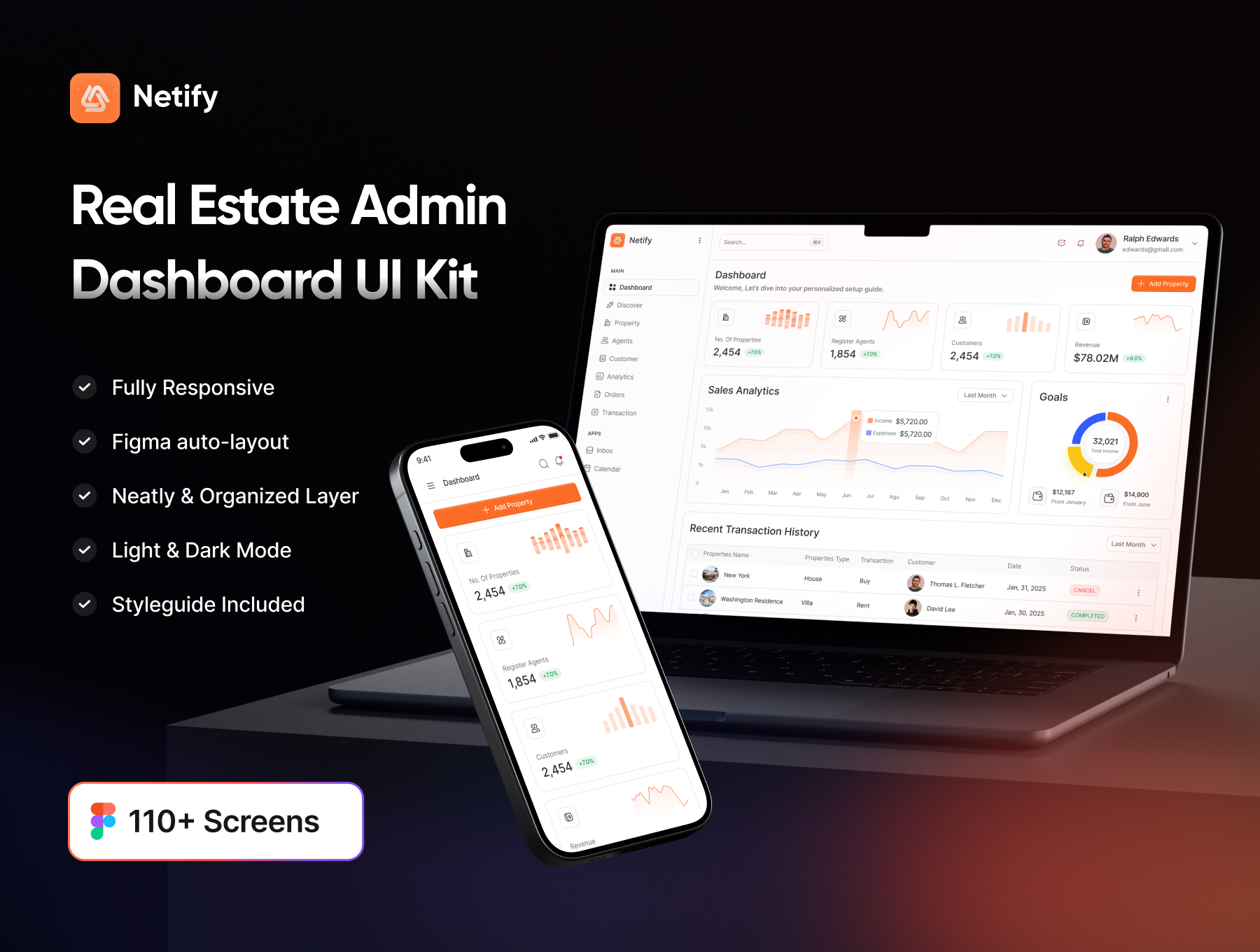
Instead of spreadsheets, paperwork, and manual tracking, property managers can control everything from one dashboard.
1. Improved Operational Efficiency
One of the biggest advantages of property management system software is improved efficiency.
Manual property management often involves:
-
Paper documents
-
Phone calls
-
Manual rent tracking
-
Excel spreadsheets
-
Physical records
These methods are time-consuming and prone to human errors.
A property management system automates these processes.
Examples of automation
-
Automatic rent reminders
-
Online rent payments
-
Automated lease renewals
-
Maintenance tracking
-
Financial reports generation
With automation, property managers save time and focus on growing their real estate portfolio.
2. Easy Tenant Management
Managing tenants is one of the most complex parts of property management.
A property management system simplifies tenant management by providing a centralized database that stores all tenant information.
Tenant data stored in PMS
-
Tenant contact details
-
Lease agreements
-
Payment history
-
Complaints and maintenance requests
-
Communication records
Property managers can quickly access tenant information, reducing administrative workload.
3. Online Rent Collection
Another major advantage of property management system software is the ability to collect rent online.
Traditional rent collection methods include:
-
Cash payments
-
Bank deposits
-
Manual receipts
These methods create challenges such as:
-
Late payments
-
Lost receipts
-
Manual tracking
With a property management system, tenants can pay rent using:
-
Mobile money
-
Bank transfer
-
Online payment portals
-
Debit or credit cards
This ensures faster payments and better financial tracking.
4. Accurate Financial Management
Financial management is critical in real estate. Tracking income and expenses manually can lead to mistakes.
A property management system provides automated financial tools.
Financial features include
-
Income tracking
-
Expense management
-
Automated invoices
-
Tax reports
-
Profit and loss statements
-
Owner reports
These tools give property managers a clear overview of their financial performance.
5. Better Maintenance Management
Maintenance is essential for keeping tenants satisfied and protecting property value.
A property management system allows tenants to submit maintenance requests online.
The system then helps property managers:
-
Track maintenance issues
-
Assign tasks to technicians
-
Monitor repair progress
-
Record maintenance costs
This ensures that repairs are handled quickly and efficiently.
6. Enhanced Communication
Communication between property managers, tenants, and property owners is essential.
A property management system improves communication by providing:
-
Tenant messaging portals
-
Automated notifications
-
Email alerts
-
SMS reminders
Examples include:
-
Rent payment reminders
-
Maintenance updates
-
Lease expiration notices
This improves transparency and builds trust between property managers and tenants.
7. Centralized Property Data
Without a property management system, property data is often scattered across multiple files, emails, and spreadsheets.
A PMS centralizes everything in one place.
Centralized information includes
-
Property details
-
Tenant records
-
Financial reports
-
Lease agreements
-
Maintenance history
This makes it easier to access information and make informed decisions.
8. Reduced Human Errors
Manual property management increases the risk of errors such as:
-
Incorrect rent records
-
Missing payments
-
Lost documents
-
Accounting mistakes
A property management system reduces these risks by automating processes and maintaining accurate records.
Automation ensures data consistency and improves reliability.
9. Real-Time Reporting and Analytics
Data-driven decisions are essential in real estate.
A property management system provides real-time analytics and reports that help property managers understand property performance.
Examples of reports include:
-
Occupancy rates
-
Rental income reports
-
Maintenance expenses
-
Tenant turnover rates
-
Profit analysis
These insights help managers make smarter business decisions.
10. Better Property Portfolio Management
For landlords managing multiple properties, organization becomes difficult without technology.
A property management system allows users to manage multiple properties from a single platform.
Benefits include
-
Multi-property dashboard
-
Portfolio performance tracking
-
Vacancy monitoring
-
Rental income tracking
This is particularly useful for real estate companies managing hundreds of units.
11. Improved Tenant Satisfaction
Tenant satisfaction is critical for reducing vacancy rates.
A property management system improves tenant experience through:
-
Online rent payments
-
Faster maintenance responses
-
Easy communication
-
Transparent billing
Happy tenants are more likely to renew leases and recommend the property to others.
12. Better Lease Management
Lease agreements contain critical information such as rent terms, renewal dates, and tenant obligations.
A property management system tracks lease agreements and sends reminders for:
-
Lease renewals
-
Lease expirations
-
Rent adjustments
This helps property managers avoid missed renewals or expired contracts.
13. Increased Data Security
Paper documents and spreadsheets are vulnerable to loss, theft, or damage.
A property management system provides secure cloud storage.
Security benefits include
-
Data encryption
-
Backup systems
-
Secure access controls
-
User permissions
This ensures sensitive tenant and financial information remains protected.
14. Cost Savings
While implementing a property management system requires investment, it ultimately reduces operational costs.
Savings come from:
-
Reduced administrative workload
-
Lower paperwork costs
-
Fewer accounting errors
-
Improved rent collection
-
Reduced vacancy rates
Over time, the return on investment can be significant.
15. Scalability for Growing Businesses
Real estate businesses grow over time. Managing more properties manually becomes increasingly difficult.
A property management system is scalable and can support:
-
More tenants
-
More properties
-
Larger financial data
-
Multiple property managers
This allows businesses to expand without increasing administrative complexity.
16. Compliance and Legal Support
Property management involves legal requirements such as tenant agreements, tax reporting, and financial records.
A PMS helps ensure compliance by maintaining proper documentation and generating financial records when needed.
This can be helpful during audits, legal disputes, or regulatory checks.
17. Mobile Access and Remote Management
Modern property management systems offer mobile apps or cloud-based platforms.
This allows property managers to manage properties remotely.
With mobile access, managers can:
-
Approve maintenance requests
-
Track payments
-
Communicate with tenants
-
View financial reports
This flexibility improves productivity.
18. Better Vacancy Management
Vacant properties mean lost income.
A property management system helps reduce vacancies by:
-
Tracking available units
-
Managing listings
-
Monitoring tenant turnover
-
Analyzing occupancy rates
Property managers can quickly fill empty units and maximize rental income.
19. Document Management
Property management requires managing many documents, including:
-
Lease agreements
-
Tenant applications
-
Inspection reports
-
Payment receipts
-
Legal documents
A PMS allows property managers to upload, store, and retrieve documents easily.
This reduces paperwork and improves organization.
20. Competitive Advantage in the Real Estate Market
The real estate industry is becoming increasingly technology-driven.
Property managers using advanced tools such as property management systems gain a competitive advantage.
Benefits include:
-
Faster operations
-
Better tenant service
-
Improved financial control
-
Professional property management
This makes the business more attractive to investors and property owners.
Conclusion
The advantages of property management system software are transforming how real estate professionals manage properties. From automated rent collection to improved tenant communication and powerful financial reporting, these systems provide the tools needed to manage properties efficiently.
For landlords, real estate companies, and property managers, investing in a property management system can lead to improved efficiency, reduced operational costs, and better tenant satisfaction.
As the real estate industry continues to digitize, adopting a reliable property management system is no longer optional—it is essential for staying competitive and achieving long-term success.