
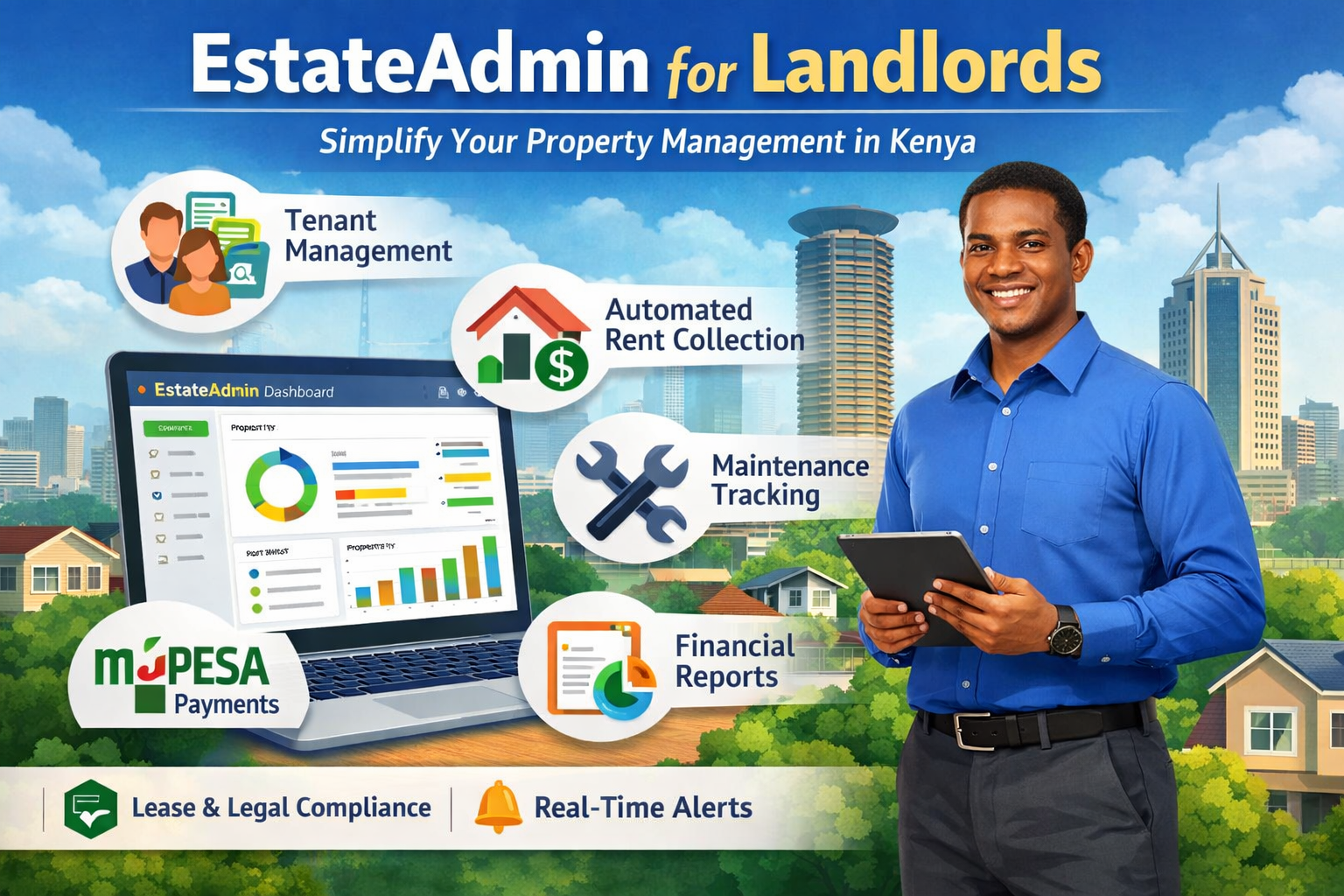
Estate Management Software: The Ultimate Solution for Property Management Efficiency
Managing multiple properties, tenants, and maintenance tasks can quickly become overwhelming without the right tools. This is where estate management software comes in—a powerful solution designed to streamline property operations, improve tenant relations, and maximize revenue. In this guide, we explore the features, benefits, and reasons why adopting estate management software is essential for property managers and landlords.
What is Estate Management Software?
Estate management software is a digital platform that enables property owners, managers, and real estate professionals to oversee their estates efficiently. It consolidates key property management tasks—such as rent collection, tenant management, maintenance scheduling, and financial reporting—into a single, user-friendly system.
Unlike traditional manual methods, estate management software offers automation, real-time updates, and centralized control, saving time, reducing errors, and improving decision-making.
Key Features of Estate Management Software
Modern estate management software comes equipped with a variety of features designed to address the needs of landlords, property managers, and real estate investors. Here are the most important ones:
1. Tenant Management
Managing tenants can be complicated, especially for large estates. Estate management software simplifies tenant management by allowing users to:
-
Maintain a digital tenant database with personal details and lease agreements.
-
Track rent payments and payment history.
-
Send automatic reminders for rent collection.
-
Manage tenant complaints and service requests efficiently.
2. Rent and Payment Tracking
Collecting rent manually can be prone to errors and delays. Estate management software automates payment tracking by:
-
Providing online payment options for tenants.
-
Automatically calculating late fees.
-
Generating monthly or annual financial reports.
3. Maintenance and Service Management
Property maintenance is crucial for tenant satisfaction and property value. Estate management software enables property managers to:
-
Schedule routine inspections and maintenance tasks.
-
Track service requests and completion status.
-
Assign maintenance jobs to contractors or staff with notifications.
4. Financial Reporting and Accounting
Accurate financial reporting is essential for estate management. The software allows users to:
-
Generate income and expense reports.
-
Track budgets for maintenance and operations.
-
Monitor cash flow and profitability for individual properties.
5. Document Management
Managing lease agreements, legal documents, and invoices can be cumbersome. Estate management software stores all documents securely in one place, ensuring quick access and compliance.
6. Data Analytics and Insights
Advanced estate management software provides analytics and insights that help landlords and property managers make informed decisions. Features may include:
-
Vacancy rate analysis.
-
Rent trends and market comparisons.
-
Property performance dashboards.
Benefits of Using Estate Management Software
Implementing estate management software offers numerous benefits that improve operational efficiency, tenant satisfaction, and profitability.
1. Time-Saving Automation
Manual property management is time-consuming and error-prone. Automating repetitive tasks such as rent reminders, invoicing, and maintenance scheduling frees up time for strategic planning.
2. Enhanced Tenant Experience
A well-organized property management system ensures tenants receive prompt service, accurate billing, and easy access to important documents—leading to higher satisfaction and longer lease renewals.
3. Reduced Operational Costs
By reducing manual labor and improving efficiency, estate management software helps property managers cut operational costs and allocate resources more effectively.
4. Accurate Financial Tracking
With automated accounting and reporting features, estate management software minimizes errors in financial tracking, helping property managers maintain accurate records for audits and tax purposes.
5. Centralized Control
Estate management software consolidates all property data in one platform, enabling managers to monitor multiple properties seamlessly, identify issues quickly, and make data-driven decisions.
6. Scalability
Whether managing a single property or a large real estate portfolio, estate management software scales with your needs. Adding new properties, tenants, and staff is simple and efficient.
Choosing the Right Estate Management Software
Selecting the best estate management software depends on your property management needs, budget, and desired features. Here are key considerations:
1. User-Friendly Interface
The software should be easy to navigate for property managers, tenants, and staff. A simple, intuitive interface ensures quick adoption and reduces training time.
2. Cloud-Based Access
Cloud-based estate management software allows access from anywhere, enabling remote management and real-time updates.
3. Customizable Features
Choose software that can be customized to fit your specific needs, such as lease terms, payment methods, and reporting formats.
4. Integration Capabilities
The software should integrate with other tools such as accounting software, CRM systems, and payment gateways for seamless operations.
5. Security
Protecting sensitive tenant and financial data is crucial. Look for software with robust security measures, including encryption and user access controls.
How Estate Management Software Transforms Property Operations
The adoption of estate management software is revolutionizing property management. Here’s how it transforms daily operations:
-
Streamlined Communication: Tenants and staff can submit requests, get updates, and communicate with management through a single platform.
-
Automated Workflows: Routine tasks such as rent collection and maintenance notifications are automated, reducing errors and delays.
-
Performance Tracking: Managers can monitor property performance, occupancy rates, and revenue streams in real-time.
-
Compliance Management: Ensures adherence to lease agreements, regulatory requirements, and tax reporting.
Estate Management Software for Different Property Types
Whether you manage residential estates, commercial buildings, or mixed-use properties, estate management software can be tailored to your needs:
-
Residential Estates: Track tenants, rent, and maintenance across apartments or housing complexes.
-
Commercial Properties: Manage office spaces, retail units, and warehouses efficiently.
-
Mixed-Use Developments: Integrate both residential and commercial operations into a single management platform.
Real-World Applications
Property managers around the world are experiencing tangible benefits from estate management software:
-
Increased Occupancy: Automation improves tenant retention and reduces vacancy periods.
-
Faster Maintenance Response: Requests are tracked and resolved quickly, enhancing tenant satisfaction.
-
Data-Driven Decisions: Analytics help managers adjust rental rates, schedule maintenance, and plan investments.
Conclusion
Investing in estate management software is no longer optional—it is essential for modern property management. From automating routine tasks to providing actionable insights, estate management software empowers property managers and landlords to operate efficiently, enhance tenant satisfaction, and maximize profitability.
Whether you manage a single property or a large real estate portfolio, choosing the right estate management software will transform the way you handle your estates, making property management smarter, simpler, and more effective.