
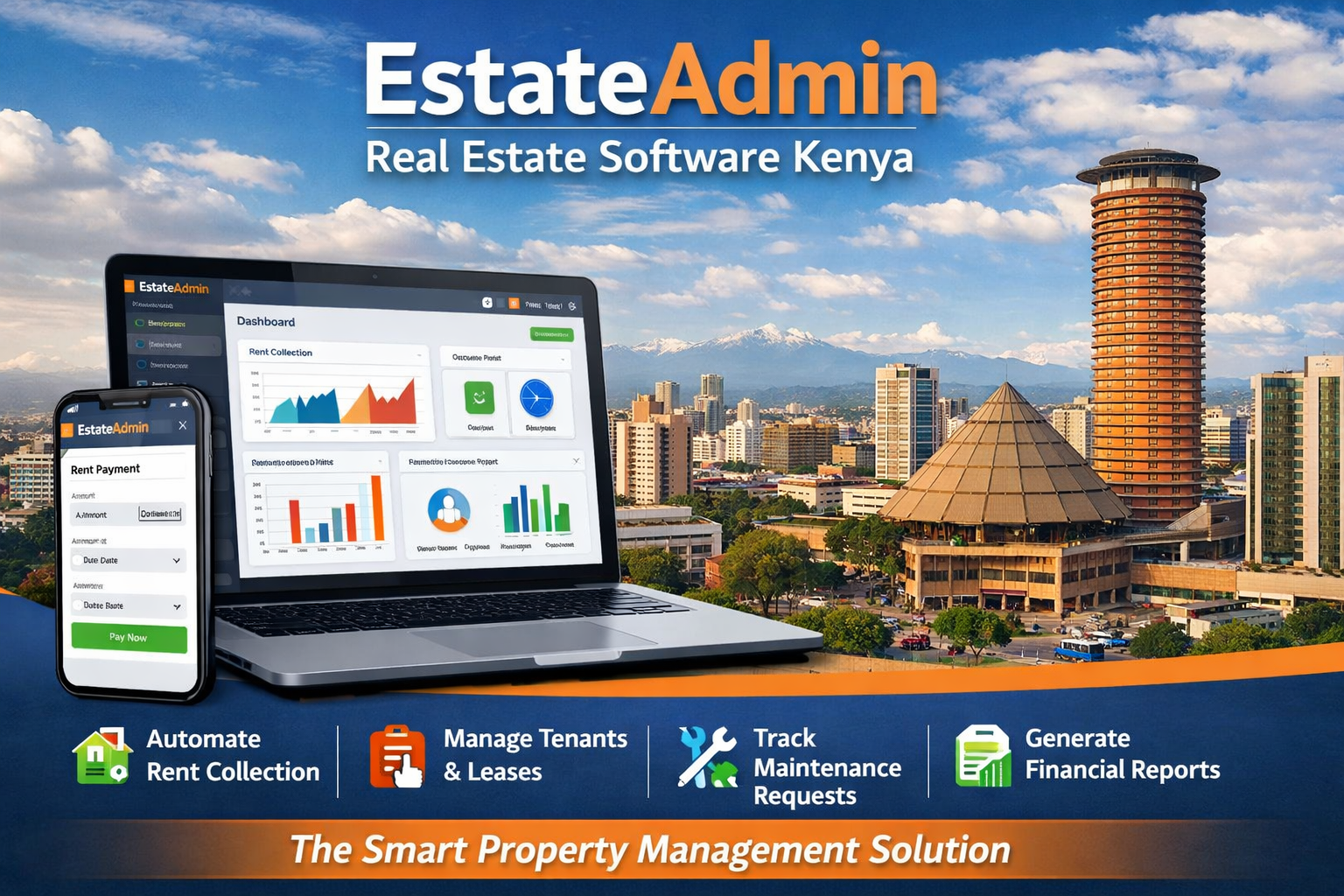
Property Management System in Kenya: The Complete Guide for Landlords and Real Estate Companies
The real estate industry in Nairobi and across Kenya has grown rapidly over the last decade. With the increase in residential apartments, commercial properties, and gated communities, managing properties manually has become increasingly difficult. This is where a property management system in Kenya becomes essential.
A property management system (PMS) is software designed to help landlords, property managers, and real estate companies efficiently manage rental properties, tenants, finances, and maintenance. In Kenya, many property owners are now adopting digital solutions to streamline operations, reduce administrative work, and improve profitability.
In this guide, we explore everything you need to know about property management systems in Kenya, including features, benefits, and how to choose the right system for your property business.
What is a Property Management System?
A property management system is a digital platform that helps real estate professionals manage day-to-day operations of rental properties. It replaces manual paperwork, spreadsheets, and physical record keeping with a centralized digital system.
These systems help automate tasks such as:
-
Rent collection
-
Tenant management
-
Maintenance tracking
-
Financial reporting
-
Lease management
-
Communication with tenants
Property management software is widely used by landlords managing apartments in Mombasa, commercial properties in Nakuru, and estates across Kisumu.
Why Property Management Systems Are Important in Kenya
The Kenyan real estate sector has expanded significantly due to urbanization and population growth. With increasing rental units and tenants, property owners need modern tools to manage their assets effectively.
Here are the main reasons why property management systems are becoming essential in Kenya.
1. Efficient Rent Collection
One of the biggest challenges landlords face is rent collection. A property management system can automate rent payments and integrate with mobile money platforms such as:
-
M-Pesa
-
Airtel Money
Tenants can pay rent digitally, while the system automatically records payments and generates receipts.
2. Centralized Property Management
A property management system allows landlords to manage multiple properties from one dashboard. Whether you own apartments in Thika or office buildings in Eldoret, everything can be monitored in one place.
This includes:
-
Tenant details
-
Lease agreements
-
Payment history
-
Maintenance requests
3. Better Financial Tracking
Manual accounting can lead to errors and lost records. Property management software helps track:
-
Rental income
-
Maintenance expenses
-
Utility payments
-
Financial reports
This improves transparency and helps property owners make better financial decisions.
4. Improved Tenant Management
Managing tenants manually can be time-consuming. A property management system helps you:
-
Store tenant profiles
-
Track lease agreements
-
Send automated rent reminders
-
Manage tenant communication
This improves relationships between landlords and tenants.
Key Features of a Property Management System in Kenya
Not all systems are the same. The best property management systems offer features specifically designed for the Kenyan real estate market.
Tenant and Lease Management
This feature allows property managers to:
-
Store tenant information
-
Track lease start and end dates
-
Manage rental agreements
-
Handle tenant onboarding
Automated Rent Invoicing
Property management software automatically generates rent invoices and sends reminders to tenants before due dates.
This reduces late payments and improves cash flow.
Maintenance Request Management
Tenants can report maintenance issues through the system. Property managers can then:
-
Assign maintenance tasks
-
Track repair progress
-
Monitor maintenance costs
Financial Reports and Analytics
Property owners can generate reports such as:
-
Monthly rental income
-
Outstanding rent balances
-
Expense reports
-
Profit and loss statements
These reports help landlords monitor the financial health of their properties.
Mobile Access
Many modern property management systems include mobile apps, allowing landlords and property managers to monitor properties anywhere in Kenya.
This is especially useful for property investors who own properties in multiple cities.
Benefits of Using a Property Management System in Kenya
Increased Efficiency
Automation eliminates repetitive administrative tasks, allowing property managers to focus on growing their property portfolio.
Reduced Human Errors
Digital systems reduce mistakes in rent records, tenant details, and financial data.
Better Communication
Property management software improves communication between landlords, tenants, and maintenance teams.
Improved Tenant Satisfaction
When tenants can easily report issues, receive reminders, and pay rent digitally, their overall experience improves.
Happy tenants are more likely to renew their leases.
Who Needs a Property Management System in Kenya?
Property management systems are useful for a wide range of professionals in the Kenyan real estate industry.
Landlords
Individual landlords managing multiple rental units benefit greatly from automated systems.
Real Estate Companies
Real estate firms managing multiple properties across Nairobi and other cities need advanced systems to handle complex operations.
Property Management Agencies
Professional property management companies use PMS platforms to manage hundreds of tenants and rental units efficiently.
Estate Developers
Developers managing gated communities and apartment complexes require systems to track residents, payments, and maintenance.
How to Choose the Best Property Management System in Kenya
Selecting the right system is critical for success. Consider the following factors when choosing a property management platform.
1. Mobile Money Integration
In Kenya, mobile money payments are essential. Choose a system that integrates with services like M-Pesa for seamless rent payments.
2. Ease of Use
The software should have a user-friendly interface that is easy for both property managers and tenants to use.
3. Customization
Different properties have different management needs. The system should allow customization of features, reports, and notifications.
4. Cloud-Based Access
Cloud-based systems allow property managers to access their data from anywhere using the internet.
5. Customer Support
Reliable customer support ensures that any issues with the system are resolved quickly.
Challenges Facing Property Management in Kenya
Despite the benefits of digital systems, property management in Kenya still faces several challenges.
Manual Management Systems
Many landlords still rely on notebooks and spreadsheets for property management.
Late Rent Payments
Late payments remain a common problem in rental properties.
Poor Record Keeping
Manual records can easily get lost or damaged.
Communication Gaps
Without digital platforms, communication between landlords and tenants can be inefficient.
The Future of Property Management Systems in Kenya
Technology adoption in the Kenyan real estate sector is increasing rapidly. As more landlords and property managers adopt digital solutions, property management systems will continue evolving.
Future trends may include:
-
AI-powered tenant screening
-
Automated lease management
-
Advanced analytics and forecasting
-
Smart building integrations
These innovations will make property management even more efficient and profitable.
Conclusion
A property management system in Kenya is no longer a luxury—it is a necessity for modern landlords and real estate companies. With the growing property market in cities like Nairobi, Mombasa, and Kisumu, managing properties manually can lead to inefficiencies and financial losses.
By adopting a reliable property management system, landlords can automate rent collection, improve tenant management, and gain valuable financial insights.
As Kenya’s real estate sector continues to grow, digital property management solutions will play a crucial role in helping property owners maximize efficiency and profitability.