
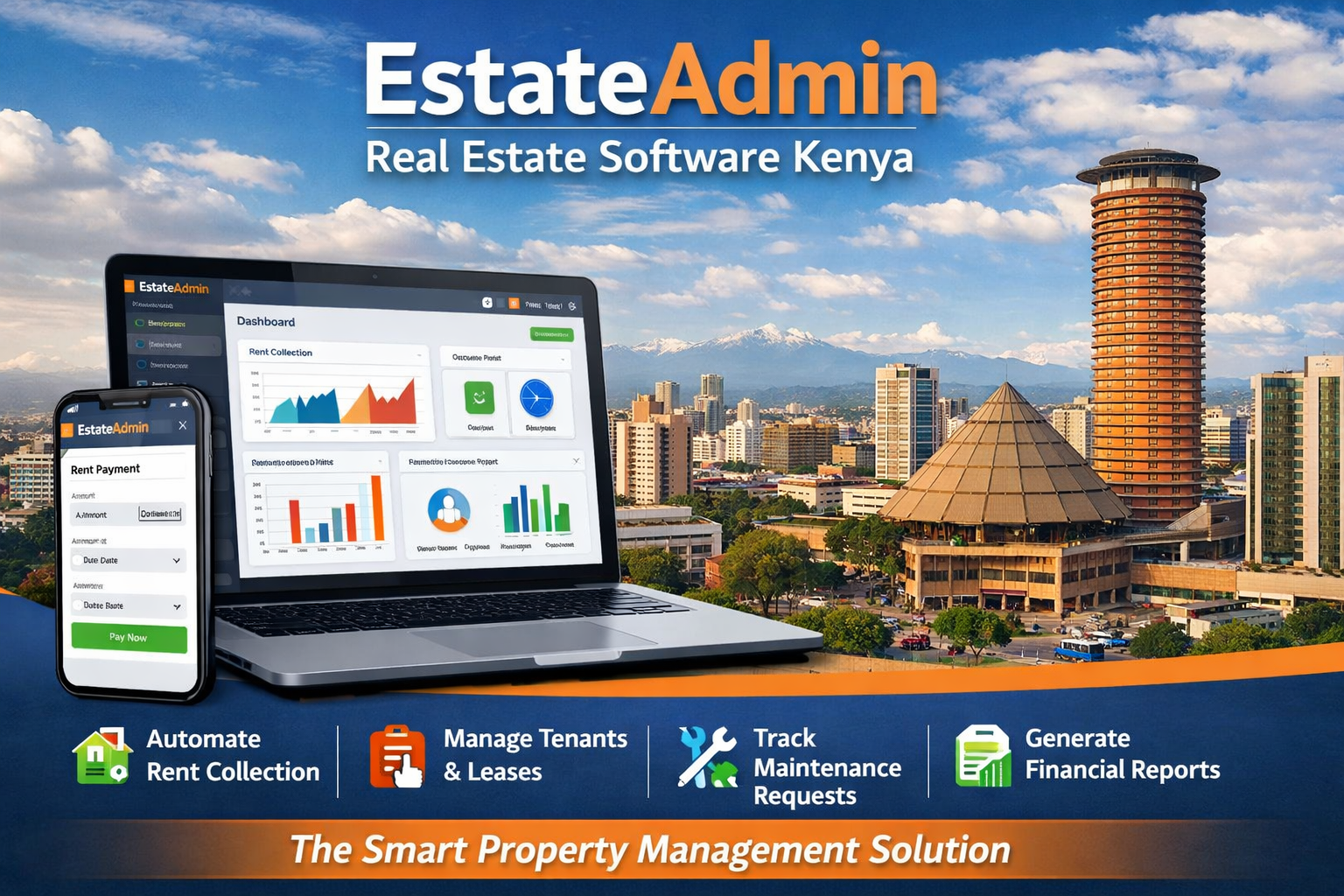
Landlord Accounting Software Kenya – The Ultimate Guide for Property Owners
If you’re a property owner or real estate investor in Kenya, managing finances can quickly become overwhelming. From tracking rent payments to calculating expenses, reconciling accounts and staying compliant with tax regulations — the workload is significant. Enter landlord accounting software Kenya: a powerful tool designed to streamline financial management for landlords and property managers.
This guide explores everything you need to know about landlord accounting software in Kenya — including key features, benefits, how it compares to traditional accounting, and how to choose the best solution for your rental business.
What Is Landlord Accounting Software?
Landlord accounting software is a specialized type of property management solution that helps landlords:
-
Track income and expenses
-
Generate financial reports
-
Reconcile accounts
-
Manage rent collection
-
Automate invoicing
-
Prepare tax returns
Unlike general accounting tools, landlord accounting software is tailored to the unique financial workflows of property owners. It combines accounting functions with property‑specific features such as tenant tracking, payment reminders, lease management, and maintenance logs.
In Kenya, the adoption of landlord accounting software is growing rapidly as landlords seek to reduce manual bookkeeping, ensure accuracy, and improve cash flow management.
Why Kenyan Landlords Need Accounting Software
Managing rental properties manually with spreadsheets or paper records is no longer efficient — especially as your portfolio grows. Here’s why many Kenyan property owners are switching to landlord accounting software:
1. Accuracy and Reliability
Manual bookkeeping is susceptible to errors. A small mistake in data entry can skew your financial records, lead to incorrect tax calculations, and affect your profitability. Software eliminates these risks through automated calculations.
2. Time Efficiency
Landlords spend hours updating spreadsheets, calculating rent arrears, and preparing financial reports. Accounting software automates these tasks, freeing up time for more strategic work — such as acquiring new properties or improving tenant relations.
3. Simplified Tax Compliance
Kenya’s tax environment can be complex, with multiple filings like income tax, rental income schedules, and VAT implications for some landlords. A dedicated landlord accounting solution simplifies tax preparation by generating compliant reports and summaries.
4. Improved Tenant Management
Modern software often integrates tenant data with financial records. This means rent payment histories, lease dates, and arrears tracking are automatically linked to accounting outputs.
5. Professional Financial Reporting
From profit‑and‑loss statements to cash‑flow summaries, landlord accounting software delivers professional reports that are crucial for audits, financial planning, or securing investment financing.
Key Features to Look for in Landlord Accounting Software Kenya
When selecting the right landlord accounting software for your Kenyan rental business, consider the following essential features:
1. Rent Collection and Tracking
A robust system allows landlords to:
-
Record rent payments quickly
-
Track payment status per tenant
-
Send automated reminders for overdue rent
This reduces arrears and improves cash flow predictability.
2. Expense Management
Expense tracking lets landlords record:
-
Repairs and maintenance costs
-
Utility payments
-
Property management fees
-
Insurance premiums
-
Other operational costs
This ensures accurate profit calculations and simplifies tax reporting.
3. Financial Reporting & Dashboards
Good accounting software should generate real‑time reports such as:
-
Income statements
-
Expense summaries
-
Cash flow reports
-
Accounts receivable aging reports
Visual dashboards make data easier to interpret.
4. Bank Reconciliation
Automatic reconciliation with Kenyan bank accounts helps you ensure that your ledger reflects actual cash movements. This is critical for accurate financial reporting.
5. Multi‑Property Support
If you manage more than one property — whether residential or commercial — choose software that supports multiple units and consolidated reporting.
6. Integration with Payment Platforms
The best solutions integrate with digital payment platforms used in Kenya (like M‑Pesa, bank transfers, or card payments), allowing easy rent collection and tracking.
7. Tax Compliance Tools
Landlord accounting software should help you prepare data for:
-
KRA income tax filings
-
Rental income schedules
-
VAT (if applicable)
This reduces the burden during tax season.
8. Mobile and Cloud Access
Cloud‑based landlord accounting software allows remote access from anywhere — ideal for landlords who travel or manage properties in different regions.
Benefits of Using Landlord Accounting Software in Kenya
Here are the top advantages Kenyan landlords can enjoy when they adopt dedicated accounting software:
1. Organized Financial Records
All financial transactions — rent, maintenance, expenses — are centralized in one system. This eliminates the risk of lost records and makes tracking easier.
2. Better Decision Making
With real‑time financial dashboards and analytics, landlords gain insights into profitability, cash flow trends, and tenant payment behavior. This helps in making informed business decisions.
3. Enhanced Professionalism
Professional invoices and timely rent collection improve tenant satisfaction and position your rental business as reliable and trustworthy.
4. Scalability
Whether you manage one house or hundreds of units, accounting software scales with your business. As your portfolio grows, your financial systems remain effective.
5. Reduced Costs
By automating bookkeeping tasks, landlords save on hiring external bookkeepers or accountants for routine reporting.
6. Audit Readiness
With digital records and organized financial documentation, landlords are always ready for audits or financial assessments — without scrambling through piles of paperwork.
How Landlord Accounting Software Compares to Generic Accounting Tools
Some landlords resort to using generic accounting software like QuickBooks, Sage, or Xero. While these tools are powerful, they are not optimized for rental property businesses.
| Feature | Generic Accounting Software | Landlord Accounting Software |
|---|---|---|
| Tenant Management | ❌ | ✔ |
| Lease Tracking | ❌ | ✔ |
| Rent Reminders | ❌ | ✔ |
| Property Expense Tracking | Partially | ✔ |
| Automated Lease Billing | ❌ | ✔ |
| Multi‑Unit Reporting | Limited | ✔ |
| Integration with Real Estate Workflows | ❌ | ✔ |
Landlord accounting systems are built specifically with the rental business in mind — meaning fewer workarounds, faster setup, and industry‑focused reports.
Popular Landlord Accounting Software Options for Kenyan Landlords
While global solutions exist, it’s best to choose software that works well with Kenyan financial systems and integrates with local payment options.
Here’s a breakdown of software types landlords in Kenya are increasingly using:
1. Cloud‑Based Property Management Platforms
These are all‑in‑one tools that combine accounting, lease management, tenant tracking, and reporting.
Properties Kenya landlords often look for include:
-
Rent tracking and reminders
-
Integrated M‑Pesa collection
-
Expense categorization
-
Financial dashboards
-
Bank reconciliation
Cloud solutions also offer mobile access and automated backups.
2. Local Accounting Software with Property Features
Some Kenyan accounting platforms have modules or custom setups tailored for landlords — making them a good choice if you want local support and KRA compatibility.
Features to evaluate include:
-
Tax compliance support
-
Local bank integrations
-
Currency and VAT options
-
Local invoicing templates
3. Global SaaS with Customization Options
International software can be adapted for Kenyan landlords provided it supports:
-
Customizable chart of accounts
-
Localization (currency, tax settings)
-
API or payment integration
Always ensure that the software can be configured for Kenya’s tax laws and digital payments.
Step‑by‑Step: How to Implement Landlord Accounting Software
If you’re ready to adopt a landlord accounting solution, follow these steps:
1. Define Your Requirements
Identify what your rental business needs:
-
Number of properties
-
Volume of transactions
-
Reports you need
-
Budget
-
Payment methods
This makes selection easier.
2. Evaluate Software Demos
Request free trials or demos. Test core functions like:
-
Rent collection workflows
-
Expense tracking
-
Reporting capabilities
-
Integration options
3. Prepare Your Existing Records
Before migrating:
-
Clean up your spreadsheets
-
Categorize expenses
-
Consolidate bank statements
Clean data yields accurate software onboarding.
4. Migrate Your Financial Data
Import tenants, leases, accounts, and financial history. Most modern systems offer easy import options.
5. Train Your Team
If you have property managers or accountants, ensure they understand how to use the software effectively.
6. Monitor and Improve
Regularly check software performance and adapt settings to meet changing business needs.
How Much Does Landlord Accounting Software Cost in Kenya?
Pricing varies depending on:
-
Number of properties
-
Feature set
-
Cloud vs. desktop
-
Support options
Typical pricing models include:
| Model | Pricing Style | Best For |
|---|---|---|
| Subscription (SaaS) | Monthly/Annual | Scalable landlords |
| One‑time License | Upfront payment | Small portfolios |
| Tiered Pricing | Per feature | Growing businesses |
Kenyan landlords often prefer cloud SaaS due to ongoing updates, remote access, and low upfront costs. Always check if the pricing includes:
-
Support
-
Training
-
Integrations
-
Data backups
Common Mistakes to Avoid When Choosing Landlord Accounting Software
To get the most value from your software solution, avoid these pitfalls:
Mistake #1: Choosing Based on Price Alone
Cheap systems may lack essential features like automated rent reminders or tax reporting.
Mistake #2: Ignoring Local Payment Integrations
Not integrating with M‑Pesa or bank payments can create manual workloads.
Mistake #3: Poor Data Migration Planning
Migrating unclean or disorganized data leads to confusion and inaccuracies.
Mistake #4: Skipping Staff Training
If your team doesn’t know how to use the software, efficiency gains are lost.
FAQs: Landlord Accounting Software Kenya
1. Is landlord accounting software expensive?
Costs vary, but many cloud‑based options are affordable and tailored specifically to property owners’ needs.
2. Can I use generic accounting tools like QuickBooks?
Yes, but they lack property‑specific features. Dedicated landlord software yields better productivity.
3. Does landlord accounting software handle KRA compliance?
Top software solutions include tax reporting tools or exports that align with Kenya Revenue Authority requirements.
4. Is cloud‑based software secure?
Reputable platforms employ encryption, regular backups, and access control measures to protect your data.
Final Thoughts — Transform Your Property Business Today
In today’s competitive rental market, adopting landlord accounting software Kenya isn’t just a convenience — it’s a strategic advantage. Whether you manage one house or a large portfolio, the right software can:
-
Improve cash flow
-
Enhance tenant experiences
-
Automate tedious tasks
-
Strengthen financial control
By choosing a solution that integrates with Kenyan payments and tax systems, you set your rental business up for efficiency and profitability.