
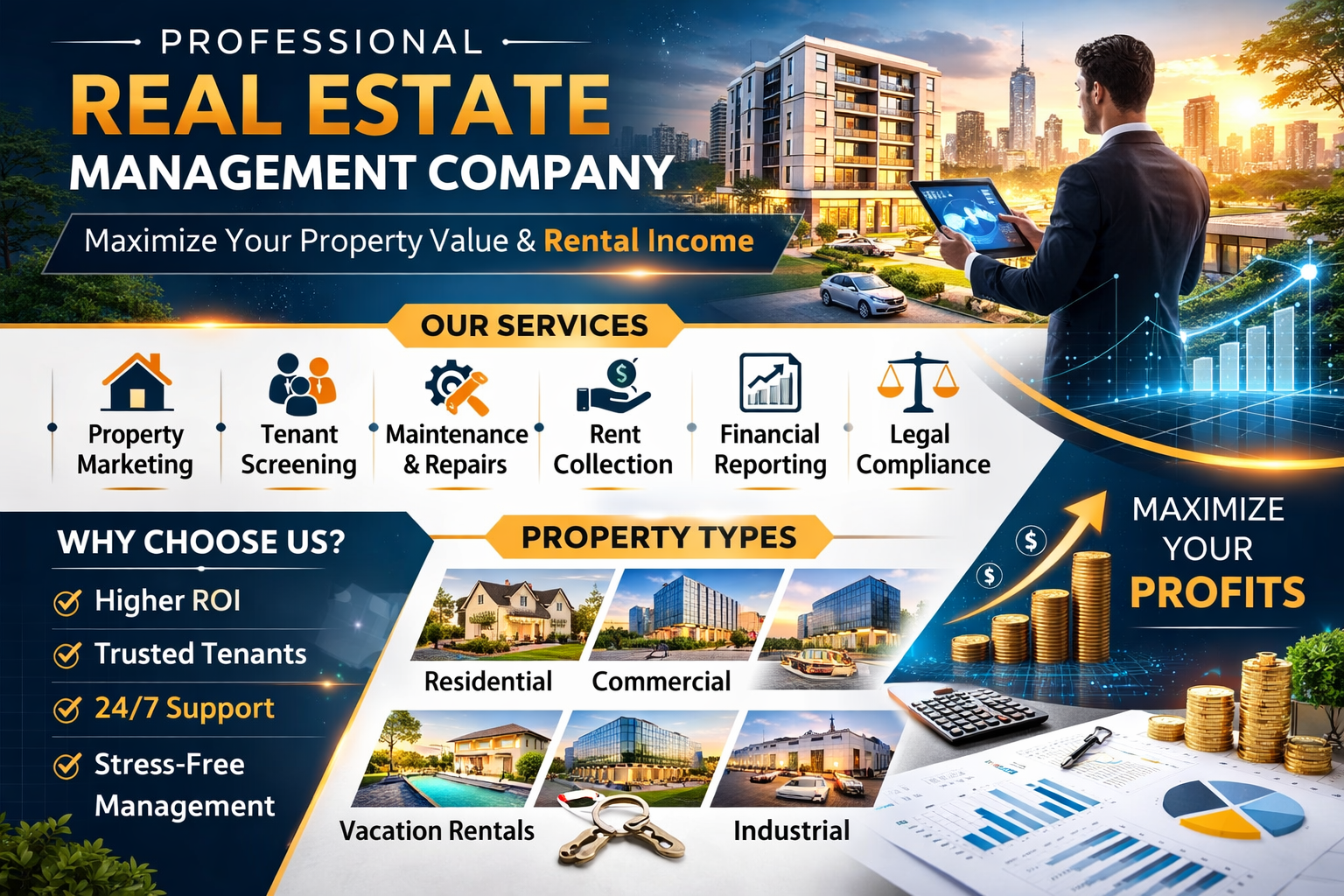
Real Estate Management Tools: Revolutionizing Property Management
Managing properties can be overwhelming, whether you’re a landlord, real estate agent, or property manager. From tenant communications to rent collection, maintenance requests, and financial tracking, staying organized is critical. This is where real estate management tools come in, helping professionals streamline operations and improve efficiency.
Why Real Estate Management Tools Are Essential
-
Centralized Property Management
Modern tools allow you to manage multiple properties from a single dashboard. Track tenant leases, rental payments, and maintenance requests all in one place. -
Automated Rent Collection
Forget chasing late payments. Automated payment systems ensure timely rent collection and reduce administrative stress. -
Tenant Communication Made Easy
Built-in messaging features keep tenants informed about maintenance schedules, lease renewals, and important announcements. -
Maintenance Tracking
Schedule, monitor, and track maintenance requests to ensure properties remain in top condition and tenants stay satisfied. -
Financial Reporting & Analytics
Generate financial reports quickly, track expenses, and analyze rental income to make data-driven decisions.
Top Features to Look for in Real Estate Management Tools
-
Cloud-Based Access: Manage your properties from anywhere, anytime.
-
Mobile App Integration: Stay connected with tenants and staff on the go.
-
Document Management: Store leases, contracts, and receipts securely.
-
Customizable Dashboards: Tailor the interface to highlight what matters most.
-
Automated Alerts & Reminders: Never miss a lease renewal or maintenance task.
Benefits of Using Real Estate Management Tools
-
Time-Saving: Reduce administrative tasks and focus on growth.
-
Improved Accuracy: Minimize errors in financial tracking and tenant management.
-
Enhanced Tenant Experience: Keep tenants happy with prompt responses and organized communication.
-
Scalability: Easily manage more properties as your portfolio grows.
Conclusion
Investing in real estate management tools is no longer optional for property professionals—it’s a necessity. The right software solution can save time, improve efficiency, and increase profitability. Whether you’re managing a single property or an extensive portfolio, these tools provide the structure and automation needed to succeed in today’s competitive real estate market.
Types of Real Estate Management Tools
-
Property Management Software
This is the backbone of real estate management. Software like online dashboards and CRMs help landlords and property managers track leases, tenant histories, payments, and maintenance schedules efficiently. -
Tenant Screening Tools
Screening tools allow you to perform background checks, credit checks, and rental history verification before approving tenants. This minimizes risks and ensures reliable tenants. -
Accounting & Financial Tools
Real estate accounting tools help track income, expenses, taxes, and generate automated financial reports. Integration with rent collection platforms ensures smoother cash flow management. -
Maintenance Management Tools
These tools schedule repairs, track service requests, and manage vendor communication, ensuring property upkeep is timely and cost-effective. -
Marketing & Listing Tools
Real estate marketing platforms help post property listings across multiple channels, manage leads, and track tenant inquiries, boosting occupancy rates.
How to Choose the Best Real Estate Management Tools
-
Assess Your Needs: Do you need tenant management, accounting, maintenance tracking, or all-in-one software?
-
Ease of Use: Choose intuitive platforms that require minimal training.
-
Integration Capabilities: Ensure the tool can integrate with accounting software, payment gateways, or CRM systems you already use.
-
Cost vs. Value: Compare pricing plans with the features offered to ensure ROI.
-
Customer Support: Opt for platforms with responsive support and tutorials.
Long-Term Advantages of Real Estate Management Tools
-
Reduced Operational Costs
Automation decreases the need for manual labor, lowering administrative overhead. -
Better Decision-Making
Access to real-time analytics allows property managers to make informed decisions about rent pricing, maintenance, and investments. -
Enhanced Compliance
Keep track of lease agreements, local property laws, and tenant rights with compliance-focused features. -
Portfolio Growth
Scalable solutions allow you to manage more properties without increasing administrative burdens.
Recommended Real Estate Management Tools for 2026
-
Buildium – All-in-one property management software for landlords and property managers.
-
AppFolio Property Manager – Cloud-based platform with tenant communication and accounting features.
-
Propertyware – Flexible tools for small to mid-sized property portfolios.
-
TenantCloud – Affordable option with online rent collection and maintenance tracking.
-
Rentec Direct – Focused on financial reporting and tenant management.
Final Thoughts
Adopting the right real estate management tools is essential to modern property management. They simplify everyday tasks, reduce errors, and provide actionable insights, enabling property professionals to focus on growing their portfolio and increasing profitability. In today’s competitive real estate market, leveraging these tools isn’t just convenient—it’s strategic.