Introduction
Managing a residential estate can be complex, especially when handling multiple tenants, maintenance requests, billing, and security. A Residential Estate Management System provides a centralized platform to simplify these tasks. From small estates to large gated communities, this system ensures seamless management and improved tenant satisfaction.
What is a Residential Estate Management System?
A Residential Estate Management System is software designed for property managers and estate administrators to efficiently oversee the operations of residential estates. It consolidates essential functions like:
-
Tenant management and communication
-
Automated rent collection and invoicing
-
Maintenance and facility tracking
-
Security monitoring
-
Reporting and analytics
By integrating all these features, estate managers can reduce manual workloads, prevent errors, and maintain high-quality living standards for residents.
Key Features of a Residential Estate Management System
-
Tenant & Lease Management
Track all tenant information, lease agreements, and rental histories in one secure system. -
Automated Billing & Payments
Generate invoices, manage online payments, and send payment reminders to tenants. -
Maintenance Requests & Tracking
Enable residents to submit maintenance requests and monitor progress until completion. -
Visitor & Security Management
Keep records of visitors, monitor security personnel, and integrate access control systems. -
Real-Time Reporting & Analytics
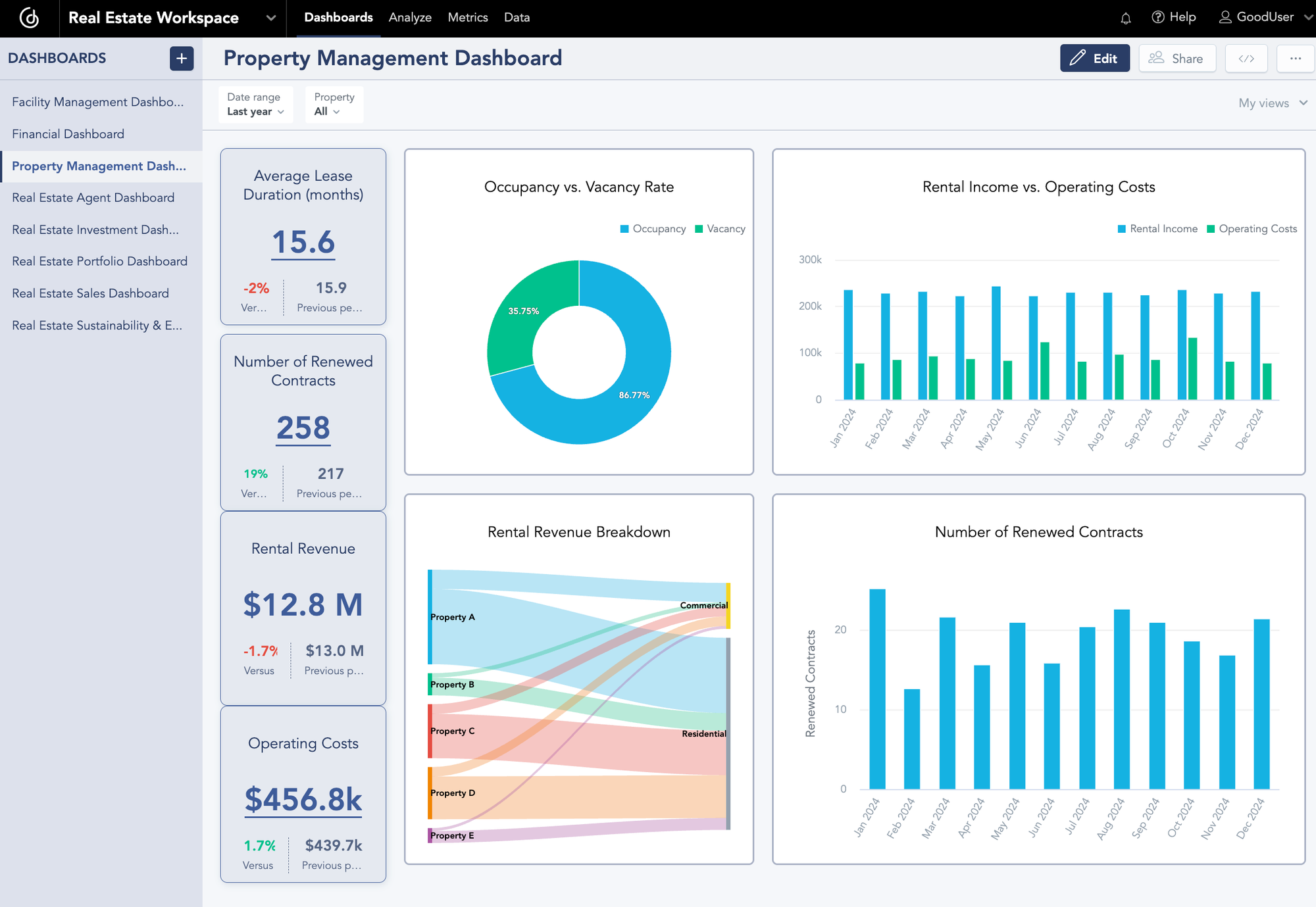
Gain insights into occupancy rates, payment trends, and estate performance with detailed reports. -
Mobile Access & Notifications
Manage estate operations remotely and notify residents of updates or emergencies instantly.
Benefits of Using a Residential Estate Management System
-
Time Efficiency: Automates repetitive tasks like billing and tenant follow-ups.
-
Enhanced Communication: Residents receive instant updates, improving satisfaction.
-
Financial Accuracy: Minimizes errors in accounting and payment tracking.
-
Improved Security: Monitors visitor access and ensures a safe environment.
-
Centralized Management: All estate operations are accessible from a single dashboard.
Why Your Estate Needs a Residential Estate Management System
Modern residential estates face growing challenges as they expand. Manual record-keeping and fragmented management lead to inefficiency, errors, and poor resident experience. Implementing a Residential Estate Management System ensures:
-
Reduced operational costs
-
Transparent financial management
-
Efficient maintenance handling
-
Better security and emergency response
With these advantages, property managers can focus on growth while maintaining high resident satisfaction.
Conclusion
A Residential Estate Management System is no longer a luxury; it’s a necessity for professional estate administration. Whether you manage a small apartment complex or a large gated community, investing in this software will streamline operations, reduce costs, and elevate resident experience.
Upgrade your estate management today and experience the benefits of a smarter, automated system.
Suggested SEO Image
-
Image Concept: A modern residential estate with digital overlays showing tenant management dashboards, maintenance alerts, and automated billing notifications.
-
Alt Text: Residential Estate Management System dashboard for property operations
Introduction
Managing residential estates can be overwhelming. From handling tenants, billing, and maintenance to ensuring security and regulatory compliance, estate administrators face numerous challenges. A Residential Estate Management System simplifies these processes by providing a centralized platform to manage all aspects of estate operations efficiently.
With modern estates growing larger and more complex, relying on manual methods can lead to errors, delays, and dissatisfied residents. Investing in a dedicated management system enhances operational efficiency and ensures smooth day-to-day operations.
What is a Residential Estate Management System?
A Residential Estate Management System (REMS) is software designed to streamline the management of residential estates, apartments, gated communities, and housing complexes. It provides property managers with tools to handle tenant information, financial management, maintenance requests, security, and reporting from a single dashboard.
Key purposes of a REMS include:
-
Centralized Management: One platform for tenants, staff, and administrators.
-
Automation: Automatic billing, reminders, and reports reduce manual work.
-
Transparency: Accurate record-keeping for financial, maintenance, and security operations.
By consolidating these functions, property managers can improve efficiency, reduce operational costs, and enhance tenant satisfaction.
Essential Features of a Residential Estate Management System
1. Tenant Management
Keep detailed records of tenants, including lease agreements, contact information, and payment histories. This feature ensures smooth communication and timely rent collection.
2. Automated Billing and Payments
Generate invoices, track payments, and send automated reminders. Online payment integration makes it convenient for tenants to pay rent and other fees on time.
3. Maintenance Tracking
Residents can submit maintenance requests through the system, which administrators can assign to staff and track until resolution. This improves response times and ensures accountability.
4. Security and Access Control
Monitor entry and exit of visitors, manage security personnel, and integrate with gate access systems. A secure estate builds resident trust and ensures safety.
5. Reporting and Analytics
Generate real-time reports on occupancy rates, rental income, maintenance requests, and other key metrics. Data-driven insights allow administrators to make informed decisions.
6. Communication Tools
Send notifications, announcements, and updates to residents through SMS, email, or mobile app. Enhanced communication keeps residents informed and satisfied.
7. Mobile-Friendly Interface
Administrators and residents can access the system from anywhere, making it easier to manage operations on-the-go.
Benefits of a Residential Estate Management System
Implementing a Residential Estate Management System provides numerous advantages:
-
Operational Efficiency: Automates repetitive tasks, freeing up time for administrators.
-
Financial Accuracy: Reduces errors in accounting and ensures timely rent collection.
-
Improved Security: Monitors estate access and visitor logs for a safer environment.
-
Resident Satisfaction: Faster responses to maintenance requests and better communication.
-
Scalable Management: Easily manage growing estates without additional staff.
How REMS Improves Estate Management
Simplifying Billing and Financial Operations
Manual billing can be error-prone and time-consuming. REMS automates invoicing, tracks payments, and generates financial reports, helping administrators maintain financial integrity.
Enhancing Maintenance and Facility Management
With multiple facilities in an estate, managing maintenance manually is challenging. REMS allows residents to submit requests digitally, track progress, and notify staff automatically.
Ensuring Security and Compliance
Gated communities require proper visitor management and security monitoring. REMS integrates security protocols, logs visitor entries, and monitors compliance with estate regulations.
Boosting Resident Engagement
Timely notifications, community announcements, and access to digital platforms enhance resident experience and foster a sense of community.
Choosing the Right Residential Estate Management System
When selecting a Residential Estate Management System, consider the following:
-
Ease of Use: The system should have an intuitive interface for both staff and residents.
-
Customization: Ability to tailor features to estate-specific needs.
-
Integration: Compatibility with accounting software, security systems, and mobile apps.
-
Support & Updates: Reliable customer support and regular software updates.
-
Scalability: Ability to handle a growing number of tenants and properties.
Choosing the right system ensures long-term benefits and smoother estate operations.
Future Trends in Residential Estate Management
-
AI-Powered Management: Artificial intelligence for predictive maintenance and data-driven decision-making.
-
IoT Integration: Smart home devices integrated with estate management for energy efficiency and security.
-
Mobile-First Solutions: Mobile apps for tenants and administrators for real-time management.
-
Cloud-Based Platforms: Secure, remote access with automatic backups and scalability.
Staying updated with these trends ensures your estate remains modern and efficiently managed.
Conclusion
A Residential Estate Management System is an essential tool for modern estate administrators. By automating billing, maintenance, and security, it reduces operational burdens, enhances resident satisfaction, and improves overall estate efficiency. Investing in a reliable REMS helps property managers focus on growth, community engagement, and long-term success.
Upgrade to a Residential Estate Management System today and transform your estate management into a streamlined, professional operation.
-