
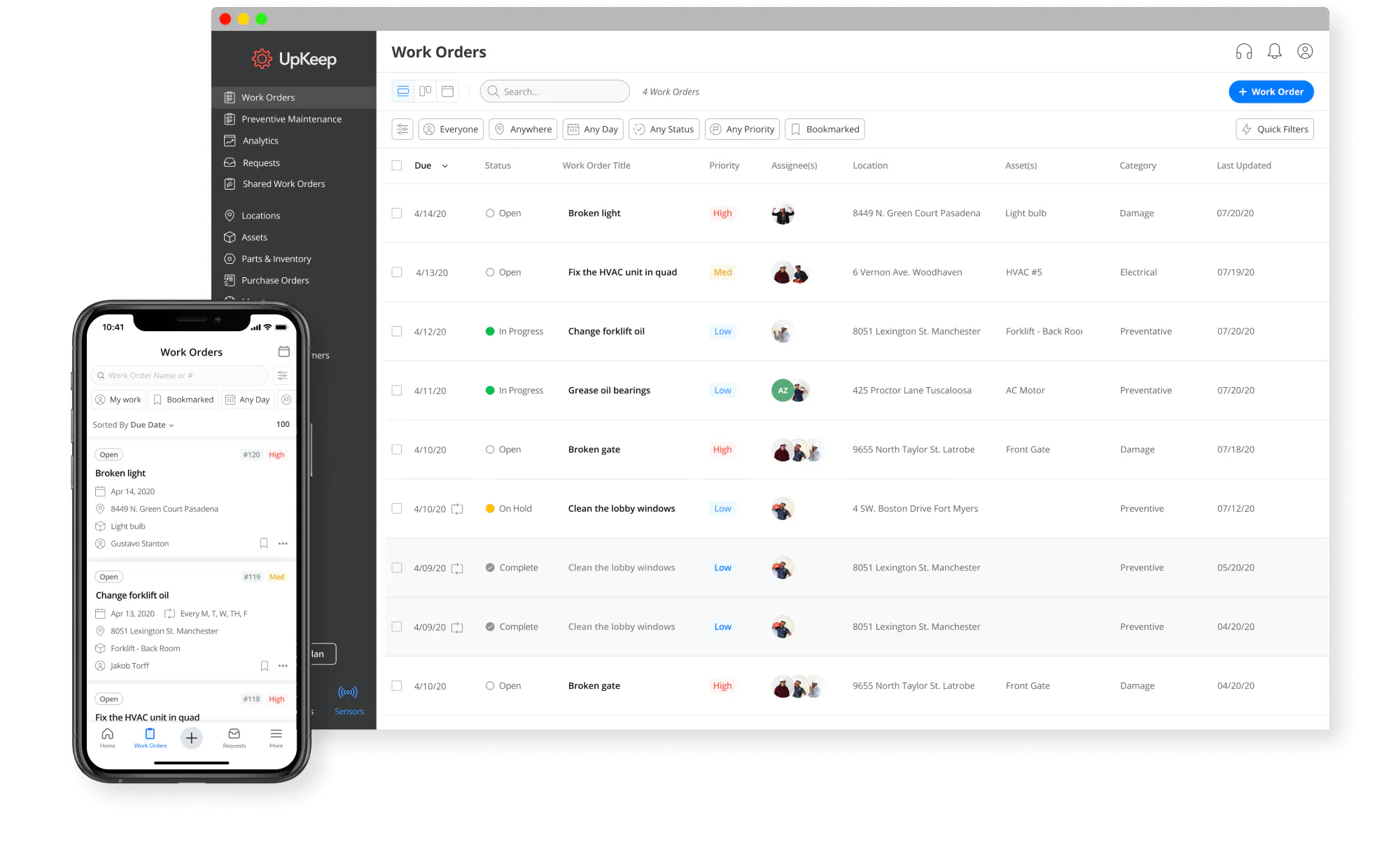
Property Service Tracker: The Ultimate Solution for Efficient Property Management
Managing multiple properties can be challenging, especially when it comes to tracking maintenance, repairs, and service requests. A Property Service Tracker simplifies this process, ensuring that property owners, managers, and tenants stay informed and organized. Whether you manage residential, commercial, or multi-unit properties, having a centralized system to monitor all property services is essential.
What is a Property Service Tracker?
A Property Service Tracker is a digital tool designed to log, monitor, and manage all maintenance and service-related activities for properties. It provides a central platform to:
-
Track ongoing and completed maintenance tasks
-
Schedule regular inspections and preventive maintenance
-
Assign tasks to property staff or service providers
-
Generate reports for performance, costs, and tenant feedback
This tool replaces cumbersome spreadsheets and manual tracking methods, allowing property managers to operate more efficiently.
Key Features of a Property Service Tracker
-
Centralized Task Management
All service requests, maintenance schedules, and repairs can be monitored from one dashboard. Property managers can see the status of every task in real-time. -
Automated Notifications
Tenants and service teams receive reminders for upcoming maintenance, reducing delays and missed appointments. -
Service History Logging
Keep a detailed history of all repairs and maintenance for each property. This makes budgeting, inspections, and audits easier. -
Multi-Property Support
Manage several properties simultaneously, ideal for property management companies or landlords with multiple units. -
Tenant Communication Integration
Tenants can submit service requests directly through a portal, ensuring requests are captured and tracked efficiently.
Benefits of Using a Property Service Tracker
-
Improved Efficiency: Automates service tracking, reducing time spent on manual updates.
-
Cost Savings: Preventive maintenance scheduling reduces costly emergency repairs.
-
Enhanced Tenant Satisfaction: Quick response to service requests improves tenant retention.
-
Transparency: Managers and tenants can track progress in real-time, minimizing confusion.
-
Data-Driven Insights: Reports and analytics help optimize property operations and budget planning.
Who Should Use a Property Service Tracker?
-
Property Managers: Streamline daily operations and manage maintenance across multiple properties.
-
Landlords: Gain full visibility over service tasks and tenant requests.
-
Facilities Management Teams: Coordinate repairs and preventive maintenance efficiently.
-
Tenants: Submit service requests easily and track progress without delays.
Choosing the Right Property Service Tracker
When selecting a Property Service Tracker, consider the following factors:
-
User-Friendly Interface: Ensure the dashboard is intuitive for both managers and tenants.
-
Customizable Alerts & Notifications: Adapt reminders and alerts to your workflow.
-
Integration Capabilities: Connect with other property management tools or accounting software.
-
Mobile Accessibility: Manage services on-the-go with mobile apps.
-
Reporting & Analytics: Access insights to improve operational efficiency.
Conclusion
A Property Service Tracker is a must-have for modern property management. It simplifies service monitoring, improves tenant satisfaction, and provides actionable insights for property owners. By adopting a digital service tracking system, property managers can ensure timely maintenance, reduce costs, and maintain a high standard of property care.
Property Service Tracker: Your Complete Guide to Efficient Property Maintenance
Managing properties—whether residential, commercial, or multi-unit—comes with its own set of challenges. From tracking maintenance requests to ensuring timely repairs, property managers often struggle to keep everything organized. This is where a Property Service Tracker becomes an invaluable tool. By centralizing all service-related tasks, it helps property owners and managers save time, reduce costs, and improve tenant satisfaction.
Why You Need a Property Service Tracker
In traditional property management, tracking maintenance requests often involves paper logs, spreadsheets, or multiple communication channels. This approach can lead to missed tasks, delayed repairs, and frustrated tenants.
A Property Service Tracker offers a streamlined solution by providing:
-
Centralized tracking of all maintenance tasks
-
Real-time updates for tenants and service staff
-
Automated reminders for preventive maintenance
-
Detailed service history for audits and budgeting
By digitizing maintenance management, property managers can focus on improving tenant experience and operational efficiency rather than chasing updates.
Core Features of a Property Service Tracker
-
Maintenance Request Management
Tenants can submit service requests directly through a portal or mobile app. Each request is logged, prioritized, and assigned to the relevant team or contractor. -
Task Scheduling & Calendar Integration
Schedule routine maintenance, inspections, and repairs with automated reminders to ensure nothing falls through the cracks. -
Real-Time Progress Tracking
Managers and tenants can monitor the status of each task—from submission to completion—reducing miscommunication. -
Reporting & Analytics
Generate detailed reports on maintenance trends, costs, and contractor performance. This data is crucial for budgeting and improving property operations. -
Multi-Property Management
Ideal for property management companies or landlords with multiple properties, a tracker consolidates all property service data in one dashboard. -
Mobile Accessibility
A mobile-friendly tracker allows property managers to manage service requests on the go, improving responsiveness.
Top Benefits of Using a Property Service Tracker
1. Enhanced Efficiency
Automating maintenance tracking eliminates the need for manual updates and phone calls. Property managers can quickly assign tasks and monitor progress without wasting time.
2. Reduced Operational Costs
Preventive maintenance scheduling helps avoid costly emergency repairs. By keeping service records, managers can identify recurring issues and reduce maintenance expenses over time.
3. Improved Tenant Satisfaction
A faster response to service requests and transparent progress tracking increases tenant trust and retention.
4. Better Decision Making
Data collected through a property service tracker helps managers identify patterns, allocate resources efficiently, and plan budgets effectively.
5. Accountability & Transparency
Every service task is logged with timestamps, responsible personnel, and completion status, ensuring accountability for all maintenance activities.
Who Should Use a Property Service Tracker?
-
Property Managers: Streamline operations across multiple properties.
-
Landlords: Monitor service requests and maintain a clear overview of property maintenance.
-
Facilities Management Teams: Coordinate repairs, preventive maintenance, and inspections efficiently.
-
Tenants: Submit and track service requests easily without confusion or delays.
Choosing the Right Property Service Tracker
Not all property service trackers are created equal. Consider the following when selecting one:
-
Ease of Use: A user-friendly interface is critical for both managers and tenants.
-
Customizable Alerts: Notifications should align with your workflow and tenant communication preferences.
-
Integration: Ensure compatibility with accounting, tenant management, or CRM software.
-
Mobile Access: Property managers and tenants should be able to submit and track requests via mobile devices.
-
Comprehensive Reporting: Detailed analytics and reports help track performance, costs, and recurring maintenance issues.
How a Property Service Tracker Improves Property Operations
-
Streamlined Communication: Eliminates back-and-forth emails or phone calls by centralizing requests and updates.
-
Proactive Maintenance: Preventive scheduling reduces emergency repairs and extends the lifespan of property assets.
-
Faster Response Times: Tenants see faster resolution of issues, which improves satisfaction and loyalty.
-
Cost Tracking: Detailed service logs provide insights into recurring maintenance costs and contractor performance.
-
Regulatory Compliance: Maintaining service records helps with inspections and legal compliance.
Integrating a Property Service Tracker with Other Systems
Modern property service trackers can integrate with:
-
Tenant portals: Allow tenants to submit requests and track status.
-
Accounting software: Automatically log service costs and payments.
-
Work order systems: Assign and monitor contractors and staff efficiently.
-
Smart property dashboards: Track maintenance alongside utilities, occupancy, and other property metrics.
Integration ensures seamless workflows and provides a holistic view of property management operations.
Tips for Maximizing Your Property Service Tracker
-
Prioritize Requests: Categorize tasks as urgent, regular, or preventive to manage resources efficiently.
-
Track Contractor Performance: Monitor completion times and quality to select the best service providers.
-
Automate Reminders: Set automated notifications for tenants and staff to reduce missed deadlines.
-
Use Analytics for Budgeting: Analyze recurring issues to forecast maintenance budgets accurately.
-
Keep Service History Updated: A complete record improves accountability and simplifies audits.
Frequently Asked Questions (FAQs)
Q1: What types of properties can benefit from a Property Service Tracker?
A: Residential, commercial, multi-unit, and mixed-use properties all benefit from centralized service tracking.
Q2: Can tenants submit service requests directly?
A: Yes, most modern trackers include tenant portals or mobile apps for direct request submission.
Q3: How does a tracker improve tenant satisfaction?
A: By providing transparent updates, faster responses, and reliable service management.
Q4: Is a Property Service Tracker suitable for small landlords?
A: Absolutely. Even landlords with a few units can benefit from organized service tracking and maintenance records.
Q5: Can I integrate the tracker with my accounting system?
A: Most property service trackers offer integration with accounting, CRM, or property management platforms for seamless operations.
Conclusion
A Property Service Tracker is no longer a luxury—it’s a necessity for modern property management. It simplifies maintenance tracking, reduces costs, enhances tenant satisfaction, and provides data-driven insights for better decision-making. Whether you manage a single building or an entire portfolio, implementing a digital property service tracker ensures that maintenance and service tasks are handled efficiently and professionally.