
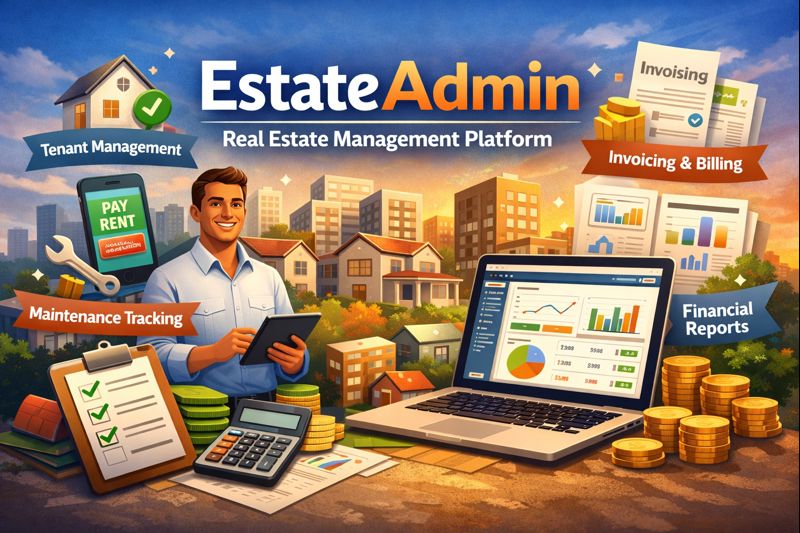
Introduction: Why Property Management Systems Are Growing in Kenya
The demand for a reliable property management system in Kenya has grown rapidly as real estate investments expand across Nairobi, Mombasa, Kisumu, Eldoret, and other towns. From apartments and rentals to commercial buildings and gated estates, landlords and property managers are now embracing digital solutions to simplify operations.
Managing properties manually using notebooks, spreadsheets, or paperwork often leads to errors, delayed rent collection, and poor tenant communication. A modern property management system solves these challenges by automating daily tasks and giving landlords full control over their properties.
Whether you manage a single rental apartment or a large real estate portfolio, using a property management system in Kenya can help you save time, increase revenue, and improve tenant satisfaction.
What is a Property Management System?
A property management system in Kenya is software designed to help landlords, real estate agents, and property managers manage rental properties efficiently. It allows users to handle rent collection, tenant management, maintenance requests, financial reporting, and communication in one centralized platform.
In Kenya, property management systems are becoming essential for:
-
Landlords with multiple rental units
-
Real estate companies
-
Property management firms
-
Estate managers
-
Airbnb and short-term rental hosts
With internet access and mobile money integration like M-Pesa, these systems make managing properties easier than ever.
Key Features of a Property Management System in Kenya
When choosing a property management system in Kenya , it’s important to look for features that match local market needs.
1. Rent Collection and Payment Tracking
Automated rent collection is one of the biggest benefits. Many Kenyan property management systems integrate with:
-
M-Pesa
-
Airtel Money
-
Bank payments
-
Online payment gateways
This allows tenants to pay rent digitally while landlords receive instant notifications and automated receipts.
2. Tenant Management
A good system allows you to:
-
Store tenant details
-
Track lease agreements
-
Monitor payment history
-
Send rent reminders
-
Manage tenant communication
This helps reduce disputes and ensures proper record keeping.
3. Financial Reporting
Property owners need accurate financial reports. A property management system provides:
-
Income and expense tracking
-
Rent collection reports
-
Profit and loss statements
-
Owner statements
-
Tax-ready financial summaries
This makes accounting and auditing easier.
4. Maintenance Management
Tenants can submit maintenance requests through the system, and property managers can:
-
Assign technicians
-
Track repairs
-
Monitor maintenance costs
-
Update tenants on progress
This improves efficiency and tenant satisfaction.
5. Vacancy and Listing Management
Some advanced systems allow you to:
-
List vacant properties online
-
Manage property photos and details
-
Track inquiries
-
Screen tenants
This reduces vacancy time and speeds up occupancy.
6. Mobile Access
Most modern property management systems in Kenya are cloud-based, allowing access via:
-
Mobile phone
-
Tablet
-
Laptop
-
Desktop
Landlords can monitor properties anytime, anywhere.
Benefits of Using a Property Management System in Kenya
Improved Efficiency
Manual property management can be time-consuming. Automation reduces paperwork and repetitive tasks, allowing property managers to focus on growth.
Faster Rent Collection
With mobile money integration, tenants can pay rent instantly. Automated reminders also reduce late payments.
Better Financial Control
Real-time financial reports help landlords track income and expenses accurately. This improves budgeting and decision-making.
Enhanced Tenant Experience
Tenants can:
-
Pay rent online
-
Receive digital receipts
-
Submit maintenance requests
-
Communicate easily with management
Happy tenants are more likely to renew leases.
Scalability
A property management system allows you to manage more properties without increasing workload. Whether you own 5 units or 500, the system grows with your business.
Who Needs a Property Management System in Kenya?
Individual Landlords
If you own rental apartments, bedsitters, or commercial spaces, a property management system helps you track rent and tenants easily.
Real Estate Companies
Real estate firms managing multiple properties can automate operations and provide better reporting to property owners.
Estate Managers
Gated communities and estates require systems to manage:
-
Service charges
-
Security payments
-
Maintenance
-
Resident communication
Airbnb and Short-Term Rentals
Property management systems help short-term rental hosts manage bookings, payments, and guest communication.
How to Choose the Best Property Management System in Kenya
When selecting a system, consider the following:
Ease of Use
Choose software with a simple dashboard and user-friendly interface.
Local Payment Integration
Ensure it supports M-Pesa and local banks for seamless rent collection.
Cloud-Based Access
Cloud systems allow remote access and automatic data backup.
Customer Support
Reliable support ensures quick assistance when needed.
Pricing
Compare subscription plans and choose one that fits your budget and property size.
Cost of Property Management Systems in Kenya
The cost varies depending on features and number of units managed.
Typical pricing models include:
-
Monthly subscription
-
Per-unit pricing
-
One-time setup fees
-
Custom enterprise packages
Small landlords may pay affordable monthly fees, while large property firms may invest in advanced systems with custom features.
Future of property management system in Kenya
The Kenyan real estate sector continues to grow, and technology adoption is increasing. Future trends in property management systems include:
-
AI-powered analytics
-
Smart building integration
-
Automated tenant screening
-
Advanced mobile apps
-
Integration with smart locks and IoT devices
As digital transformation accelerates, using a property management system will become standard practice for landlords and property managers.
Conclusion
Investing in a property management system in Kenya is no longer optional for serious landlords and real estate companies. With automation, digital payments, and real-time reporting, these systems simplify property management and improve profitability.
Whether you manage residential apartments, commercial buildings, or multiple estates, a modern property management system helps you stay organized, collect rent faster, and deliver better service to tenants.
If you want to grow your real estate business and stay competitive in Kenya’s evolving property market, adopting a reliable property management system is the smartest move you can make today.