
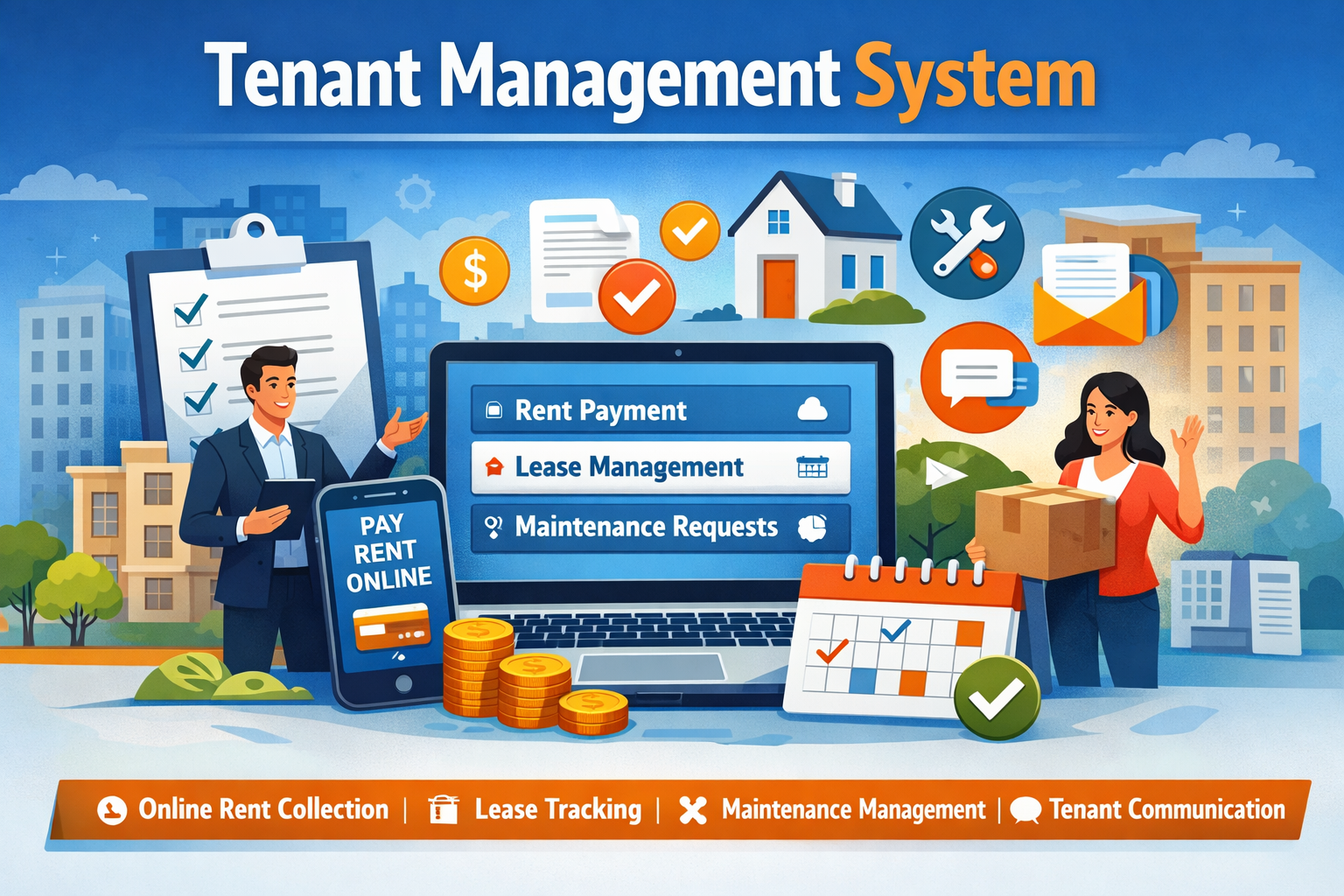
Tenant Management Platform: The Smart Solution for Modern Property Management
Managing tenants can be one of the most demanding tasks for landlords, property managers, and real estate companies. From rent collection and lease tracking to communication and maintenance requests, handling everything manually can quickly become stressful and inefficient.
That’s where a tenant management platform comes in.
A tenant management platform is a modern digital tool designed to simplify and automate tenant-related operations, helping property owners save time, improve tenant satisfaction, and maximize rental income.
In this guide, we’ll explore what a tenant management platform is, its key features, benefits, and why it is essential for successful property management today.
What Is a Tenant Management Platform?
A tenant management platform is a software solution that helps landlords and property managers manage tenant information, rent payments, lease agreements, communication, and property operations in one centralized system.
Instead of relying on spreadsheets, paper documents, or manual follow-ups, property owners can use a tenant management platform to streamline and automate daily tasks.
These platforms are commonly used for:
-
Residential rental properties
-
Apartment complexes
-
Commercial buildings
-
Multi-unit housing developments
-
Property management agencies
Why Tenant Management Platforms Are Becoming Essential
The rental market is evolving fast. Tenants now expect faster communication, digital payments, and efficient services.
At the same time, landlords need tools that reduce workload and ensure smooth operations.
A tenant management platform bridges the gap by offering a professional, organized, and scalable way to manage rental properties.
Key Features of a Tenant Management Platform
A high-quality tenant management platform includes a wide range of tools designed to simplify rental operations.
1. Tenant Database Management
The platform stores all tenant information in one secure place, including:
-
Names and contacts
-
Lease start and end dates
-
Payment history
-
Identification documents
-
Emergency contacts
This makes it easy to access tenant records anytime.
2. Online Rent Collection
One of the most powerful benefits of a tenant management platform is automated rent payment.
Tenants can pay rent online using:
-
Mobile money
-
Bank transfers
-
Debit/credit cards
-
Digital wallets
Landlords receive instant updates and reduce late payments.
3. Lease and Agreement Tracking
A tenant management platform allows you to:
-
Upload lease documents
-
Track lease expiration dates
-
Send renewal reminders
-
Store agreements digitally
This reduces paperwork and prevents missed lease deadlines.
4. Tenant Communication Tools
Communication is key to tenant satisfaction.
With built-in messaging features, landlords can:
-
Send rent reminders
-
Notify tenants of maintenance schedules
-
Share announcements
-
Respond quickly to tenant concerns
Better communication leads to stronger landlord-tenant relationships.
5. Maintenance Request Management
Tenants can submit maintenance issues directly through the platform.
Property managers can then:
-
Assign tasks to technicians
-
Track repair progress
-
Keep maintenance records
-
Reduce response time
This ensures faster service and happier tenants.
6. Automated Billing and Invoicing
Tenant management platforms generate invoices automatically for:
-
Monthly rent
-
Service charges
-
Utility bills
-
Late payment penalties
Automation reduces accounting errors and improves financial accuracy.
7. Reporting and Analytics
Most platforms provide real-time reports on:
-
Rent collection performance
-
Outstanding balances
-
Occupancy rates
-
Tenant turnover
-
Property income trends
These insights help landlords make smarter decisions.
8. Tenant Screening and Onboarding
Advanced tenant management platforms include tenant screening features such as:
-
Background checks
-
Rental history verification
-
Digital application forms
This helps landlords choose reliable tenants and reduce risk.
Benefits of Using a Tenant Management Platform
Using a tenant management platform offers significant advantages for both landlords and tenants.
Saves Time and Reduces Manual Work
Automating rent tracking, billing, and communication eliminates repetitive tasks, freeing up time for more important property decisions.
Improves Rent Collection Efficiency
Digital payment systems and automated reminders reduce late payments and improve cash flow.
Enhances Tenant Satisfaction
Tenants appreciate:
-
Easy rent payment options
-
Fast communication
-
Quick maintenance responses
-
Transparent billing
Happy tenants are more likely to renew leases.
Centralizes Property Operations
Everything is managed from one dashboard:
-
Tenant data
-
Financial records
-
Lease agreements
-
Maintenance requests
This improves organization and reduces confusion.
Reduces Errors and Disputes
Accurate records, digital receipts, and automated invoicing reduce misunderstandings between landlords and tenants.
Scales Easily for Growing Property Portfolios
Whether managing 5 units or 500, a tenant management platform grows with your business.
Who Needs a Tenant Management Platform?
A tenant management platform is ideal for:
-
Individual landlords with multiple tenants
-
Property management companies
-
Real estate investors
-
Apartment complex managers
-
Commercial building owners
-
Housing associations
If you manage tenants, you can benefit from tenant management software.
Choosing the Best Tenant Management Platform
When selecting the right platform, consider the following:
Ease of Use
Choose a system that is simple for both landlords and tenants.
Mobile Accessibility
A good platform should work smoothly on phones and tablets.
Payment Integration
Ensure it supports local payment options such as mobile money or bank transfers.
Customizable Features
Look for tools that fit your property type and management style.
Security and Data Protection
Tenant records and financial data must be protected with strong security measures.
Customer Support
Reliable support ensures smooth operation when you need help.
Tenant Management Platform vs Traditional Property Management
| Feature | Traditional Methods | Tenant Management Platform |
|---|---|---|
| Rent Collection | Manual cash follow-ups | Automated digital payments |
| Lease Tracking | Paper-based | Digital lease storage |
| Communication | Phone calls and texts | Central messaging system |
| Maintenance Requests | Verbal reports | Online request tracking |
| Reporting | Limited spreadsheets | Real-time analytics |
The difference is clear: tenant management platforms offer faster, smarter, and more reliable property management.
The Future of Tenant Management Platforms
The property management industry is moving toward full digital transformation.
Future tenant management platforms will include:
-
AI-powered tenant support
-
Smart home integrations
-
Automated tenant screening
-
Predictive maintenance tools
-
Advanced financial forecasting
Landlords who adopt technology early will stay ahead in the rental market.
Final Thoughts: Why a Tenant Management Platform Is a Must-Have
A tenant management platform is no longer a luxury—it’s a necessity for efficient, modern rental property management.
By automating rent payments, improving communication, tracking leases, and streamlining maintenance, these platforms help landlords and property managers operate professionally and profitably.
If you want to reduce stress, increase tenant retention, and grow your rental business, investing in a tenant management platform is the smartest step forward.