
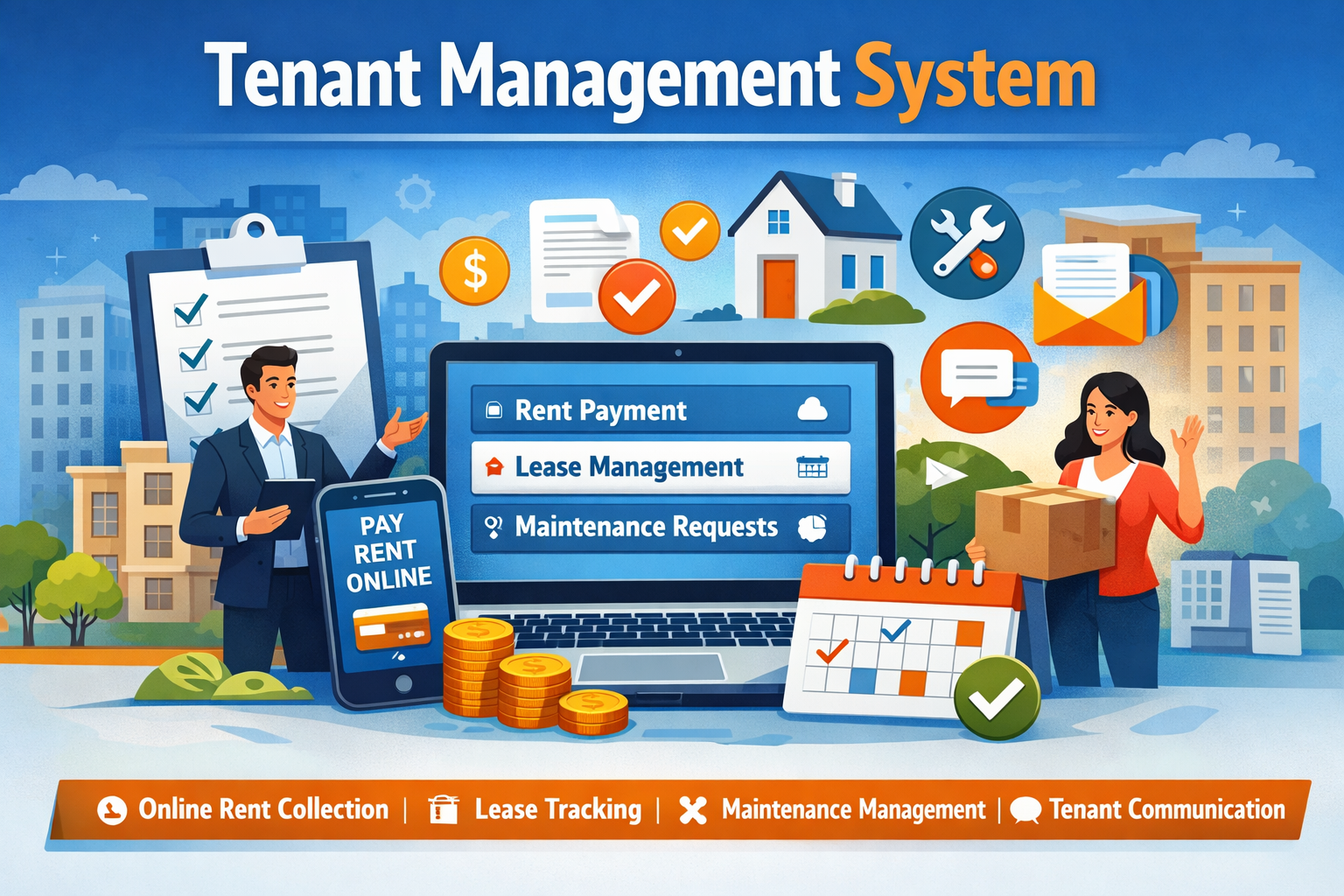
Property Management Software: The Complete Guide for Landlords and Real Estate Managers in 2026
Managing rental properties can be stressful without the right tools. From tracking rent payments and handling tenant requests to managing leases and financial reporting, landlords and property managers face daily challenges.
That’s why property management software has become essential for modern real estate management.
In this guide, we’ll explore what property management software is, its key benefits, must-have features, and how to choose the best platform for your rental business.
What Is Property Management Software?
Property management software is a digital solution designed to help landlords, real estate agents, and property managers efficiently manage rental properties.
It provides tools for:
-
Rent collection
-
Tenant communication
-
Lease tracking
-
Maintenance management
-
Accounting and reporting
-
Property inspections
Instead of using spreadsheets or manual paperwork, property management software centralizes everything into one system.
Why Property Management Software Is Important
Whether you manage 5 units or 500 apartments, rental operations can quickly become complex.
Property management software helps by:
✅ Reducing manual work
✅ Improving rent collection efficiency
✅ Enhancing tenant satisfaction
✅ Preventing missed payments
✅ Simplifying property accounting
In today’s competitive rental market, landlords who embrace automation gain a major advantage.
Key Benefits of Using Property Management Software
1. Automated Rent Collection
One of the biggest advantages is the ability to collect rent online.
With automated rent payments:
-
Tenants pay on time
-
Landlords reduce cash handling
-
Late fees are applied automatically
-
Payment tracking becomes easier
Many systems support mobile money options like M-Pesa, especially in Kenya.
2. Tenant and Lease Management
Managing tenants manually can lead to lost documents and confusion.
Property management software allows you to:
-
Store tenant profiles
-
Track lease start and end dates
-
Send renewal reminders
-
Upload rental agreements digitally
Everything is stored securely in one place.
3. Maintenance Request Tracking
Maintenance issues are common in rental properties.
A good platform helps tenants submit repair requests online, while landlords can:
-
Assign tasks to contractors
-
Track progress
-
Keep maintenance history records
-
Reduce response time
This improves tenant satisfaction and property value.
4. Real-Time Financial Reporting
Property management software includes accounting tools that provide:
-
Income and expense reports
-
Profit and loss statements
-
Rent arrears summaries
-
Monthly financial dashboards
This makes tax filing and financial planning much easier.
5. Improved Communication
Instead of endless calls and texts, property managers can communicate through the system.
Features include:
-
Automated SMS/email reminders
-
Tenant announcements
-
Secure messaging portals
Clear communication reduces disputes and misunderstandings.
Must-Have Features in the Best Property Management Software
When choosing the right system, look for these essential features:
Online Rent Payments
Tenants should be able to pay via card, bank transfer, or mobile money.
Tenant Portal
A dedicated portal improves tenant experience and engagement.
Lease Automation
Generate, store, and renew leases digitally.
Maintenance Management
Track repairs and contractor activity efficiently.
Accounting and Invoicing Tools
Manage property finances without external software.
Multi-Property Support
Perfect for landlords managing apartments, commercial units, or estates.
Mobile Accessibility
Cloud-based systems allow management from anywhere.
Security and Data Backup
Your tenant and financial records must be protected.
Who Needs Property Management Software?
Property management software is ideal for:
-
Individual landlords
-
Real estate agencies
-
Property management companies
-
Student housing providers
-
Commercial property owners
-
Housing cooperatives
Whether you’re a beginner or a professional, the right platform saves time and money.
Property Management Software in Kenya: Growing Demand
In Kenya, property owners are increasingly adopting digital rental tools due to:
-
Urban housing growth
-
Increased tenant mobility
-
Demand for M-Pesa rent payments
-
Need for transparent rent tracking
Solutions like EstateAdmin, RentalDesk, and other local platforms offer property managers the flexibility needed for the Kenyan market.
How to Choose the Right Property Management Software
Here are the top factors to consider:
1. Ease of Use
The system should be user-friendly for both landlords and tenants.
2. Pricing
Look for affordable plans based on the number of units.
3. Local Payment Integration
For Kenya, M-Pesa integration is a major advantage.
4. Customer Support
Reliable support ensures smooth operations.
5. Scalability
Choose software that grows with your property portfolio.
Best Practices for Using Property Management Software
To maximize results:
-
Automate rent reminders
-
Digitize all lease documents
-
Track maintenance regularly
-
Review financial reports monthly
-
Encourage tenants to use the portal
Consistency ensures long-term efficiency.
Future Trends in Property Management Software (2026 and Beyond)
The future of rental management is smart and automated.
Upcoming trends include:
-
AI-powered tenant screening
-
Predictive maintenance tools
-
Smart home integration
-
Automated legal compliance
-
Blockchain lease agreements
Property management software will continue evolving into a full real estate operations platform.
Final Thoughts: Is Property Management Software Worth It?
Absolutely.
Property management software is no longer optional — it is a necessity for landlords and real estate professionals who want to:
-
Save time
-
Increase rent collection
-
Improve tenant satisfaction
-
Gain financial control
-
Scale their property business
Whether you manage a few units or a large portfolio, investing in the right property management platform will transform your rental operations.
Frequently Asked Questions (FAQs)
What is the best property management software?
The best software depends on your location, number of units, and features like rent payments, tenant portals, and reporting.
Can landlords use property management software?
Yes. Many platforms are designed specifically for independent landlords.
Does property management software support M-Pesa?
Some Kenyan-focused systems like EstateAdmin offer M-Pesa integration for easy rent payments.
Is property management software expensive?
Not necessarily. Many tools offer affordable monthly plans for small landlords.
Property Management Software: The Complete Guide for Landlords and Real Estate Managers (Extended Version)
Property ownership can be highly profitable, but managing rental units comes with many responsibilities. From tenant communication and rent collection to maintenance scheduling and financial reporting, the workload can quickly become overwhelming.
That’s where property management software becomes a game-changer.
In this extended guide, we’ll explore everything landlords, agents, and property managers need to know about property management software, including advanced features, pricing, use cases, and why it is the future of rental management.
What Problems Does Property Management Software Solve?
Many landlords still rely on manual systems like:
-
Excel spreadsheets
-
Paper lease agreements
-
Phone calls and handwritten receipts
-
Physical visits for rent collection
While these methods may work for small portfolios, they become inefficient as the number of tenants grows.
Property management software solves common rental challenges such as:
Late Rent Payments
Automated reminders and online payment options reduce rent delays.
Tenant Disputes
Clear documentation and communication records prevent misunderstandings.
Maintenance Delays
Tenants can report issues instantly, improving response time.
Poor Financial Tracking
Real-time accounting tools help landlords track income and expenses accurately.
Lack of Organization
Everything is stored in one platform: leases, receipts, tenant data, and reports.
Types of Property Management Software
Different landlords have different needs. Here are the main categories:
1. Software for Individual Landlords
Designed for small property owners managing a few units.
Key features:
-
Rent tracking
-
Tenant database
-
Simple reports
2. Software for Property Management Companies
Built for large portfolios with multiple buildings.
Includes:
-
Multi-property dashboards
-
Team collaboration tools
-
Advanced accounting
3. Commercial Property Management Software
Focused on office spaces, retail shops, and business rentals.
Features include:
-
CAM charges
-
Commercial lease structures
-
Business tenant management
4. HOA and Community Management Platforms
Used for gated communities and associations.
Includes:
-
Member billing
-
Community announcements
-
Shared facility scheduling
Core Features That Make Property Management Software Powerful
Let’s take a deeper look at the most valuable features landlords should prioritize.
Online Rent Collection and Payment Automation
Modern tenants expect digital payment options.
Property management software supports:
-
Bank transfers
-
Debit/credit card payments
-
Mobile money solutions like M-Pesa
-
Automated recurring rent payments
Benefits include:
-
Faster payments
-
Reduced rent arrears
-
Transparent transaction records
Landlords can also automatically apply:
-
Late fees
-
Discounts
-
Payment plans
Tenant Screening and Onboarding Tools
Some platforms include tenant screening features such as:
-
Background checks
-
Employment verification
-
Rental history reviews
This helps landlords select reliable tenants and reduce eviction risk.
Onboarding becomes smoother with:
-
Digital application forms
-
Lease signing online
-
Automated move-in checklists
Lease Management and Document Storage
Property management software simplifies lease administration by allowing you to:
-
Upload rental agreements
-
Track lease expiration dates
-
Send renewal notifications
-
Store ID documents and receipts
Everything is securely stored in the cloud.
Maintenance Scheduling and Repair Management
Maintenance is one of the most frequent landlord responsibilities.
With software, tenants can:
-
Submit repair requests online
-
Upload photos of damages
-
Track request status
Landlords can:
-
Assign contractors
-
Approve repair costs
-
Maintain repair history logs
-
Prevent repeated issues
This protects the property and improves tenant retention.
Accounting and Financial Tools
The best property management software includes built-in accounting features like:
-
Automated rent invoicing
-
Expense tracking
-
Budget planning
-
Profit and loss reports
-
Tax-ready financial summaries
Instead of hiring accountants for basic tasks, landlords gain full control.
Vacancy and Listing Management
Some platforms allow landlords to advertise vacant units through:
-
Online rental listing integration
-
Tenant application portals
-
Automated showing schedules
This reduces vacancy time and increases rental income.
Reporting and Analytics Dashboards
Data-driven property management is the future.
With reporting tools, landlords can monitor:
-
Occupancy rates
-
Rent collection performance
-
Maintenance costs
-
Tenant turnover
-
Portfolio profitability
This helps property managers make smarter business decisions.
Why Property Management Software Is Essential in 2026
Real estate management is rapidly evolving.
Here’s why property management software is becoming essential:
Increased Tenant Expectations
Tenants want convenience: online payments, instant communication, fast repairs.
Growing Rental Portfolios
More investors are expanding into multi-unit properties.
Demand for Transparency
Owners want accurate reports, digital receipts, and clear records.
Technology-Driven Competition
Landlords using automation outperform those relying on manual systems.
Property Management Software for Landlords in Kenya
Kenya’s rental market is expanding fast, especially in cities like:
-
Nairobi
-
Mombasa
-
Kisumu
-
Nakuru
-
Eldoret
Landlords face unique challenges such as:
-
Cash-based rent payments
-
Difficulty tracking arrears
-
Managing tenants remotely
-
Handling maintenance efficiently
That’s why Kenyan landlords are adopting solutions that offer:
✅ M-Pesa rent collection
✅ SMS rent reminders
✅ Tenant management portals
✅ Local support services
Platforms like EstateAdmin and RentalDesk are helping modernize property management in Kenya.
How Much Does Property Management Software Cost?
Pricing varies depending on features and portfolio size.
Typical pricing models include:
Monthly Subscription Plans
Based on number of units:
-
1–10 units: Affordable entry-level plans
-
10–100 units: Mid-tier plans
-
100+ units: Enterprise solutions
Feature-Based Pricing
Some platforms charge extra for:
-
Payment processing
-
Advanced accounting
-
Tenant screening
-
Premium support
Free Trials
Many providers offer 7–30 day free trials to test the system.
Top Mistakes Landlords Make Without Property Management Software
Landlords who avoid digital tools often experience:
❌ Missed rent payments
❌ Poor tenant communication
❌ Disorganized lease records
❌ Maintenance delays
❌ Financial losses from vacancy
❌ Stressful manual operations
Property management software eliminates these problems by creating structure and automation.
Best Property Management Software Use Cases
Here are real-world examples:
Example 1: Small Landlord with 5 Apartments
Uses software for:
-
Rent tracking
-
Tenant messaging
-
Lease reminders
Example 2: Property Company Managing 200 Units
Uses software for:
-
Multi-building dashboards
-
Staff task assignments
-
Financial reporting
Example 3: Diaspora Investor Managing Property Remotely
Uses software for:
-
Online rent payments
-
Contractor maintenance tracking
-
Remote reporting
Final Conclusion: The Future of Property Management Is Digital
Property management software is the smartest investment landlords can make today.
It helps you:
-
Automate rent collection
-
Manage tenants professionally
-
Track repairs efficiently
-
Improve financial reporting
-
Scale your rental business faster
Whether you are a new landlord or an experienced property manager, adopting the right software will save time, reduce stress, and increase profitability.
Expanded FAQs (SEO Boost)
What is property management software used for?
It is used for rent collection, tenant management, maintenance tracking, lease automation, and financial reporting.
Can property management software help reduce rent arrears?
Yes. Automated reminders and online payment systems significantly reduce late rent payments.
Is property management software suitable for Kenyan landlords?
Absolutely. Many systems now support M-Pesa payments, SMS alerts, and local property reporting needs.
What should I look for in the best property management software?
Look for rent automation, tenant portals, accounting tools, maintenance tracking, and ease of use.