
Table of Contents
ToggleReal Estate Management System Kenya: Why Modern Property Owners Are Moving to Digital Solutions
The real estate industry in Kenya is becoming increasingly competitive. Property owners and managers are expected to manage tenants efficiently, collect rent on time, respond to maintenance requests, track expenses, monitor vacancies, and maintain accurate financial records.
For a small property, these activities may be manageable using notebooks or spreadsheets. However, as the number of properties, rental units, and tenants increases, manual management can become difficult and time-consuming.
A landlord may have tenant information in one spreadsheet, rent records in another, maintenance requests on WhatsApp, and financial information stored in separate files.
This creates unnecessary complexity.
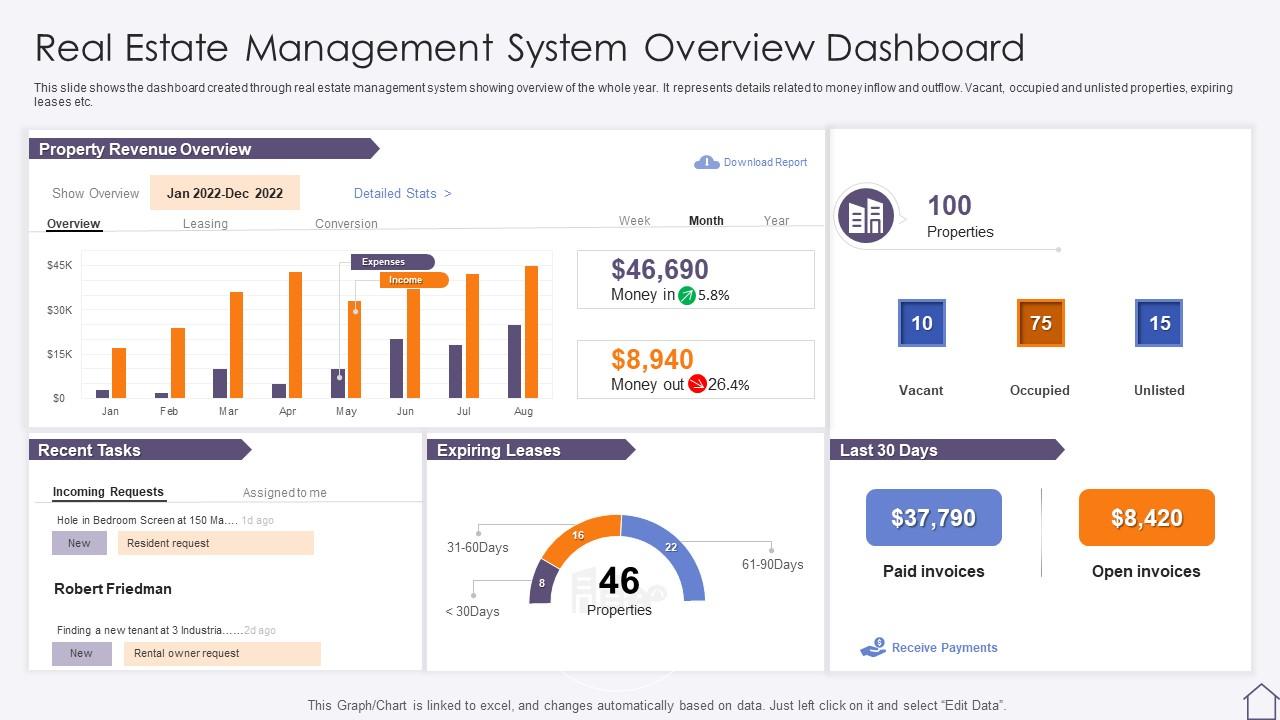
A Real Estate Management System Kenya provides a centralized solution that helps property owners and managers organize important activities from one platform.
With a digital property management system such as EstateAdmin, landlords can manage their properties more efficiently while improving organization, financial visibility, and tenant service.
What Is a Real Estate Management System?
A real estate management system is a digital platform designed to help property owners, landlords, and property management companies manage their daily operations.
The system can bring together different areas of property management, including:
- Property management
- Rental unit management
- Tenant management
- Rent collection
- Rent arrears tracking
- Lease management
- Maintenance management
- Expense tracking
- Vacancy management
- Occupancy monitoring
- Financial reporting
Instead of managing these activities through different tools, users can access important information from one centralized platform.
Why Kenyan Property Owners Need a Real Estate Management System
Managing real estate involves many responsibilities.
A property manager may need to answer questions such as:
- Which tenants have paid rent?
- Who has outstanding balances?
- Which units are currently vacant?
- Which leases are about to expire?
- What maintenance requests are pending?
- How much has been spent on repairs?
- Which properties are generating the most income?
Finding these answers manually can take significant time.
A Real Estate Management System Kenya helps organize this information and makes it easier to monitor property operations.
Key Features of a Real Estate Management System Kenya
1. Property and Unit Management
Property owners can organize all their properties and rental units in one system.
Important information can include:
- Property names
- Buildings
- Rental units
- Unit types
- Rental prices
- Occupancy status
- Tenant assignments
This is useful for managing apartments, residential houses, commercial buildings, student hostels, and mixed-use developments.
2. Tenant Management
Tenant management is an important part of successful property operations.
A centralized system can help organize:
- Tenant names
- Contact information
- Assigned units
- Lease details
- Payment history
- Outstanding balances
- Occupancy records
Having this information in one place makes it easier to manage tenant relationships.
3. Rent Collection Management
Rent collection is one of the most important activities for landlords.
A real estate management system can help track:
- Expected rent
- Payments received
- Outstanding balances
- Payment dates
- Tenant payment history
- Property rental income
This gives property owners better visibility into their income.
4. Rent Arrears Tracking
Unpaid rent can create serious cash-flow challenges.
A digital system can help identify:
- Overdue payments
- Outstanding balances
- Tenants with arrears
- Payment history
Property managers can then organize follow-ups more efficiently.
5. Lease Management
Managing lease agreements manually can become difficult when handling many tenants.
A real estate management system can help track:
- Lease start dates
- Lease expiry dates
- Renewal periods
- Rental agreements
- Occupancy periods
This helps landlords prepare for renewals and potential vacancies.
6. Property Maintenance Management
Every property requires regular maintenance.
Common maintenance issues include:
- Plumbing problems
- Electrical faults
- Water supply issues
- Broken doors
- Damaged windows
- Roofing problems
- Security concerns
- Common-area repairs
A centralized system can help organize maintenance requests and monitor repairs from reporting to completion.
7. Expense Tracking
Property owners need to understand how much they spend on operating and maintaining their investments.
Common expenses include:
- Repairs
- Security
- Cleaning
- Utilities
- Insurance
- Staff costs
- Landscaping
- Property improvements
Digital expense tracking helps landlords maintain better financial control.
8. Vacancy Management
Vacant units can result in lost rental income.
A real estate management system can help property managers monitor:
- Occupied units
- Vacant units
- Available units
- Units under maintenance
- Upcoming vacancies
This makes it easier to take action when tenants move out.
Managing Multiple Properties From One Platform
One of the biggest advantages of using real estate software is centralized management.
A property owner may manage several types of properties, including:
- Apartment buildings
- Rental houses
- Student hostels
- Commercial properties
- Office spaces
- Shops
- Warehouses
Instead of maintaining separate records for every property, a centralized system provides a better overview of the entire portfolio.
Financial Management and Reporting
Accurate financial information is essential for successful real estate management.
Property owners need to understand both income and expenses.
A real estate management system can help organize information relating to:
- Rental income
- Outstanding rent
- Property expenses
- Maintenance costs
- Cash flow
- Occupancy
- Property performance
Regular reports can help landlords identify problems and make better investment decisions.
How a Real Estate Management System Saves Time
Manual property management involves many repetitive activities.
These may include:
- Updating spreadsheets
- Checking rent payments
- Calculating outstanding balances
- Searching for tenant records
- Recording expenses
- Following up on maintenance
- Preparing reports
A digital platform can reduce the amount of manual administration required.
This gives property managers more time to focus on improving their properties and growing their businesses.
Improving Tenant Communication
Good communication is important for maintaining positive relationships with tenants.
Property managers may need to communicate about:
- Rent due dates
- Payment confirmations
- Outstanding balances
- Maintenance updates
- Property inspections
- Lease renewals
- Water interruptions
- General announcements
A centralized management process can help improve communication and reduce misunderstandings.
Real Estate Management for Apartment Buildings
Apartment buildings can contain dozens or hundreds of rental units.
Managing tenants, rent, maintenance, and expenses manually can quickly become challenging.
A real estate management system can help organize:
- Apartment units
- Tenant accounts
- Rent payments
- Lease agreements
- Maintenance requests
- Expenses
- Vacancies
This makes apartment management more efficient and organized.
Real Estate Management for Commercial Properties
Commercial property owners may manage:
- Offices
- Shops
- Retail spaces
- Warehouses
- Business premises
A centralized system can help organize tenant agreements, rental information, maintenance, expenses, and occupancy.
Real Estate Management for Property Management Companies
Property management companies often manage properties on behalf of different owners.
This creates an additional need for organization and accurate reporting.
A real estate management system can help companies manage:
- Multiple properties
- Multiple property owners
- Tenant information
- Rental income
- Expenses
- Maintenance
- Financial records
Centralized management can help improve operational efficiency.
Benefits of a Real Estate Management System Kenya
Better Organization
Important property information can be stored in one centralized platform.
Improved Financial Visibility
Landlords can monitor rental income, expenses, and outstanding balances more easily.
Reduced Administrative Work
Automation can reduce repetitive manual tasks.
Better Tenant Management
Centralized tenant records make information easier to access.
Improved Maintenance Management
Maintenance requests can be recorded and monitored more effectively.
Easier Portfolio Management
Multiple properties can be managed from one system.
Better Decision-Making
Reports and organized data can help property owners make informed business decisions.
How EstateAdmin Helps Property Owners
EstateAdmin brings important property management activities together in one system.
Property owners can manage:
- Properties
- Rental units
- Tenants
- Rent
- Rent arrears
- Leases
- Maintenance
- Expenses
- Vacancies
- Occupancy
- Financial information
By centralizing these operations, EstateAdmin helps landlords reduce administrative complexity and gain better control over their properties.
Best Practices for Using a Real Estate Management System
To get the best results, property owners should combine technology with good management practices.
Keep Property Information Updated
Ensure property and unit details remain accurate.
Maintain Updated Tenant Records
Keep tenant contact details and lease information current.
Monitor Rent Regularly
Review payments and outstanding balances consistently.
Track Property Expenses
Record expenses to understand actual property costs.
Respond Quickly to Maintenance
Prompt maintenance protects property value and improves tenant satisfaction.
Monitor Vacancies
Take action quickly when units become available.
Review Reports
Use financial and operational reports to understand property performance.
The Future of Real Estate Management in Kenya
Technology is expected to continue transforming the real estate sector.
Future systems may increasingly include:
- Artificial intelligence
- Automated financial analysis
- Predictive maintenance
- Smart building technology
- Digital tenant portals
- Automated communication
- Advanced property analytics
- Improved payment integration
These technologies can help property owners make faster decisions and manage larger portfolios more efficiently.
Frequently Asked Questions
What Is a Real Estate Management System Kenya?
A real estate management system is software that helps property owners and managers organize properties, tenants, rental units, rent, leases, maintenance, expenses, vacancies, and financial information.
Can a Real Estate Management System Manage Multiple Properties?
Yes. A centralized platform can help landlords and property managers organize information across multiple properties and rental units.
Can the System Track Rent Arrears?
Yes. Property management software can help identify outstanding tenant balances and monitor payment records.
Is a Real Estate Management System Suitable for Small Landlords?
Yes. Small landlords can benefit from better organization, digital records, and easier rent tracking.
Can Real Estate Software Help With Maintenance?
Yes. A structured system can help landlords record, organize, assign, and track maintenance requests.