
Property Portfolio Management Software Kenya: The Complete Guide for Modern Property Investors
Managing one rental property can be relatively straightforward. However, managing several apartments, office buildings, hostels, commercial spaces, and other real estate investments can quickly become complicated.
As a property portfolio grows, landlords need to monitor rent collection, tenant information, occupancy, maintenance, expenses, leases, and financial performance across different properties.
Using spreadsheets, notebooks, and disconnected systems can make this process difficult.
This is where Property Portfolio Management Software Kenya becomes valuable.
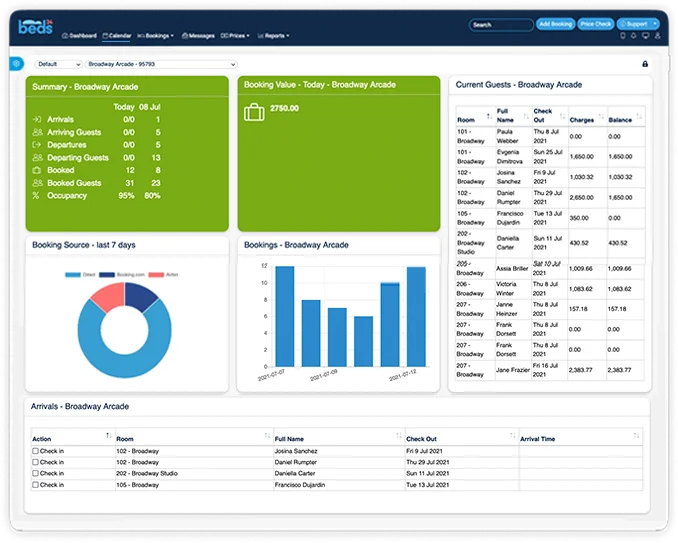
Modern property management software provides landlords and property managers with a centralized platform for managing multiple properties while improving efficiency, visibility, and financial control.
EstateAdmin.co.ke provides a comprehensive property management solution designed to help Kenyan property owners organize and manage their growing real estate portfolios.
What Is Property Portfolio Management Software?
Property portfolio management software is a digital platform that allows property owners to manage multiple properties from one centralized system.
Instead of maintaining separate spreadsheets for every building, landlords can manage important information through one dashboard.
A property portfolio management system can help users manage:
- Multiple properties
- Rental units
- Tenants
- Rent payments
- Lease agreements
- Maintenance requests
- Property expenses
- Occupancy
- Financial reports
- Service charges
This makes it easier for property owners to understand the performance of their entire portfolio.
Why Property Portfolio Management Is Important
Real estate investors need accurate information to determine whether their investments are performing well.
Effective portfolio management helps landlords:
- Monitor rental income.
- Control expenses.
- Reduce vacancies.
- Track maintenance.
- Improve tenant relationships.
- Compare property performance.
- Identify underperforming assets.
- Make better investment decisions.
Without accurate information, property owners may find it difficult to identify financial problems early.
Challenges of Managing Multiple Properties Manually
Many landlords begin by using spreadsheets or paper records. These methods may be useful for a small portfolio, but they become difficult to maintain as the business expands.
1. Too Many Records
Managing hundreds of tenants and units creates large amounts of information.
Without a centralized system, finding specific records can take a significant amount of time.
2. Difficult Rent Tracking
Property owners need to know which tenants have paid, which payments are pending, and which accounts have outstanding balances.
Manual tracking increases the risk of errors.
3. Maintenance Challenges
When maintenance requests are received through phone calls and messages, it can become difficult to monitor their progress.
4. Limited Financial Visibility
Property owners may struggle to determine the actual profitability of each property.
5. Missed Lease Renewals
Without automated reminders, lease expiration dates can easily be overlooked.
Key Features of Property Portfolio Management Software Kenya
Centralized Property Management
A property owner can manage multiple buildings through one platform.
Each property can contain information about:
- Units
- Tenants
- Leases
- Payments
- Maintenance
- Expenses
- Occupancy
This makes portfolio management more organized.
Tenant Management
A centralized tenant management system allows property owners to maintain accurate tenant records.
Information may include:
- Tenant names
- Contact details
- Lease information
- Payment history
- Unit details
- Occupancy status
This helps managers quickly access important information when needed.
Rent Collection Management
Rent is one of the most important components of a rental property business.
Software can help property managers monitor:
- Expected rent
- Collected rent
- Outstanding balances
- Payment history
- Collection performance
This provides better visibility into cash flow.
Lease Management
Managing lease agreements across multiple properties can be challenging.
A digital platform allows property managers to monitor:
- Lease start dates
- Lease expiration dates
- Renewal periods
- Tenant agreements
- Occupancy periods
Automated reminders can help prevent missed renewal opportunities.
Maintenance Management
Maintenance directly affects tenant satisfaction and property value.
Property portfolio management software helps landlords organize maintenance activities.
Managers can:
- Receive maintenance requests.
- Assign tasks.
- Monitor repair progress.
- Track maintenance expenses.
- Review maintenance history.
This creates greater accountability.
Property Expense Tracking
Every property generates expenses.
These may include:
- Repairs
- Cleaning
- Security
- Utilities
- Insurance
- Staff costs
- Landscaping
- General administration
Digital expense tracking allows landlords to understand where money is being spent.
Occupancy Management
Vacant units can significantly affect rental income.
Portfolio management software helps landlords monitor:
- Occupied units
- Vacant units
- Available units
- Reserved units
- Upcoming vacancies
This information helps property managers take action before vacancies affect revenue.
Financial Reporting
Financial reports are essential for evaluating property performance.
A property management system can provide information about:
- Rental income
- Expenses
- Outstanding payments
- Cash flow
- Property profitability
- Occupancy
These reports allow investors to make data-driven decisions.
Comparing Property Performance
One major advantage of portfolio management software is the ability to compare properties.
For example, an investor may discover that:
- Property A has higher occupancy.
- Property B generates higher rental income.
- Property C has unusually high maintenance expenses.
This information helps investors determine where improvements are required.
Improving Tenant Communication
Communication is an important part of property management.
A centralized platform can support communication regarding:
- Rent reminders
- Maintenance updates
- Lease renewals
- Property announcements
- Inspection schedules
- Payment confirmations
Better communication can improve tenant satisfaction and retention.
Mobile and Cloud-Based Property Management
Modern property owners may not always be physically located near their properties.
Cloud-based systems allow authorized users to access information remotely.
Property managers can monitor operations using:
- Computers
- Tablets
- Smartphones
This provides greater flexibility and convenience.
Benefits of Property Portfolio Management Software
Increased Efficiency
Automation reduces repetitive administrative tasks.
Better Financial Control
Accurate financial information helps landlords manage income and expenses.
Improved Tenant Experience
Faster communication and maintenance responses can improve satisfaction.
Reduced Administrative Work
Digital records eliminate much of the paperwork associated with traditional management.
Better Decision-Making
Detailed reports provide valuable insights into property performance.
Easier Business Expansion
A centralized platform makes it easier to add new properties as the portfolio grows.
How EstateAdmin Helps Property Investors
EstateAdmin provides an integrated platform for managing property portfolios.
The system brings together important property management functions, including:
- Property management
- Tenant management
- Rent collection
- Lease management
- Maintenance tracking
- Expense management
- Occupancy monitoring
- Financial reporting
- Service charge management
Instead of managing different processes separately, property owners can access them through one platform.
Property Portfolio Management for Different Types of Properties
Property portfolio software can support different real estate investments.
Residential Apartments
Manage units, tenants, rent payments, leases, and maintenance.
Student Hostels
Monitor rooms, occupancy, tenants, payments, and maintenance.
Commercial Properties
Manage offices, shops, tenants, leases, and operating expenses.
Mixed-Use Buildings
Manage residential and commercial units from one centralized system.
Property Management Companies
Professional managers can use centralized systems to manage properties belonging to different clients.
How Technology Can Reduce Property Management Costs
Technology can reduce the amount of time spent on manual administrative tasks.
For example, automated systems can reduce the need to manually:
- Calculate balances.
- Prepare reports.
- Track tenants.
- Monitor leases.
- Record maintenance requests.
- Organize financial records.
Reducing administrative work allows property managers to focus on activities that contribute directly to business growth.
Improving Property Investment Decisions
Real estate investors need accurate information before making important decisions.
Portfolio management software can help answer questions such as:
- Which property generates the most income?
- Which property has the highest expenses?
- Which units remain vacant?
- Which tenants have outstanding balances?
- Which properties require frequent maintenance?
- Which leases are approaching expiration?
Having this information readily available makes strategic planning easier.
Data Security and Property Information
Property management platforms store sensitive information, including tenant records and financial data.
Property owners should therefore consider security when selecting software.
Important security considerations include:
- User authentication
- Access controls
- Secure data storage
- Data backups
- Activity monitoring
- Controlled permissions
Protecting information helps reduce the risk of unauthorized access.
Best Practices for Managing a Property Portfolio
Property owners should consider the following practices:
Maintain Accurate Records
Keep tenant, financial, and property information up to date.
Monitor Cash Flow
Review income and expenses regularly.
Track Maintenance
Identify recurring maintenance problems and address them early.
Monitor Occupancy
Take action quickly when units become vacant.
Review Property Performance
Compare properties regularly to identify opportunities for improvement.
Communicate With Tenants
Maintain professional and timely communication.
Use Technology
Automate repetitive administrative processes wherever possible.
Future Trends in Property Portfolio Management
The property management industry continues to evolve through technology.
Future developments may include:
- Artificial intelligence
- Predictive analytics
- Automated financial forecasting
- Smart building systems
- Digital tenant portals
- Automated maintenance scheduling
- Advanced property performance dashboards
These technologies can help property owners make faster and more informed decisions.
Frequently Asked Questions
What is Property Portfolio Management Software Kenya?
It is software designed to help property owners manage multiple properties, tenants, rent payments, leases, maintenance, expenses, and financial reports from one centralized platform.
Can EstateAdmin manage multiple properties?
Yes. EstateAdmin is designed to help property owners and managers oversee multiple properties through a centralized system.
Is portfolio management software suitable for small landlords?
Yes. Even landlords with a small number of properties can benefit from organized digital records and automated processes.
Can property management software track vacant units?
Yes. Occupancy management features help property owners identify occupied, vacant, and available units.
Can landlords monitor property expenses?
Yes. Expense tracking helps property owners monitor costs associated with their properties.