
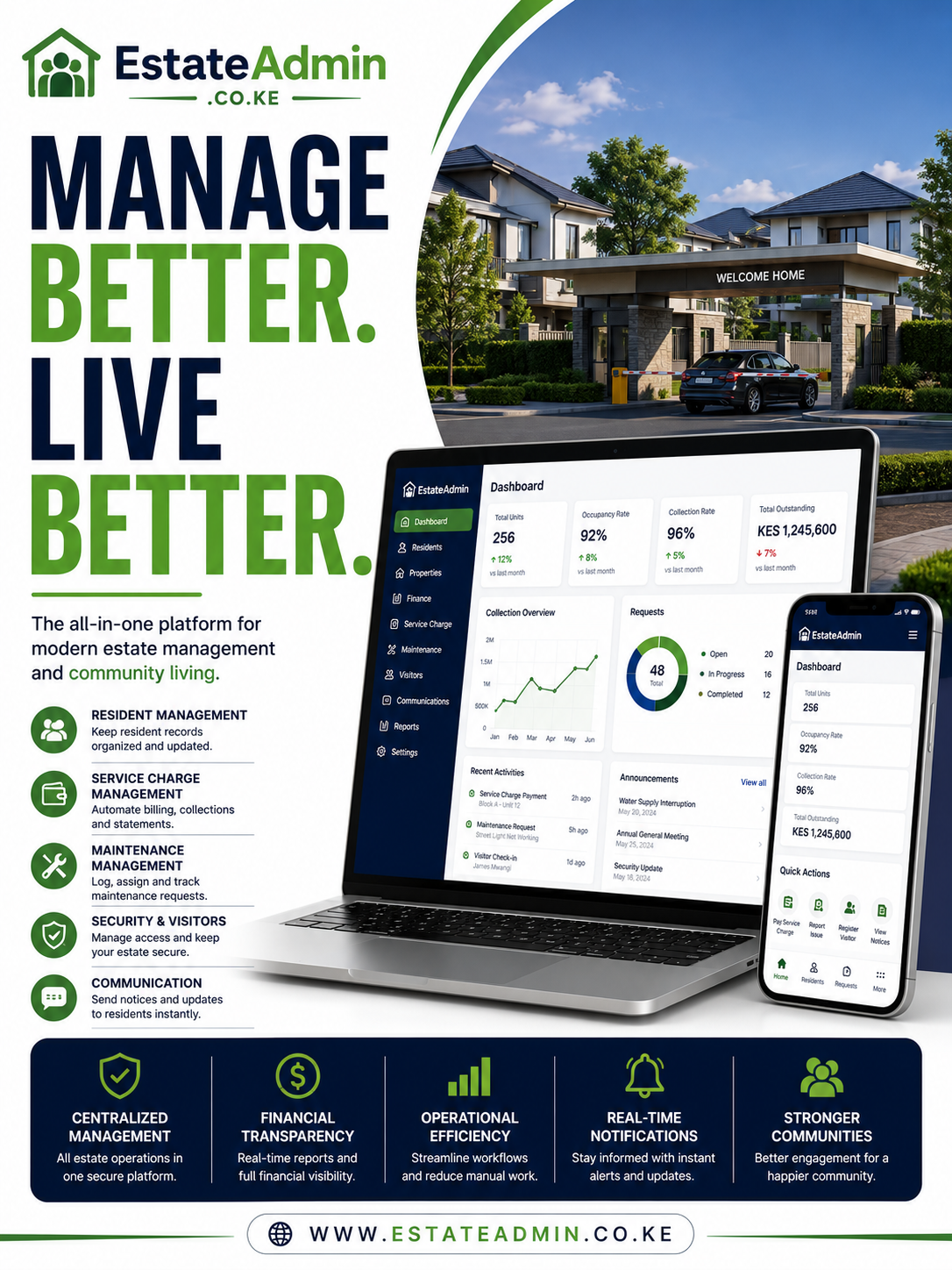
free Gated Estate Management System 2026 is becoming an increasingly useful search term for property managers, estate administrators, landlords, homeowners’ associations, and residential communities looking for affordable ways to organize estate operations. Managing a gated community involves much more than collecting monthly charges. Estate administrators must keep accurate resident records, monitor visitors, coordinate security, manage maintenance requests, communicate with residents, track payments, and maintain important property information.
For communities searching for a free Gated Estate Management System 2026, the main attraction is the possibility of reducing administrative costs while replacing scattered spreadsheets, notebooks, paper forms, and manual processes with a centralized digital platform. However, free software should still be evaluated carefully to determine whether it provides the features and reliability required by the estate.
Table of Contents
ToggleWhat Is a Gated Estate Management System?
A free Gated Estate Management System 2026 is software designed to help residential communities manage residents, houses, units, payments, visitors, security, maintenance, communication, and other estate operations from one centralized platform.
A system can potentially help estate administrators manage:
- Resident records
- Property records
- House and unit information
- Service charges
- Estate payments
- Visitor management
- Gate access
- Maintenance requests
- Staff records
- Contractor information
- Notices
- Resident communication
- Reports
- Estate finances
The exact functionality depends on the software provider and the limitations of its free version.
Why Gated Estates Need Management Software
Gated communities can contain dozens or hundreds of households. As the number of residents increases, manually maintaining records becomes increasingly difficult.
Administrators may need to track:
- Who lives in each house
- Which residents have paid
- Outstanding charges
- Visitors entering the estate
- Maintenance requests
- Security incidents
- Common-area issues
- Resident communications
A free Gated Estate Management System 2026 can help centralize this information and make it easier for estate administrators to access records when needed.
Resident Management
Resident information is one of the most important components of estate administration.
A digital resident profile may include:
- Resident name
- House number
- Phone number
- Email address
- Household members
- Vehicle information
- Emergency contact
- Occupancy status
- Payment information
A free Gated Estate Management System 2026 can make these records easier to organize than physical files or separate spreadsheets.
Property and House Management
A gated estate may contain many houses, apartments, or residential units.
The software can organize properties by:
- House number
- Block
- Phase
- Owner
- Occupant
- Property status
For larger communities, this organization makes it easier to find the right property record quickly.
Resident Registration
New residents need to be registered when they move into an estate.
A registration workflow may capture:
- Resident details
- Property information
- Household members
- Vehicles
- Contact information
- Occupancy date
This creates a structured record from the beginning of the resident’s stay.
Visitor Management
Visitor management is an important feature for many gated communities.
A free Gated Estate Management System 2026 can potentially help security teams record visitor information before or during entry.
Visitor records may include:
- Visitor name
- Phone number
- Resident being visited
- House number
- Entry time
- Exit time
- Vehicle registration
- Visit purpose
Digital visitor records can make it easier to review who entered the estate.
Visitor Pre-Registration
Some systems allow residents to register expected visitors before they arrive.
A resident may submit:
Visitor Name
Expected Arrival
Vehicle Registration
Purpose of Visit
The security team can then check the visitor against the expected list.
This can reduce unnecessary delays at the gate.
Gate Access Management
Gate access is central to the operation of a gated community.
A suitable system can help administrators manage access information for:
- Residents
- Visitors
- Contractors
- Domestic workers
- Delivery personnel
- Service providers
A free Gated Estate Management System 2026 can provide a centralized record of access activity where gate management functionality is included.
Vehicle Management
Many gated communities need accurate vehicle records.
The system can associate vehicles with residents and properties.
Information may include:
- Registration number
- Vehicle type
- Make
- Model
- Resident
- House number
This can help security personnel identify authorized vehicles.
Security Personnel Management
Security officers are responsible for monitoring access and maintaining safety within the estate.
Estate software can help administrators organize information about:
- Security staff
- Shifts
- Assignments
- Gate locations
- Incident reports
This creates a more structured approach to security administration.
Security Incident Reporting
Security incidents should be recorded accurately.
Examples include:
- Unauthorized access attempts
- Lost access cards
- Suspicious activity
- Property damage
- Security breaches
- Gate incidents
Digital records can make it easier to review incidents and identify recurring problems.
Estate Service Charge Management
Gated communities often collect service charges to fund shared services.
These may support:
- Security
- Cleaning
- Landscaping
- Waste collection
- Road maintenance
- Lighting
- Common-area repairs
A free Gated Estate Management System 2026 can help administrators record charges against the appropriate properties or residents.
Service Charge Collection
A system can help track:
- Amount due
- Amount paid
- Payment date
- Outstanding balance
- Payment reference
- Account status
This can reduce the need for manual calculations.
Estate Arrears Management
Unpaid service charges can affect the finances of a residential community.
An estate management platform can identify:
- Paid accounts
- Partially paid accounts
- Overdue accounts
- Total arrears
Administrators can then prioritize follow-ups.
Automated Payment Reminders
Payment reminders can help residents remember recurring obligations.
Depending on the platform, reminders can be delivered through supported channels such as:
- SMS
- App notifications
- Other communication methods
A free Gated Estate Management System 2026 with automated notifications can reduce repetitive administrative communication.
Digital Receipts
When residents make payments, digital receipts can provide confirmation.
A receipt may contain:
- Resident name
- Property
- Amount paid
- Payment date
- Transaction reference
- Outstanding balance
Digital records are easier to retrieve than handwritten receipts.
Estate Accounting
Estate management involves many financial transactions beyond resident payments.
Administrators may need to track:
- Service charges
- Maintenance expenses
- Security expenses
- Utility costs
- Cleaning costs
- Landscaping expenses
- Contractor payments
A free Gated Estate Management System 2026 can provide basic financial organization where accounting functionality is included.
Expense Tracking
Estate expenses should be associated with appropriate categories.
For example:
Security — KSh 200,000
Cleaning — KSh 50,000
Landscaping — KSh 40,000
Repairs — KSh 75,000
This makes it easier for management committees to understand how community funds are being used.
Maintenance Management
Maintenance is another major responsibility for estate administrators.
Residents may report:
- Water leaks
- Electrical problems
- Broken streetlights
- Damaged gates
- Drainage issues
- Road problems
- Landscaping concerns
A free Gated Estate Management System 2026 can organize these requests and provide a central place to track their progress.
Maintenance Request Workflow
A maintenance request can move through stages such as:
Reported
↓
Reviewed
↓
Assigned
↓
In Progress
↓
Completed
This gives administrators better visibility into outstanding work.
Contractor Management
Estates frequently work with external service providers.
These may include:
- Plumbers
- Electricians
- Landscapers
- Cleaners
- Security companies
- Pest control providers
- General contractors
Software can store contractor details and associate them with maintenance jobs.
Common Area Management
Gated estates have shared facilities and infrastructure.
These may include:
- Roads
- Parking areas
- Playgrounds
- Swimming pools
- Clubhouses
- Gardens
- Security gates
- Street lighting
A free Gated Estate Management System 2026 can help administrators maintain records associated with these shared areas.
Resident Communication
Effective communication is important for maintaining a well-managed community.
Administrators may need to send notices about:
- Maintenance work
- Security alerts
- Meetings
- Service interruptions
- Community events
- Payment deadlines
- Estate rules
Centralized communication can reduce dependence on scattered messaging groups and paper notices.
Estate Announcements
An estate management platform can provide a structured place for official announcements.
For example:
Water Maintenance Notice
Security Update
Monthly Residents’ Meeting
Road Repair Announcement
This can help ensure residents receive consistent information.
Resident Complaints and Requests
Residents may submit complaints about:
- Noise
- Parking
- Security
- Waste
- Water
- Common areas
- Maintenance
A digital request system can assign each issue a status and provide a record of how it was handled.
Resident Portal
Some estate management platforms provide resident portals.
Residents may be able to:
- View payment balances
- Download receipts
- Submit maintenance requests
- Register visitors
- View notices
- Update certain information
This can reduce routine administrative requests.
Mobile Estate Management
Estate administrators and security personnel may need access while away from an office.
A mobile-friendly free Gated Estate Management System 2026 can make it easier to check resident information, visitor records, maintenance requests, and payment information from supported devices.
Estate Management Dashboard
A dashboard can provide a quick overview of the estate.
Important indicators may include:
- Total properties
- Occupied properties
- Resident count
- Visitors today
- Outstanding service charges
- Maintenance requests
- Open complaints
- Recent payments
This gives administrators a snapshot of current estate activity.
Estate Reports
Reporting is useful for estate committees and property managers.
Reports may include:
- Resident reports
- Occupancy reports
- Visitor reports
- Payment reports
- Arrears reports
- Maintenance reports
- Expense reports
- Security reports
A free Gated Estate Management System 2026 should be evaluated based on the reports available in its free version.
Role-Based Access
Estate management software may be used by several people.
For example:
Administrator
Security Officer
Accountant
Maintenance Officer
Estate Manager
Committee Member
Role-based permissions can help ensure each user has access to the information needed for their responsibilities.
Data Security
Estate software contains personal and operational information.
This can include:
- Resident details
- Contact information
- Vehicle information
- Payment records
- Visitor information
- Security records
A free Gated Estate Management System 2026 should therefore be evaluated for authentication, access control, backups, data protection, and other security measures.
Cloud-Based Estate Management
Cloud-based platforms can allow authorized users to access estate information through an internet connection.
This can be helpful when management teams need to work from different locations.
Cloud access can support:
- Remote administration
- Multi-user access
- Centralized data
- Online reporting
- Mobile access
Free Versus Paid Estate Management Software
Searching for a free Gated Estate Management System 2026 can be a good starting point for small estates or organizations with limited budgets.
However, free software may have limitations.
Possible restrictions include:
- Limited number of properties
- Limited users
- Limited storage
- Fewer reports
- No payment integrations
- Limited support
- Fewer automation features
Before selecting a free platform, administrators should understand exactly what is included.
Is Free Estate Management Software Enough?
The answer depends on the size and complexity of the estate.
A small community may only need:
- Resident records
- Basic payments
- Visitor records
- Notices
- Maintenance requests
A large gated estate may require:
- Advanced access management
- Payment integrations
- Automated billing
- Detailed accounting
- Multiple user roles
- Advanced reporting
- Security integrations
- Scalable infrastructure
A free platform should therefore be compared with the actual operational requirements of the community.
How to Choose a Gated Estate Management System
Before choosing a free Gated Estate Management System 2026, estate administrators should identify the most important problems they need to solve.
Consider:
- Number of houses
- Number of residents
- Number of security gates
- Monthly payment volume
- Visitor traffic
- Maintenance requirements
- Staff users
- Accounting requirements
- Communication needs
- Mobile access
- Data security
- Future growth
This prevents the estate from choosing software simply because it is free.
Questions to Ask Before Choosing Free Software
Before adopting a free Gated Estate Management System 2026, ask:
Can it manage multiple properties?
Can it manage residents and households?
Can it track vehicles?
Can residents register visitors?
Can security staff record visitors?
Can it manage service charges?
Can it track arrears?
Can it generate receipts?
Can it send payment reminders?
Can residents submit maintenance requests?
Can administrators track complaints?
Can it manage contractors?
Can it generate financial reports?
Can different users have different permissions?
Can residents access a portal?
Is the platform mobile-friendly?
How is data backed up?
What happens when the estate grows beyond the free plan?
These questions can reveal whether a free platform is actually suitable for long-term use.
Benefits of Free Estate Management Software
A free Gated Estate Management System 2026 can offer several benefits when its capabilities match the estate’s needs.
Lower Initial Costs
Small communities can begin digitizing their operations without immediately committing to a large software expense.
Centralized Information
Resident, property, payment, maintenance, and visitor information can be stored in one location.
Reduced Paperwork
Digital records can reduce dependence on physical forms and notebooks.
Better Payment Tracking
Administrators can identify paid and outstanding accounts more easily.
Improved Visitor Records
Digital visitor information can provide a clearer record of estate access.
Faster Maintenance Management
Requests can be recorded, assigned, and tracked.
Better Communication
Digital notices and notifications can improve communication with residents.
Limitations to Consider
Although free Gated Estate Management System 2026 solutions can be attractive, administrators should not assume that free automatically means suitable.
A free product may lack:
- Advanced automation
- Payment integrations
- Dedicated support
- Custom reporting
- Large-scale user management
- Advanced security controls
- Integration with gate hardware
- Advanced accounting
The estate should assess the complete feature set before making a decision.
When to Upgrade to Paid Software
An estate may eventually outgrow a free platform.
Signs include:
- Increasing resident numbers
- More properties
- Higher payment volumes
- Multiple security gates
- More staff users
- Complex accounting
- Increased maintenance requests
- Need for payment automation
- Need for integrations
- More advanced reporting
At that stage, a paid platform may provide better functionality and scalability.
Gated Estate Management in Kenya
Residential estates in Kenya increasingly need structured digital systems for managing residents, security, payments, maintenance, and communication.
A free Gated Estate Management System 2026 can help smaller communities begin this transition without a large initial investment. However, Kenyan estates should also consider local operational requirements, including mobile payment workflows, service charge collection, resident communication, security procedures, and property administration.
The ideal platform should fit the estate’s actual workflow rather than forcing administrators to change every process simply to accommodate the software.
Final Conclusion
A free Gated Estate Management System 2026 can provide a practical starting point for communities that want to digitize residential estate operations without immediately committing to expensive software. By centralizing resident information, property records, visitor management, payments, maintenance requests, communications, and reports, a suitable platform can help administrators reduce paperwork and improve organization.
However, choosing free software should not mean ignoring functionality, security, reliability, or scalability. A platform may be free but still fail to provide the features a large residential community needs. Administrators should therefore evaluate the number of residents, properties, security requirements, payment processes, maintenance activities, accounting needs, and future growth before making a decision.
For smaller communities, a free Gated Estate Management System 2026 may provide enough functionality to replace spreadsheets and paper-based administration. Larger estates may eventually need more advanced features such as automated billing, payment integrations, resident portals, access control integrations, detailed accounting, advanced reporting, and multi-user management.
The most important consideration is not simply whether the software has a zero price. It is whether the platform can make estate management easier, more accurate, more secure, and more efficient.
When carefully selected, a free Gated Estate Management System 2026 can be an effective first step toward modernizing residential community management while giving estate administrators a clearer view of residents, payments, visitors, maintenance, security, and day-to-day operations.