Category: Uncategorized

  • Real Estate Administration: Streamline Property Management

    Real Estate Administration: Efficient Property Management Strategies

    Managing properties effectively requires more than just oversight—it demands a systematic approach known as real estate administration. This crucial process ensures properties are well-maintained, compliant with legal requirements, and profitable for owners and investors.

    What is Real Estate Administration?

    Real estate administration refers to the professional management of property assets, including residential, commercial, and industrial spaces. It involves tasks such as:

    • Property maintenance and repairs

    • Tenant relations and leasing management

    • Financial management and budgeting

    • Legal compliance and documentation

    • Strategic investment planning

    Effective administration ensures that properties retain their value, generate consistent income, and meet the expectations of tenants and stakeholders.

    Key Responsibilities in Real Estate Administration

    1. Property Maintenance and Upkeep
      A central aspect of real estate administration is ensuring properties remain in excellent condition. Regular inspections, timely repairs, and preventive maintenance help maintain property value and tenant satisfaction.

    2. Tenant and Lease Management
      Administrators handle tenant communications, lease agreements, rent collection, and conflict resolution. This fosters a positive tenant experience while ensuring compliance with rental laws and agreements.

    3. Financial Oversight
      Real estate administrators manage budgets, track expenses, and prepare financial reports. This helps owners make informed decisions and ensures profitability.

    4. Legal Compliance
      Staying updated with property laws, zoning regulations, and tax obligations is essential. Proper documentation and adherence to regulations prevent legal disputes and penalties.

    5. Investment Planning
      Real estate administration also involves evaluating potential investments, analyzing market trends, and recommending strategies to maximize returns.

    Benefits of Professional Real Estate Administration

    • Increased Property Value: Proper management and maintenance enhance property appeal and longevity.

    • Higher Tenant Retention: Efficient tenant relations reduce vacancy rates and attract reliable tenants.

    • Optimized Cash Flow: Strategic financial management ensures consistent rental income and reduces unnecessary costs.

    • Risk Mitigation: Compliance with laws and proactive maintenance reduce legal and operational risks.

    How Technology Enhances Real Estate Administration

    Modern real estate administration increasingly relies on technology. Property management software allows administrators to:

    • Automate rent collection and billing

    • Track maintenance requests efficiently

    • Store legal documents digitally

    • Generate financial and performance reports

    By leveraging digital tools, administrators can save time, reduce errors, and improve overall property performance.

    Conclusion

    Effective real estate administration is essential for property owners and investors who want to maximize returns and minimize operational headaches. By combining strategic planning, tenant management, financial oversight, and technological tools, real estate administrators ensure properties remain profitable, compliant, and well-maintained.

    Real Estate Administration: A Comprehensive Guide for Property Owners and Investors

    Effective property management is critical to ensuring profitability, compliance, and tenant satisfaction. This is where real estate administration plays a central role. Whether you own residential apartments, commercial offices, or mixed-use properties, adopting professional administration strategies can transform your investment into a sustainable income source.


    What is Real Estate Administration?

    Real estate administration refers to the professional oversight of property operations, from tenant management to financial accounting, legal compliance, and long-term investment planning. It’s more than managing day-to-day tasks—it’s about strategically enhancing the value and profitability of real estate assets.

    Key aspects include:

    • Lease and tenant management

    • Financial planning and accounting

    • Property maintenance and repairs

    • Compliance with laws and regulations

    • Investment analysis and strategic growth

    By integrating these elements, administrators ensure that properties operate smoothly and generate consistent revenue.


    Core Responsibilities in Real Estate Administration

    1. Property Maintenance and Upkeep

    Maintaining properties is at the heart of real estate administration. Regular inspections, timely repairs, and preventive maintenance ensure the property retains its value. This can include:

    • Routine checks on plumbing, electrical systems, and structural integrity

    • Landscaping and exterior upkeep

    • Renovations to modernize interiors and increase property appeal

    Example: In Nairobi, apartment complexes with consistent maintenance reports attract tenants faster and command higher rents compared to poorly maintained buildings.


    2. Tenant Relations and Lease Management

    Keeping tenants satisfied is essential for long-term profitability. Responsibilities include:

    • Managing lease agreements and renewals

    • Collecting rent and enforcing payment terms

    • Resolving tenant complaints and conflicts

    • Conducting background checks on potential tenants

    Good tenant management reduces vacancy rates, minimizes disputes, and improves the overall reputation of your property.


    3. Financial Oversight

    A real estate administrator manages budgets, financial records, and investment performance. This includes:

    • Tracking rental income and expenditures

    • Preparing monthly and annual financial reports

    • Forecasting cash flow and managing reserves for maintenance

    • Advising owners on cost-saving opportunities

    Effective financial oversight ensures stable revenue streams and prevents unexpected losses.


    4. Legal Compliance

    Real estate administration requires strict adherence to property laws, zoning regulations, and tax requirements. Responsibilities include:

    • Ensuring rental agreements comply with local laws

    • Maintaining proper documentation for property ownership

    • Staying updated on land use policies and local regulations

    Compliance not only protects owners from legal disputes but also enhances credibility with tenants and investors.


    5. Strategic Investment Planning

    A professional real estate administrator can guide long-term investment decisions. This includes:

    • Conducting market research to identify high-demand areas

    • Recommending property improvements that increase value

    • Evaluating the ROI of potential property acquisitions

    For example, investing in commercial properties along Nairobi’s growing business districts can yield higher rental returns compared to underdeveloped areas.


    Benefits of Professional Real Estate Administration

    Implementing a structured real estate administration system provides multiple benefits:

    • Increased Property Value: Well-maintained properties attract premium tenants and higher rental yields.

    • Higher Tenant Retention: Effective tenant management reduces vacancy rates and fosters long-term leases.

    • Optimized Cash Flow: Strategic budgeting and financial tracking ensure steady rental income and minimize costs.

    • Reduced Risks: Legal compliance, proper documentation, and risk management reduce financial and operational threats.

    • Data-Driven Decisions: Administrators can provide analytics to improve property performance and guide future investments.


    How Technology is Transforming Real Estate Administration

    Modern technology plays a pivotal role in enhancing real estate administration efficiency:

    • Property Management Software: Automates rent collection, tracks maintenance requests, and generates financial reports.

    • Digital Lease Management: Stores contracts and tenant data securely online, ensuring compliance and easy access.

    • AI-Powered Analytics: Helps forecast market trends, rental pricing, and investment opportunities.

    • Mobile Solutions: Enables property managers to oversee multiple properties remotely, reducing operational delays.

    Example: In Kenya, platforms like EstateAdmin help property owners manage rental income, maintenance schedules, and tenant interactions from a single dashboard.


    Local Context: Real Estate Administration in Kenya

    In Kenya, the real estate market is expanding rapidly, especially in urban centers such as Nairobi, Mombasa, and Eldoret. Key factors influencing property management include:

    • High demand for rental apartments due to urban migration

    • Rising property values and investment opportunities

    • Compliance with Kenyan laws, including the Land Registration Act and tenancy regulations

    Property owners who adopt professional real estate administration practices in Kenya can benefit from better tenant satisfaction, reduced operational risks, and maximized ROI.


    Tips for Effective Real Estate Administration

    1. Keep Detailed Records: Track maintenance, tenant communications, and financial reports.

    2. Invest in Technology: Use property management software to automate daily operations.

    3. Regularly Review Leases: Ensure contracts reflect current market rates and legal standards.

    4. Plan Preventive Maintenance: Avoid costly repairs by addressing issues early.

    5. Hire Skilled Staff or Managers: A competent team ensures smooth property operations and tenant satisfaction.


    Conclusion

    Real estate administration is the backbone of successful property ownership and investment. By combining strategic planning, tenant management, financial oversight, legal compliance, and technology, property owners can ensure their investments remain profitable, compliant, and well-maintained.

    In Kenya and beyond, professional administration is no longer optional—it’s a critical factor in achieving sustainable growth in real estate. Whether managing a single apartment or a large commercial complex, structured administration is key to long-term success.

  • Property Management Software Kenya – Streamline Your Rentals

    Property Management Software Kenya – Streamline Your Rentals
    Property Management Software Kenya

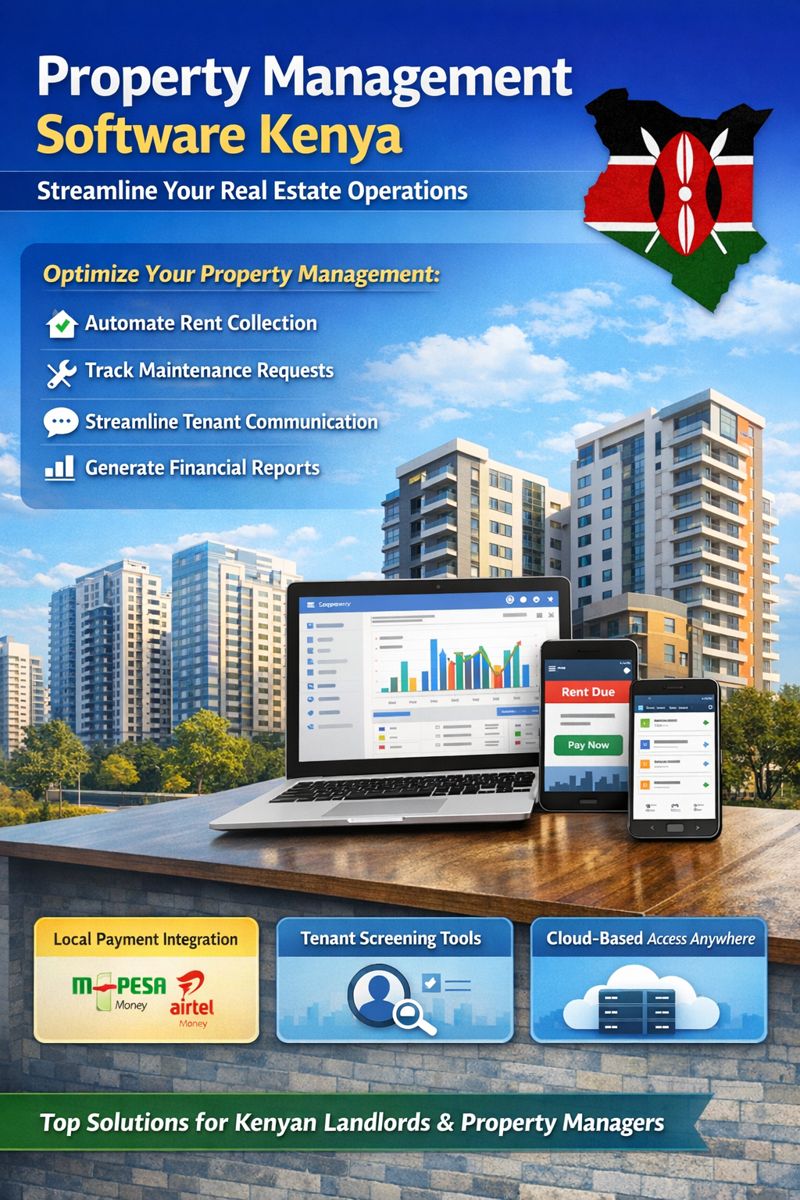
    Property Management Software Kenya: Streamline Your Real Estate Operations

    In today’s fast-paced real estate market, managing multiple properties efficiently can be challenging. This is where property management software in Kenya comes in, offering a powerful solution for landlords, property managers, and real estate agencies. From automating rent collection to tracking maintenance requests, modern software solutions simplify every aspect of property management.

    Why Property Management Software is Essential in Kenya

    Kenya’s real estate sector has experienced rapid growth in recent years, with increasing demand for residential, commercial, and rental properties. Traditional property management methods, such as manual record-keeping and spreadsheets, are no longer sufficient. Investing in property management software Kenya provides:

    • Efficient Rent Collection: Automate invoicing, reminders, and payment tracking to ensure timely rent collection.

    • Maintenance Management: Keep track of repairs, schedule service tasks, and assign work orders seamlessly.

    • Tenant Communication: Streamlined communication channels for tenant queries, notices, and updates.

    • Financial Reporting: Generate real-time reports on income, expenses, and property performance.

    • Document Management: Digitize contracts, tenancy agreements, and other essential documents.

    Key Features of Property Management Software in Kenya

    When choosing the right software, consider features tailored to the Kenyan market:

    1. Mobile Accessibility: Access property data on the go using smartphones or tablets.

    2. Local Payment Integration: Support for Kenyan payment platforms like M-Pesa, Airtel Money, and bank transfers.

    3. Tenant Screening: Tools for background checks and verifying rental applications.

    4. Automated Reminders: Notifications for rent, lease renewals, and maintenance schedules.

    5. Cloud-Based Storage: Secure storage for all property data accessible anywhere.

    Benefits for Kenyan Property Managers

    Using property management software in Kenya offers multiple advantages:

    • Time Savings: Reduce administrative workload by automating routine tasks.

    • Improved Accuracy: Minimize errors in financial reporting and tenant records.

    • Enhanced Tenant Experience: Quick response times and organized communication build tenant trust.

    • Scalability: Manage an expanding property portfolio without additional staff.

    • Data-Driven Decisions: Analyze property performance to make informed business decisions.

    Choosing the Right Property Management Software in Kenya

    When selecting software for your property business, consider the following:

    • Ease of Use: User-friendly interfaces reduce training time.

    • Customizable Features: Adapt software functionalities to match your property portfolio.

    • Customer Support: Reliable local support ensures minimal downtime.

    • Security: Ensure data protection with encrypted storage and backup systems.

    • Affordability: Opt for software that balances features with cost-effectiveness.

    Popular Property Management Software in Kenya

    Some leading solutions in the Kenyan market include:

    • Buildium: Comprehensive management for residential and commercial properties.

    • RentSmart Africa: Tailored for African property managers, including Kenyan landlords.

    • PropertyPal Kenya: Offers cloud-based property management with mobile support.

    Conclusion

    Investing in property management software Kenya is no longer optional—it’s essential for efficient, modern, and profitable property management. Whether you manage a single building or a large portfolio, the right software will save time, reduce errors, and improve tenant satisfaction. Explore the options available in Kenya today and take your property management to the next level.


    Property Management Software Kenya: Transforming Real Estate Management

    The Kenyan real estate sector is growing rapidly, with more residential and commercial properties entering the market every day. For landlords and property managers, keeping track of rent payments, maintenance schedules, and tenant communication can be overwhelming. This is where property management software in Kenya becomes a game-changer, helping property owners streamline operations, reduce errors, and improve tenant satisfaction.

    Why Kenyan Property Managers Need Property Management Software

    Manual property management is time-consuming and prone to errors. Spreadsheets, paper files, and phone calls are no longer sufficient for efficient property oversight. By investing in property management software Kenya, landlords and managers can benefit from:

    • Automated Rent Collection: Send reminders, process payments, and track arrears without manual effort.

    • Maintenance Tracking: Schedule repairs, monitor service completion, and keep a maintenance history.

    • Tenant Communication: Efficiently handle tenant requests, notices, and updates through centralized messaging.

    • Financial Insights: Generate accurate reports on income, expenses, and property performance for smarter decisions.

    • Digital Record-Keeping: Store contracts, tenancy agreements, and other essential documents securely online.


    Key Features of Property Management Software in Kenya

    Modern property management software offers a wide range of features designed to meet the specific needs of the Kenyan real estate market. These include:

    1. Mobile and Cloud Accessibility

    With mobile and cloud-based platforms, property managers can access critical property data anywhere in Kenya, whether at the office or on-site. This ensures continuous monitoring of rent payments, maintenance schedules, and tenant inquiries.

    2. Local Payment Integration

    Kenyan tenants often prefer local payment platforms like M-Pesa, Airtel Money, or direct bank transfers. Property management software that supports these payment channels ensures smooth, secure, and timely transactions.

    3. Tenant Screening and Management

    A robust system provides tools for tenant background checks, verification of rental applications, and storing tenant history. This minimizes risk and ensures reliable tenancy agreements.

    4. Automated Alerts and Notifications

    Software can send reminders for rent due dates, lease renewals, and pending maintenance requests. Automated notifications help avoid late payments and missed tasks.

    5. Customizable Reporting

    Generate detailed financial statements, property performance reports, and occupancy analytics. These insights help property managers make informed decisions to grow their business.


    Benefits of Property Management Software in Kenya

    Using property management software Kenya offers multiple advantages for landlords and property managers:

    • Time Efficiency: Automation of routine tasks reduces administrative workload significantly.

    • Accuracy: Minimized errors in rent collection, tenant records, and financial reporting.

    • Tenant Satisfaction: Faster response times and transparent communication improve tenant retention.

    • Scalability: Easily manage multiple properties or a growing portfolio without adding more staff.

    • Data-Driven Decisions: Insights from reports help optimize rental pricing and property maintenance strategies.


    How Property Management Software Supports Kenyan Real Estate

    Kenya’s property market has unique challenges, such as varying rental payment preferences and growing urbanization. Property management software addresses these challenges by:

    • Providing multi-platform payment solutions for diverse tenant needs.

    • Allowing remote monitoring for managers with properties in different cities like Nairobi, Mombasa, and Kisumu.

    • Offering real-time analytics for better investment decisions and property expansion.

    This localized approach ensures that software solutions are not just globally applicable but also tailored to Kenya’s real estate dynamics.


    Popular Property Management Software in Kenya

    Some of the leading property management solutions suitable for the Kenyan market include:

    1. Buildium – Comprehensive software for both residential and commercial properties.

    2. RentSmart Africa – Tailored for African property managers, supporting local payments and tenant management.

    3. PropertyPal Kenya – Cloud-based platform with mobile support, maintenance tracking, and automated reporting.

    4. MRI Software – Advanced analytics and financial reporting for large-scale property portfolios.

    5. Yardi Voyager – Ideal for real estate agencies managing multiple properties across Kenya.

    Each of these platforms provides features tailored to the needs of Kenyan landlords and property managers, making property oversight easier, faster, and more reliable.


    Choosing the Right Property Management Software in Kenya

    Selecting the right software requires careful consideration. Here’s what to look for:

    • User-Friendly Interface: A simple, intuitive design ensures quick adoption.

    • Customizable Features: Ability to adapt functionalities to your property portfolio.

    • Local Customer Support: Reliable support minimizes downtime and resolves issues promptly.

    • Data Security: Secure storage and encryption protect sensitive tenant and financial information.

    • Cost-Effectiveness: Choose software that balances functionality and affordability.


    Future of Property Management in Kenya

    As Kenya’s real estate market continues to grow, technology adoption in property management will become even more critical. Property management software will play a central role in:

    • Reducing manual workload for landlords and property managers.

    • Enhancing tenant experience through improved communication and services.

    • Leveraging analytics for smart decision-making and property investment strategies.

    • Supporting sustainable property growth and maintenance practices.

    The future points towards smarter, more automated property management solutions that make real estate operations seamless and profitable.


    Conclusion

    Investing in property management software Kenya is a strategic move for landlords, property managers, and real estate agencies. By automating rent collection, streamlining maintenance, and improving tenant communication, property managers can focus on growing their portfolio and maximizing returns.

    Whether you manage a single building or a large property portfolio, the right software will save time, reduce errors, and enhance tenant satisfaction. Explore the software options available in Kenya today and take your property management to the next level.


  • Estate Management Kenya | Professional Property Solutions

    Estate Management Kenya | Professional Property Solutions
    Estate Management Kenya

    Estate Management Kenya: Your Complete Guide to Efficient Property Oversight

    Managing real estate can be challenging, especially in a dynamic market like Kenya. Whether you own residential, commercial, or mixed-use properties, estate management Kenya ensures your assets are protected, profitable, and well-maintained.

    What is Estate Management in Kenya?

    Estate management involves overseeing, maintaining, and enhancing the value of real estate properties. In Kenya, this includes tasks such as property administration, tenant management, financial planning, legal compliance, and facility upkeep. Effective estate management ensures that property owners maximize returns while minimizing risks.

    Key Services Offered by Estate Management Companies in Kenya

    1. Property Administration
      Estate managers handle day-to-day operations, including rent collection, lease agreements, and tenant relations. This ensures smooth functioning and reduces conflicts between landlords and tenants.

    2. Maintenance and Repairs
      Timely maintenance is critical. Estate management professionals coordinate repair works, landscaping, and facility upgrades to preserve property value.

    3. Financial Management
      Managing budgets, forecasting expenses, and preparing financial reports are essential components. Estate managers ensure that properties remain profitable and compliant with tax regulations in Kenya.

    4. Legal Compliance
      Navigating Kenyan property laws and local government regulations can be complex. Estate management companies handle documentation, title verifications, and legal disputes efficiently.

    5. Investment Advisory
      Experienced estate managers provide insights on property acquisition, development, and investment opportunities to grow your real estate portfolio.

    Benefits of Professional Estate Management in Kenya

    • Maximized Property Value: Regular maintenance and strategic upgrades increase the market value of properties.

    • Time-Saving: Owners can focus on other ventures while professionals handle property affairs.

    • Reduced Risks: Legal and financial compliance minimizes exposure to penalties or disputes.

    • Tenant Satisfaction: Happy tenants are more likely to renew leases, reducing vacancy rates.

    • Market Insights: Managers provide data-driven advice to optimize property returns.

    Choosing the Right Estate Management Company in Kenya

    When selecting an estate management company in Kenya, consider:

    • Experience: Look for firms with a proven track record in local property management.

    • Range of Services: Ensure they offer comprehensive solutions from administration to legal support.

    • Technology Integration: Modern estate managers use software for efficient tracking of finances, maintenance, and tenant communications.

    • Client Testimonials: Check reviews or references to gauge reliability and professionalism.

    The Future of Estate Management in Kenya

    The real estate sector in Kenya is evolving with digital tools, smart buildings, and sustainable practices. Estate management companies are increasingly leveraging technology to enhance efficiency and offer real-time reporting to clients. Investing in professional estate management Kenya services today can ensure your properties remain competitive and profitable in the long term.

    Estate Management Kenya: Comprehensive Guide for Property Owners

    Managing real estate can be challenging, especially in Kenya’s fast-growing property market. From residential apartments to commercial complexes, effective estate management in Kenya ensures that your properties remain profitable, compliant with laws, and attractive to tenants. Whether you are an investor, landlord, or developer, professional estate management services are crucial for maximizing returns and minimizing risks.

    What is Estate Management in Kenya?

    Estate management refers to the professional administration, maintenance, and oversight of real estate assets. In Kenya, it encompasses a wide range of services including property administration, rental management, legal compliance, financial oversight, and facility management.

    With rapid urbanization in cities like Nairobi, Mombasa, and Kisumu, property owners increasingly rely on estate management firms to ensure smooth operations, reduce vacancies, and maintain the value of their investments.

    Core Functions of Estate Management

    1. Property Administration
      Estate management professionals handle administrative duties such as drafting lease agreements, rent collection, record keeping, and managing tenant relations. This allows property owners to focus on growth while ensuring tenants are satisfied.

    2. Rental Management in Kenya
      Efficient rental management includes marketing vacant properties, screening tenants, enforcing lease agreements, and minimizing tenant turnover. Proper management increases revenue and reduces the risk of non-payment or disputes.

    3. Maintenance and Repairs
      Regular maintenance of properties is vital for retaining value. Estate managers coordinate repairs, landscaping, and preventive maintenance to prevent costly damage over time.

    4. Financial Oversight
      Estate managers prepare budgets, track expenses, and provide financial reporting. This ensures transparency and helps property owners make informed investment decisions.

    5. Legal Compliance
      Navigating Kenya’s property laws and regulations can be complex. Estate management firms handle title verifications, documentation, lease enforcement, and dispute resolution.

    6. Investment Advisory
      Experienced estate managers advise on property acquisitions, development opportunities, and strategies to maximize returns on investment.

    Benefits of Hiring Estate Management Companies in Kenya

    Hiring a professional estate management company in Kenya comes with numerous advantages:

    • Increased Property Value: Regular maintenance, strategic renovations, and proper tenant management enhance the value of your estate.

    • Time Efficiency: Owners save time as professionals handle day-to-day operations.

    • Reduced Legal Risks: Compliance with property laws prevents fines and legal disputes.

    • Higher Tenant Satisfaction: Happy tenants lead to longer leases, reducing vacancy rates.

    • Market Insights: Estate managers provide data-driven advice on investment and property trends.

    Why Property Owners Choose Professional Estate Management

    • Urban growth in Kenya has increased demand for professionally managed estates.

    • Landlords face challenges with tenant screening, rent collection, and legal compliance.

    • Professional estate management allows property owners to focus on portfolio expansion while ensuring their current properties are efficiently managed.

    Estate Management vs. Property Management in Kenya

    Although the terms are often used interchangeably, there are subtle differences:

    • Estate Management Kenya: Focuses on overall strategic oversight of properties, including administration, legal compliance, financial planning, and long-term investment strategies.

    • Property Management Kenya: Often more focused on operational tasks like maintenance, tenant management, and day-to-day property operations.

    Both are crucial for maximizing property performance, but estate management provides a broader, more strategic approach.

    How to Choose the Best Estate Management Company in Kenya

    Selecting the right estate management company is key to ensuring your property investment thrives. Consider these factors:

    1. Experience and Reputation: Look for firms with proven expertise in Kenyan real estate markets.

    2. Service Portfolio: Ensure the company handles all aspects of estate management, including rental management, maintenance, and legal compliance.

    3. Use of Technology: Modern estate managers utilize property management software to track finances, maintenance requests, and tenant communications efficiently.

    4. Customer Reviews: Check references or online testimonials to gauge reliability and professionalism.

    5. Local Knowledge: Familiarity with local laws, government regulations, and market trends is essential for effective estate management.

    Trends in Estate Management in Kenya

    The Kenyan real estate sector is evolving, with digital solutions and sustainable practices reshaping estate management. Some key trends include:

    • Digital Property Management: Mobile apps and online platforms for rent collection, maintenance tracking, and tenant communication.

    • Green Building Practices: Emphasis on energy efficiency, water conservation, and sustainable landscaping.

    • Smart Security Systems: Integration of CCTV, alarms, and access control for safer estates.

    • Data-Driven Decisions: Use of market analytics to optimize rental pricing and property value.

    By embracing these trends, estate managers help property owners remain competitive and increase the profitability of their investments.

    Estate Agents and Their Role in Estate Management

    Estate agents in Kenya often collaborate with estate management companies to market properties, find tenants, and facilitate sales or leases. While estate agents focus on transactions, estate management professionals ensure ongoing operational efficiency and property value preservation.

    Why Estate Management is Crucial for Investment Properties

    Investing in real estate can be lucrative, but mismanagement can lead to financial loss. Professional estate management ensures:

    • Timely rent collection and financial reporting.

    • Reduced vacancies and higher tenant retention.

    • Compliance with Kenyan property regulations.

    • Strategic property upgrades to enhance long-term value.

    Conclusion

    Effective estate management in Kenya is essential for maximizing property returns, ensuring legal compliance, and maintaining tenant satisfaction. Whether you own a single residential unit or a commercial complex, partnering with a professional estate management company ensures your investment remains profitable and hassle-free.

  • Online Rent Collection Kit | Digital Rent Payment Solution for Landlords

    Online Rent Collection Kit | Digital Rent Payment Solution for Landlords
    Online Rent Collection Kit

     – The Smart Way to Collect Rent Digitally

    Introduction

    An online rent collection kit is a modern digital solution designed to help landlords, property managers, and real estate agencies collect rent payments efficiently, securely, and on time. As rental management shifts from manual cash handling to automated digital systems, online rent collection kits have become essential tools for streamlining property operations, improving cash flow, and reducing payment delays.

    Whether you manage a few rental units or a large real estate portfolio, an online rent collection kit simplifies the entire rent payment process by integrating mobile money, bank transfers, tenant records, automated reminders, and real-time reporting—all in one platform.


    What Is an Online Rent Collection Kit?

    An online rent collection kit is a complete digital package that includes software tools and payment integrations that allow landlords to collect rent electronically. Unlike traditional methods such as cash or manual bank deposits, an online rent collection kit automates payment tracking, tenant billing, and financial reporting.

    Most online rent collection kits support:

    • Mobile money payments (e.g., M-Pesa)

    • Bank transfers

    • Automated invoicing

    • Rent payment reminders

    • Digital receipts

    • Tenant payment history tracking


    Key Features of an Online Rent Collection Kit

    1. Multiple Payment Options

    A reliable online rent collection kit allows tenants to pay rent using their preferred payment method. Mobile money, debit cards, and bank transfers make rent payment convenient and accessible.

    2. Automated Rent Reminders

    Automated SMS or email reminders reduce late payments. Tenants receive notifications before rent due dates, improving on-time collections.

    3. Real-Time Payment Tracking

    Landlords can monitor rent payments instantly. The system updates payment status in real time, eliminating guesswork and manual reconciliation.

    4. Digital Receipts and Invoices

    An online rent collection kit automatically generates receipts after payment. Professional invoices can also be sent to tenants, enhancing transparency.

    5. Tenant Payment History

    The kit stores detailed payment records for each tenant, making it easy to track arrears, overpayments, and rent trends.

    6. Secure Transactions

    Advanced security measures such as encrypted payment gateways protect financial data and reduce the risk of fraud.


    Benefits of Using an Online Rent Collection Kit

    Improved Cash Flow

    By automating rent payments and reminders, an online rent collection kit ensures consistent and timely rent collection.

    Reduced Administrative Work

    Manual rent tracking is time-consuming. An online rent collection kit eliminates paperwork and reduces accounting errors.

    Transparency and Accountability

    Both landlords and tenants can view payment records, reducing disputes and misunderstandings.

    Convenient for Tenants

    Tenants can pay rent anytime, anywhere using their phones or computers, improving satisfaction and retention.

    Scalable for Growing Portfolios

    An online rent collection kit works for single landlords, property managers, and large real estate firms.


    How an Online Rent Collection Kit Works

    1. The landlord sets up rental units and tenant profiles.

    2. Tenants receive rent invoices digitally.

    3. Tenants pay rent through mobile money or bank transfer.

    4. Payments are recorded automatically.

    5. Receipts and confirmations are sent instantly.

    6. Landlords access real-time reports and analytics.


    Why Landlords Need an Online Rent Collection Kit

    In today’s digital economy, tenants expect convenient payment options. An online rent collection kit helps landlords remain competitive, professional, and efficient. It reduces rent arrears, improves record-keeping, and supports better financial planning.

    For property owners managing rentals remotely, an online rent collection kit provides full visibility and control without physical presence.


    Online Rent Collection Kit for Property Managers

    Property managers handling multiple properties benefit greatly from centralized rent collection. An online rent collection kit allows managers to:

    • Monitor payments across properties

    • Generate consolidated financial reports

    • Manage tenant accounts efficiently

    • Reduce payment follow-ups


    Online Rent Collection Kit in Kenya

    In Kenya, where mobile money dominates digital payments, an online rent collection kit integrated with M-Pesa is essential. It allows landlords to collect rent seamlessly, even from tenants without bank accounts.

    With increasing demand for digital property management, online rent collection kits are becoming standard tools for modern landlords in Kenya.


    Choosing the Best Online Rent Collection Kit

    When selecting an online rent collection kit, consider:

    • Payment method support

    • Ease of use

    • Reporting and analytics features

    • Data security

    • Customer support

    • Scalability

    A good online rent collection kit should integrate seamlessly with tenant management, lease tracking, and financial reporting tools.


    Conclusion

    An online rent collection kit is no longer optional—it is a necessity for efficient and professional rental management. By automating rent payments, improving transparency, and reducing administrative workload, an online rent collection kit empowers landlords and property managers to focus on growth and tenant satisfaction.

    If you want to modernize your rental business, reduce late payments, and gain full control over rent collection, investing in an online rent collection kit is the smartest move you can make.